THREAD: What is Great Coaching?

Here are 11 insights I've learned over the past 10 years in working with world-class athletes and coaches across sports.

On Learning, Motivation, Culture, and Sustainable Performance.

👇👇👇

1. Do the Work to Understand.

When you don't know what you're doing, you tend to focus on the small things that don't actually matter. You emphasize what you can control, not what has an actual impact

Do the work to differentiate what looks good versus what impacts performance
2. Drop the Ego. Find People Who Know More.

The best coaches seek out wisdom from others.

Fiercely guarding your "secrets" backfires. Coaching comes from conversation. The more smart thinkers you're talking to, the clearer your thinking will be.
3. You can love a program, but don't marry it.

There is no perfect training program or system.

If you marry yourself to one, then you stop innovating. Coaching is a game of continual adjustment and innovation. Don't become a systems guy.
4. You can't BS people for long.

You either care or you don't. And the athletes will find out sooner or later.

Be authentic to who you are. Don't try to copy others just because they had success. Mimicry or imitation fails. Do it your way.
5. Coaching is not about prescribing and dictating.

It's about creating situations where the athlete is challenged to figure it out. You nudge them along, but if you always give them the answer, you aren't actually teaching. And they aren't learning.
6. Culture= Filling people's basic needs.

People need to feel valued. Make them feel that they:
-belong
-can get better
-have a voice.

If you aren't giving them that, none of the fancy motivational tactics matter. That is your foundation.
7. Power does not equal leadership.

People mistake leadership with power and control. When it's really about the opposite, autonomy. If you are leading, your goal is to actually give away control.

You want to guide and empower your team to not be dependent on you.
8. Complex to Simple. Not the other way around.

A great coach once told me that good coaches take complex ideas and make them simple, while a bad coach who wants to appear like they know what they are doing takes ideas and concepts and makes them more complex.
9. Never stop learning.

The moment you think you know it all is the moment it's time to retire.
10. How you define success should match how your athletes do

We don't all define success in the same way.

You need to be clear in understanding your athletes’ expectations, then acknowledging & shaping them in ways that ensure a healthy view of competition, success, & failure
11. Coaching is about observation.

Go sit at the top of the stands and watch practice of any good coach in any sport.

Leave your phone. Just watch. Observe the interactions and responses to the coach by the athletes. Read the emotion, fatigue, reactions.
If you want more evidence-based content on peak performance, motivation, and coaching give me a follow.

I post similar ideas and insights daily and threads like this 2x/week.

More from Life

This month I’m turning 22.

To celebrate, here are the 22 best threads I’ve found on Twitter this year.

Mostly about:

•Life/purpose
•Startups
•Entrepreneurs
•Writing
•Clarity of thought

If I see more interesting threads, I will add to this list.

Enjoy!

1. @ryanstephens: Need tips on growing a newsletter, mastering Twitter, writing online?

@ryanstephens breaks down a podcast discussion between @davidperell and @nathanbarry

Here’s what you can


2. @jackbutcher: How to separate your time from your income

•Explore the market
•Build equity
•Build products and services
•Scale your reputation
•Break the matrix

A fantastic thread complete with helpful


3. @AlexAndBooks_: I love to read.

Here is a great thread on 10 fantastic books.

Includes a short summary of each.

Don’t just take it from me, this is straight from the legend: @AlexAndBooks_


4. @m_franceschetti My biggest revelation in 2020 was the importance of sleep.

Here, @m_franceschetti founder of @eightsleep gives us his eight sleep hacks to improve sleep for 2021.

Do these and your productivity will

You May Also Like

THE MEANING, SIGNIFICANCE AND HISTORY OF SWASTIK

The Swastik is a geometrical figure and an ancient religious icon. Swastik has been Sanatan Dharma’s symbol of auspiciousness – mangalya since time immemorial.


The name swastika comes from Sanskrit (Devanagari: स्वस्तिक, pronounced: swastik) &denotes “conducive to wellbeing or auspicious”.
The word Swastik has a definite etymological origin in Sanskrit. It is derived from the roots su – meaning “well or auspicious” & as meaning “being”.


"सु अस्ति येन तत स्वस्तिकं"
Swastik is de symbol through which everything auspicios occurs

Scholars believe word’s origin in Vedas,known as Swasti mantra;

"🕉स्वस्ति ना इन्द्रो वृधश्रवाहा
स्वस्ति ना पूषा विश्ववेदाहा
स्वस्तिनास्तरक्ष्यो अरिश्तनेमिही
स्वस्तिनो बृहस्पतिर्दधातु"


It translates to," O famed Indra, redeem us. O Pusha, the beholder of all knowledge, redeem us. Redeem us O Garudji, of limitless speed and O Bruhaspati, redeem us".

SWASTIK’s COSMIC ORIGIN

The Swastika represents the living creation in the whole Cosmos.


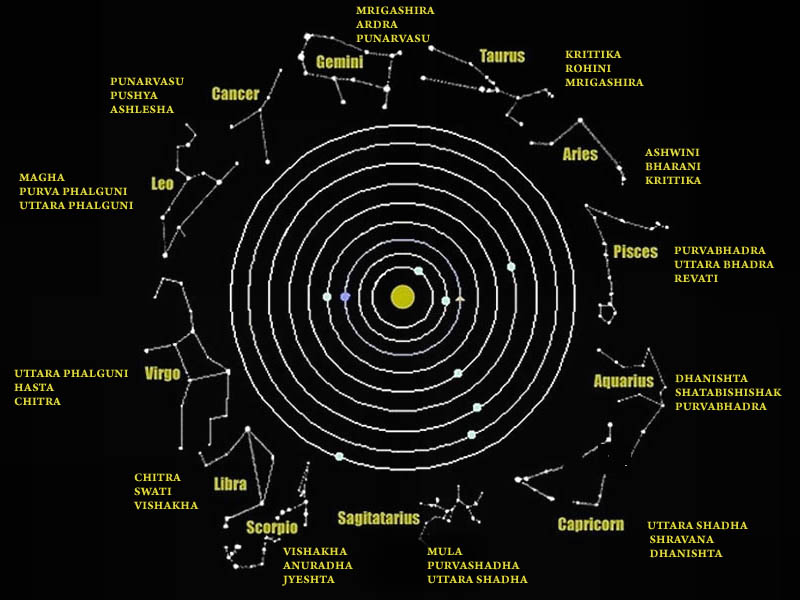
Hindu astronomers divide the ecliptic circle of cosmos in 27 divisions called
https://t.co/sLeuV1R2eQ this manner a cross forms in 4 directions in the celestial sky. At centre of this cross is Dhruva(Polestar). In a line from Dhruva, the stars known as Saptarishi can be observed.
The entire discussion around Facebook’s disclosures of what happened in 2016 is very frustrating. No exec stopped any investigations, but there were a lot of heated discussions about what to publish and when.


In the spring and summer of 2016, as reported by the Times, activity we traced to GRU was reported to the FBI. This was the standard model of interaction companies used for nation-state attacks against likely US targeted.

In the Spring of 2017, after a deep dive into the Fake News phenomena, the security team wanted to publish an update that covered what we had learned. At this point, we didn’t have any advertising content or the big IRA cluster, but we did know about the GRU model.

This report when through dozens of edits as different equities were represented. I did not have any meetings with Sheryl on the paper, but I can’t speak to whether she was in the loop with my higher-ups.

In the end, the difficult question of attribution was settled by us pointing to the DNI report instead of saying Russia or GRU directly. In my pre-briefs with members of Congress, I made it clear that we believed this action was GRU.