15 books you should read every year:

Think Again by Adam Grant

Lessons:
• We are most confident when we lack competence (Dunning-Kruger effect)
• Admitting that you don’t know something is a superpower
Never Split the Difference by Chris Voss

Lessons:
• Build trust through mirroring and tone of voice
• Take things slowly
1984 by George Orwell

Lessons:
• We are shaped by our circumstances
• Our past is controlled by our present
Deep Work by Cal Newport

Lessons:
• Our attention span is 8-seconds
• Stop working at the same time each day and shut everything off
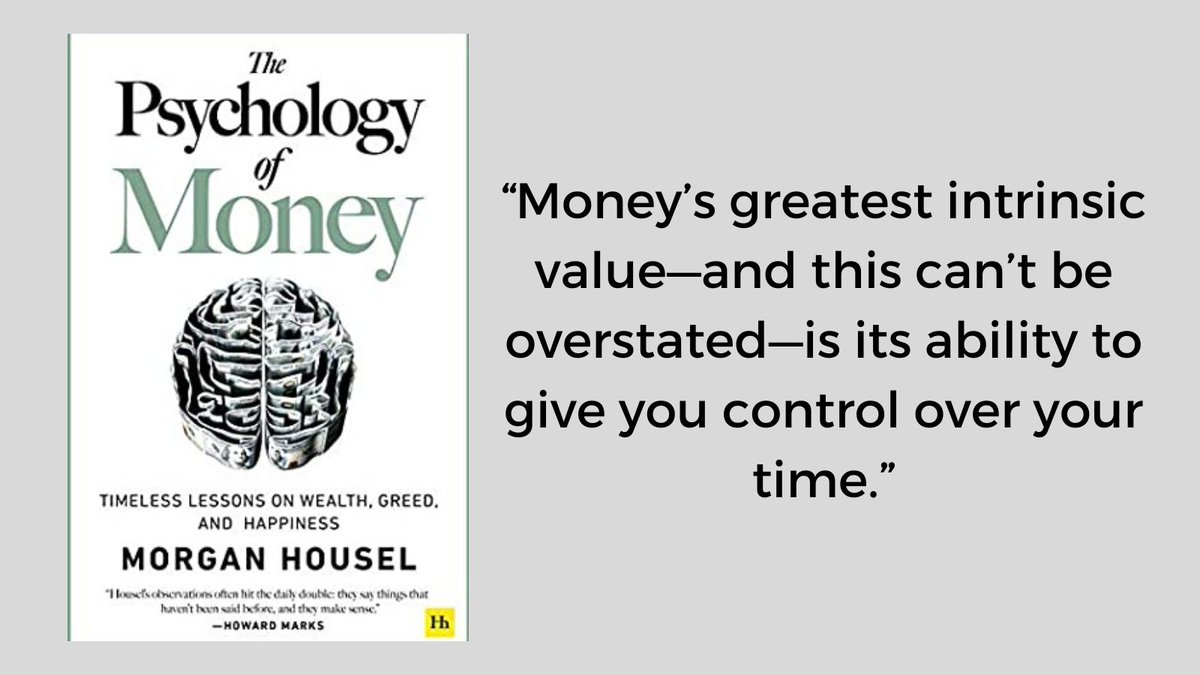
The Psychology of Money by Morgan Housel

Lessons:
• We make decisions based on our context
• Use money to control your time
Breath by James Nestor

Lessons:
• Breath out of your nose, not your mouth
• Slowing down your breathing improves your health
Essentialism by Greg McKeown

Lessons:
• Rate everything from 0 to 100 based on importance. If not greater than 90, don’t do it
• Add a 50% buffer to any time estimate
Fahrenheit 451 by Ray Bradbury

Lessons:
• We need to think for ourselves
• Facts are useless without context
Outliers by Malcolm Gladwell

Lessons:
• It takes 10,000 hours of intentional practice to become world-class
• The month you’re born in can be an advantage or disadvantage
Why We Sleep by Matthew Walker

Lessons:
• Sleeping less increases the risk of certain diseases
• Tips to sleeping better
Man’s Search for Meaning Viktor Frankl

Lessons:
• We can always choose our attitude
• You can find meaning through suffering
Atomic Habits by James Clear

Lessons:
• How small habits compound
• Form new habits by making them obvious, attractive, easy, and satisfying
To Kill a Mockingbird Harper Lee

Lessons:
• Don’t judge a book by its cover
• Actions speak louder than words
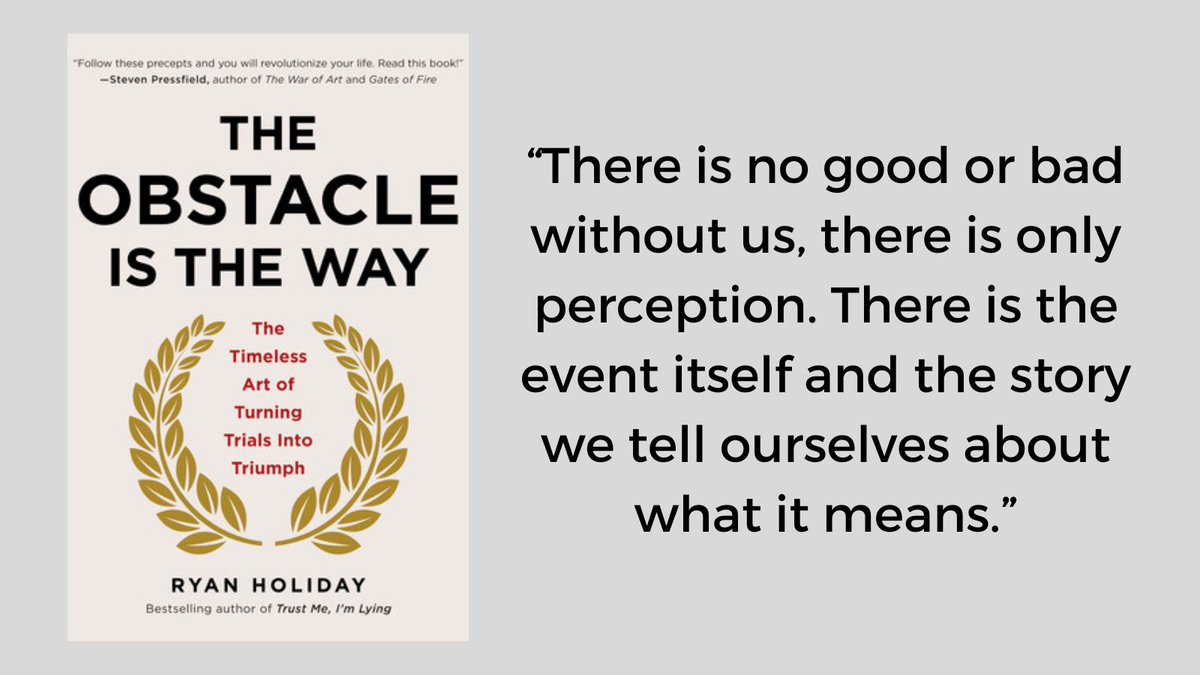
The Obstacle Is the Way by Ryan Holiday

Lessons:
• How to turn adversity into success
• Accept what you cannot change and change the things you can
Predictably Irrational by Dan Ariely

Lessons:
• Free is actually price. Loss avoidance is a huge motivator
• You overvalue what you own (endowment effect)
If you enjoyed this thread, I'd appreciate a RT of the first tweet.
I write 1-2 threads a week on:
• Business & personal frameworks
• Building generational wealth
• Living intentionally
Follow me to see what's next:
@KurtisHanni
https://t.co/Vnz4Vgz8Gw

More from Learning

You May Also Like

कुंडली में 12 भाव होते हैं। कैसे ज्योतिष द्वारा रोग के आंकलन करते समय कुंडली के विभिन्न भावों से गणना करते हैं आज इस पर चर्चा करेंगे।
कुण्डली को कालपुरुष की संज्ञा देकर इसमें शरीर के अंगों को स्थापित कर उनसे रोग, रोगेश, रोग को बढ़ाने घटाने वाले ग्रह


रोग की स्थिति में उत्प्रेरक का कार्य करने वाले ग्रह, आयुर्वेदिक/ऐलोपैथी/होमियोपैथी में से कौन कारगर होगा इसका आँकलन, रक्त विकार, रक्त और आपरेशन की स्थिति, कौन सा आंतरिक या बाहरी अंग प्रभावित होगा इत्यादि गणना करने में कुंडली का प्रयोग किया जाता है।


मेडिकल ज्योतिष में आज के समय में Dr. K. S. Charak का नाम निर्विवाद रूप से प्रथम स्थान रखता है। उनकी लिखी कई पुस्तकें आज इस क्षेत्र में नए ज्योतिषों का मार्गदर्शन कर रही हैं।
प्रथम भाव -
इस भाव से हम व्यक्ति की रोगप्रतिरोधक क्षमता, सिर, मष्तिस्क का विचार करते हैं।


द्वितीय भाव-
दाहिना नेत्र, मुख, वाणी, नाक, गर्दन व गले के ऊपरी भाग का विचार होता है।
तृतीय भाव-
अस्थि, गला,कान, हाथ, कंधे व छाती के आंतरिक अंगों का शुरुआती भाग इत्यादि।

चतुर्थ भाव- छाती व इसके आंतरिक अंग, जातक की मानसिक स्थिति/प्रकृति, स्तन आदि की गणना की जाती है


पंचम भाव-
जातक की बुद्धि व उसकी तीव्रता,पीठ, पसलियां,पेट, हृदय की स्थिति आंकलन में प्रयोग होता है।

षष्ठ भाव-
रोग भाव कहा जाता है। कुंडली मे इसके तत्कालिक भाव स्वामी, कालपुरुष कुंडली के स्वामी, दृष्टि संबंध, रोगेश की स्थिति, रोगेश के नक्षत्र औऱ रोगेश व भाव की डिग्री इत्यादि।
1/ Some initial thoughts on personal moats:

Like company moats, your personal moat should be a competitive advantage that is not only durable—it should also compound over time.

Characteristics of a personal moat below:


2/ Like a company moat, you want to build career capital while you sleep.

As Andrew Chen noted:


3/ You don’t want to build a competitive advantage that is fleeting or that will get commoditized

Things that might get commoditized over time (some longer than


4/ Before the arrival of recorded music, what used to be scarce was the actual music itself — required an in-person artist.

After recorded music, the music itself became abundant and what became scarce was curation, distribution, and self space.

5/ Similarly, in careers, what used to be (more) scarce were things like ideas, money, and exclusive relationships.

In the internet economy, what has become scarce are things like specific knowledge, rare & valuable skills, and great reputations.