
Top 10 Personal Finance Books
⚡️Book Thread⚡️
+ Best quotes
”The object is to want money, and to be so determined to have it that you convince yourself that you will have it.”
"The vast majority of people simply do not have the internal capacity to create and hold on to large amounts of money and the increased challenges that go with more money and success."
"You picked up this book because you are broke. Keep reading and you will discover what you need to know--and do--so you will not be broke forever."
"What I have done is packaged the time-honored information into a process that is doable and has inspired millions to act on it."
‘People whom we define as being wealthy get much more pleasure from owning substantial amounts of appreciable assets than from displaying a high-consumption lifestyle.’
"No man can rise to his greatest possible height in talent of soul development unless he has plenty of money."
"Conditions have changed, but we are still operating financially by the rules established during the Industrial Revolution--rules based on creating more material possessions. But our high standard of living has not led to a high quality of life"
"Show me a 22-year-old who got rich investing in mutual funds. Show me the young twenty-something who got rich clipping coupons. Where are these people? They don't exist."
More from Deep Note



More from Learning

Use these 6 AI websites to finish hours of work in minutes (take a look):
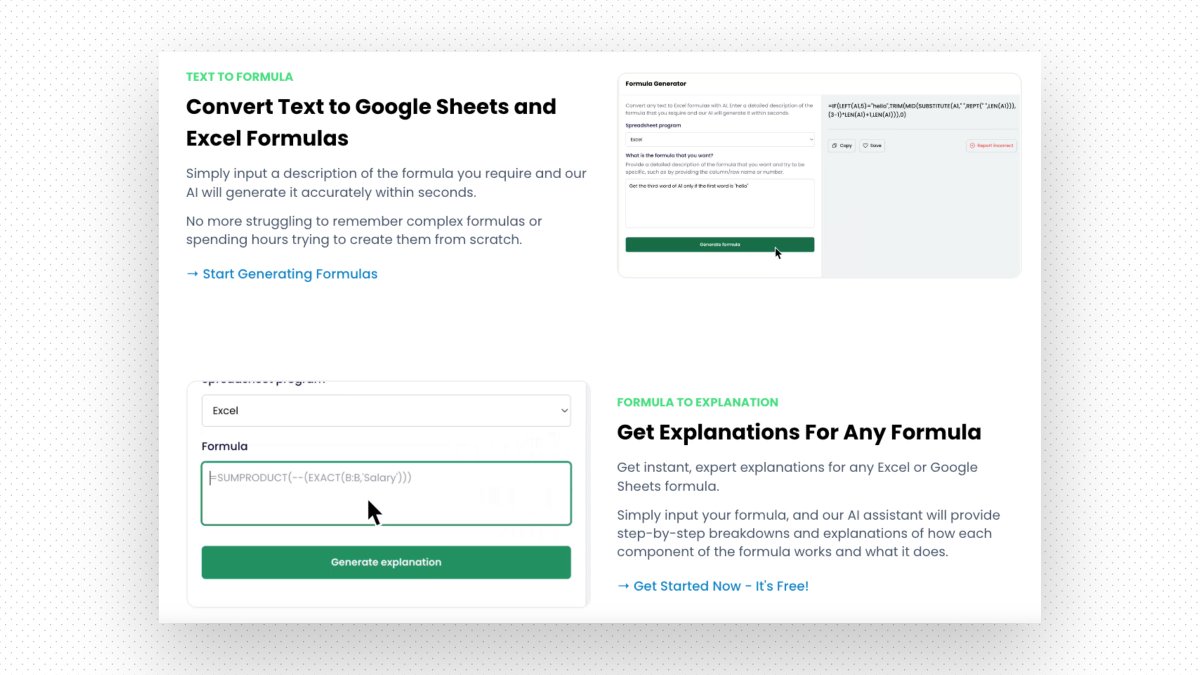
1. Sheet+
Become a spreadsheet master with Sheet+ AI-powered tools.
• Convert text to formula
• Convert formula to explanation
• Debug formulas
• Generate VBA code
• Get instant answers to any spreadsheet question
🔗 https://t.co/fWsAeKa6ko
2. DeepCode
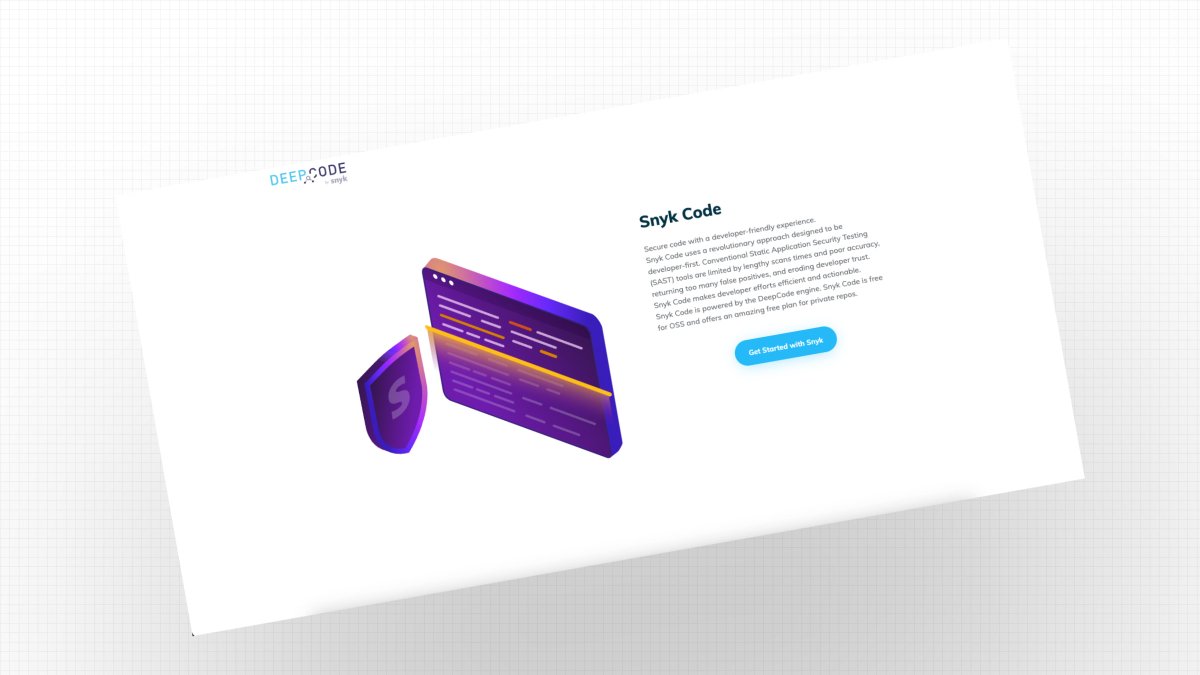
DeepCode's AI-based code review notifies you about critical bugs in real time and shows you how to fix them.
🔗 https://t.co/dPTPq9syoy
3. Akkio
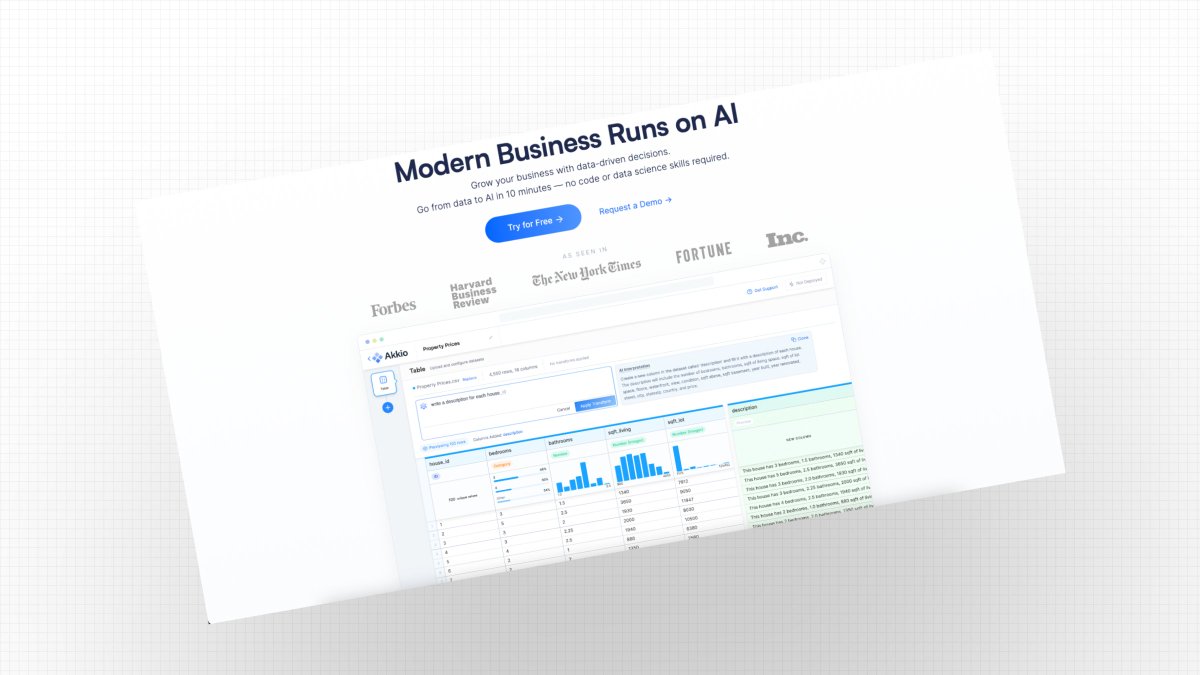
Grow your business with data-driven decisions.
Go from data to AI in 10 minutes — no code or data science skills required.
🔗 https://t.co/I29FIHDIs0
4. Autocode
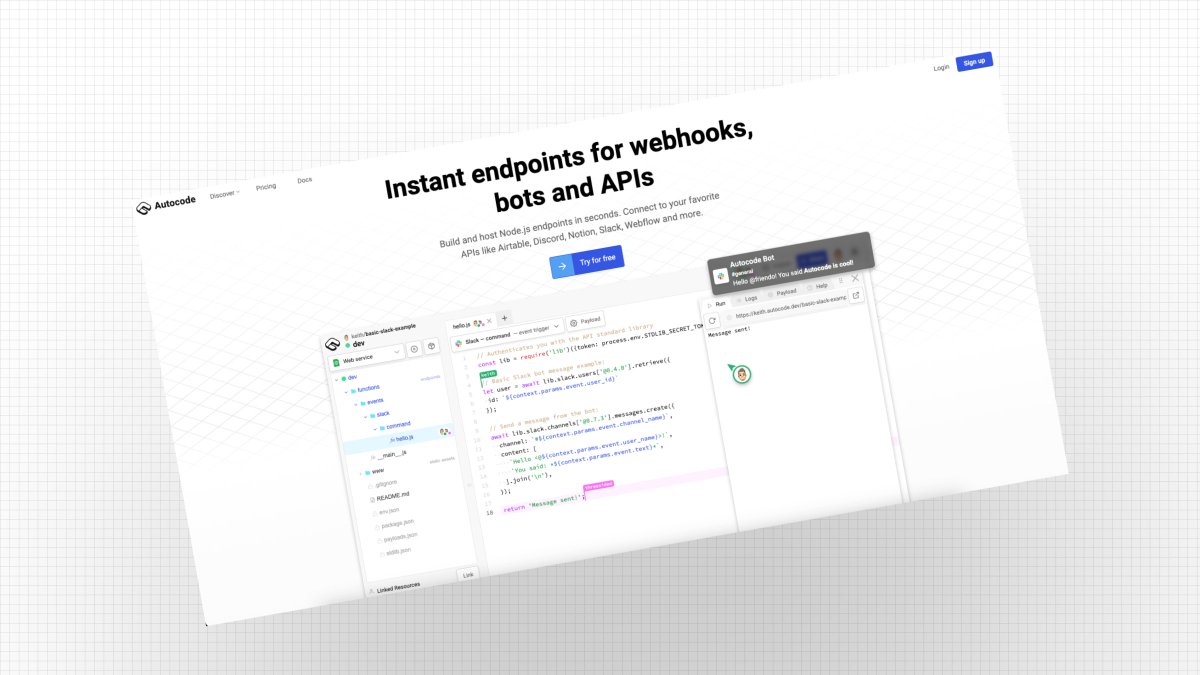
Instant endpoints for webhooks, bots, and APIs.
Build and host Node.js endpoints in seconds.
Connect to your favorite APIs like Airtable, Discord, Notion, Slack, Webflow, and more.
🔗 https://t.co/uQZB0NCHJT
1. Sheet+
Become a spreadsheet master with Sheet+ AI-powered tools.
• Convert text to formula
• Convert formula to explanation
• Debug formulas
• Generate VBA code
• Get instant answers to any spreadsheet question
🔗 https://t.co/fWsAeKa6ko
2. DeepCode
DeepCode's AI-based code review notifies you about critical bugs in real time and shows you how to fix them.
🔗 https://t.co/dPTPq9syoy
3. Akkio
Grow your business with data-driven decisions.
Go from data to AI in 10 minutes — no code or data science skills required.
🔗 https://t.co/I29FIHDIs0
4. Autocode
Instant endpoints for webhooks, bots, and APIs.
Build and host Node.js endpoints in seconds.
Connect to your favorite APIs like Airtable, Discord, Notion, Slack, Webflow, and more.
🔗 https://t.co/uQZB0NCHJT


8 priceless websites for entrepreneurs in 2022 (all free):
https://t.co/sAdvTQUt14
Never let logo design take up your time again:
• Use AI to create a logo that matches your vision
• Get endless options + easily tweak designs
• Instantly generate your brand kit and templates
Instantly access the resources to start marketing.
https://t.co/7KXYVmauQs
Want to know how a competitor is doing?
Search their name and find:
• Traffic sources
• Where they are advertising
• Similar sites
• Estimated webpage views
The free tier gets you far.
https://t.co/5DFALvUecF
Think Google Slides but 10x more aesthetic:
• Stunning templates
• Collaborative design
• Intuitive design / user experience
Take your next pitch deck, project plan, or conference keynote to the next level.
https://t.co/UrWTVgxFIC
Ever lose inspiration when designing your deck?
This is a database of 790 pitch decks across every stage.
Learn how unicorns (Uber, Airbnb) pitched their vision 10 years earlier.
See how Unicorns (Rippling, Ladder) raised their latest rounds.


You May Also Like

1/ Some initial thoughts on personal moats:
Like company moats, your personal moat should be a competitive advantage that is not only durable—it should also compound over time.
Characteristics of a personal moat below:
2/ Like a company moat, you want to build career capital while you sleep.
As Andrew Chen noted:
3/ You don’t want to build a competitive advantage that is fleeting or that will get commoditized
Things that might get commoditized over time (some longer than
4/ Before the arrival of recorded music, what used to be scarce was the actual music itself — required an in-person artist.
After recorded music, the music itself became abundant and what became scarce was curation, distribution, and self space.
5/ Similarly, in careers, what used to be (more) scarce were things like ideas, money, and exclusive relationships.
In the internet economy, what has become scarce are things like specific knowledge, rare & valuable skills, and great reputations.
Like company moats, your personal moat should be a competitive advantage that is not only durable—it should also compound over time.
Characteristics of a personal moat below:
I'm increasingly interested in the idea of "personal moats" in the context of careers.
— Erik Torenberg (@eriktorenberg) November 22, 2018
Moats should be:
- Hard to learn and hard to do (but perhaps easier for you)
- Skills that are rare and valuable
- Legible
- Compounding over time
- Unique to your own talents & interests https://t.co/bB3k1YcH5b
2/ Like a company moat, you want to build career capital while you sleep.
As Andrew Chen noted:
People talk about \u201cpassive income\u201d a lot but not about \u201cpassive social capital\u201d or \u201cpassive networking\u201d or \u201cpassive knowledge gaining\u201d but that\u2019s what you can architect if you have a thing and it grows over time without intensive constant effort to sustain it
— Andrew Chen (@andrewchen) November 22, 2018
3/ You don’t want to build a competitive advantage that is fleeting or that will get commoditized
Things that might get commoditized over time (some longer than
Things that look like moats but likely aren\u2019t or may fade:
— Erik Torenberg (@eriktorenberg) November 22, 2018
- Proprietary networks
- Being something other than one of the best at any tournament style-game
- Many "awards"
- Twitter followers or general reach without "respect"
- Anything that depends on information asymmetry https://t.co/abjxesVIh9
4/ Before the arrival of recorded music, what used to be scarce was the actual music itself — required an in-person artist.
After recorded music, the music itself became abundant and what became scarce was curation, distribution, and self space.
5/ Similarly, in careers, what used to be (more) scarce were things like ideas, money, and exclusive relationships.
In the internet economy, what has become scarce are things like specific knowledge, rare & valuable skills, and great reputations.

“We don’t negotiate salaries” is a negotiation tactic.
Always. No, your company is not an exception.
A tactic I don’t appreciate at all because of how unfairly it penalizes low-leverage, junior employees, and those loyal enough not to question it, but that’s negotiation for you after all. Weaponized information asymmetry.
Listen to Aditya
And by the way, you should never be worried that an offer would be withdrawn if you politely negotiate.
I have seen this happen *extremely* rarely, mostly to women, and anyway is a giant red flag. It suggests you probably didn’t want to work there.
You wish there was no negotiating so it would all be more fair? I feel you, but it’s not happening.
Instead, negotiate hard, use your privilege, and then go and share numbers with your underrepresented and underpaid colleagues. […]
Always. No, your company is not an exception.
A tactic I don’t appreciate at all because of how unfairly it penalizes low-leverage, junior employees, and those loyal enough not to question it, but that’s negotiation for you after all. Weaponized information asymmetry.
Listen to Aditya
"we don't negotiate salaries" really means "we'd prefer to negotiate massive signing bonuses and equity grants, but we'll negotiate salary if you REALLY insist" https://t.co/80k7nWAMoK
— Aditya Mukerjee, the Otterrific \U0001f3f3\ufe0f\u200d\U0001f308 (@chimeracoder) December 4, 2018
And by the way, you should never be worried that an offer would be withdrawn if you politely negotiate.
I have seen this happen *extremely* rarely, mostly to women, and anyway is a giant red flag. It suggests you probably didn’t want to work there.
You wish there was no negotiating so it would all be more fair? I feel you, but it’s not happening.
Instead, negotiate hard, use your privilege, and then go and share numbers with your underrepresented and underpaid colleagues. […]


