
•We as a society have routinely backstabbed our fellow citizens belonging to the Muslim community.• 2/19
This is an English translation of @Shiva__1's pinned thread in Marathi. Was thinking of doing this for sometime. Think this is the right time as events which happened the other day have been really triggering, and this is exactly how I feel. Here goes. 1/19
•We as a society have routinely backstabbed our fellow citizens belonging to the Muslim community.• 2/19
So far, the Brahminists have always distorted this history and spread falsehoods to 3/19
A lot of Muslims used to speak at and attend these meetings. And whenever I listened to or interacted with them, I sensed a very apologetic tone in their voice. 4/19
My friend Adil Sheikh lives in the room next to mine. (Poor guy. He's stuck with me). He's studying for the state civil services and is very politically aware. His dad is a welding mechanic. 7/19
He probably feels that because I'm a Hindu, I will feel offended and our friendship will be ruined. 8/19
More from India


"Busy Life Daily Puja & Neivedyas"
People would always have several doubts on what to offer bhagwan in their daily puja. For some it will be a million dollar question of how to do an express puja yet a satisfying one.
Upachara - "उपचार"
Refers to the offerings and services made to Bhagwan as part of worship. In shastras there are a count of upachara pujas we do.
पांच उपचार पूजा - 5 Upacharas
षोडशोपचार पूजा - 16 "
चतुःषष्ट्युपचार पूजा - 64 "
Out of these panch is used for daily puja.
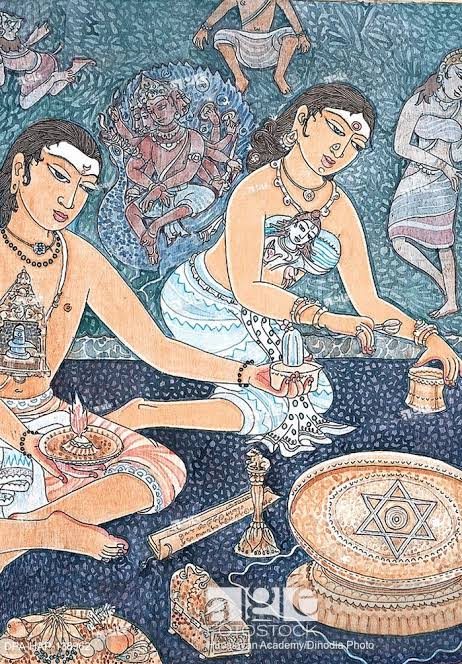
Some use 16 upachras who are well versed with the way of doing it Effortlessly and have abhishekam at home daily. 64 is exclusively for festivals and special vrat. One can choose to do 5 upacharas daily and finish your puja peacefully.
How to start your Puja ?
1. Shudhikaran & Aachaman
2. Bhootashudhi & Pranayam
3. Sankalp
4. Choice of Upachara Puja
5. Aarti
6. Pradakshina
7. Mantra Pushpam
8. Bhoomi Sashtanga/Panchanga Namaskaram
Major pujas steps one should ideally follow
Shudhikaran & Aachaman
After bath and dressing with (washed clothes only) should arrange their requirements for puja.
Take water separately for Aachaman and Puja. Water shouldn't be used from same paatra ideally. Perform Aachaman as per your practice & for beginners - YouTube
People would always have several doubts on what to offer bhagwan in their daily puja. For some it will be a million dollar question of how to do an express puja yet a satisfying one.
Dakshina Neivedyas
— Hindu Media Wiki (@HinduMediaWiki) December 18, 2020
Havishyanna
Commonly called Ven Pongal / Kattu Pongali / Moong Dal Khichdi across states, this dish is very important in puja Niyamas. It holds highest rank in order of preferred Neivedya to Bhagwaan. This dish is considered as Golden Dish, as it looks so. pic.twitter.com/QK43q1Sxz6
Upachara - "उपचार"
Refers to the offerings and services made to Bhagwan as part of worship. In shastras there are a count of upachara pujas we do.
पांच उपचार पूजा - 5 Upacharas
षोडशोपचार पूजा - 16 "
चतुःषष्ट्युपचार पूजा - 64 "
Out of these panch is used for daily puja.
Some use 16 upachras who are well versed with the way of doing it Effortlessly and have abhishekam at home daily. 64 is exclusively for festivals and special vrat. One can choose to do 5 upacharas daily and finish your puja peacefully.
How to start your Puja ?
1. Shudhikaran & Aachaman
2. Bhootashudhi & Pranayam
3. Sankalp
4. Choice of Upachara Puja
5. Aarti
6. Pradakshina
7. Mantra Pushpam
8. Bhoomi Sashtanga/Panchanga Namaskaram
Major pujas steps one should ideally follow
Shudhikaran & Aachaman
After bath and dressing with (washed clothes only) should arrange their requirements for puja.
Take water separately for Aachaman and Puja. Water shouldn't be used from same paatra ideally. Perform Aachaman as per your practice & for beginners - YouTube



You May Also Like


1/OK, data mystery time.
This New York Times feature shows China with a Gini Index of less than 30, which would make it more equal than Canada, France, or the Netherlands. https://t.co/g3Sv6DZTDE
That's weird. Income inequality in China is legendary.
Let's check this number.
2/The New York Times cites the World Bank's recent report, "Fair Progress? Economic Mobility across Generations Around the World".
The report is available here:
3/The World Bank report has a graph in which it appears to show the same value for China's Gini - under 0.3.
The graph cites the World Development Indicators as its source for the income inequality data.
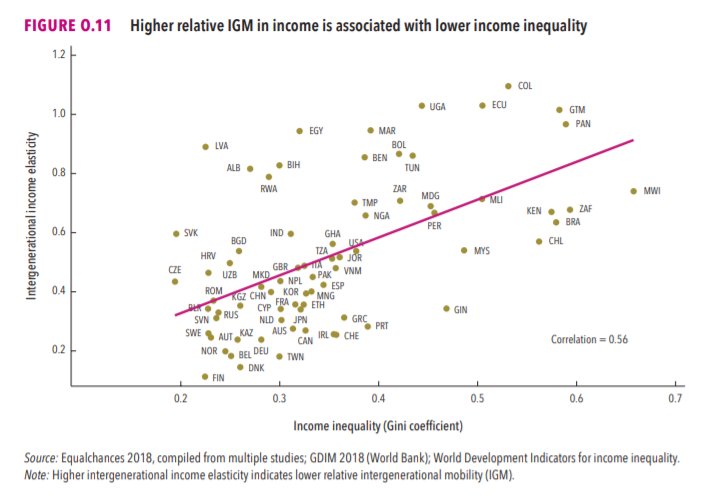
4/The World Development Indicators are available at the World Bank's website.
Here's the Gini index: https://t.co/MvylQzpX6A
It looks as if the latest estimate for China's Gini is 42.2.
That estimate is from 2012.
5/A Gini of 42.2 would put China in the same neighborhood as the U.S., whose Gini was estimated at 41 in 2013.
I can't find the <30 number anywhere. The only other estimate in the tables for China is from 2008, when it was estimated at 42.8.
This New York Times feature shows China with a Gini Index of less than 30, which would make it more equal than Canada, France, or the Netherlands. https://t.co/g3Sv6DZTDE
That's weird. Income inequality in China is legendary.
Let's check this number.
2/The New York Times cites the World Bank's recent report, "Fair Progress? Economic Mobility across Generations Around the World".
The report is available here:
3/The World Bank report has a graph in which it appears to show the same value for China's Gini - under 0.3.
The graph cites the World Development Indicators as its source for the income inequality data.
4/The World Development Indicators are available at the World Bank's website.
Here's the Gini index: https://t.co/MvylQzpX6A
It looks as if the latest estimate for China's Gini is 42.2.
That estimate is from 2012.
5/A Gini of 42.2 would put China in the same neighborhood as the U.S., whose Gini was estimated at 41 in 2013.
I can't find the <30 number anywhere. The only other estimate in the tables for China is from 2008, when it was estimated at 42.8.







First thread of the year because I have time during MCO. As requested, a thread on the gods and spirits of Malay folk religion. Some are indigenous, some are of Indian origin, some have Islamic
Before I begin, it might be worth explaining the Malay conception of the spirit world. At its deepest level, Malay religious belief is animist. All living beings and even certain objects are said to have a soul. Natural phenomena are either controlled by or personified as spirits
Although these beings had to be respected, not all of them were powerful enough to be considered gods. Offerings would be made to the spirits that had greater influence on human life. Spells and incantations would invoke their
Two known examples of such elemental spirits that had god-like status are Raja Angin (king of the wind) and Mambang Tali Arus (spirit of river currents). There were undoubtedly many more which have been lost to time
Contact with ancient India brought the influence of Hinduism and Buddhism to SEA. What we now call Hinduism similarly developed in India out of native animism and the more formal Vedic tradition. This can be seen in the multitude of sacred animals and location-specific Hindu gods
i wonder if you can make a thread bout witchcraft in malaysia.. or list of our own local gods/deites..
— r a y a \U0001f319 (@lcvelylilith) February 20, 2020
Before I begin, it might be worth explaining the Malay conception of the spirit world. At its deepest level, Malay religious belief is animist. All living beings and even certain objects are said to have a soul. Natural phenomena are either controlled by or personified as spirits
Although these beings had to be respected, not all of them were powerful enough to be considered gods. Offerings would be made to the spirits that had greater influence on human life. Spells and incantations would invoke their
Animist ceremonies of a religious or magical nature were normally held for the purpose of divination or making a request. This would either be done at a keramat or at a shrine similar to the Thai spirit houses or Chinese roadside shrines pic.twitter.com/I1hliyi0x3
— \u2745\u1710\u170b\u1713\u170e (@uglyluhan) June 16, 2019
Two known examples of such elemental spirits that had god-like status are Raja Angin (king of the wind) and Mambang Tali Arus (spirit of river currents). There were undoubtedly many more which have been lost to time
Contact with ancient India brought the influence of Hinduism and Buddhism to SEA. What we now call Hinduism similarly developed in India out of native animism and the more formal Vedic tradition. This can be seen in the multitude of sacred animals and location-specific Hindu gods