
Clement Clay, Jr: Did not appear on March 14, 1861; salary paid to January 21, 1861; seat declared vacant on March 14, 1861; member of the Confederate Senate 1861-1863; was a diplomatic agent of the Confederate States; arrested and imprisoned in Fortress Monroe in 1865
1/ Thread:
Senate Action Against Disloyal Members, 1861-1862
Clement Clay, Jr: Did not appear on March 14, 1861; salary paid to January 21, 1861; seat declared vacant on March 14, 1861; member of the Confederate Senate 1861-1863; was a diplomatic agent of the Confederate States; arrested and imprisoned in Fortress Monroe in 1865
Benjamin Fitzpatrick: Salary paid to February 4, 1861; term expired on March 3, 1861, and Senate took no formal action against him; president of the constitutional convention of Alabama in 1865.
William K. Sebastian: Expelled on July 11, 1861; returned to Helena, Ark., where he resided during the Civil War and practiced law; after federal troops occupied Helena, Ark., moved to Memphis, TN., in 1864 and resumed the practice of law.
Charles B. Mitchel : Expelled on July 11, 1861; elected to the Confederate senate at the first session of the State legislature and served until his death in Little Rock, AR, September 20, 1864.
David Yulee : Withdrew on January 21, 1861; salary paid to this date; term expired on March 3, 1861, and Senate took no formal action against him; due to his support of the Confederacy, was a prisoner at Fort Pulaski in 1865
Stephen Mallory: Withdrew on January 21, 1861; seat declared vacant on March 14, 1861; salary paid to this date; Secretary of the Navy of the Confederacy; imprisoned at the close of the Civil War 1865-1866.
Robert A. Toombs: Withdrew on February 4, 1861; salary paid to this date; seat declared vacant on March 14, 1861; SecState of the Confederate States; brigadier general in the Confederate Army; in order to avoid arrest, fled to Havana and to London
Alfred Iverson, Sr: Withdrew on January 28, 1861; term expired on March 3, 1861, and Senate took no formal action against him; resumed the practice of law. In 1868, when he purchased a plantation in East Macon, GA., and engaged in agricultural pursuits until his death.
Jesse D. Bright: Expelled on February 5, 1862 for disloyalty to the Union; unsuccessful candidate for election in 1863 to the United States Senate to fill the vacancy caused by his expulsion.
John C. Breckinridge: Expelled on December 4, 1861, for disloyalty to the Union; entered the Confederate Army during the Civil War as brigadier general and soon became a major general; Sec of War in the Cabinet of the Confederate States from January until April 1865.
Judah P. Benjamin: Withdrew on February 4, 1861; seat declared vacant on March 14, 1861; appointed Attorney General under the provisional government of the Confederate States, February 1861; appointed Acting Secretary of War of the Confederate States in August 1861
John Slidell: Withdrew on February 4, 1861; salary paid to this date; term expired on March 3, 1861, and Senate took no formal action against him
Jefferson Davis: Withdrew on January 21, 1861; seat declared vacant on March 14, 1861; salary paid to this date; elected Pres of Confederacy for a term of six years and inaugurated in Richmond, Va., February 22, 1862; captured by Union troops in Irwinsville, Ga
Albert G. Brown: Withdrew on January 12, 1861; salary paid to January 14, 1861; seat declared vacant on March 14, 1861; served as captain in the Confederate Army; elected a member of the Confederate Senate in 1862
Waldo P. Johnson: Expelled on January 10, 1862, upon rumors he aided the Confederacy; served in the Confederate Army during the Civil War; attained the rank of lieutenant colonel of the Fourth Missouri Infantry;
Trusten Polk: Expelled on January 10, 1862, upon rumors he aided the Confederacy; served as colonel in the Confederate Army; judge in the military courts of the department of Mississippi in 1864 and 1865.
Thomas Bragg: Withdrew on March 8, 1861; expelled on July 11, 1861; appointed Attorney General of the Confederate States November 21, 1861, and served two years.
Thomas L. Clingman: Withdrew March 11, 1861; expelled on July 11, 1861; served as brigadier general in the Confederate Army.
James Chesnut, Jr.: Withdrew on November 10, 1860; salary paid to this date; expelled on July 11, 1861; served as colonel in the Confederate Army; appointed brigadier general in 1864.
James H. Hammond: Withdrew on November 11, 1860; salary paid to this date; term expired on March 3, 1861, and Senate took no formal action against him; died at “Redcliffe,” Beach Island, SC, November 13, 1864.
Alfred O. P. Nicholson: Withdrew on March 3, 1861; expelled on July 11, 1861; chief justice of the supreme court of Tennessee 1870-1876.
Louis T. Wigfall: Withdrew on March 23, 1861; expelled on July 11, 1861; served in the Confederate Army during the Civil War; represented the State of Texas in the Confederate Congress.
John Hemphill: Did not appear on March 4, 1861, for the 38th Congress; expelled on July 11, 1861; represented the state of Texas in the Congress of the Confederate States of America until his death.
James M. Mason: Withdrew on March 28, 1861; expelled on July 11, 1861; appointed commissioner of the Confederacy to Great Britain and France.
Robert M. T. Hunter: Withdrew on March 28, 1861; expelled on July 11, 1861; Confederate Secretary of State 1861-1862; served in the Confederate Senate from Virginia in the First and Second Congresses 1862-1865 and was President pro tempore on various occasions.
More from History








You May Also Like


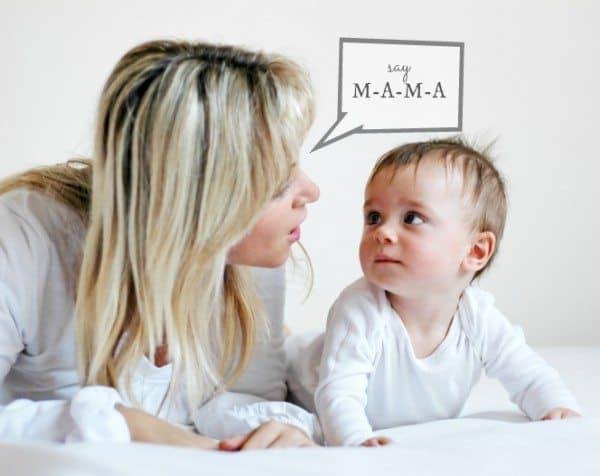
Speech Delay is most common in children nowadays
In ancient times, our grandparents used to follow typical natural way of caring the needs of a child. All they used were more of natural products than chemical based for the growth of child.
One of major step followed was to feed Gurbach Jadd/ Vasa Kommu/ Acorus Calamus for initiating good speech ability in a child. This stem was needed to babies on Tuesdays and Sundays in mother's milk.
Vasa is feed to baby after the 1st bath on 12th day in week. Weekly only thrice it is fed and named as :
Budhwar - Budhi Vasa
Mangalwar - Vaak Vasa
Ravi Vaar - Aayush Vasa
This stem is burnt and rubbed against the grinding stone in mother's milk or warm water to get a paste
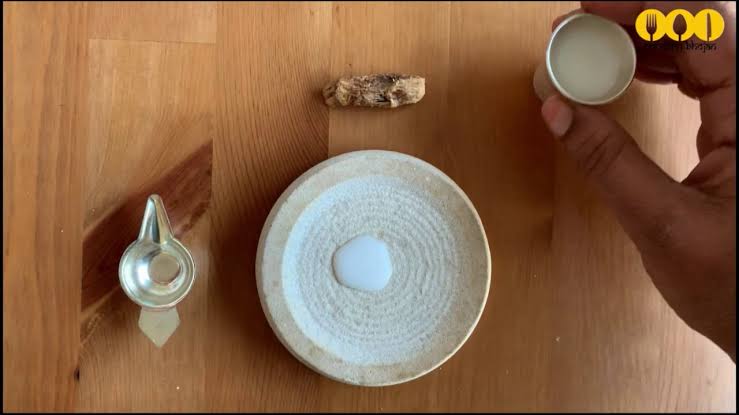
The procedure to make it is in the link
https://t.co/uo4sGp7mUm
It should not be given daily to the child. Other main benefits are
1. It clears the phlegm in child's throat caused due to continuous milk intake. It clears the tracts and breathing is effortless.
2. Digestion
For children who haven't got their speech and is delayed than usual should feed this vasa on these days in week atleast for 6months. Don't get carried away with this dialogue
"Some gain speech little late"
In ancient times, our grandparents used to follow typical natural way of caring the needs of a child. All they used were more of natural products than chemical based for the growth of child.
One of major step followed was to feed Gurbach Jadd/ Vasa Kommu/ Acorus Calamus for initiating good speech ability in a child. This stem was needed to babies on Tuesdays and Sundays in mother's milk.
Vasa is feed to baby after the 1st bath on 12th day in week. Weekly only thrice it is fed and named as :
Budhwar - Budhi Vasa
Mangalwar - Vaak Vasa
Ravi Vaar - Aayush Vasa
This stem is burnt and rubbed against the grinding stone in mother's milk or warm water to get a paste
The procedure to make it is in the link
https://t.co/uo4sGp7mUm
It should not be given daily to the child. Other main benefits are
1. It clears the phlegm in child's throat caused due to continuous milk intake. It clears the tracts and breathing is effortless.
2. Digestion
For children who haven't got their speech and is delayed than usual should feed this vasa on these days in week atleast for 6months. Don't get carried away with this dialogue
"Some gain speech little late"

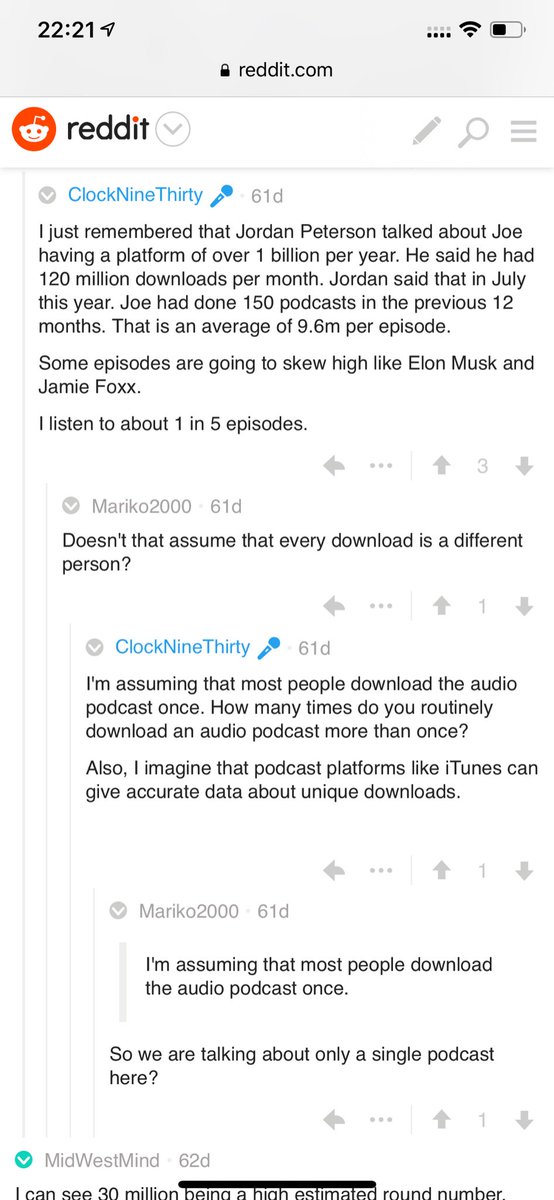
Joe Rogan's podcast is now is listened to 1.5+ billion times per year at around $50-100M/year revenue.
Independent and 100% owned by Joe, no networks, no middle men and a 100M+ people audience.
👏
https://t.co/RywAiBxA3s
Joe is the #1 / #2 podcast (depends per week) of all podcasts
120 million plays per month source https://t.co/k7L1LfDdcM
https://t.co/aGcYnVDpMu

Independent and 100% owned by Joe, no networks, no middle men and a 100M+ people audience.
👏
https://t.co/RywAiBxA3s
Joe is the #1 / #2 podcast (depends per week) of all podcasts
120 million plays per month source https://t.co/k7L1LfDdcM
https://t.co/aGcYnVDpMu

#sculpture #story -
Chandesha-Anugraha Murti - One of the Sculpture in Brihadeshwara Temple at Gangaikonda Cholapuram - built by Raja Rajendra Chola I
This Sculpture depicts Bhagwan Shiva along with Devi Paravathi blessing Chandeshwara - one of the 63 Nayanmars.
#Thread
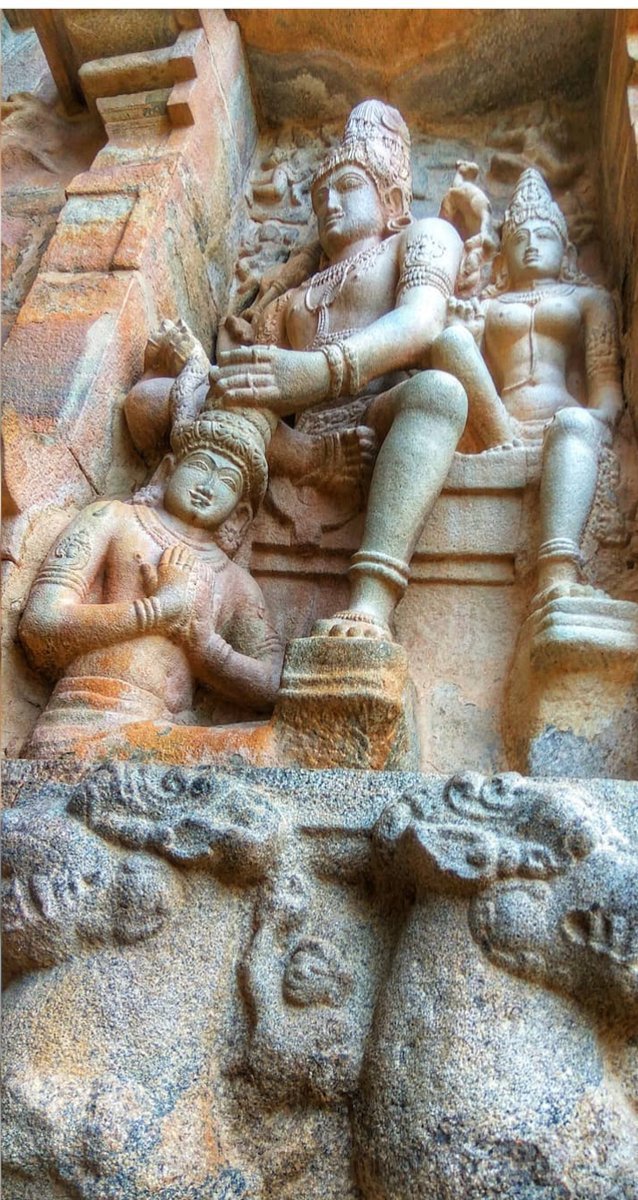
Chandeshwara/Chandikeshwara is regarded as custodian of Shiva Temple's wealth&most of Shiva temples in South India has separate sannathi for him.
His bhakti for Bhagwan Shiva elevated him as one of foremost among Nayanmars.
He gave importance to Shiva Pooja&protection of cows.
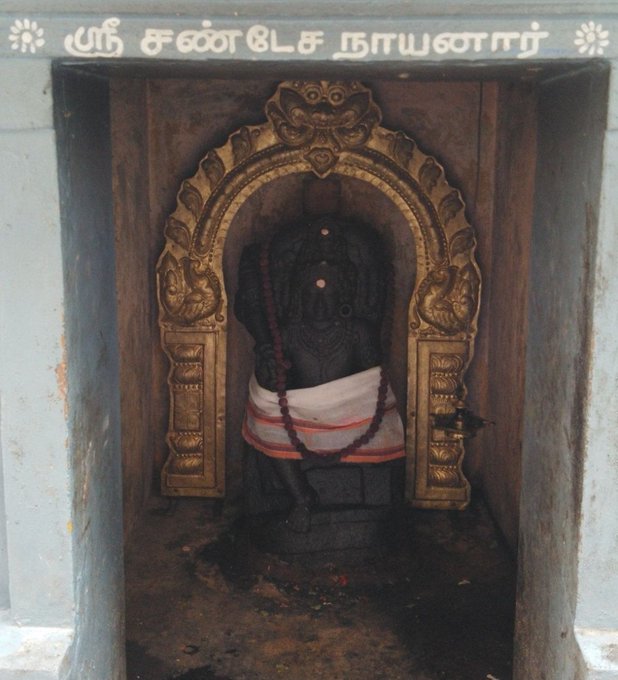
There are series of paintings, illustrating the #story of Chandikeshwar in the premises of
Sri Sathiyagireeswarar #Temple at Seinganur,near Kumbakonam,TN
Chandikeshwara's birth name
is Vichara sarman.He was born in the village of Senganur on the banks of River Manni.
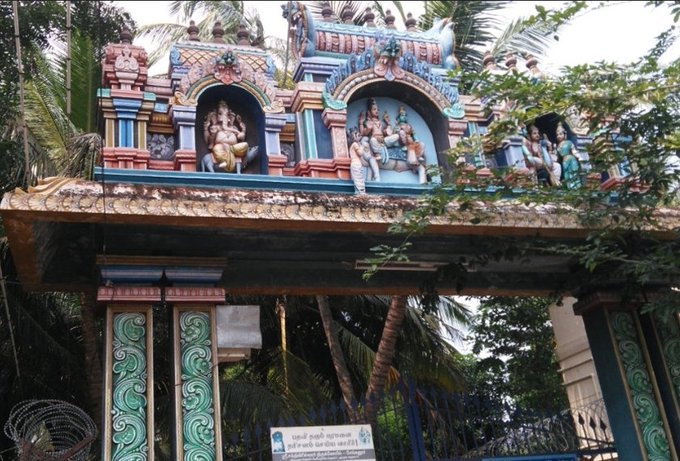
His Parent names were Yajnathatan and Pavithrai.
Vichara Sarman was a gifted child and he learnt Vedas and Agamas at a very young age.
He was very devout and would always think about Bhagwan Shiva.
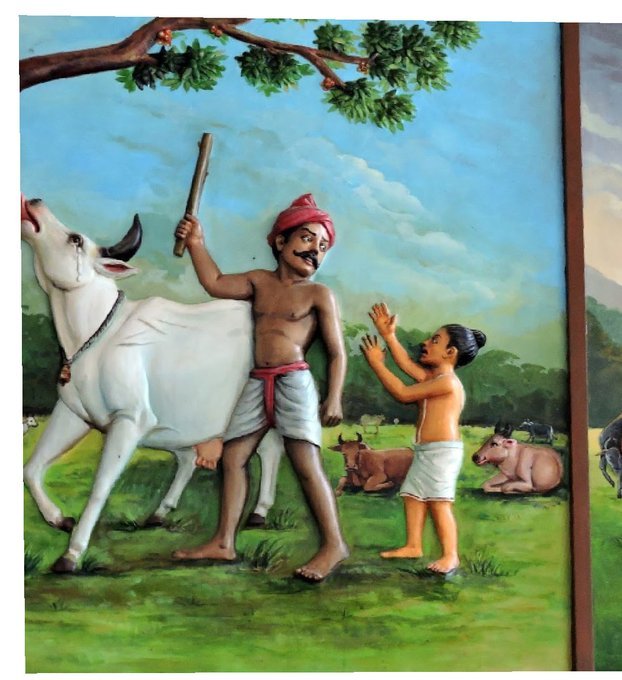
One day he saw a cowherd man brutally assaulting a cow,Vichara Sarman could not tolerate this. He spoke to cowherd: ‘Do you not know that the cow is worshipful & divine? All gods & Devas reside in https://t.co/ElLcI5ppsK it is our duty to protect cows &we should not to harm them.
Chandesha-Anugraha Murti - One of the Sculpture in Brihadeshwara Temple at Gangaikonda Cholapuram - built by Raja Rajendra Chola I
This Sculpture depicts Bhagwan Shiva along with Devi Paravathi blessing Chandeshwara - one of the 63 Nayanmars.
#Thread
Chandeshwara/Chandikeshwara is regarded as custodian of Shiva Temple's wealth&most of Shiva temples in South India has separate sannathi for him.
His bhakti for Bhagwan Shiva elevated him as one of foremost among Nayanmars.
He gave importance to Shiva Pooja&protection of cows.
There are series of paintings, illustrating the #story of Chandikeshwar in the premises of
Sri Sathiyagireeswarar #Temple at Seinganur,near Kumbakonam,TN
Chandikeshwara's birth name
is Vichara sarman.He was born in the village of Senganur on the banks of River Manni.
His Parent names were Yajnathatan and Pavithrai.
Vichara Sarman was a gifted child and he learnt Vedas and Agamas at a very young age.
He was very devout and would always think about Bhagwan Shiva.
One day he saw a cowherd man brutally assaulting a cow,Vichara Sarman could not tolerate this. He spoke to cowherd: ‘Do you not know that the cow is worshipful & divine? All gods & Devas reside in https://t.co/ElLcI5ppsK it is our duty to protect cows &we should not to harm them.
