“Thread: History of Valentines Day”

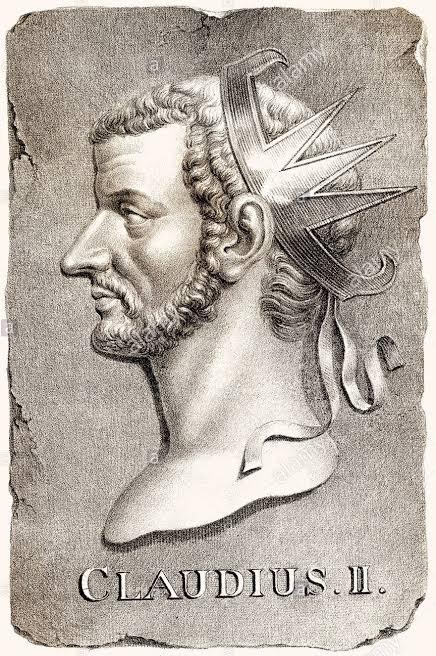
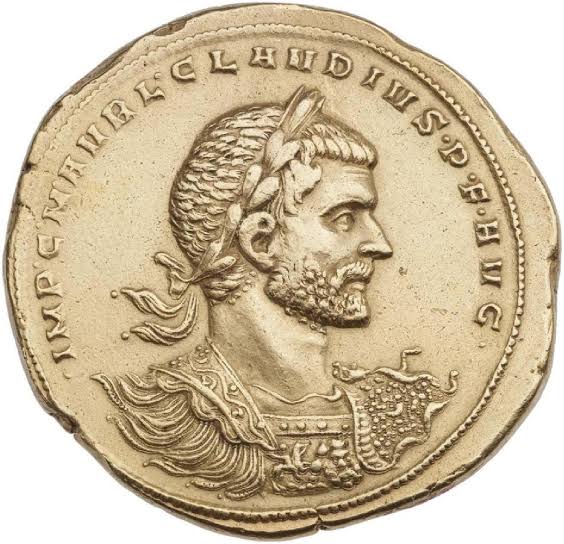
Ancient historical sources have claimed the existence of several saints by the name of St.Valentines who died on Feb 14. Among them, two were executed during the reign of Roman Emperor Claudius Gothicus in 269-270 A.D.
#valentinesday2021

[1]

It was the time when the Christian persecution was common. Another legendary account states that under the rule of Claudius II, Rome was involved in the bloody campaigns, therefore, to maintain a strong army, Claudius II banned all marriages and engagements in Rome.

[2]
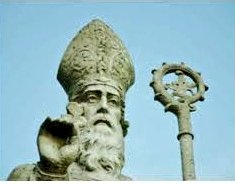
The reason of forbidding marriages was forced by the reluctance of people to join military because of their strong attachment to their wives. But St. Valentine defied the orders of the Emperor Claudius II Gothicus and married couples secretly to spare the husbands from war.

[3]
A few claims have reported that St.Valentine endorsed illegal relationships which could end up into a marriage. When it was discovered by the emperor, St. Valentine was arrested and condemned to have his head cut off.

[4]
An order of Belgian monks spent almost three centuries to explore the lives of saints by the name of St.Valentines from archives around the world. Bollandists suggested, that there weren’t actually two decapitated Valentines, but the two different versions of one saint’s...

[5]
..legend appeared in both Rome and Terni. As per another claim, Valentine’s Day has its origins in the Roman festival of Lupercalia which was celebrated on the ides of February i.e the 15th Feb. It was a fertility festival dedicated to Faunus, the Roman god of agriculture

[6]
Lupercalia was also dedicated to Romulus and Remus; the founders of Rome. This festival was purportedly denounced by Pope Gelasius in 496 A.D.

But no evidence exists whether Pope replaced Lupercalia with the more sedate cult of the St. Valentine or any other celebration.

[7]
Although the Roman Catholic Church continues to recognize St. Valentine as a saint of the church, he was removed from the General Roman Calendar in 1969 for the following reason: "Though the memorial of Saint Valentine is ancient, it is left to particular calendars, since...

[8]
apart from his name, nothing is known of Saint Valentine except that he was buried on the Via Flaminia on February 14.".

It is claimed that the Christian church may have decided to place St. Valentine’s feast day in the middle of February in an effort to ‘Christianize’...

[9]
the pagan celebration of Lupercalia. Medieval legends have given accounts of St. Valentine performing Christian marriage rituals; passing notes between Christian lovers jailed by Claudius Gothicus and tales of St.Valentine romantically involved with the blind girl he cured.

[10]
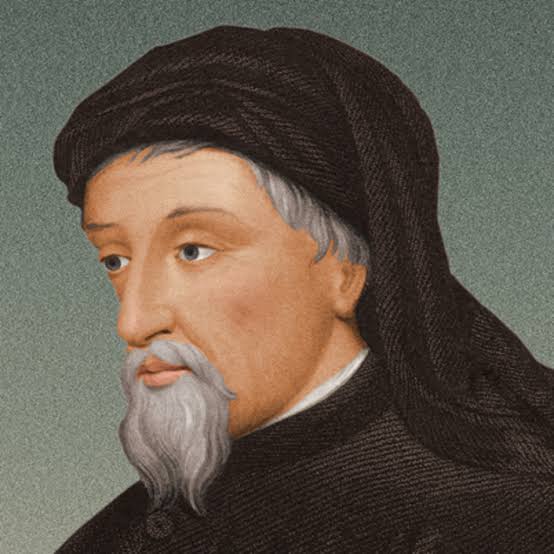
Valentine’s Day was not celebrated as a day of romance until about 14th century when the notions of courtly love surfaced. Jack B.Oruch, a professor at the University of Kansas, argues that the poet Geoffrey Chaucer was the first person to link Valentine’s Day to romance.

[11]
This indicates that the love connection probably appeared more than a thousand years after the death of St. Valentine, when Geoffrey Chaucer, author of “The Canterbury Tales” had decreed the February feast of St. Valentinus to the mating of birds seven hundred years after..

[12]
..the celebration of Lupercalia was believed to have ceased. Chaucer, in his “Parlement of Foules” wrote:

“For this was on seynt Volantynys day. Whan euery bryd comyth there to chese his make”.

[13]
Even Shakespeare’s lovestruck Ophelia spoke of herself as Hamlet’s Valentine. The first Valentine's Day card dates back to 1415 when the Duke of Orleans sent a card to his wife when he was a prisoner in the Tower of London. In the US, Valentine's Day cards became popular...

[14]
.. during the Revolutionary War. In the years followed, the alleged love fiction surrounding February 14th stayed elusive; however, industrialization and capitalism over commercialized the idea of love by associating it with a day whose historical origins remained precarious.
Bibliography:

1. https://t.co/LSUF1lgoCl

2. https://t.co/nt43H70mYv

3. https://t.co/laNAooLIxQ.
https://t.co/k7ax7Pl5Kg

4. https://t.co/5Bs9QWHNDG

5. https://t.co/RODX0tc65u

6. https://t.co/ftP8uJirXy

7. https://t.co/XEjUgdtISG

8. https://t.co/cMz0qADsq0

More from Fidato

More from History

You May Also Like

THREAD: 12 Things Everyone Should Know About IQ

1. IQ is one of the most heritable psychological traits – that is, individual differences in IQ are strongly associated with individual differences in genes (at least in fairly typical modern environments). https://t.co/3XxzW9bxLE


2. The heritability of IQ *increases* from childhood to adulthood. Meanwhile, the effect of the shared environment largely fades away. In other words, when it comes to IQ, nature becomes more important as we get older, nurture less.
https://t.co/UqtS1lpw3n


3. IQ scores have been increasing for the last century or so, a phenomenon known as the Flynn effect. https://t.co/sCZvCst3hw (N ≈ 4 million)

(Note that the Flynn effect shows that IQ isn't 100% genetic; it doesn't show that it's 100% environmental.)


4. IQ predicts many important real world outcomes.

For example, though far from perfect, IQ is the single-best predictor of job performance we have – much better than Emotional Intelligence, the Big Five, Grit, etc. https://t.co/rKUgKDAAVx https://t.co/DWbVI8QSU3


5. Higher IQ is associated with a lower risk of death from most causes, including cardiovascular disease, respiratory disease, most forms of cancer, homicide, suicide, and accident. https://t.co/PJjGNyeQRA (N = 728,160)
This is a pretty valiant attempt to defend the "Feminist Glaciology" article, which says conventional wisdom is wrong, and this is a solid piece of scholarship. I'll beg to differ, because I think Jeffery, here, is confusing scholarship with "saying things that seem right".


The article is, at heart, deeply weird, even essentialist. Here, for example, is the claim that proposing climate engineering is a "man" thing. Also a "man" thing: attempting to get distance from a topic, approaching it in a disinterested fashion.


Also a "man" thing—physical courage. (I guess, not quite: physical courage "co-constitutes" masculinist glaciology along with nationalism and colonialism.)


There's criticism of a New York Times article that talks about glaciology adventures, which makes a similar point.


At the heart of this chunk is the claim that glaciology excludes women because of a narrative of scientific objectivity and physical adventure. This is a strong claim! It's not enough to say, hey, sure, sounds good. Is it true?
A THREAD ON @SarangSood

Decoded his way of analysis/logics for everyone to easily understand.

Have covered:
1. Analysis of volatility, how to foresee/signs.
2. Workbook
3. When to sell options
4. Diff category of days
5. How movement of option prices tell us what will happen

1. Keeps following volatility super closely.

Makes 7-8 different strategies to give him a sense of what's going on.

Whichever gives highest profit he trades in.


2. Theta falls when market moves.
Falls where market is headed towards not on our original position.


3. If you're an options seller then sell only when volatility is dropping, there is a high probability of you making the right trade and getting profit as a result

He believes in a market operator, if market mover sells volatility Sarang Sir joins him.


4. Theta decay vs Fall in vega

Sell when Vega is falling rather than for theta decay. You won't be trapped and higher probability of making profit.
#தினம்_ஒரு_திருவாசகம்
தொல்லை இரும்பிறவிச் சூழும் தளை நீக்கி
அல்லல் அறுத்து ஆனந்தம் ஆக்கியதே – எல்லை
மருவா நெறியளிக்கும் வாதவூர் எங்கோன்
திருவாசகம் என்னும் தேன்

பொருள்:
1.எப்போது ஆரம்பித்தது என அறியப்படமுடியாத தொலை காலமாக (தொல்லை)

2. இருந்து வரும் (இரும்)


3.பிறவிப் பயணத்திலே ஆழ்த்துகின்ற (பிறவி சூழும்)

4.அறியாமையாகிய இடரை (தளை)

5.அகற்றி (நீக்கி),

6.அதன் விளைவால் சுகதுக்கமெனும் துயரங்கள் விலக (அல்லல் அறுத்து),

7.முழுநிறைவாய்த் தன்னுளே இறைவனை உணர்த்துவதே (ஆனந்த மாக்கியதே),

8.பிறந்து இறக்கும் காலவெளிகளில் (எல்லை)

9.பிணைக்காமல் (மருவா)

10.காக்கும் மெய்யறிவினைத் தருகின்ற (நெறியளிக்கும்),

11.என் தலைவனான மாணிக்க வாசகரின் (வாதவூரெங்கோன்)

12.திருவாசகம் எனும் தேன் (திருவா சகமென்னுந் தேன்)

முதல்வரி: பிறவி என்பது முன்வினை விதையால் முளைப்பதோர் பெருமரம். அந்த ‘முன்வினை’ எங்கு ஆரம்பித்தது எனச் சொல்ல இயலாது. ஆனால் ‘அறியாமை’ ஒன்றே ஆசைக்கும்,, அச்சத்துக்கும் காரணம் என்பதால், அவையே வினைகளை விளைவிப்பன என்பதால், தொடர்ந்து வரும் பிறவிகளுக்கு, ‘அறியாமையே’ காரணம்

அறியாமைக்கு ஆரம்பம் கிடையாது. நமக்கு ஒரு பொருளைப் பற்றிய அறிவு எப்போதிருந்து இல்லை? அதைச் சொல்ல முடியாது. அதனாலேதான் முதலடியில், ஆரம்பமில்லாத அஞ்ஞானத்தை பிறவிகளுக்குக் காரணமாகச் சொல்லியது. ஆனால் அறியாமை, அறிவின் எழுச்சியால், அப்போதே முடிந்து விடும்.