1/10 So have I ever told you about my great grandad Frederick "Fred" Woolfenden? He was born near Oldham in 1901. I don't know much about his early life, but I know when he met my great gran he was a boxer, streetfighter and one of those fairground fighters who you take on for ££

2/10 My great gran, who herself was a game old bird, described him as a proper tough bast*rd, Anyway, as if being punched in the beak for a living wasn't enough. He and my gran decided to move to Fleetwood and Fred decided to try his luck at sea.
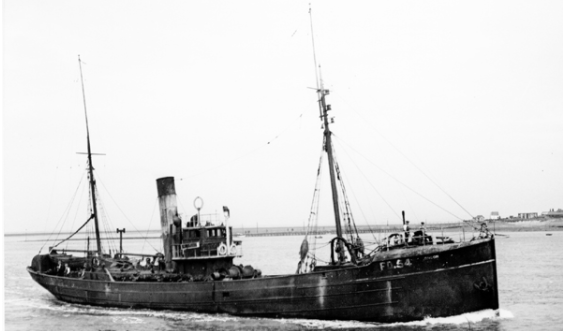
3/10 For most of his time at sea he was either a fireman or deckhand on "coal burners" fishing Iceland & the North Atlantic. An immensely tough job and life. When the second world war started in 1939 being a fisherman was a reserved occupation.
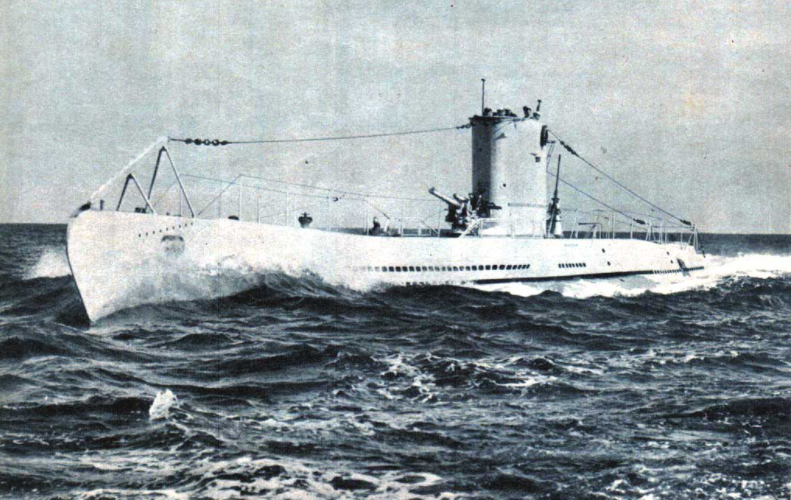
4/10 They continued fishing despite the risk of mines and U-boats. In Sept of 1939 Fred was part of the crew of the "Arlita" (FD188) fishing near St Kilda. All of a sudden this bugger popped up.
5/10 The sub rounded up two other trawlers put all the crews on one and sank the other two. Fred made it through the war, despite another submarine incident and continued to go to sea. In 1947 he was part of the crew of the trawler Dhoon.
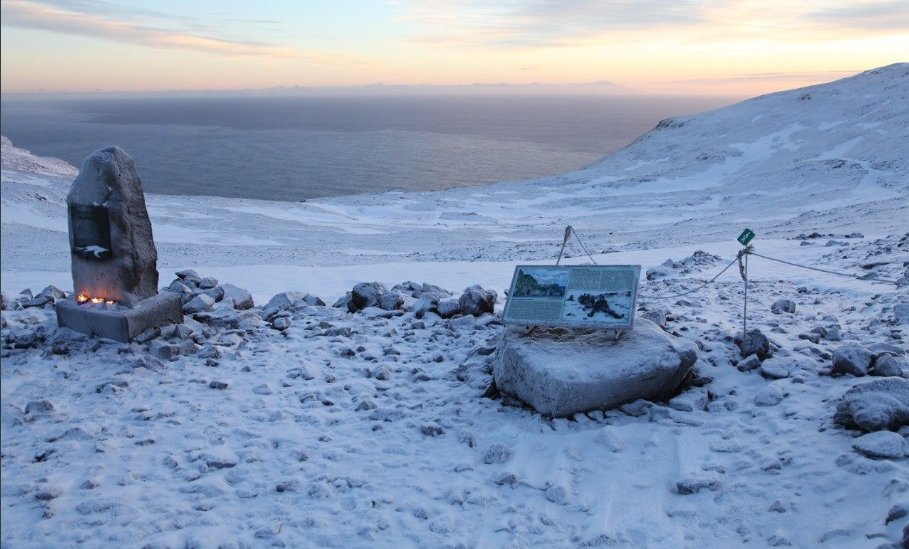
6/10 I've always though that the name "Dhoon" was very spooky. The Dhoon got itself in trouble in a storm off the Westfjords of Iceland. The boat crashed into rocks at the summit of sheer cliffs.
7/10 Things on the Dhoon got so desperate that the crew lashed their arms to the guard rails of the trawler as not to get washed overboard. Unfortunately where Fred, the skipper and mate lashed themselves to, got blown away by waves and wind. Fred was never seen again.
8/10 But the tale does not end there. There were still 12 crew onboard battling for their lives. Their salvation came in the form of a group of Icelandic farmers for whom the word "brave" does not even begin to describe them.
9/10 In a gale force storm these rescuers using ropes and scaling the cliffs rescued the rest of the crew. I personally know people who would not be here if it wasn't for the actions of those farmers.
10/10 There is a memorial to the rescue and every so often the farmers that live in the area light three candles there (Not four candles 😂) and one of them is for Fred. So cheers @thisisiceland and here's to you Great grandad Fred! @UKinIceland

More from History

This is THEFT!

Indians had Algebra BEFORE Mμslim prophet & religion was even born.

Here is Bakhshali Manuscript dating back to 3rd century CE. It is an Algebraic treatise. Have you anything like this from the Arabian desert? No, you simply plagiarized Algebra from Indians! https://t.co/cWXRNYMgDt


The Bakhshali manuscript, which has been carbon dated to 3rd century CE, is an ancient Hindu treatise on Arithmetic and Algebra.

The Algebraic problems deal with simultaneous equations, quadratic equations, arithmetic
geometric progressions & quadratic indeterminate equations.


Bakhshali isn't earliest Indian Algebraic treatise. Early Algebra is found in Shulba Sutras dating back to at least 800 BC. Traditional Algebra reached its pinnacle in the works of Aryabhata & Bhaskara.

What makes Bakhshali special is it offers mathematical proof to its theories


It is surprising to see that even after the ancient Indian algebraic treatise has been carbon dated to 3rd century CE by Oxford, they persist with "oh we invented Algebra. It is Halal".

A brief examination of the origins of "Halal Algebra" follows

https://t.co/eFIZ98FDrI


The earliest work of "Arabic Algebra" is the "Al-Kitāb Al-Jabr wal-muqābala" by Al Khwarizmi. The term "Algebra" comes from this book ("Al Jabr").

Before writing his treatise, Al Khwarizmi visited India. His book is a plagiarism from Indian Mathematics and an obvious one at that

You May Also Like

#ஆதித்தியஹ்ருதயம் ஸ்தோத்திரம்
இது சூரிய குலத்தில் உதித்த இராமபிரானுக்கு தமிழ் முனிவர் அகத்தியர் உபதேசித்ததாக வால்மீகி இராமாயணத்தில் வருகிறது. ஆதித்ய ஹ்ருதயத்தைத் தினமும் ஓதினால் பெரும் பயன் பெறலாம் என மகான்களும் ஞானிகளும் காலம் காலமாகக் கூறி வருகின்றனர். ராம-ராவண யுத்தத்தை


தேவர்களுடன் சேர்ந்து பார்க்க வந்திருந்த அகத்தியர், அப்போது போரினால் களைத்து, கவலையுடன் காணப்பட்ட ராமபிரானை அணுகி, மனிதர்களிலேயே சிறந்தவனான ராமா போரில் எந்த மந்திரத்தைப் பாராயணம் செய்தால் எல்லா பகைவர்களையும் வெல்ல முடியுமோ அந்த ரகசிய மந்திரத்தை, வேதத்தில் சொல்லப்பட்டுள்ளதை உனக்கு

நான் உபதேசிக்கிறேன், கேள் என்று கூறி உபதேசித்தார். முதல் இரு சுலோகங்கள் சூழ்நிலையை விவரிக்கின்றன. மூன்றாவது சுலோகம் அகத்தியர் இராமபிரானை விளித்துக் கூறுவதாக அமைந்திருக்கிறது. நான்காவது சுலோகம் முதல் முப்பதாம் சுலோகம் வரை ஆதித்ய ஹ்ருதயம் என்னும் நூல். முப்பத்தி ஒன்றாம் சுலோகம்

இந்தத் துதியால் மகிழ்ந்த சூரியன் இராமனை வாழ்த்துவதைக் கூறுவதாக அமைந்திருக்கிறது.
ஐந்தாவது ஸ்லோகம்:
ஸர்வ மங்கள் மாங்கல்யம் ஸர்வ பாப ப்ரநாசனம்
சிந்தா சோக ப்ரசமனம் ஆயுர் வர்த்தனம் உத்தமம்
பொருள்: இந்த அதித்ய ஹ்ருதயம் என்ற துதி மங்களங்களில் சிறந்தது, பாவங்களையும் கவலைகளையும்


குழப்பங்களையும் நீக்குவது, வாழ்நாளை நீட்டிப்பது, மிகவும் சிறந்தது. இதயத்தில் வசிக்கும் பகவானுடைய அனுக்ரகத்தை அளிப்பதாகும்.
முழு ஸ்லோக லிங்க் பொருளுடன் இங்கே உள்ளது
https://t.co/Q3qm1TfPmk
சூரியன் உலக இயக்கத்திற்கு மிக முக்கியமானவர். சூரிய சக்தியால்தான் ஜீவராசிகள், பயிர்கள்
I just finished Eric Adler's The Battle of the Classics, and wanted to say something about Joel Christiansen's review linked below. I am not sure what motivates the review (I speculate a bit below), but it gives a very misleading impression of the book. 1/x


The meat of the criticism is that the history Adler gives is insufficiently critical. Adler describes a few figures who had a great influence on how the modern US university was formed. It's certainly critical: it focuses on the social Darwinism of these figures. 2/x

Other insinuations and suggestions in the review seem wildly off the mark, distorted, or inappropriate-- for example, that the book is clickbaity (it is scholarly) or conservative (hardly) or connected to the events at the Capitol (give me a break). 3/x

The core question: in what sense is classics inherently racist? Classics is old. On Adler's account, it begins in ancient Rome and is revived in the Renaissance. Slavery (Christiansen's primary concern) is also very old. Let's say classics is an education for slaveowners. 4/x

It's worth remembering that literacy itself is elite throughout most of this history. Literacy is, then, also the education of slaveowners. We can honor oral and musical traditions without denying that literacy is, generally, good. 5/x