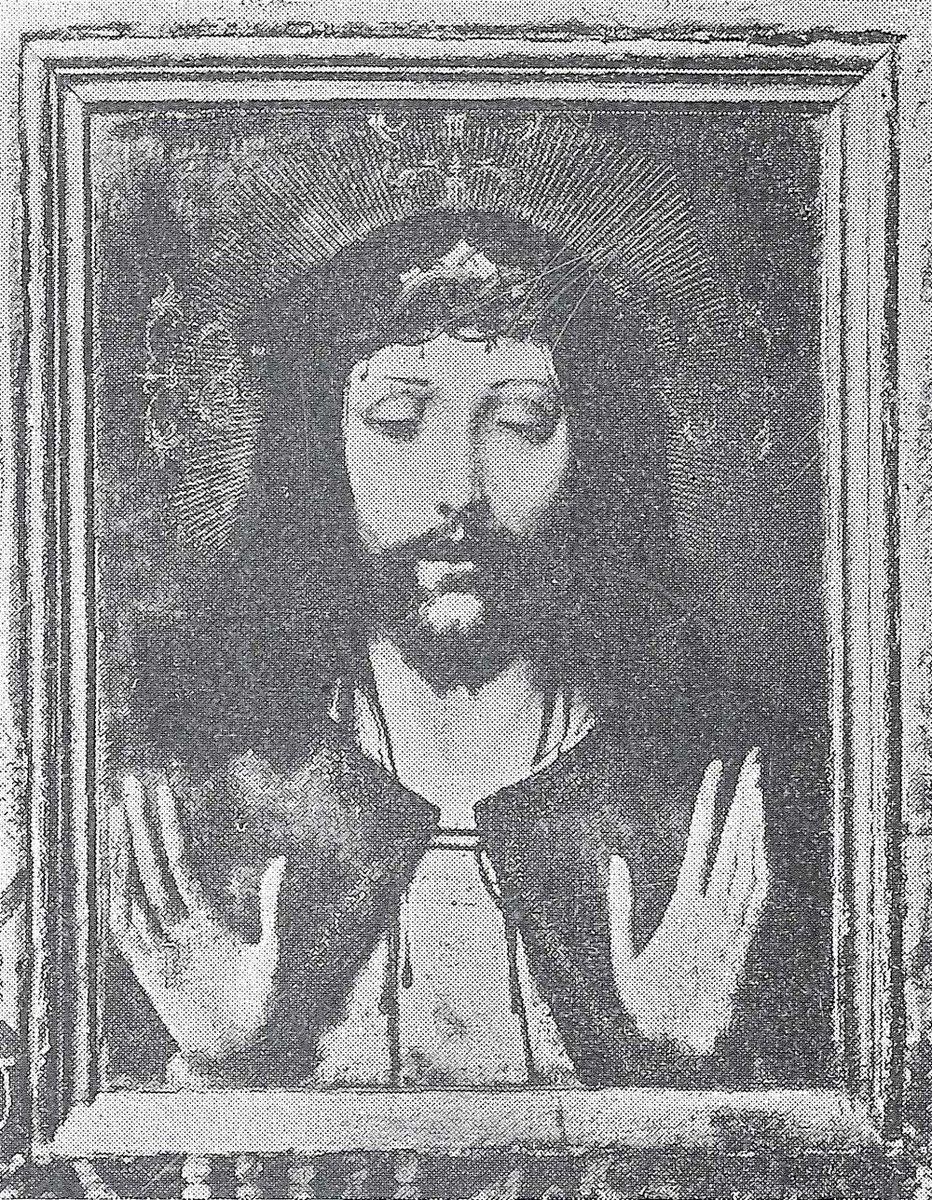
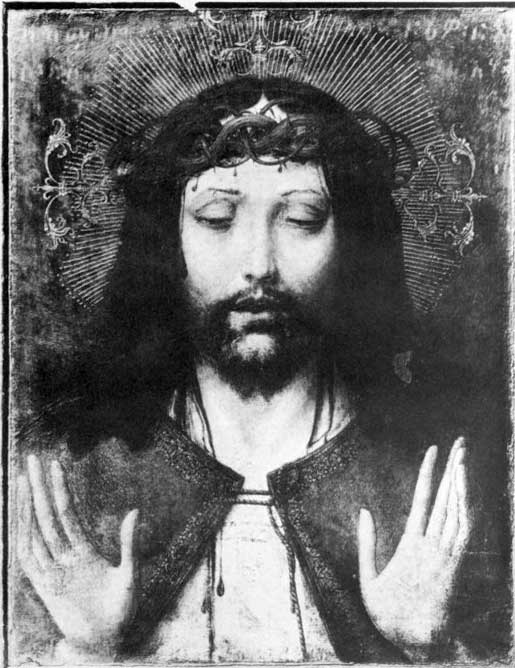
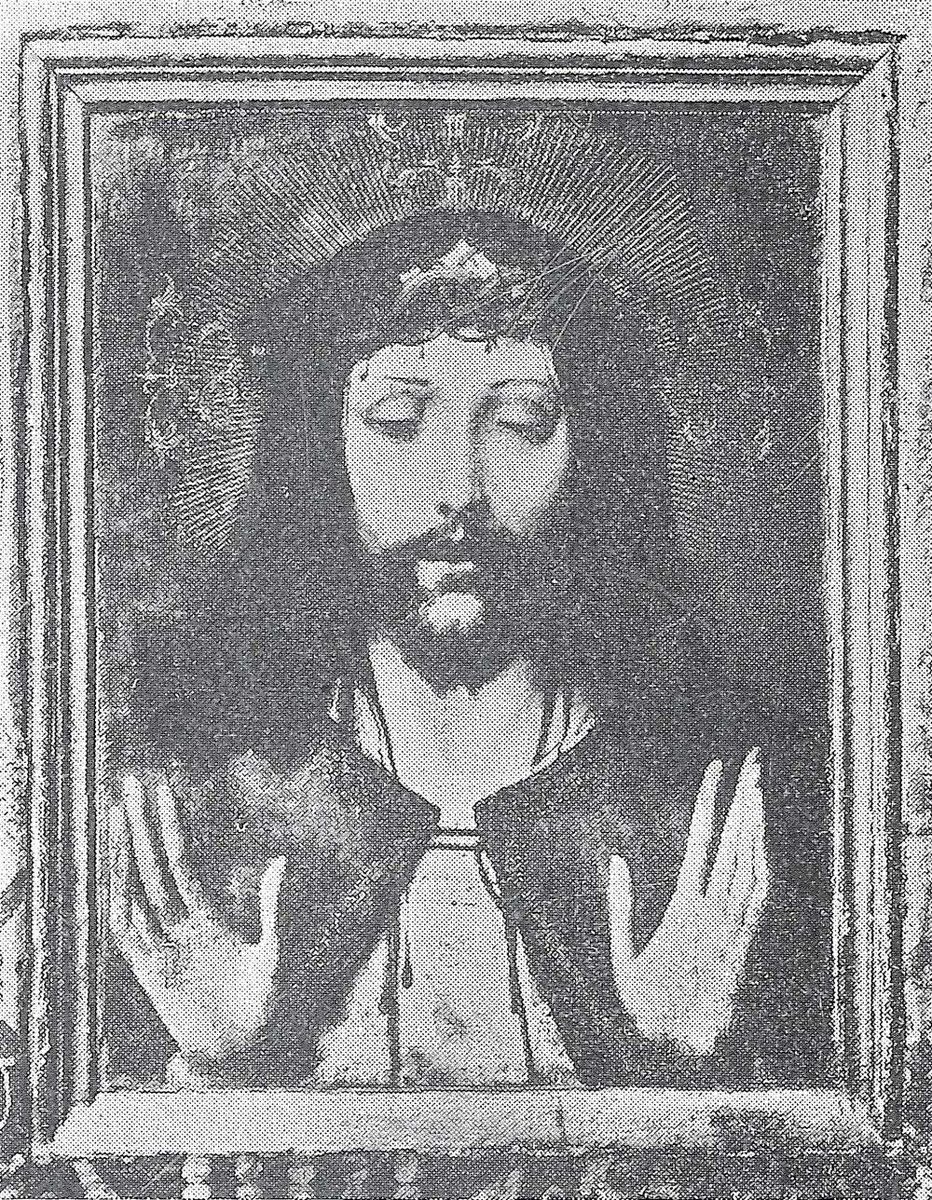
The greatest treasure looted from the Ethiopian people at Maqdala in 1868 isn't in the BL or V&A. The Kwer'ata Re'esu, the most sacred icon of the Ethiopian people, was stolen by a representative of the Queen, later sold by his heirs & remains hidden in a bank vault today. 1/10

The original painting, by an unknown Renaissance master, was brought to Ethiopia in the 16th century and became the talismanic icon of the Ethiopian people, a symbol of Imperial authority. Oaths were sworn on it & it was carried into battle at the head of the Emperor’s army. 2/10
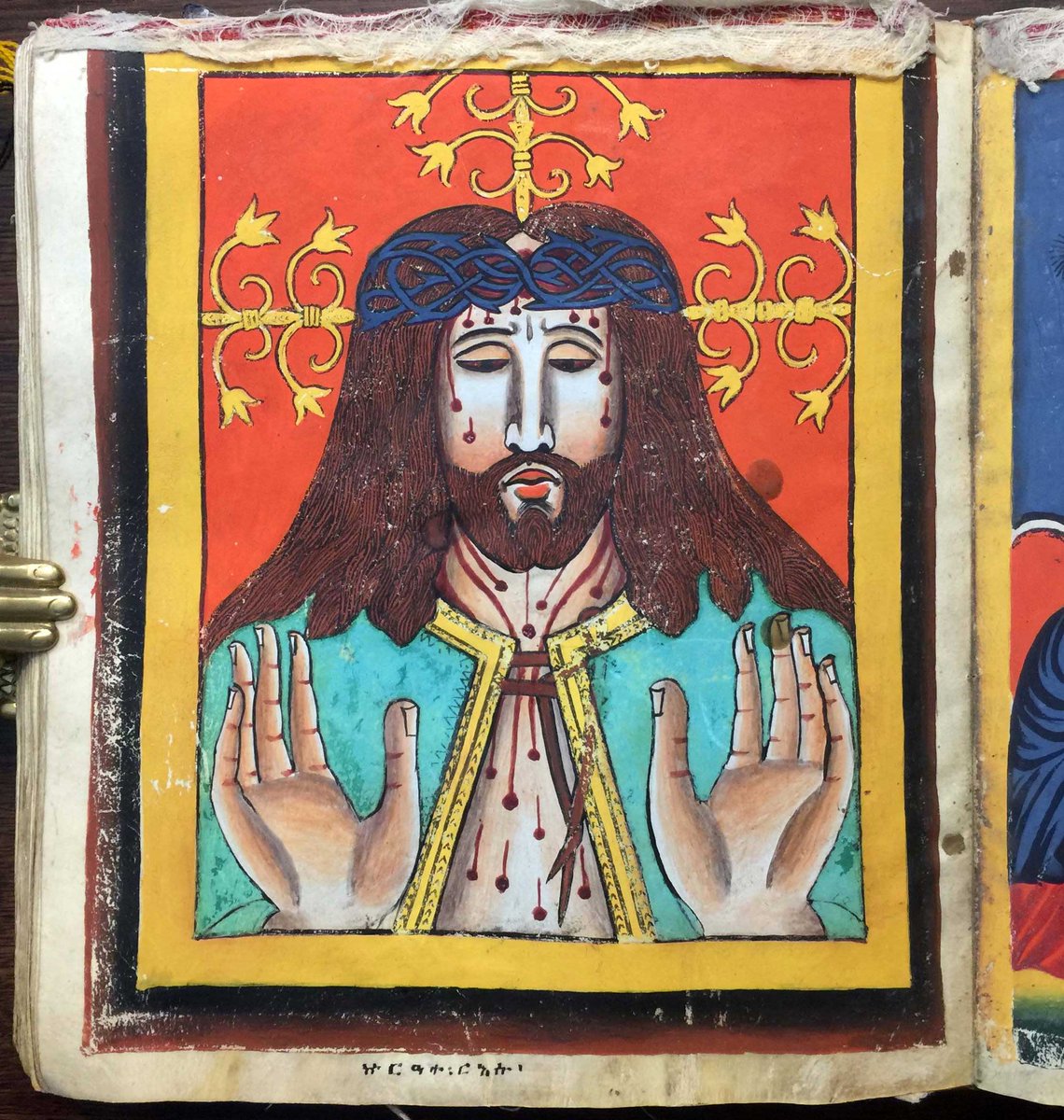
Copes of the Kwer'ata Re'esu icon are ubiquitous in early Ethiopian art - here is one painted in the so-called Second Gondarene style in a late 17th century manuscript. 3/10
Its importance to the Ethiopian people is incalculable. In 1744 it was captured in a battle with Sudanese Muslims & later returned on payment of a ransom. James Bruce, a visitor to Ethiopia in 1768, wrote: "all Gondar was drunk with joy" on the return of the "quarat rasou”. 4/10
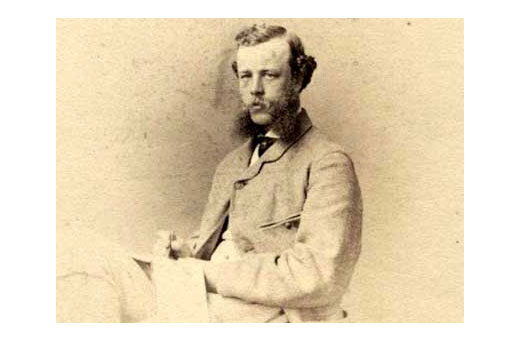
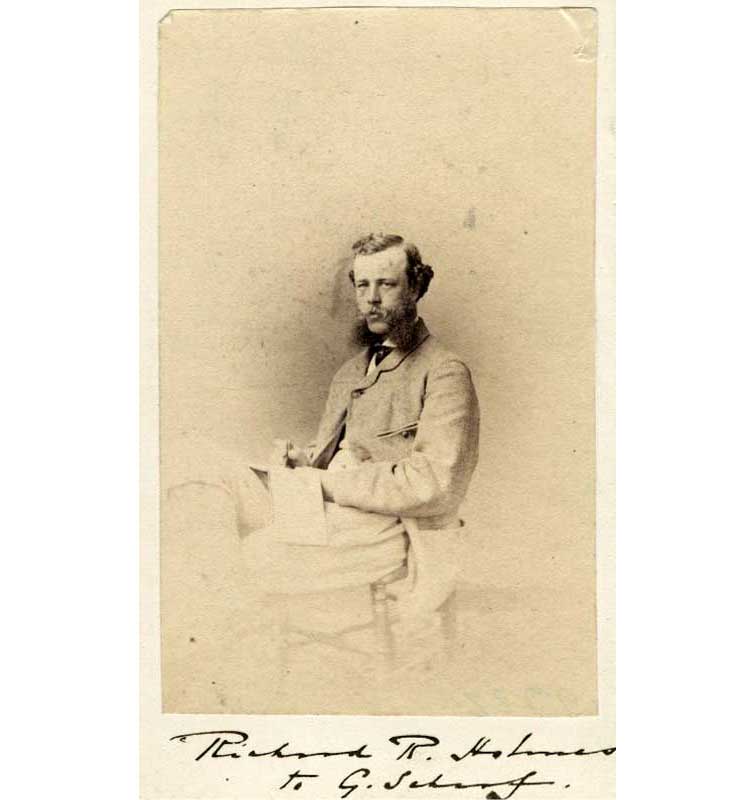
After the Siege of Maqdala it was stolen from the Emperor Tewodros' palace by Sir Richard Rivington Holmes of the BM, later the Royal Librarian at Windsor Castle, who took the painting - not for the British Museum or the Royal Collection - but for his own private collection. 5/10
Today, Sir Richard Rivington Holmes' portrait has an honoured place in the National Portrait Gallery, and there is - astonishingly - no mention of his theft of this cultural treasure on the Wikipedia page devoted to him. 6/10
https://t.co/2wTmkkpAAE
In 1917, Sir Richard’s widow put the painting up for auction, where it was bought anonymously and remained in obscurity until it reappeared at a 1950 Christie's auction. It was badly miscatalogued and thus unsold, but was later purchased by a London dealer for £131. 7/10
This London dealer re-sold it for £315 to the Portuguese art historian, Luis Reis Santos, who knew its value because he had written an article about it in 1941.

It is believed that it remains with his family until today, locked in a bank vault in Portugal. 8/10
When the art historian Martin Bailey saw it in this Portuguese bank vault in 1993 - the last known sighting - he noted an inscription written in ink on the silk backing of the canvas which said: "R R Holmes/FSA/Magdala 13 April 1868/taken from the palace of Theodorus.” 9/10
The moral, ethical and political case for the return of this sacred icon is overwhelming, and unanswerable. It's time to return this national and spiritual treasure to the Ethiopian people, to whom it rightfully belongs. 10/10
What makes the owner's apparent refusal to negotiate a return of this icon to Ethiopia doubly frustrating, is that its realistic commercial value is low, due to the negative PR and likely legal action that would certainly follow were it to be offered by any major auction house.

More from History

Rush Catalog
Emotion Detector (1985, Power Windows)
https://t.co/3U3Ol6tMHU
#RushFamily
@RushFamTourneys
What's your grade of this song?

https://t.co/3U3Ol6Lo6u

Lyrics:

When we lift the covers from our feelings
We expose our insecure spots
Trust is just as rare as devotion —
Forgive us our cynical thoughts
If we need too much attention —
Not content with being cool
We must throw ourselves wide open
And start acting like a fool

If we need too much approval
Then the cuts can seem too cruel

Right to the heart of the matter
Right to the beautiful part
Illusions are painfully shattered
Right where discovery starts
In the secret wells of emotion
Buried deep in our hearts

It’s true that love can change us
But never quite enough
Sometimes we are too tender
Sometimes we’re too tough
If we get too much attention
It gets hard to overrule
So often fragile power turns
To scorn and ridicule
Sometimes our big splashes
Are just ripples in the pool

You May Also Like