Regional differences are important & due to very large variations in feed digestibility, slaughter age & weight, climate conditions, management, sociocultural factors, & nutrient security.
Are #vegan diets really the 'single biggest way' to reduce our carbon footprints & environmental impact on the planet? We argue that this is a highly misleading claim & that the evaluation of dietary change comes with a lot of context & complexity
🧐📑➡️: https://t.co/kYGeTpy8UP
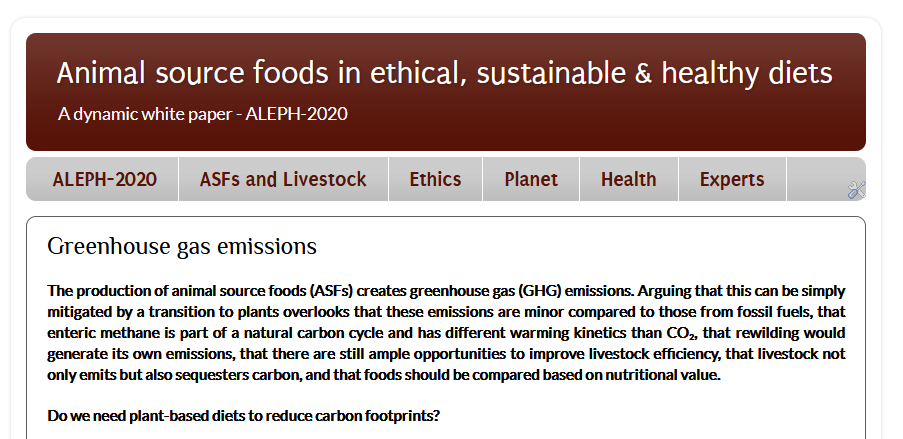
Regional differences are important & due to very large variations in feed digestibility, slaughter age & weight, climate conditions, management, sociocultural factors, & nutrient security.
A lot of margin is left for higher productivity, feed strategies, veterinary care, smart use of manure, & herd management. A reduction of waste, the re-use of meat-processing by-products, & the valorization of biogas also hold potential.
For Westerners, the effect isn't only small on a yearly basis (1-6%) but especially so on a lifetime of emissions. Some vegetarians may even have higher impacts than some omnivores. Mock products do not solve the issue.
Taking a flight, for instance, easily offsets one or more years of veganism. Yet, cars, tourism, pets, & smart phones receive little attention in comparison to the dietary quick-fix claims.
The higher carbon footprint of nutrient-dense foods can (partially) be offset by a higher nutritional value. Policies that would reduce GHG emissions but are nutritionally harmful or incomplete should be dismissed.
Given that proper grassland management improves soil carbon stocks, offsetting of emissions can be substantial (& sometimes complete). This is commonly overlooked in conventional assessments & GHG inventory reports.
Both are good, but potential is limited. Rewilding would replace livestock with other methanogenic animals. Massive afforestation overlooks practical constraints & is not necessarily more effective than grasslands.
Beef is excessively blamed. Yet, methane from ruminants is part of a biological cycle which doesn't bring in new carbon or add to warming, provided there is no increase in emissions/herd size. It should be considered as such.
LCAs usually do not factor in non-edible products & services associated with livestock production (eg hides, wool, fats, organs, milk, bone, serum, manure, draught power, etc), which would further lower the carbon footprint of animal foods.
More background, details & examples for each of the above-listed 8 points can be found on this website (backed up with links to scientific studies): https://t.co/kYGeTpy8UP
More from Health

1/
Remember woman who tuk multiple @SriSriTattva products 4 range of problems frm diabetes 2 gas 2 liver disease & developed liver failure, listed for liver transplant?
Here is original thread:
https://t.co/PXxI1Slyv2
23 samples, Analysis results
#MedTwitter #livertwitter

2/
Before I go into results, I must say this was overwhelming. There was SO MUCH the lab identified, impossible to put everything here. So I made a summary. At the end of this thread, I have linked a full analysis described in Excel format. Some results were VERY concerning
3/
How did we analyse?
Here R links 2 methods
They R high end, done under strict protocols
Frm Ministry of Forest, Environment, Climate / NABL approvd Lab
ICP-OES https://t.co/O1CLhqVQAu
GC MSMS https://t.co/zRJoXyWQIr
FTIR https://t.co/goAembQ08p
Here is list V analysed 👇
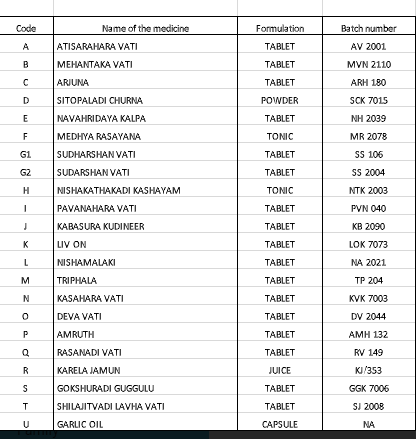
4/
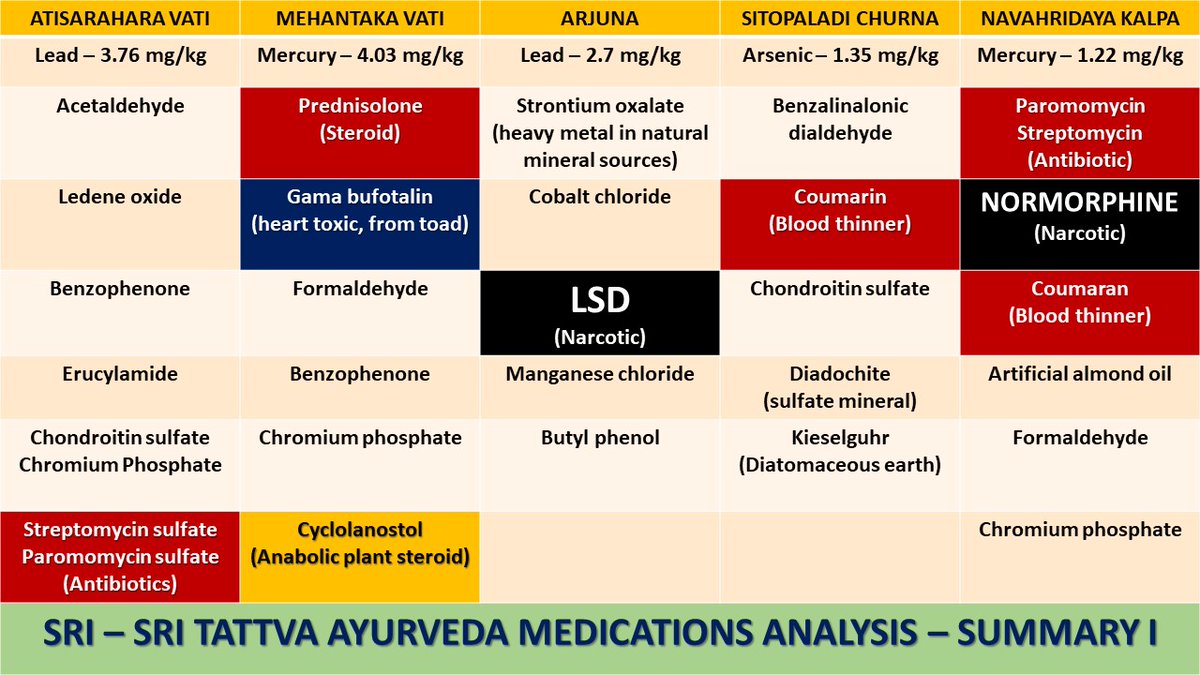
Sample names written on top (each column).
First 5 samples: C what we identified in #Ayurveda #medicines
Antibiotics
Steroids (anabolic/synthetic)
#NARCOTICS - LSD, Morphine
Blood thinners (possible reason Y bleeding tests were off the roof in the patient)
Heavy metals!
5/
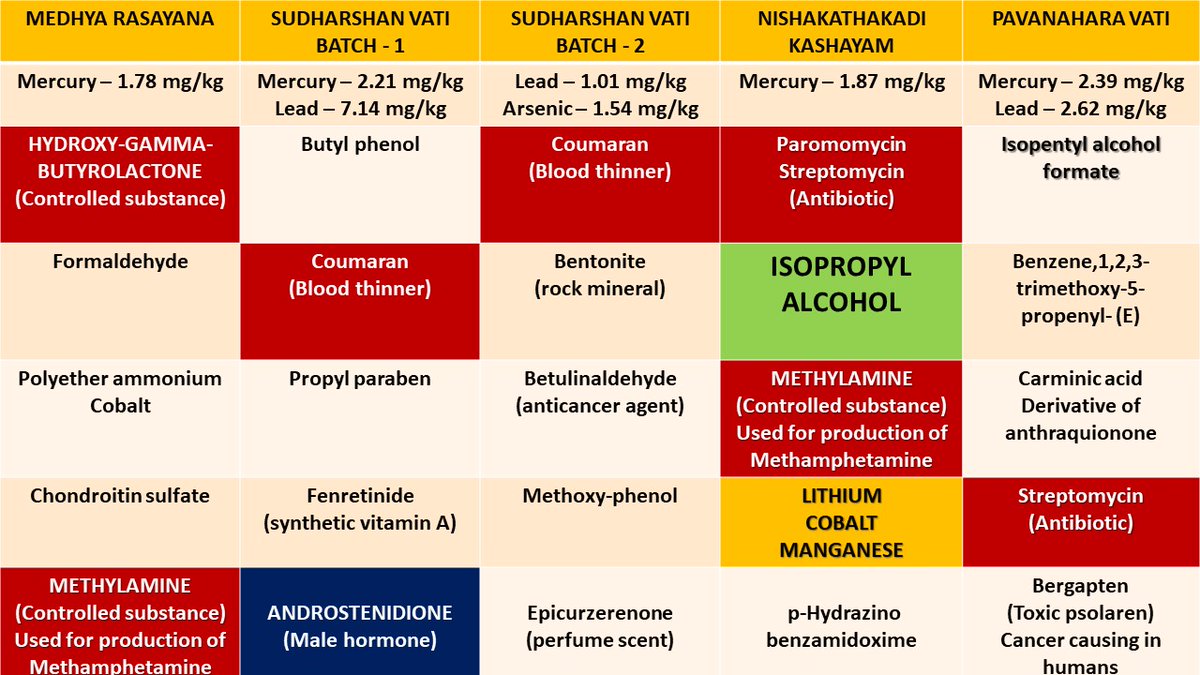
Next 5 samples (total 10 now)
Mercury is clear winner. Almost all samples
See controlled substances - Butyrolactones https://t.co/CPz0FwPEOm, methylamine https://t.co/OZnXY7U9UQ
Alcohols, industrial solvents
Rare metals - cobalt, lithium
Again lots of blood thinners
#Ayush
Remember woman who tuk multiple @SriSriTattva products 4 range of problems frm diabetes 2 gas 2 liver disease & developed liver failure, listed for liver transplant?
Here is original thread:
https://t.co/PXxI1Slyv2
23 samples, Analysis results
#MedTwitter #livertwitter
Middle-aged woman wit jaundice (bilirubin 34), liver failure. Liver #Transplant this week.
— (Cyriac) Abby Philips (@drabbyphilips) December 7, 2020
\U0001f633Cause\U0001f447#Ayurveda #medicines total 23\U0001f616 by @SriSriTattva & @SriSri 3-6 mnth 4 sugar, pressure, #COVID19 #ImmuneBoosters, #memory, #liver tonic.
Sent 4 analysis.#livertwitter #MedTwitter pic.twitter.com/uz3FCiVJ3f
2/
Before I go into results, I must say this was overwhelming. There was SO MUCH the lab identified, impossible to put everything here. So I made a summary. At the end of this thread, I have linked a full analysis described in Excel format. Some results were VERY concerning
3/
How did we analyse?
Here R links 2 methods
They R high end, done under strict protocols
Frm Ministry of Forest, Environment, Climate / NABL approvd Lab
ICP-OES https://t.co/O1CLhqVQAu
GC MSMS https://t.co/zRJoXyWQIr
FTIR https://t.co/goAembQ08p
Here is list V analysed 👇
4/
Sample names written on top (each column).
First 5 samples: C what we identified in #Ayurveda #medicines
Antibiotics
Steroids (anabolic/synthetic)
#NARCOTICS - LSD, Morphine
Blood thinners (possible reason Y bleeding tests were off the roof in the patient)
Heavy metals!
5/
Next 5 samples (total 10 now)
Mercury is clear winner. Almost all samples
See controlled substances - Butyrolactones https://t.co/CPz0FwPEOm, methylamine https://t.co/OZnXY7U9UQ
Alcohols, industrial solvents
Rare metals - cobalt, lithium
Again lots of blood thinners
#Ayush