New NHS reforms announced today. Seems to be a story of two parts, plus a missing character. Quick thoughts (1/):
https://t.co/GChxwuvEF4
https://t.co/0tYunQaWkz
https://t.co/bMB9vvZm8t
(12/12) @HealthFdn
More from Health


Thread on how atheism leads to mental retardation (backed with medical citations🧵💉)
To start with, atheism is an unnatural self-contradicting doctrine.
Medical terminology proves that human beings are naturally pre-disposed to believe in God. Oxford scientists assert that people are "born believers".
https://t.co/kE0Fi588yn
https://t.co/OqyXcGIMJn

It should be known that atheism could never produce an intelligently-functioning society and neither ever will.
Contrastingly, Islam produced several intellectuals & polymaths, was on the forefront of scientific development, boasting 100% literacy
It is also scientifically proven that atheism led to lesser scientific curiosity and scientific frauds, which is also why atheists incline to pseudo-science.
Whereas, religion in general and Islam in particular boosted education.
https://t.co/19Onc84u3g

Atheists are also likely to affected by pervasive mental and developmental disorders like high-functioning autism.
Cognitive Scientists and renowned Neurologists found that more atheism is leads to greater autism.
https://t.co/zRjEyFoX3P

To start with, atheism is an unnatural self-contradicting doctrine.
Medical terminology proves that human beings are naturally pre-disposed to believe in God. Oxford scientists assert that people are "born believers".
https://t.co/kE0Fi588yn
https://t.co/OqyXcGIMJn
It should be known that atheism could never produce an intelligently-functioning society and neither ever will.
Contrastingly, Islam produced several intellectuals & polymaths, was on the forefront of scientific development, boasting 100% literacy
If the Muslim world had not existed, there literally would be no technology/achievements today.
— Starks\u262a\ufe0f\U0001f1f9\U0001f1e9 (@MegaIntelIect) January 8, 2021
Science only developed because of Islam, Europe should be grateful to Islam for civilizing their barbaric cult.
Source: The Caliph's Splendor, Pg 204-05 https://t.co/HVypO52Tpc pic.twitter.com/00jYSbaDSs
It is also scientifically proven that atheism led to lesser scientific curiosity and scientific frauds, which is also why atheists incline to pseudo-science.
Whereas, religion in general and Islam in particular boosted education.
https://t.co/19Onc84u3g
Atheists are also likely to affected by pervasive mental and developmental disorders like high-functioning autism.
Cognitive Scientists and renowned Neurologists found that more atheism is leads to greater autism.
https://t.co/zRjEyFoX3P


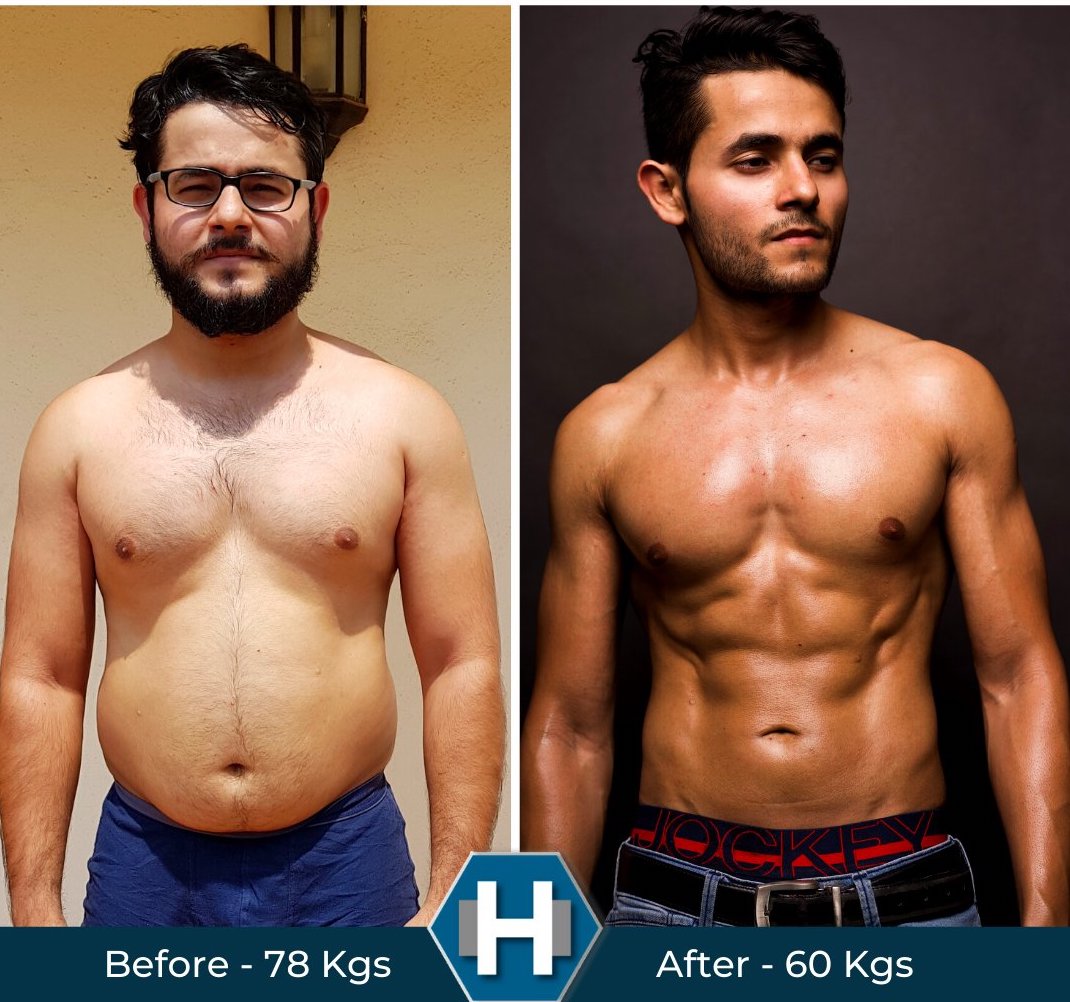
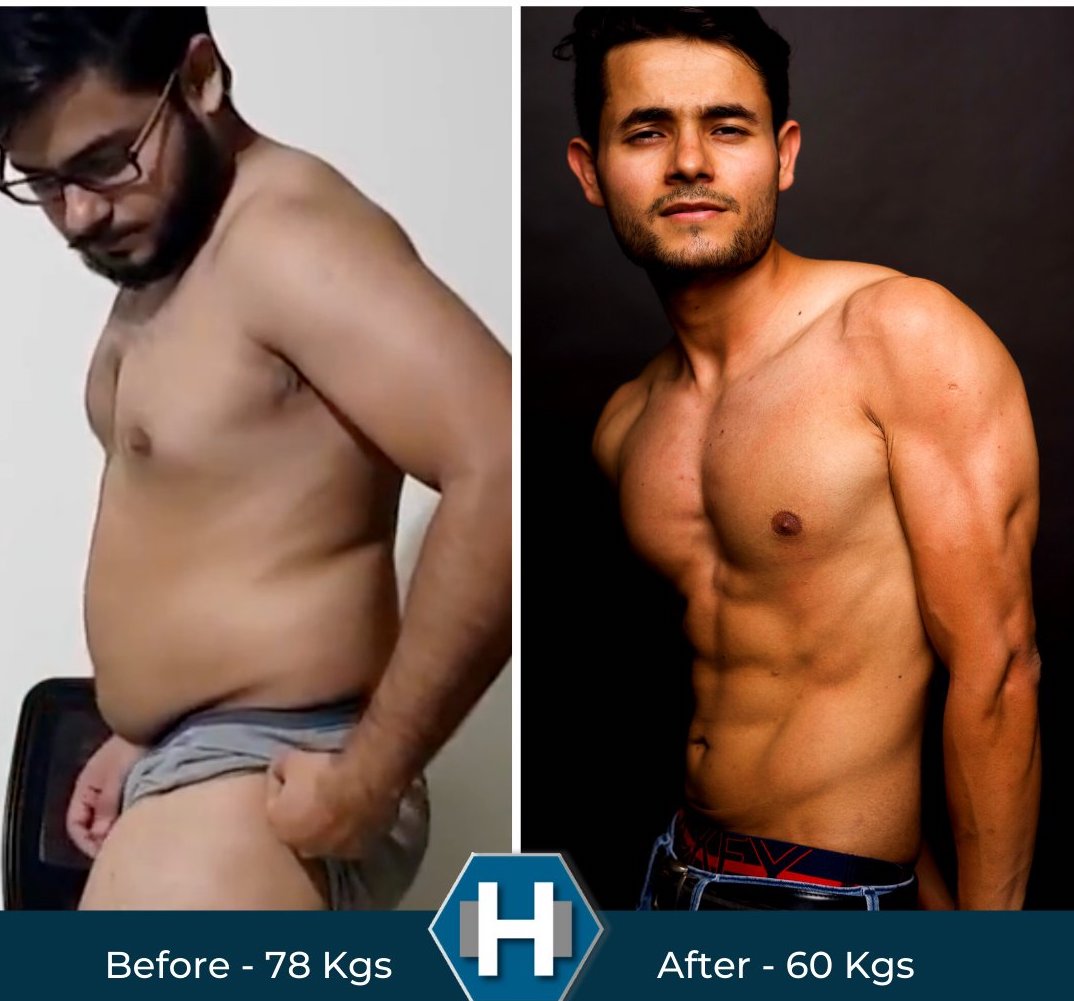

On 18.12.2020, computer engineer @FitTuber shared @YouTube video titled "10 Safe & Useful Ayurvedic Tablets to Replace Allopathic Pills (Instant Relief)". The drugs he promoted were by @baidyanathgroup, not sure if it was paid promotion. I bought them:
https://t.co/w6Sh2pMvJf
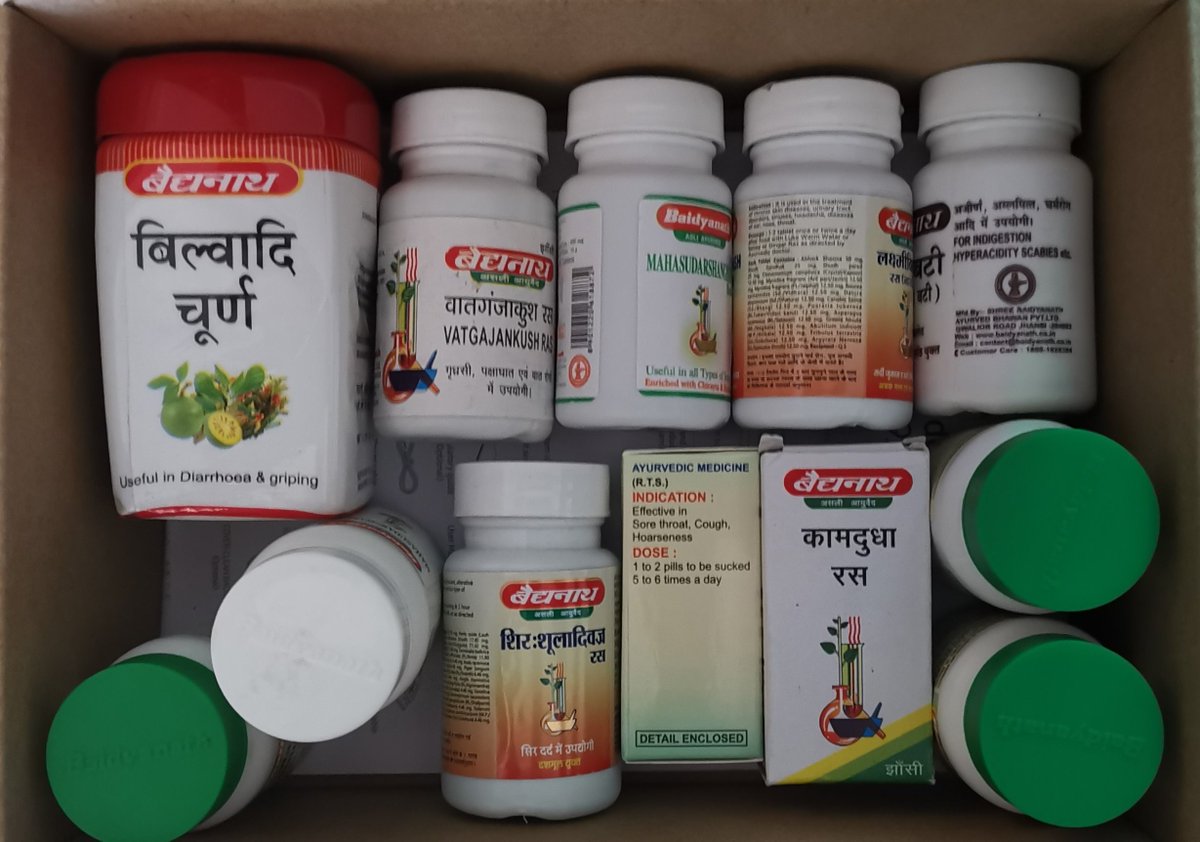
10 drugs, details, batch numbers R given in pic👇. All by @baidyanathgroup exept 1 by https://t.co/tg46sBhJr2
We did GCMSMS, ICP-OES and FTIR analyses on these samples. Here are my 10 safer modern medicine alternatives 2 @FitTuber's untested, potentially harmful #Ayurvedic drugs
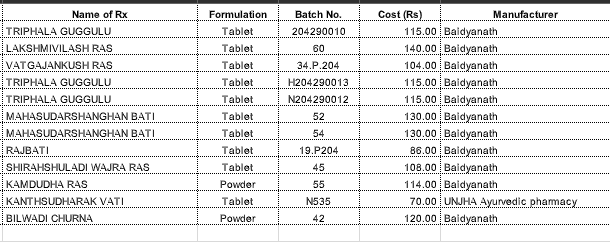
Kanthsudharak Vati by Unjha Pharma
@FitTuber: 4 sorethroat, cold, cough
Analysis: Lead 0.54 mg/kg, Cadmium 0.4 mg/kg, Thallium 0.71 mg/kg and industrial phenols.
Low values, but not ideal.
Safe alternative: Levocetrizine & non-sedative cough syrup Levodropropizine
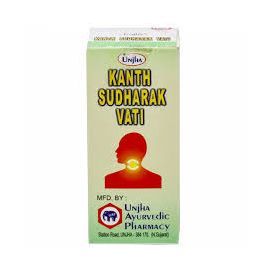
Baidyanath Rajbati
@Fittuber: for bloating, gas
Analysis:
Mercury 1.2 mg/kg
Arsenic 2.25 mg/kg
Male anabolic hormone - hydroxy testosterone+
Curcumin
Talc powder
Safer alternative: activated charcoal+simethicone (non-absorbed, no side effects) or short course esomeprazole.
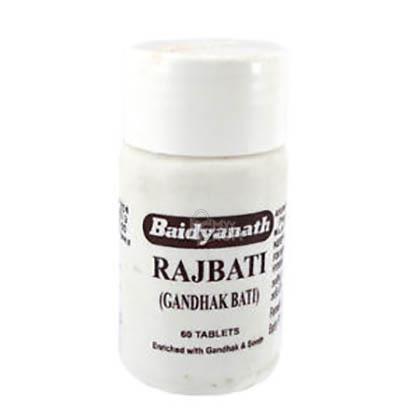
Baidyanath Bilwadi Choorna
@Fittuber - 4 diarrhoea
Analysis
Thallium 3.68 mg/kg
[fun fact: 10-15 mg/kg is lethal dose for humans. Death can occur at lower dosages] https://t.co/9ozOKROhCK
Fenretinide - synthetic anti-cancer drug
Liver toxic chromium phosph.
Safer: Racecadotril
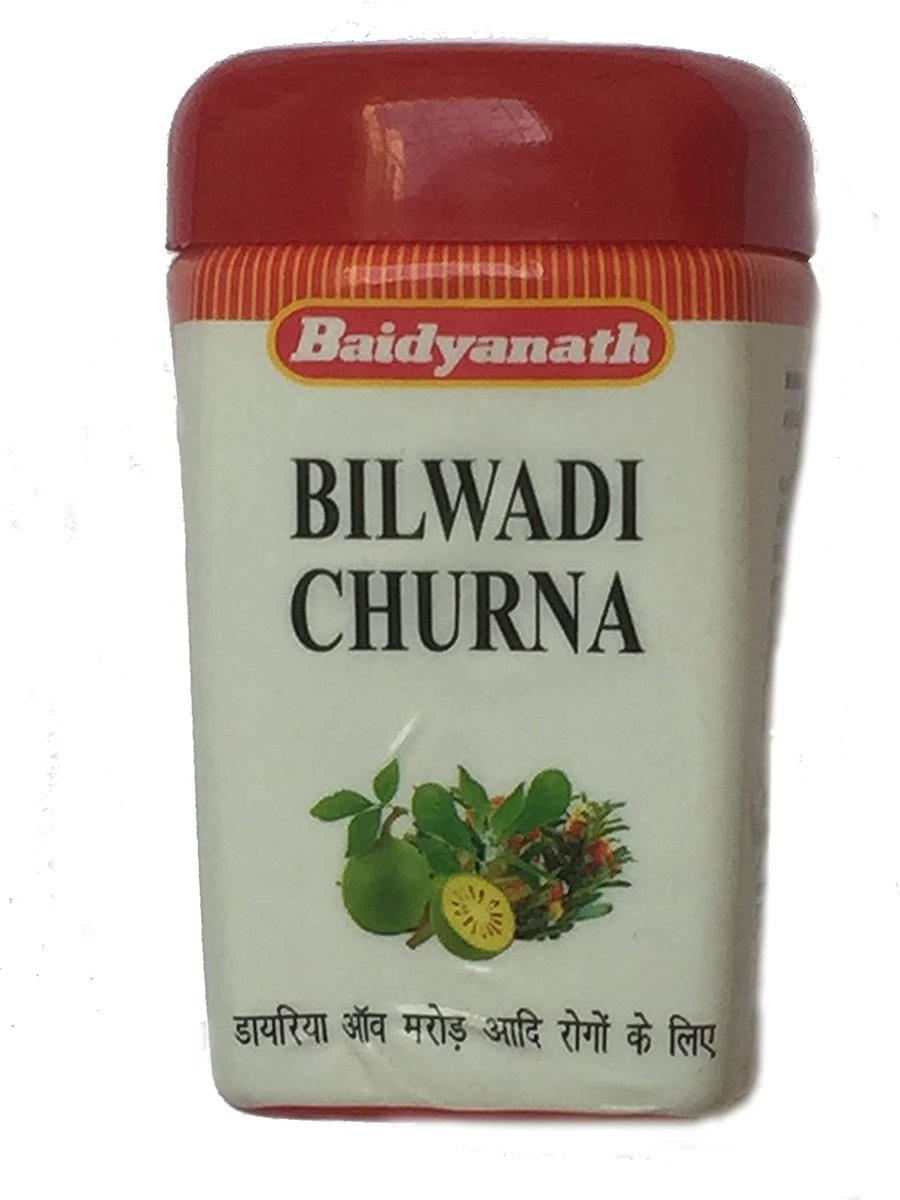
https://t.co/w6Sh2pMvJf
1
— (Cyriac) Abby Philips (@drabbyphilips) December 31, 2020
I followed @FitTuber advise and got all these #Ayurveda medicines which he outright claimed are '#safer', ''#effective' than conventional prescription drugs for day to day use. These will be tested for #safety first - will undergo GCMSMS, ICP-OES and FTIR analyses.#MedTwitter pic.twitter.com/IS2KrtsoO8
10 drugs, details, batch numbers R given in pic👇. All by @baidyanathgroup exept 1 by https://t.co/tg46sBhJr2
We did GCMSMS, ICP-OES and FTIR analyses on these samples. Here are my 10 safer modern medicine alternatives 2 @FitTuber's untested, potentially harmful #Ayurvedic drugs
Kanthsudharak Vati by Unjha Pharma
@FitTuber: 4 sorethroat, cold, cough
Analysis: Lead 0.54 mg/kg, Cadmium 0.4 mg/kg, Thallium 0.71 mg/kg and industrial phenols.
Low values, but not ideal.
Safe alternative: Levocetrizine & non-sedative cough syrup Levodropropizine
Baidyanath Rajbati
@Fittuber: for bloating, gas
Analysis:
Mercury 1.2 mg/kg
Arsenic 2.25 mg/kg
Male anabolic hormone - hydroxy testosterone+
Curcumin
Talc powder
Safer alternative: activated charcoal+simethicone (non-absorbed, no side effects) or short course esomeprazole.
Baidyanath Bilwadi Choorna
@Fittuber - 4 diarrhoea
Analysis
Thallium 3.68 mg/kg
[fun fact: 10-15 mg/kg is lethal dose for humans. Death can occur at lower dosages] https://t.co/9ozOKROhCK
Fenretinide - synthetic anti-cancer drug
Liver toxic chromium phosph.
Safer: Racecadotril