
https://t.co/kYCBzZt7IB
Yesterday saw the Government reach a compromise with Peers over the devolution aspects of the UK Internal Market Bill. The Lords were standing strong over an amendment on Common Frameworks - so what has been agreed & where do we go now? 🧵
https://t.co/kYCBzZt7IB
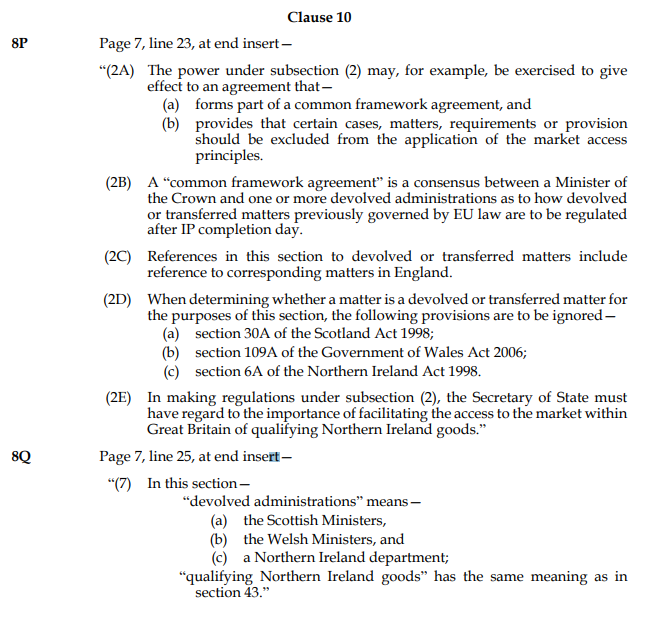
Both the Scottish and Welsh Parliaments have refused consent for the bill under the Sewel Convention. The SP is very unlikely to change it's mind, the Welsh? It's not looking promising 👇
https://t.co/21fAxMIJjQ
Hugely grateful to peers for their defence of devolution and acknowledge that UKG has moved a little.
— Jeremy Miles (@wg_CounselGen) December 15, 2020
But the Bill still allows UK Ministers to undermine right of @SeneddWales to make laws and policies which reflect the priorities of the people they serve.https://t.co/bpN3C1io8Q
Theses are 2 separate programme of work, the first run by BEIS, the second in policy departments with oversight from the Cabinet Office - but they are now linked in law. Serious thought must be given to make them coherent
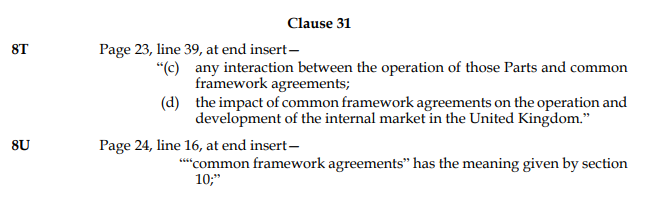
Intergovernmental disputes over the application of the UKIM bill are inevitable. Common frameworks have their own dispute resolution procedures, BEIS has structures & we're waiting on the outcome of the IGR review. Any processes must be fair
More from Government


You May Also Like













To people who are under the impression that you can get rich quickly by working on an app, here are the stats for https://t.co/az8F12pf02
📈 ~12000 vistis
☑️ 109 transactions
💰 353€ profit (285 after tax)
I have spent 1.5 months on this app. You can make more $ in 2 days.
🤷♂️

I'm still happy that I launched a paid app bcs it involved extra work:
- backend for processing payments (+ permissions, webhooks, etc)
- integration with payment processor
- UI for license activation in Electron
- machine activation limit
- autoupdates
- mailgun emails
etc.
These things seemed super scary at first. I always thought it was way too much work and something would break. But I'm glad I persisted. So far the only problem I have is that mailgun is not delivering the license keys to certain domains like https://t.co/6Bqn0FUYXo etc. 👌
omg I just realized that me . com is an Apple domain, of course something wouldn't work with these dicks
📈 ~12000 vistis
☑️ 109 transactions
💰 353€ profit (285 after tax)
I have spent 1.5 months on this app. You can make more $ in 2 days.
🤷♂️
I'm still happy that I launched a paid app bcs it involved extra work:
- backend for processing payments (+ permissions, webhooks, etc)
- integration with payment processor
- UI for license activation in Electron
- machine activation limit
- autoupdates
- mailgun emails
etc.
These things seemed super scary at first. I always thought it was way too much work and something would break. But I'm glad I persisted. So far the only problem I have is that mailgun is not delivering the license keys to certain domains like https://t.co/6Bqn0FUYXo etc. 👌
omg I just realized that me . com is an Apple domain, of course something wouldn't work with these dicks

