It's a beautiful Saturday on this Corona riddled planet. It's a good day to do the following:
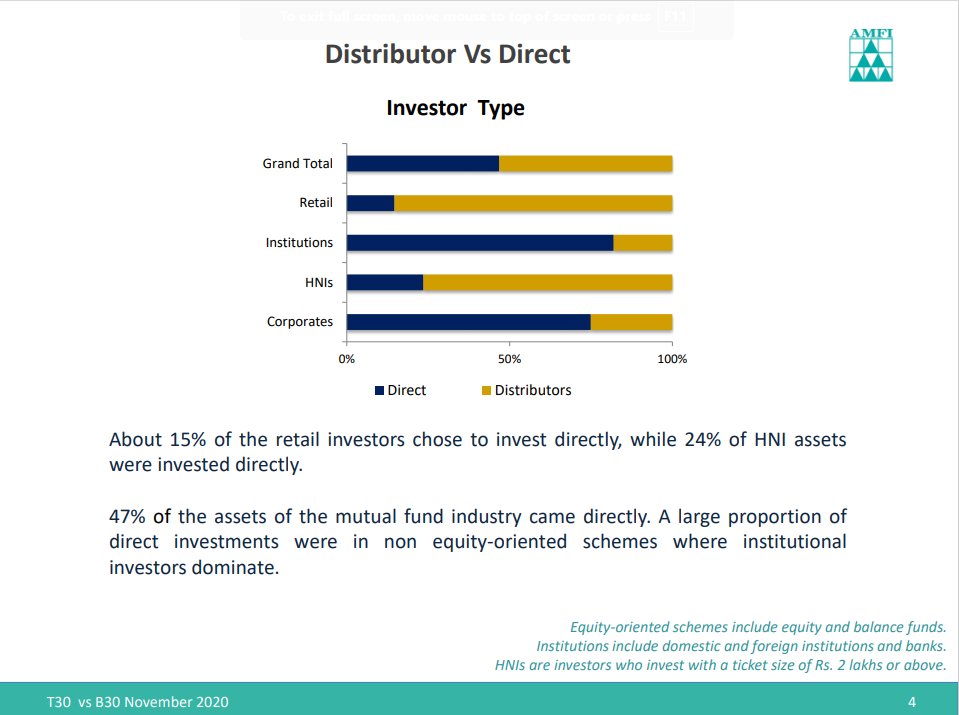
1. Open your account statement and find out how much commissions you are paying. You'd be paying anywhere between 0.7% to 1.3% extra over direct plans.

AND DON"T FUCKING WATCH CNBC, Zee Biz and listen to those gurus. They're on for one reason - to make money
https://t.co/JRsxckZKOJ
This is pretty wild and quite funny.
— Artificially intelligent fool \U0001f9e0 (@passivefool) January 13, 2021
A TV anchor was buying the stocks before he recommended them on TV the next day and got caught. https://t.co/DlBgykUh3t pic.twitter.com/8X1Cu0BfB0
If it's worth stick with your adviser. the better adviser would be someone who charges a flat fee but there are 7 of those in India. Look for one.
https://t.co/WgYK5P1at1
https://t.co/hRYFBGxy3O
More from Artificially intelligent fool 🧠



More from Finance






Buffett's letters taught me more about investing than any business school ever could.
Even after investing for 14 years, I uncover new insights every time I reread his letters.
Recently, I reread his letters from 1977 to 2020 for a third time.
Here are my key insights:

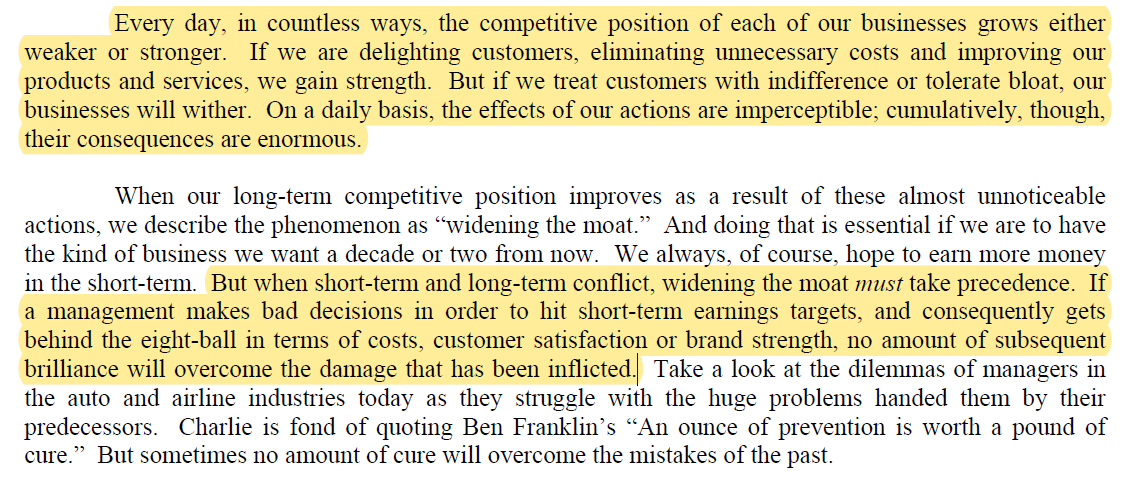
1. Moat is NEVER stagnant
A company's competitive position either grows stronger or weaker each day.
Widening the moat must always take precedence over short-term targets.
2. Commodity businesses
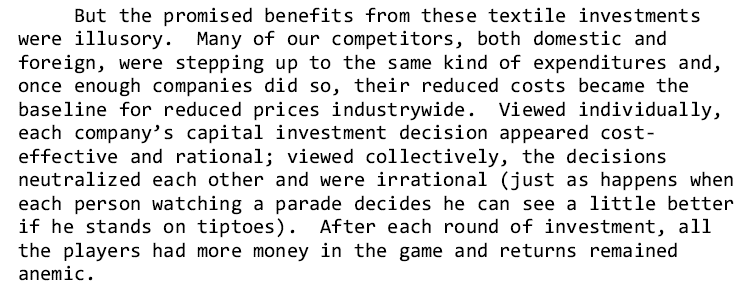
A business without moat will have its returns competed away.
Regardless of improvement, your competitors will quickly copy your advantage away.
Where returns on capital is dismal, reinvestment will only destroy value.
3. The flywheel effect
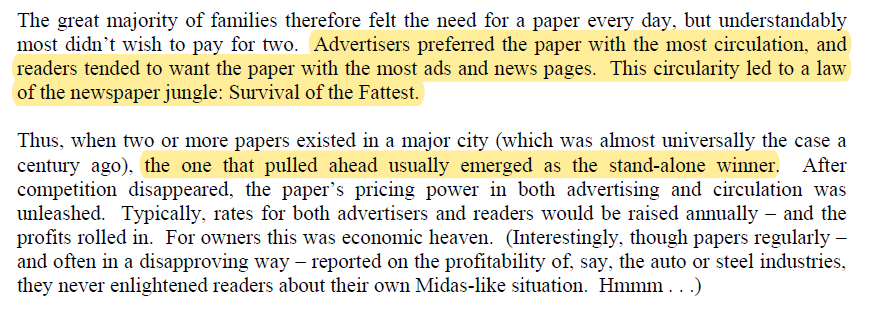
Buffett was preaching about the flywheel effect before it became cool.
Back then, newspapers were similar to today's platform businesses like Amazon, Meta, and App Store.
More readers beget more advertisers beget more readers.
4. Operating leverage
Companies with high fixed costs and low variable costs will see earnings rise faster than revenue.
However, it cuts both ways.
It becomes a disaster when revenue is declining.
Check out my article on how operating leverage works: https://t.co/Nv747oBAK0

Even after investing for 14 years, I uncover new insights every time I reread his letters.
Recently, I reread his letters from 1977 to 2020 for a third time.
Here are my key insights:
1. Moat is NEVER stagnant
A company's competitive position either grows stronger or weaker each day.
Widening the moat must always take precedence over short-term targets.
2. Commodity businesses
A business without moat will have its returns competed away.
Regardless of improvement, your competitors will quickly copy your advantage away.
Where returns on capital is dismal, reinvestment will only destroy value.
3. The flywheel effect
Buffett was preaching about the flywheel effect before it became cool.
Back then, newspapers were similar to today's platform businesses like Amazon, Meta, and App Store.
More readers beget more advertisers beget more readers.
4. Operating leverage
Companies with high fixed costs and low variable costs will see earnings rise faster than revenue.
However, it cuts both ways.
It becomes a disaster when revenue is declining.
Check out my article on how operating leverage works: https://t.co/Nv747oBAK0