A thread on Trump’s deplatforming and why I think the debate about it reveals the bankruptcy of contemporary free speech law. 1/17

Many of those who approve of the platforms’ decisions to ban Trump argue that current First A law grants speakers no right of access to privately owned property. and conclude that there is no free speech issue here. 2/17
They’re right on the doctrine: the Roberts Court has gone to extraordinary lengths to make clear that private actors enjoy total freedom under the First A to censor whatever speech they like. 3/17
But this wasn’t always the rule. Until the 1970s, the rule was that the First A limited the ability of private owners to exclude speakers from sufficiently important private speech forums. 4/17
And the current rule is a bad one! Today almost all of the important mass public speech forums are privately owned. Do we really want private companies to completely control who gets to speak in these vital public spaces? Surely not. 5/17
The problem is that the very rigid public/private distinction that First A law makes isn’t the only problem with the doctrine. The law also makes it incredibly difficult to sanction even very harmful lies and deception (AKA almost everything Trump says). 6/17
The result is that even those who might otherwise criticize the rigid public/private distinction in First A law—and there is a LOT to criticize—embrace it because it allows an exit ramp from the constitutional straitjacket. 7/17
But that sucks. I don’t want to have to choose between no regulation or Mark Zuckerburg as High God of Speech Control. 8/17
So far, the primary responses to the Trump bans have been 1) to celebrate; and 2) to urge the private companies to develop transparent and responsible speech policies. These are not the only responses available however! 9/17
We might use the occasion to think more deeply about the reasons why speech should be excluded from the mass public sphere, ignoring for now the question of who does the excluding. 10/17
A lot of people have argued that Trump engaged in incitement. But if so, it’s not incitement in the way the First A cases understand it (at least not is online speech—the rally on Jan 6 may be a different matter). 11/17
Take the tweets that Twitter relied upon to justify his ban: neither demand that supporters engage in imminent unlawful action. Nor is it obvious they were intended to achieve that result. 12/17 https://t.co/fH0mbErnqZ
This doesn’t mean the speech isn’t bad. Twitter claimed it “glorified violence.” I think the problem with those and other tweets is that they relied upon and perpetuated lies: that Trump’s supporters had been treated unfairly; that there was massive voter fraud; etc. 13/17
Lies are a serious problem for democracy, particularly when they come from our leaders. But it is not a problem that First A law gives us good tools to think about. This is because the cases are pretty confused about what to do about lies. 14/17
In some cases (defamation cases, advertising cases, fraud cases) the gov't has a lot of power to sanction speech that is false and/ or misleading. In other cases, the gov't has no power at all. It's not obvious there is a good reason for the difference. 15/17
Yet most participants in the deplatforming debate appear to assume that Trump couldn't be punished merely for lying; it must be for something else. Why? Isn't what he did akin to a giant fraud on the electorate? 16/17
Obv giving the govt any power to punish people for speech is dangerous. But Trump's deplatforming raises all kinds of Qs about how we treat intentional coordinated lying in the mass public. I worry that the current debate -did he incite or not?--stops us from asking them. End.

More from Finance

You May Also Like

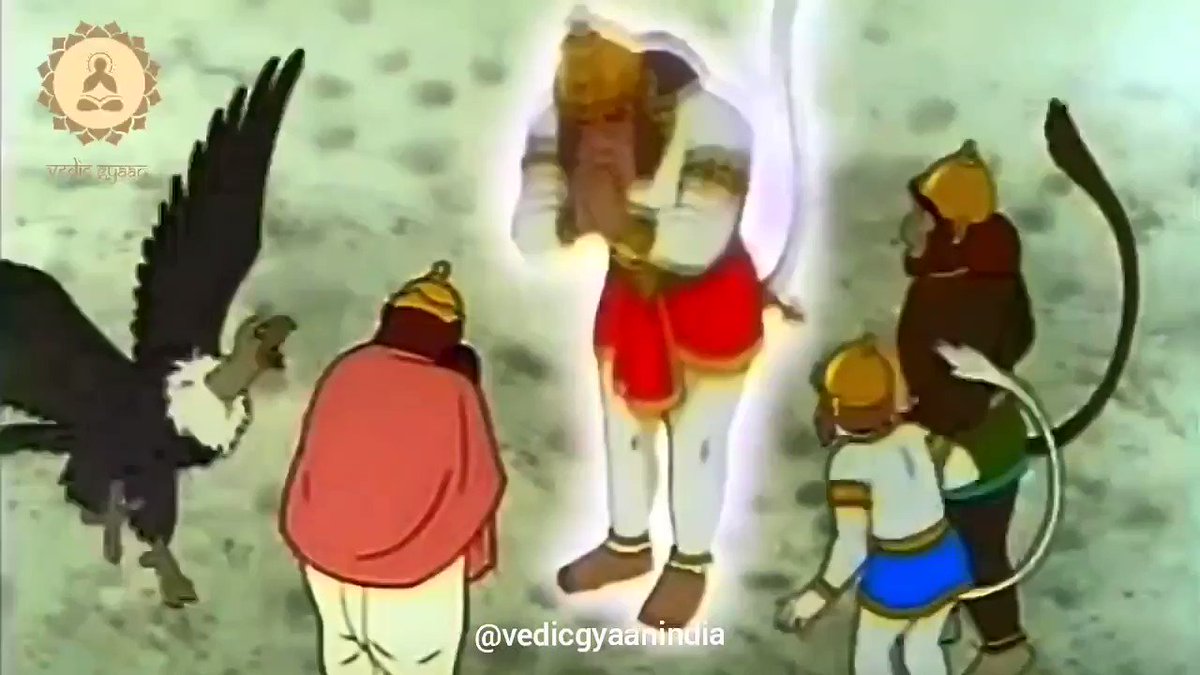
The chorus of this song uses the shlokas taken from Sundarkand of Ramayana.

It is a series of Sanskrit shlokas recited by Jambavant to Hanuman to remind Him of his true potential.

1. धीवर प्रसार शौर्य भरा: The brave persevering one, your bravery is taking you forward.


2. उतसारा स्थिरा घम्भीरा: The one who is leaping higher and higher, who is firm and stable and seriously determined.

3. ुग्रामा असामा शौर्या भावा: He is strong, and without an equal in the ability/mentality to fight

4. रौद्रमा नवा भीतिर्मा: His anger will cause new fears in his foes.

5.विजिटरीपुरु धीरधारा, कलोथरा शिखरा कठोरा: This is a complex expression seen only in Indic language poetry. The poet is stating that Shivudu is experiencing the intensity of climbing a tough peak, and likening

it to the feeling in a hard battle, when you see your enemy defeated, and blood flowing like a rivulet. This is classical Veera rasa.

6.कुलकु थारथिलीथा गम्भीरा, जाया विराट वीरा: His rough body itself is like a sharp weapon (because he is determined to win). Hail this complete

hero of the world.

7.विलयगागनथाला भिकारा, गरज्जद्धरा गारा: The hero is destructive in the air/sky as well (because he can leap at an enemy from a great height). He can defeat the enemy (simply) with his fearsome roar of war.