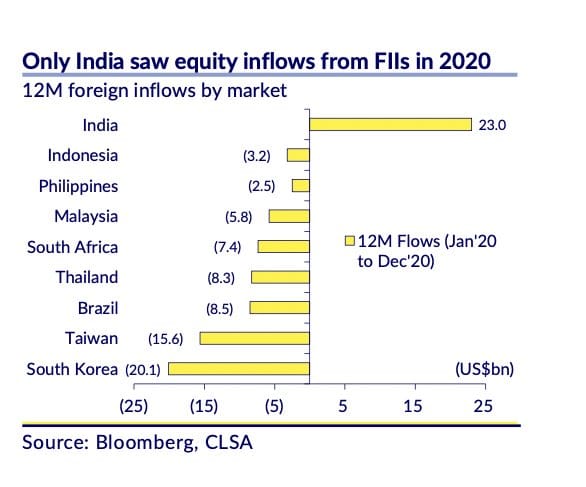
A thread on cumulative FII inflows into India in the CY2020
Background : This was a widely shared link on social media and also tweeted by FM @nsitharaman amid a lot of discussion around the strong foreign inflows in Indian
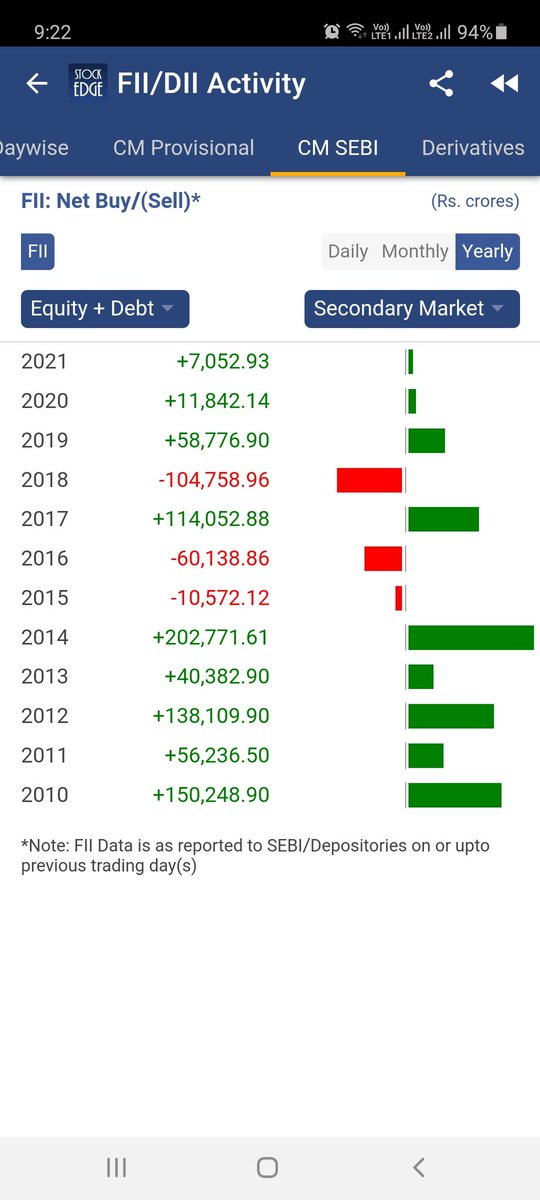
In fact, last 6 CYs (2015-2020) net flow in debt & equity is negligible.
But still the flows became aggressive only in last two months of 2020 - Nov & Dec
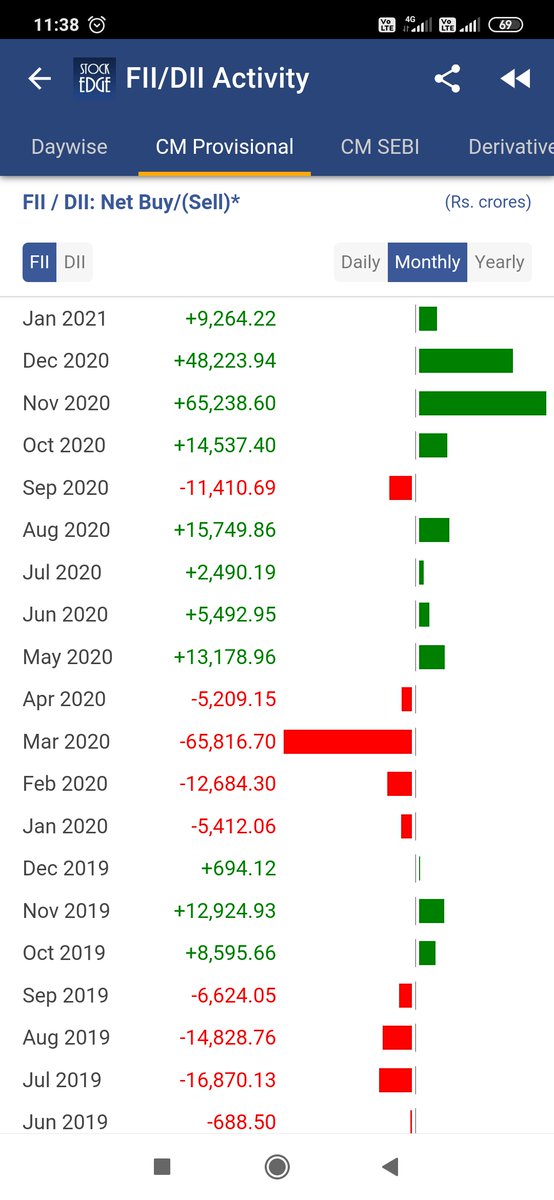
Two technical things happened:
(a) MSCI Annual review on Nov 10 brought fresh inflows. This happens every year, so was not surprising.
https://t.co/b0OdkWvyyX
PS : This was supposed to happen in June-20 but thanks to Babugiri and C19 lockdown was postponed to Nov-20
Idea that this will continue without any improvement in earnings outlook is fraught with risks. Any hint of liquidity withdrawn in any form from anywhere can prick the bubble.
More from Finance


The Dutch regulator and DNB as financial supervisor are a tough cookie to deal with. In essence they hyperregulate EU-rules into goldplated Dutch rules which go beyond what is prescribed in Europe.
All NL-customers at British banks may thus be kicked out on brexit.
Thread
/1
If we start with the capital requirements directive, it says attracting deposits is forbidden. In article 9.
https://t.co/RYl7SXligC

Now the translation of that rule into Dutch law is slightly expanded to not only prohibit attracting deposits, but to also prohibit, having those deposits under custody ('ter beschikking hebben').
That's not in EU law, but it is in our Dutch law.
https://t.co/PsbWfNY3PA

So if you wonder how this would work out for UK banks and Payment institutions servicing Dutch customers. Have a read at the technical explanation of DNB, the financial supervisor and their summarising table.
https://t.co/LL0fAnYkRJ
Passive servicing of Dutch is not allowed!

Any bank or PSP in the UK that continues to serve Dutch customers (as in retail customers, professional players are excepted) can thus be subject to fines and policing under Dutch law.
Meaning we not only have Accidental American issues in payments, but also Accidental Dutchies
All NL-customers at British banks may thus be kicked out on brexit.
Thread
/1
If we start with the capital requirements directive, it says attracting deposits is forbidden. In article 9.
https://t.co/RYl7SXligC
Now the translation of that rule into Dutch law is slightly expanded to not only prohibit attracting deposits, but to also prohibit, having those deposits under custody ('ter beschikking hebben').
That's not in EU law, but it is in our Dutch law.
https://t.co/PsbWfNY3PA
So if you wonder how this would work out for UK banks and Payment institutions servicing Dutch customers. Have a read at the technical explanation of DNB, the financial supervisor and their summarising table.
https://t.co/LL0fAnYkRJ
Passive servicing of Dutch is not allowed!
Any bank or PSP in the UK that continues to serve Dutch customers (as in retail customers, professional players are excepted) can thus be subject to fines and policing under Dutch law.
Meaning we not only have Accidental American issues in payments, but also Accidental Dutchies


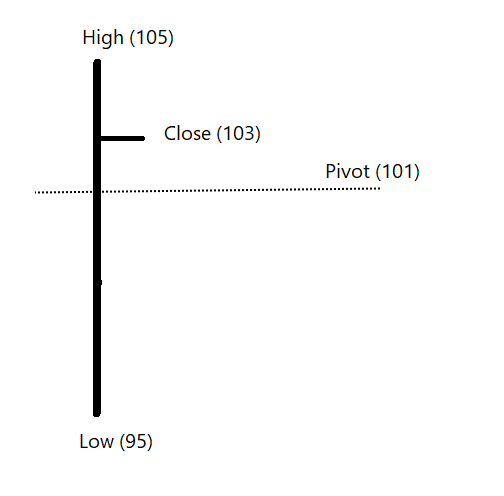
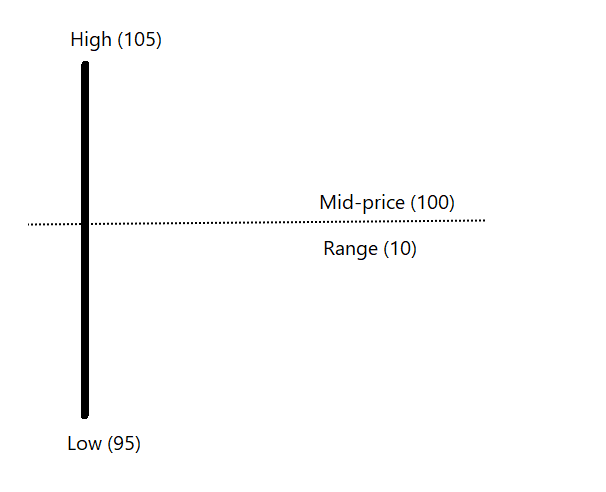
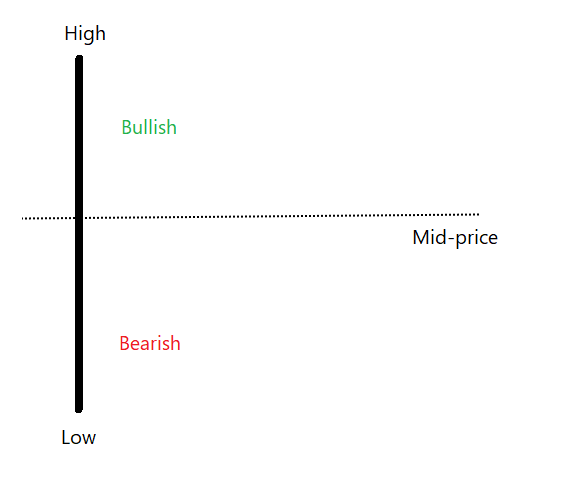
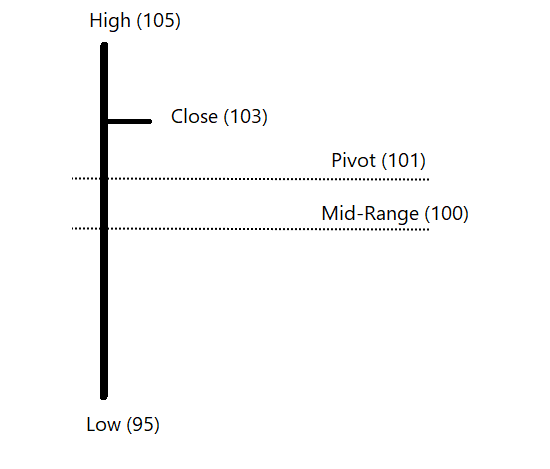

Two year back thread on MFI, someone liked this so came up in notifications . Rather than running around 100s of indicators, I have made this my go to indicator under any circumstances and have been using this for years
This thread actually had some great answers , one can learn a lot about the thought processes of different traders from the answers. Please go thru them
What do you think/use as the most robust leading indicator if following technical analysis ? Please answer with reason , I will provide my answer after 2 hours
— Subhadip Nandy (@SubhadipNandy16) August 12, 2019
( At Delhi airport , bored as hell )
This thread actually had some great answers , one can learn a lot about the thought processes of different traders from the answers. Please go thru them

You May Also Like






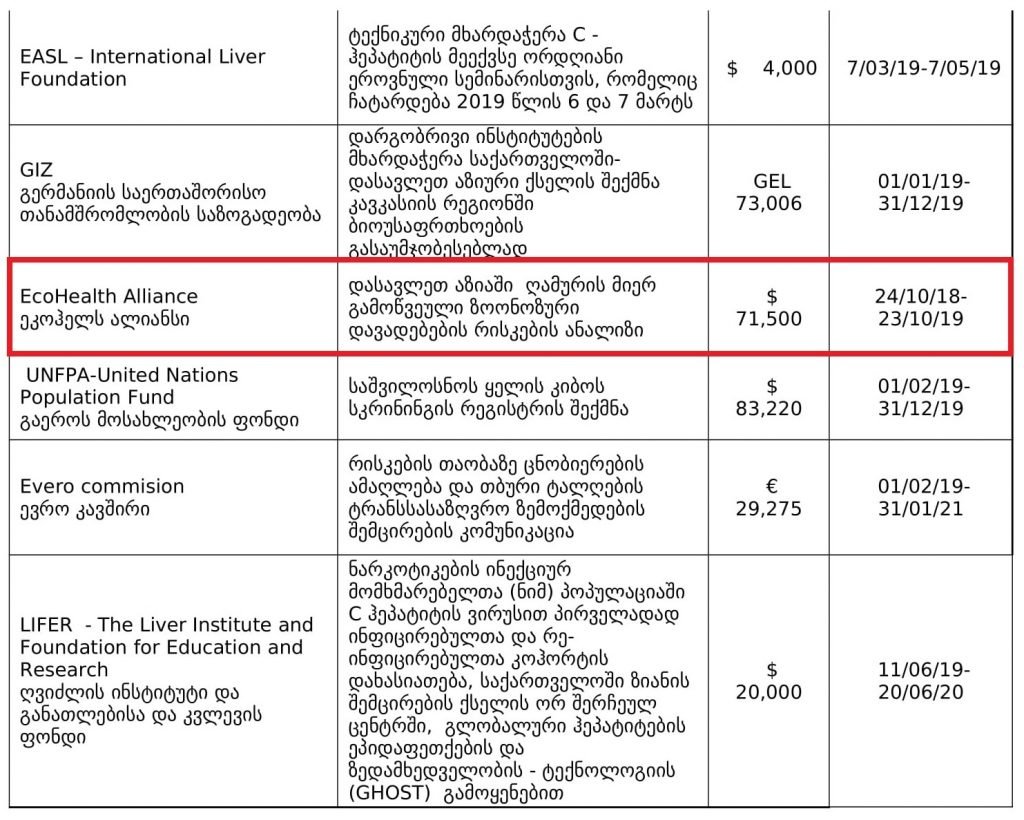
1. Project 1742 (EcoHealth/DTRA)
Risks of bat-borne zoonotic diseases in Western Asia
Duration: 24/10/2018-23 /10/2019
Funding: $71,500
@dgaytandzhieva
https://t.co/680CdD8uug
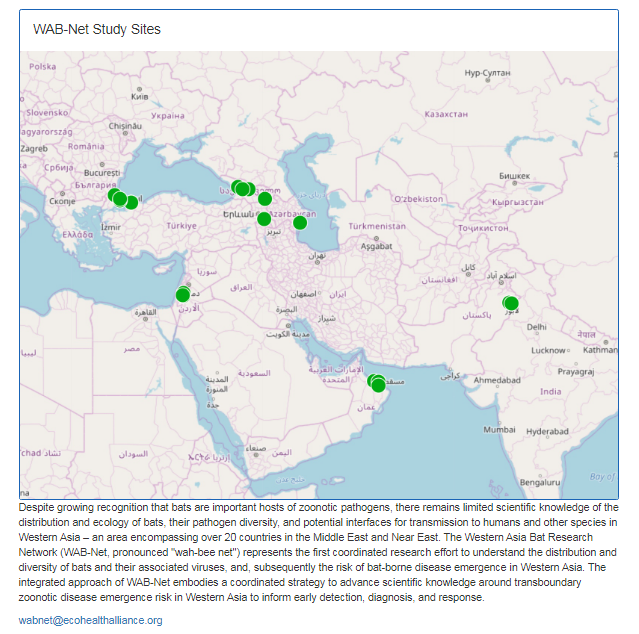
2. Bat Virus Database
Access to the database is limited only to those scientists participating in our ‘Bats and Coronaviruses’ project
Our intention is to eventually open up this database to the larger scientific community
https://t.co/mPn7b9HM48
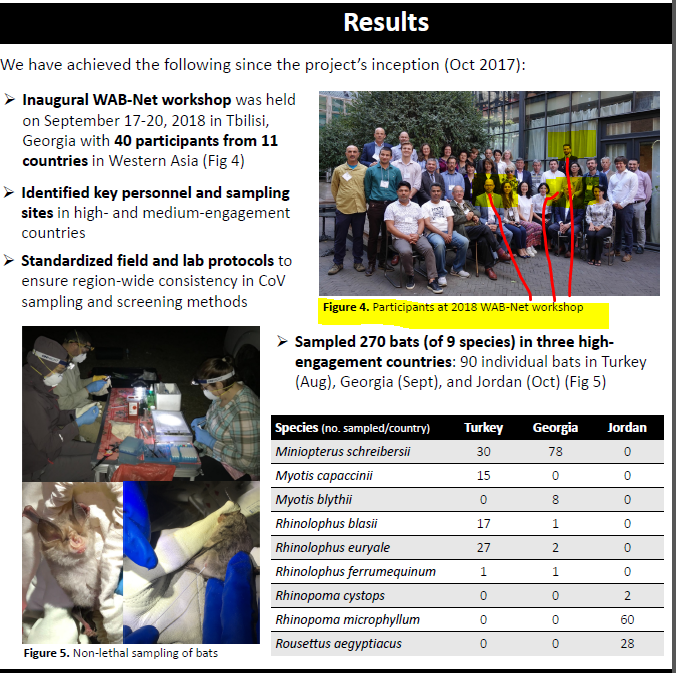
3. EcoHealth Alliance & DTRA Asking for Trouble
One Health research project focused on characterizing bat diversity, bat coronavirus diversity and the risk of bat-borne zoonotic disease emergence in the region.
https://t.co/u6aUeWBGEN

4. Phelps, Olival, Epstein, Karesh - EcoHealth/DTRA
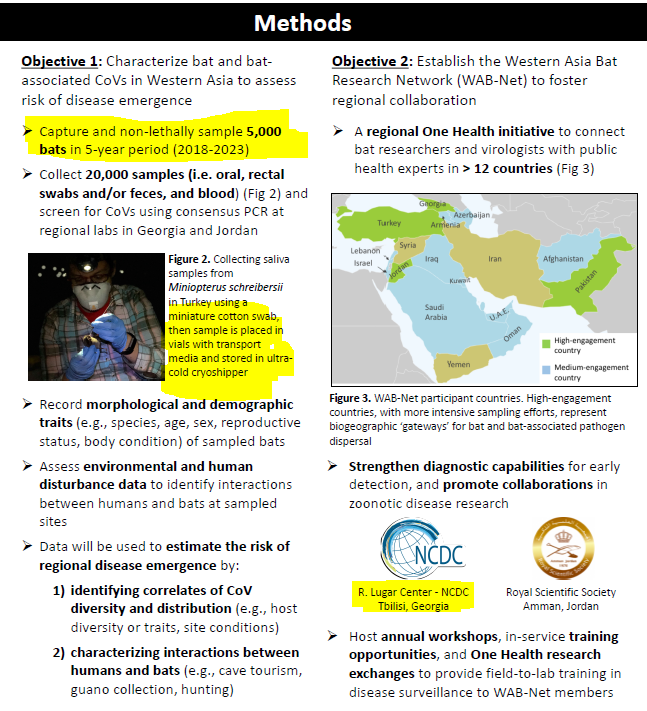
5, Methods and Expected Outcomes
(Unexpected Outcome = New Coronavirus Pandemic)
Risks of bat-borne zoonotic diseases in Western Asia
Duration: 24/10/2018-23 /10/2019
Funding: $71,500
@dgaytandzhieva
https://t.co/680CdD8uug
2. Bat Virus Database
Access to the database is limited only to those scientists participating in our ‘Bats and Coronaviruses’ project
Our intention is to eventually open up this database to the larger scientific community
https://t.co/mPn7b9HM48
3. EcoHealth Alliance & DTRA Asking for Trouble
One Health research project focused on characterizing bat diversity, bat coronavirus diversity and the risk of bat-borne zoonotic disease emergence in the region.
https://t.co/u6aUeWBGEN
4. Phelps, Olival, Epstein, Karesh - EcoHealth/DTRA
5, Methods and Expected Outcomes
(Unexpected Outcome = New Coronavirus Pandemic)