The truly violent nature of the US neoliberal bipartisan political establishment is revealed in its commitment to funding racist, militarized police forces above funding healthcare & housing. The same ones who scoff at “defund police” also scoff at funding universal healthcare 1/
These are not individuals who oppose violence in principle but who instead want to monopolize the use of violence in their roles as gov’t officials & the political class. 4/
The performance of the inauguration matters b/c the “peaceful transition of power” has long been held as evidence of American exceptionalism & bipartisanship. 6/
More from Finance




THREAD: Who are the rising stars of Chinese elite politics in the central Party-State bureaucracy?
For @MacroPoloChina I analyzed last year's ministerial-level promotions to posts in Beijing
TLDR: Ties to Xi Jinping—or a Xi ally—are very helpful! (1/14)
https://t.co/kO2A0Efyq2
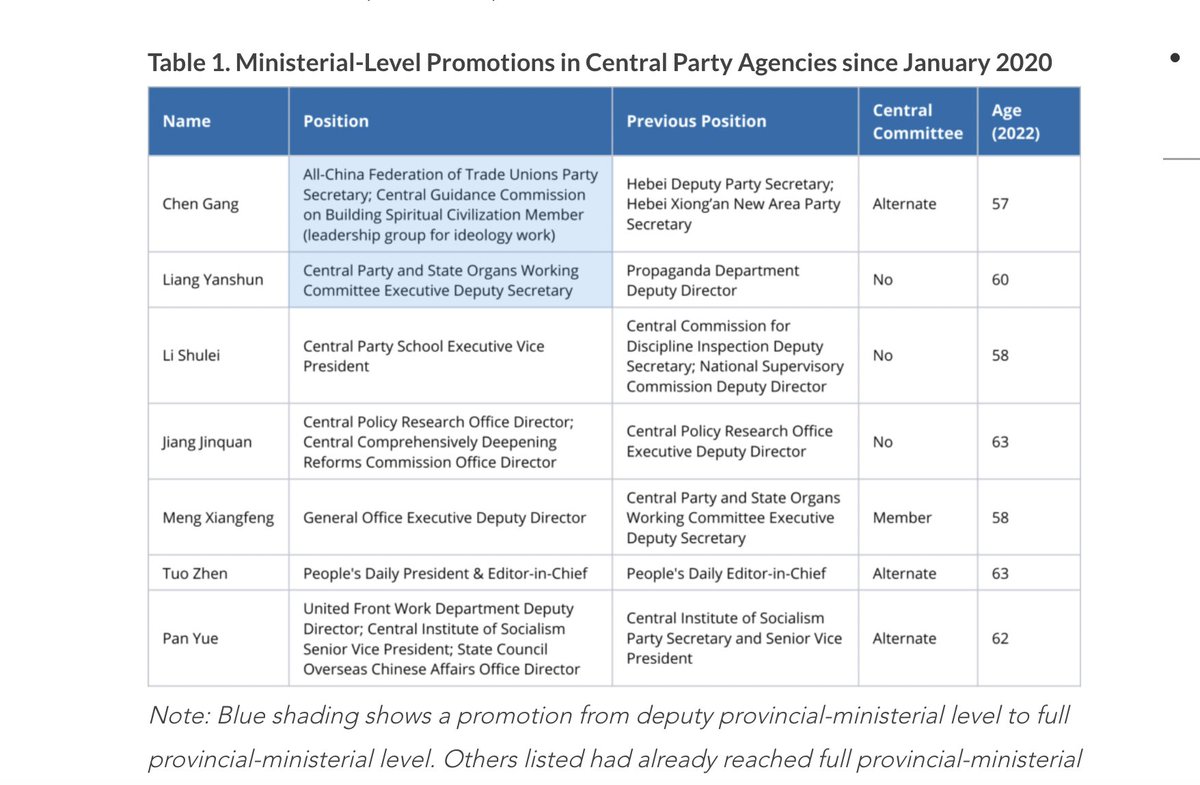
Seven politicians were promoted to ministerial-level positions in central Party agencies last year
All are likely to feature on the next Central Committee selected at the 2022 Party Congress
Some could make the CCP's elite 25-person Politburo (2/14)
https://t.co/kO2A0Efyq2
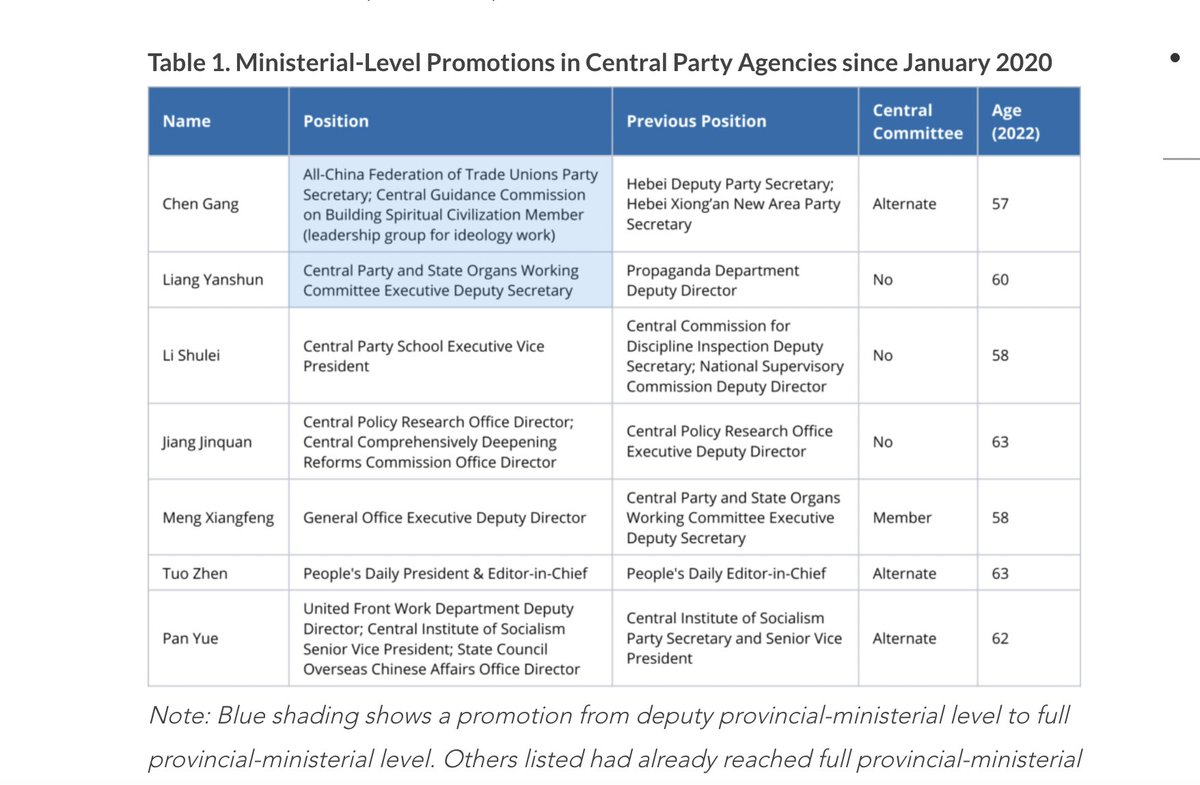
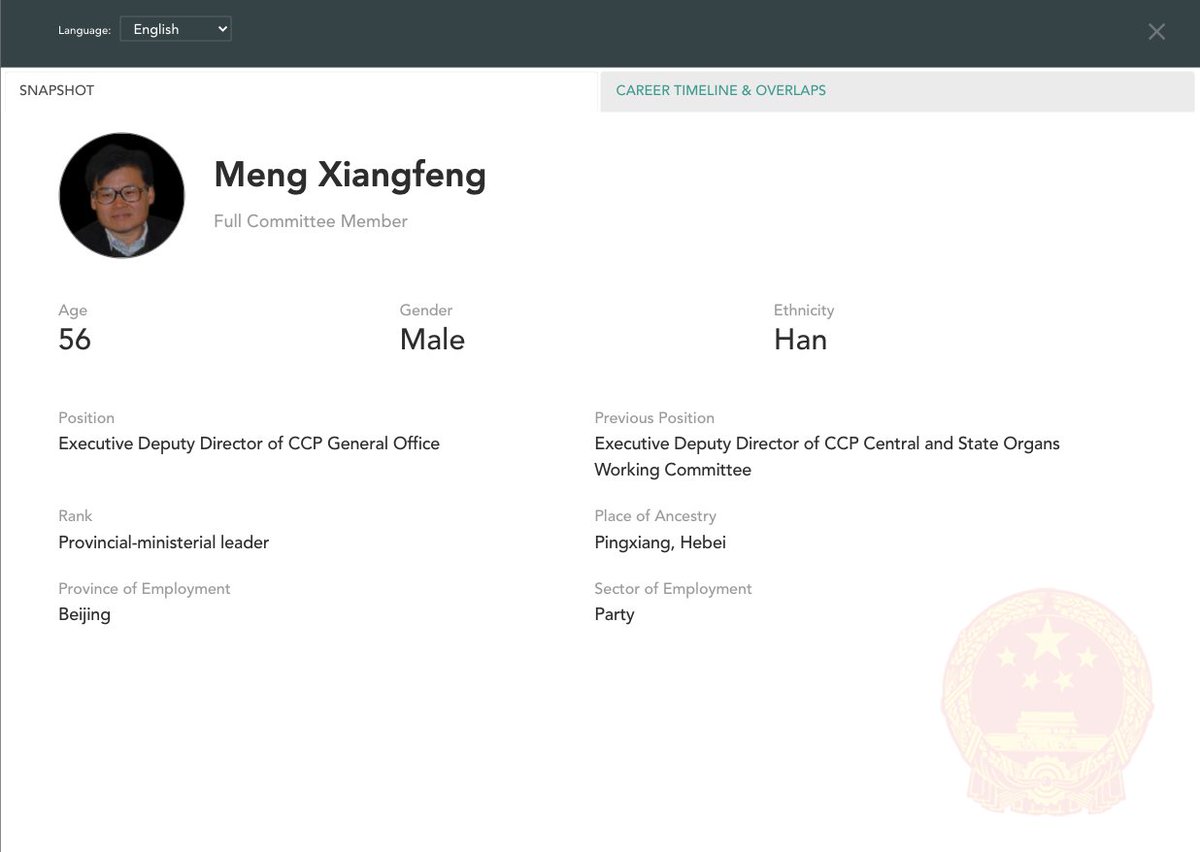
Likeliest for the Politburo is Meng Xiangfeng, new Executive Deputy Director of the CCP General Office
He would replace Xi ally Ding Xuexiang as CCP chief-of-staff if Ding is promoted further in 2022
Meng worked under Xi allies Cai Qi in Hangzhou and Chen Xi in Liaoning (3/14)
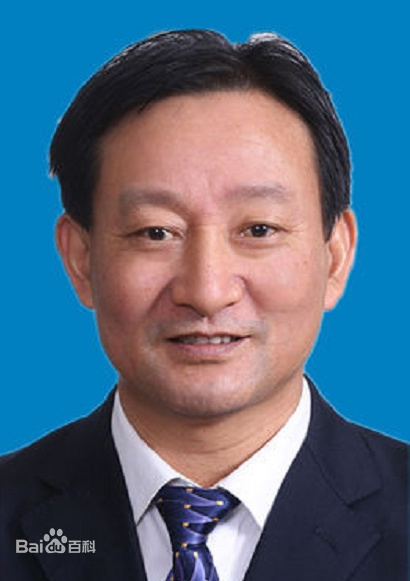
Less likely for the Politburo but still important is Jiang Jinquan, new Director of the CCP Policy Research Office
He replaces 5th-ranked leader Wang Huning who led the Party's brains trust for 18 years
Wang remains prominent and will be <68 in 2022, so he'll stay around (4/14)
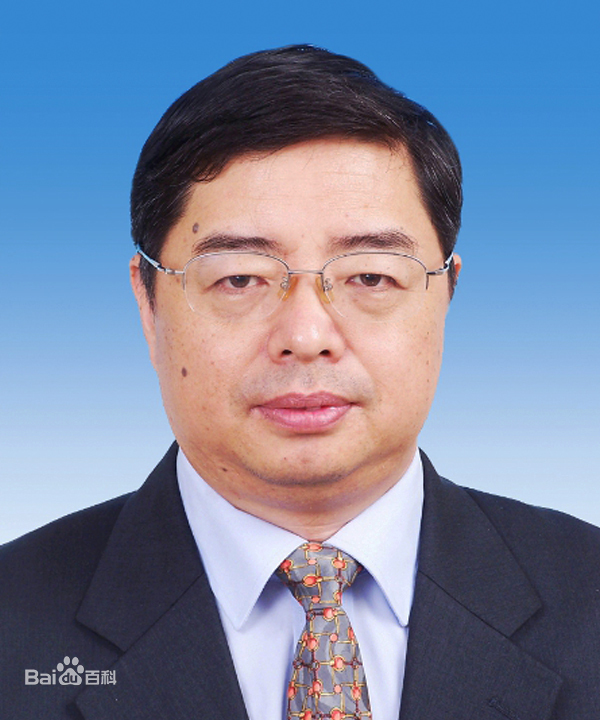
Other notable central Party promotions include Li Shulei and Liang Yanshun, who both assisted Xi when he led the Central Party School from 2007-2012
Li is a political conservative who is said to be quite close with Xi, even drafting his 2014 speech on culture and art (5/14)
For @MacroPoloChina I analyzed last year's ministerial-level promotions to posts in Beijing
TLDR: Ties to Xi Jinping—or a Xi ally—are very helpful! (1/14)
https://t.co/kO2A0Efyq2
Seven politicians were promoted to ministerial-level positions in central Party agencies last year
All are likely to feature on the next Central Committee selected at the 2022 Party Congress
Some could make the CCP's elite 25-person Politburo (2/14)
https://t.co/kO2A0Efyq2
Likeliest for the Politburo is Meng Xiangfeng, new Executive Deputy Director of the CCP General Office
He would replace Xi ally Ding Xuexiang as CCP chief-of-staff if Ding is promoted further in 2022
Meng worked under Xi allies Cai Qi in Hangzhou and Chen Xi in Liaoning (3/14)
Less likely for the Politburo but still important is Jiang Jinquan, new Director of the CCP Policy Research Office
He replaces 5th-ranked leader Wang Huning who led the Party's brains trust for 18 years
Wang remains prominent and will be <68 in 2022, so he'll stay around (4/14)
Other notable central Party promotions include Li Shulei and Liang Yanshun, who both assisted Xi when he led the Central Party School from 2007-2012
Li is a political conservative who is said to be quite close with Xi, even drafting his 2014 speech on culture and art (5/14)