https://t.co/RZBNhQUvfM
2020 has been filled with many challenges and our community has had to adapt in unprecedented ways.
We invite you to take a moment to look back with us at what has been an unforgettable year, and what YOU made possible. (Thread)
https://t.co/epK3yfJWZB
https://t.co/RZBNhQUvfM
https://t.co/vHDk7307D8
https://t.co/SRW2f5TZEf

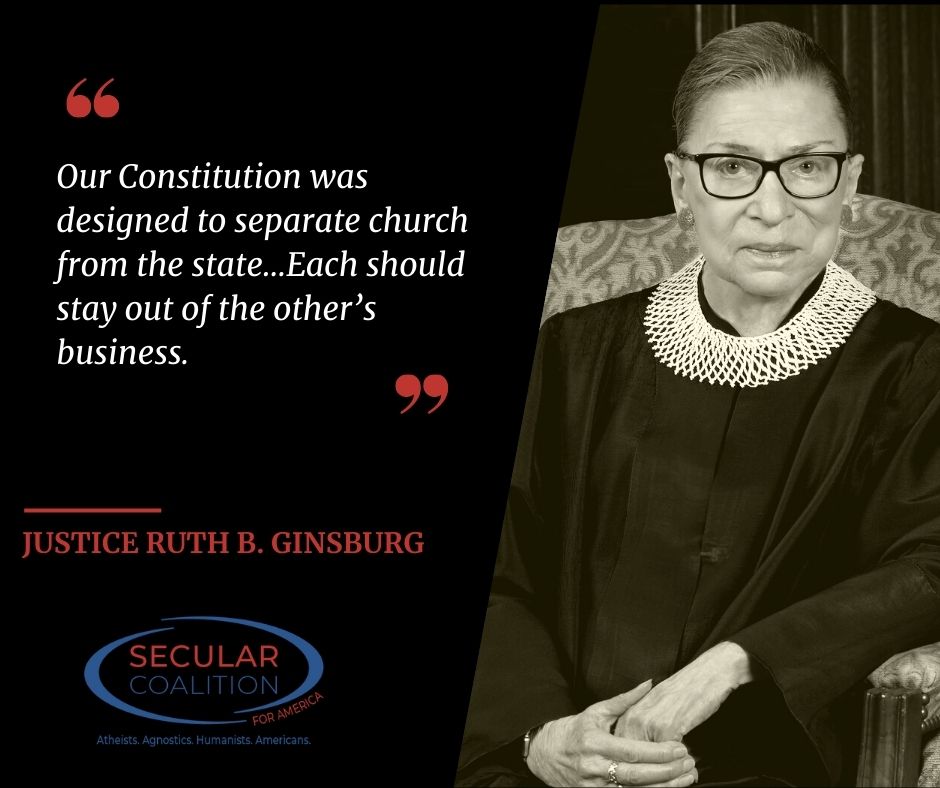
Our movement benefits from the many Black atheists and humanist voices #BLM


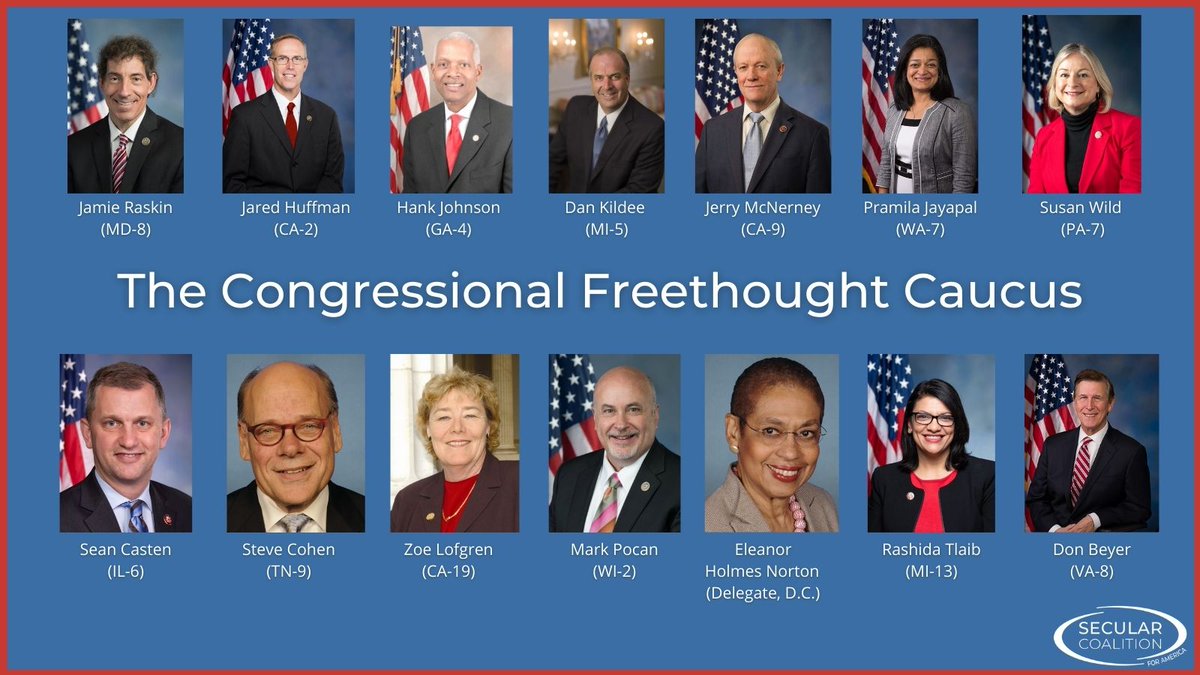
One highlight for us was facilitating & conducting interviews with CFC members @RepRaskin and @RepHuffman for @SecularStudents' virtual Lobby Day. https://t.co/8cFCBMd1oB
The increased visibility and inclusion of nontheists in politics is something we do not undervalue. This year was historic in that regard.
https://t.co/7vkGzYxkBG
We honor them in our memories and actions
More from Education

You asked. So here are my thoughts on how osteopathic medical students should respond to the NBOME.
(thread)
Look, even before the Step 2 CS cancellation, my DMs and email were flooded with messages from osteopathic medical students who are fed up with the NBOME.
There is *real* anger toward this organization. Honestly, more than I even heard about from MD students and the NBME.
The question is, will that sentiment translate into action?
Amorphous anger on social media is easy to ignore. But if that anger gets channeled into organized efforts to facilitate change, then improvements are possible.
This much should be clear: begging the NBOME to reconsider their Level 2-PE exam is a waste of your time.
Best case scenario, you’ll get another “town hall” meeting, a handful of platitudes, and some thoughtful beard stroking before being told that they’re keeping the exam.
Instead of complaining to the NBOME, here are a few things that are more likely to bring about real change.
(thread)
I think most of us are over here waiting to see what @jbcarmody has to say about the latest NBOME email pic.twitter.com/bVWkS23V7z
— Jake Berg (@jberg521) January 28, 2021
Look, even before the Step 2 CS cancellation, my DMs and email were flooded with messages from osteopathic medical students who are fed up with the NBOME.
There is *real* anger toward this organization. Honestly, more than I even heard about from MD students and the NBME.
The question is, will that sentiment translate into action?
Amorphous anger on social media is easy to ignore. But if that anger gets channeled into organized efforts to facilitate change, then improvements are possible.
This much should be clear: begging the NBOME to reconsider their Level 2-PE exam is a waste of your time.
Best case scenario, you’ll get another “town hall” meeting, a handful of platitudes, and some thoughtful beard stroking before being told that they’re keeping the exam.
Instead of complaining to the NBOME, here are a few things that are more likely to bring about real change.



You May Also Like

"I lied about my basic beliefs in order to keep a prestigious job. Now that it will be zero-cost to me, I have a few things to say."
We know that elite institutions like the one Flier was in (partial) charge of rely on irrelevant status markers like private school education, whiteness, legacy, and ability to charm an old white guy at an interview.
Harvard's discriminatory policies are becoming increasingly well known, across the political spectrum (see, e.g., the recent lawsuit on discrimination against East Asian applications.)
It's refreshing to hear a senior administrator admits to personally opposing policies that attempt to remedy these basic flaws. These are flaws that harm his institution's ability to do cutting-edge research and to serve the public.
Harvard is being eclipsed by institutions that have different ideas about how to run a 21st Century institution. Stanford, for one; the UC system; the "public Ivys".
As a dean of a major academic institution, I could not have said this. But I will now. Requiring such statements in applications for appointments and promotions is an affront to academic freedom, and diminishes the true value of diversity, equity of inclusion by trivializing it. https://t.co/NfcI5VLODi
— Jeffrey Flier (@jflier) November 10, 2018
We know that elite institutions like the one Flier was in (partial) charge of rely on irrelevant status markers like private school education, whiteness, legacy, and ability to charm an old white guy at an interview.
Harvard's discriminatory policies are becoming increasingly well known, across the political spectrum (see, e.g., the recent lawsuit on discrimination against East Asian applications.)
It's refreshing to hear a senior administrator admits to personally opposing policies that attempt to remedy these basic flaws. These are flaws that harm his institution's ability to do cutting-edge research and to serve the public.
Harvard is being eclipsed by institutions that have different ideas about how to run a 21st Century institution. Stanford, for one; the UC system; the "public Ivys".