HOW TO COME TO AUSTRALIA (WA) AS A STUDENT
Unfortunately, you can not come as a student to study most trade occupations as they are offered as apprenticeships and heavily subsidised for locals. Only if you want to be a Light vehicle mechanic.
Before I continue, a note to those who might consider migrating to Australia or might want their kids to end up here.
Now back to study stuff.
To make things easier they have education agents in Zimbabwe that you can contact and ask them everything you might want to know.
https://t.co/RE5gsYoCCt
Go to refine search and chose Zimbabwe.
You are likely to find a job related to your field of study. Even if you don’t, you’ll always find a job, so you earn something.
More from Education


** Schools have been getting ready for this: a thread **
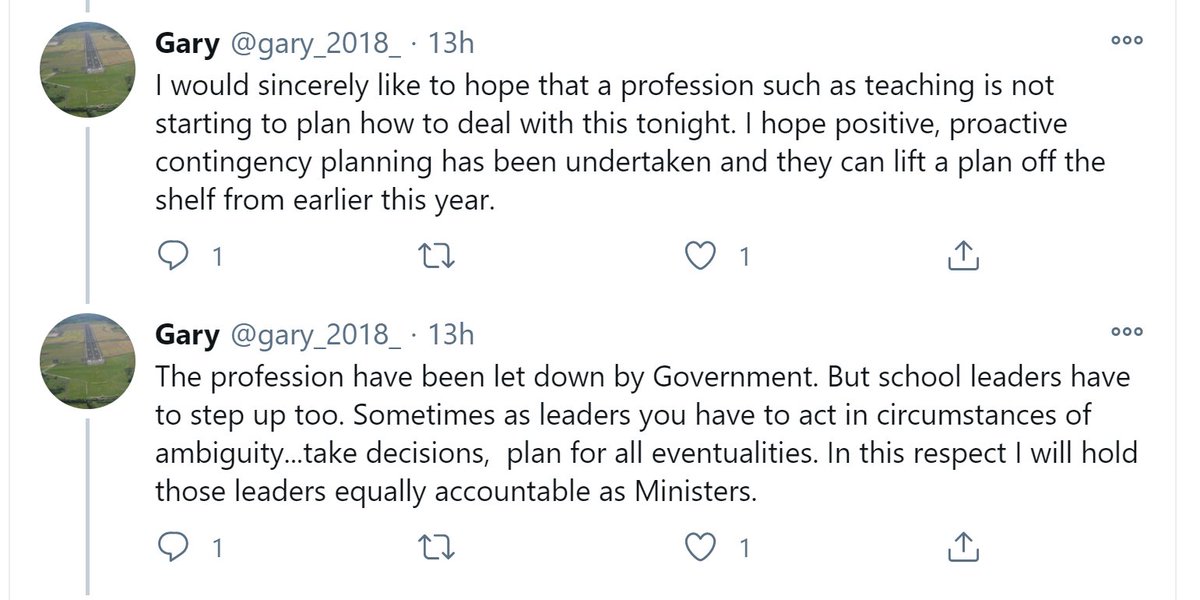
In many ways, I don't blame folks who tweet things like this. The media coverage of the schools situation in Covid-19 rarely talks about the quiet, day-in-day-out work that schools have been doing these past 9 months. 1/
Instead, the coverage focused on the dramatic, last minute policy announcements by the government, or of dramatic stories of school closures, often accompanied by photos of socially distanced classrooms that those of us in schools this past term know are from a fantasy land. 2/
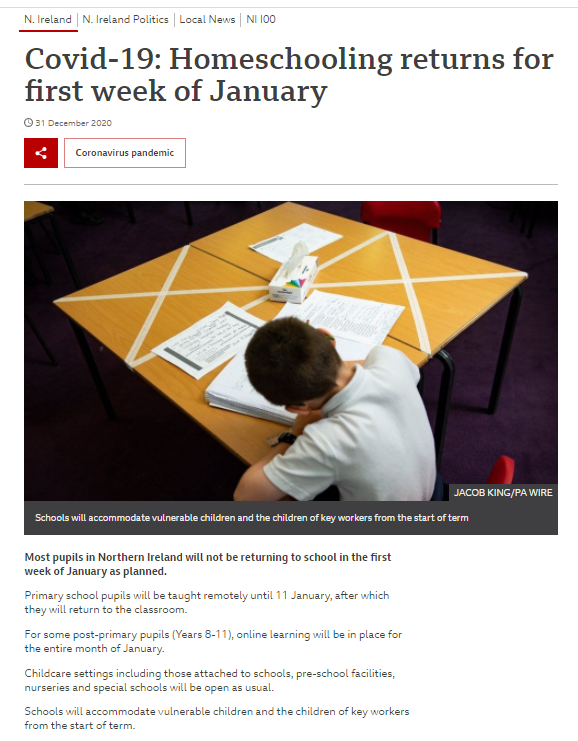
If that's all you see & hear, it's no wonder that you may not know what has actually been happening in schools to meet the challenges. So, if you'd like a glimpse behind the curtain, then read on. For this is something of what teachers & schools leaders have been up to. 3/
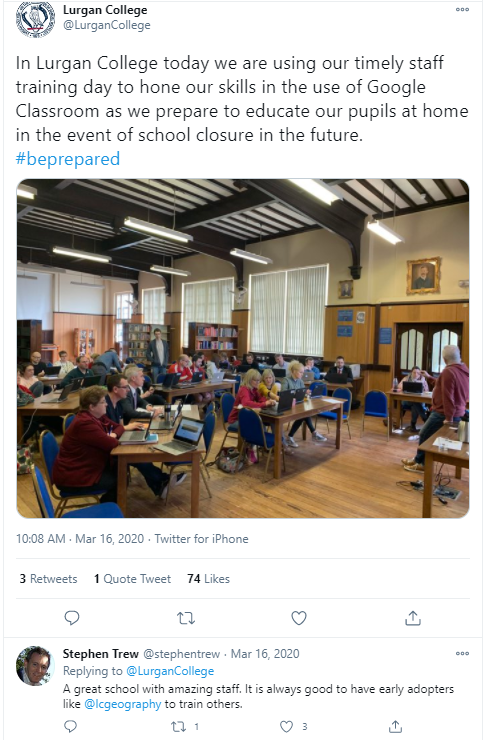
It started last March with trying to meet the challenges of lockdown, being thrown into the deep end, with only a few days' notice, to try to learn to teach remotely during the first lockdown. 4/
https://t.co/S39EWuap3b
I wrote a policy document for our staff the weekend before our training as we anticipated what was to come, a document I shared freely & widely as the education community across the land started to reach out to one another for ideas and support. 5/
https://t.co/m1QsxlPaV4
In many ways, I don't blame folks who tweet things like this. The media coverage of the schools situation in Covid-19 rarely talks about the quiet, day-in-day-out work that schools have been doing these past 9 months. 1/
Instead, the coverage focused on the dramatic, last minute policy announcements by the government, or of dramatic stories of school closures, often accompanied by photos of socially distanced classrooms that those of us in schools this past term know are from a fantasy land. 2/
If that's all you see & hear, it's no wonder that you may not know what has actually been happening in schools to meet the challenges. So, if you'd like a glimpse behind the curtain, then read on. For this is something of what teachers & schools leaders have been up to. 3/
It started last March with trying to meet the challenges of lockdown, being thrown into the deep end, with only a few days' notice, to try to learn to teach remotely during the first lockdown. 4/
https://t.co/S39EWuap3b
In Lurgan College today we are using our timely staff training day to hone our skills in the use of Google Classroom as we prepare to educate our pupils at home in the event of school closure in the future. #beprepared pic.twitter.com/E0LQkYqvBD
— Lurgan College (@LurganCollege) March 16, 2020
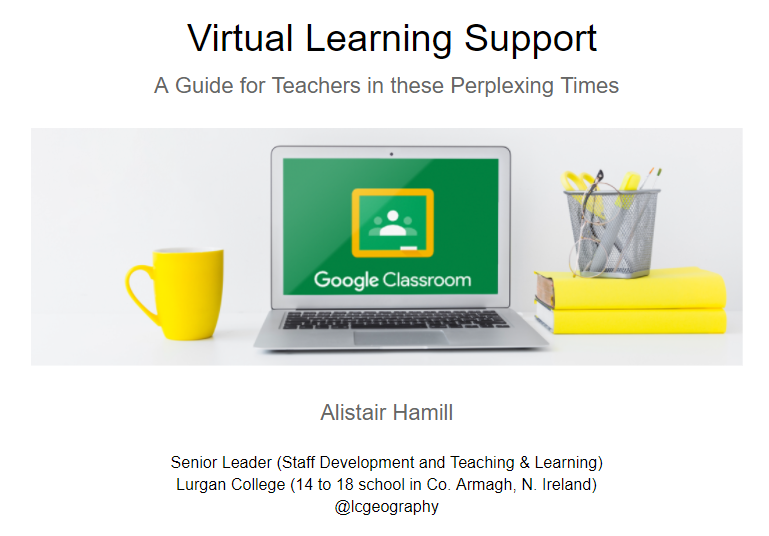
I wrote a policy document for our staff the weekend before our training as we anticipated what was to come, a document I shared freely & widely as the education community across the land started to reach out to one another for ideas and support. 5/
https://t.co/m1QsxlPaV4