Newlane University Manifesto--12 tenets: 1. Education should be available and accessible to every person on earth; making quality education inaccessible or exclusive is immoral. Education belongs in the same category as shelter, clean water, and basic food.
More from Education


** Schools have been getting ready for this: a thread **
In many ways, I don't blame folks who tweet things like this. The media coverage of the schools situation in Covid-19 rarely talks about the quiet, day-in-day-out work that schools have been doing these past 9 months. 1/
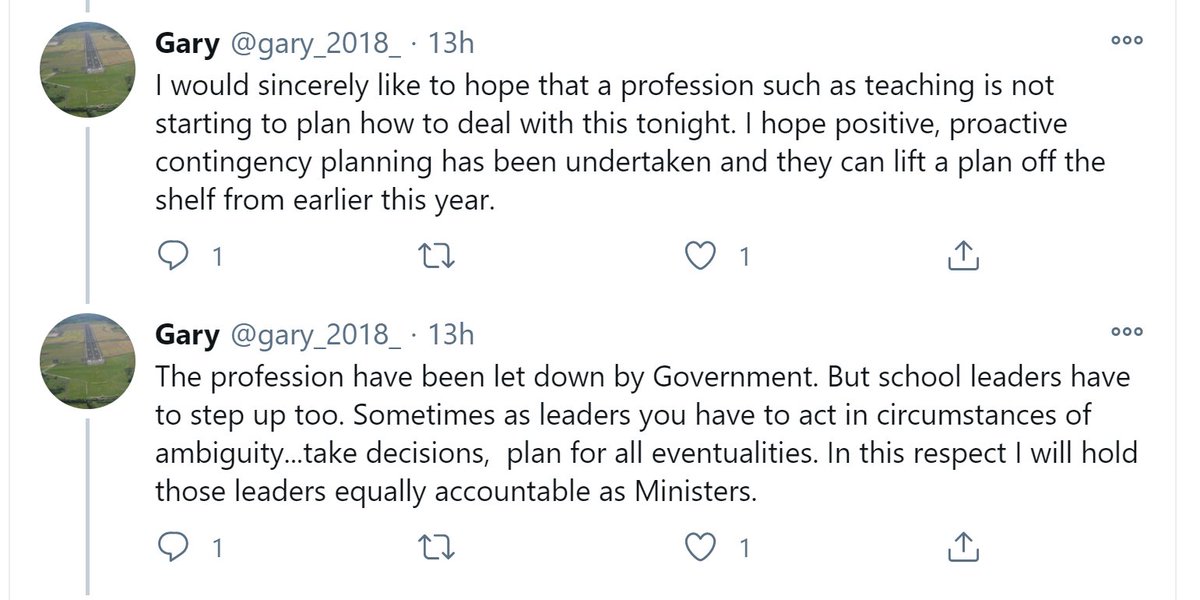
Instead, the coverage focused on the dramatic, last minute policy announcements by the government, or of dramatic stories of school closures, often accompanied by photos of socially distanced classrooms that those of us in schools this past term know are from a fantasy land. 2/
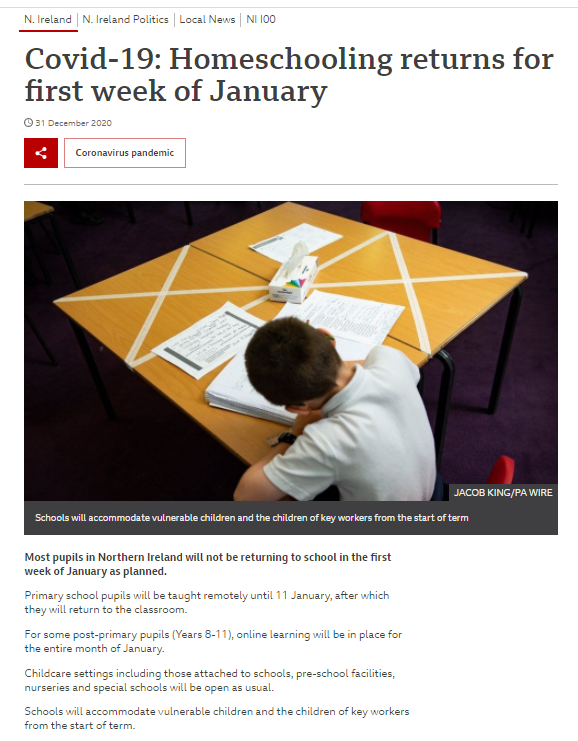
If that's all you see & hear, it's no wonder that you may not know what has actually been happening in schools to meet the challenges. So, if you'd like a glimpse behind the curtain, then read on. For this is something of what teachers & schools leaders have been up to. 3/
It started last March with trying to meet the challenges of lockdown, being thrown into the deep end, with only a few days' notice, to try to learn to teach remotely during the first lockdown. 4/
https://t.co/S39EWuap3b
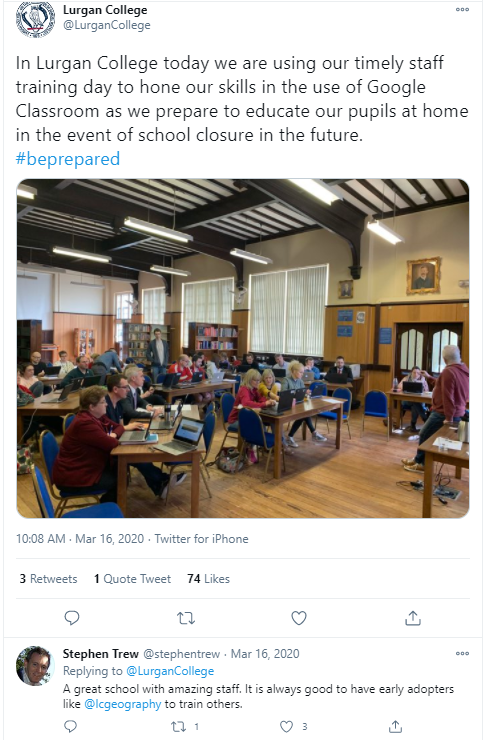
I wrote a policy document for our staff the weekend before our training as we anticipated what was to come, a document I shared freely & widely as the education community across the land started to reach out to one another for ideas and support. 5/
https://t.co/m1QsxlPaV4
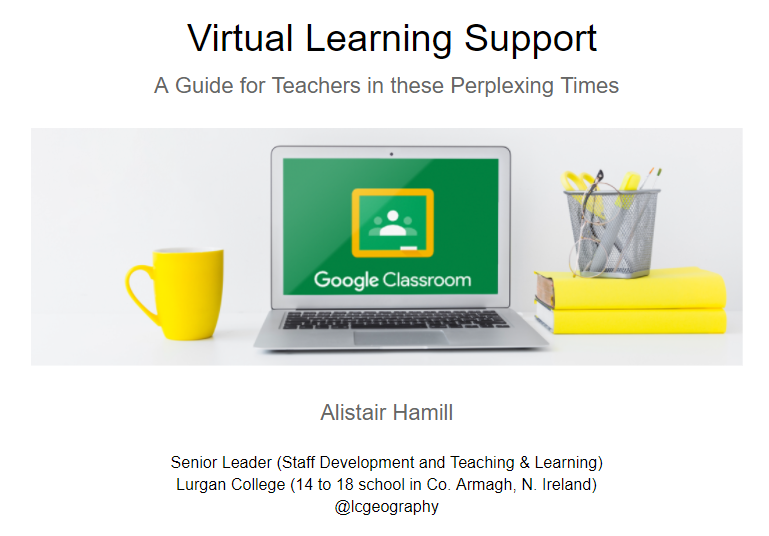
In many ways, I don't blame folks who tweet things like this. The media coverage of the schools situation in Covid-19 rarely talks about the quiet, day-in-day-out work that schools have been doing these past 9 months. 1/
Instead, the coverage focused on the dramatic, last minute policy announcements by the government, or of dramatic stories of school closures, often accompanied by photos of socially distanced classrooms that those of us in schools this past term know are from a fantasy land. 2/
If that's all you see & hear, it's no wonder that you may not know what has actually been happening in schools to meet the challenges. So, if you'd like a glimpse behind the curtain, then read on. For this is something of what teachers & schools leaders have been up to. 3/
It started last March with trying to meet the challenges of lockdown, being thrown into the deep end, with only a few days' notice, to try to learn to teach remotely during the first lockdown. 4/
https://t.co/S39EWuap3b
In Lurgan College today we are using our timely staff training day to hone our skills in the use of Google Classroom as we prepare to educate our pupils at home in the event of school closure in the future. #beprepared pic.twitter.com/E0LQkYqvBD
— Lurgan College (@LurganCollege) March 16, 2020
I wrote a policy document for our staff the weekend before our training as we anticipated what was to come, a document I shared freely & widely as the education community across the land started to reach out to one another for ideas and support. 5/
https://t.co/m1QsxlPaV4


You May Also Like

1/“What would need to be true for you to….X”
Why is this the most powerful question you can ask when attempting to reach an agreement with another human being or organization?
A thread, co-written by @deanmbrody:
2/ First, “X” could be lots of things. Examples: What would need to be true for you to
- “Feel it's in our best interest for me to be CMO"
- “Feel that we’re in a good place as a company”
- “Feel that we’re on the same page”
- “Feel that we both got what we wanted from this deal
3/ Normally, we aren’t that direct. Example from startup/VC land:
Founders leave VC meetings thinking that every VC will invest, but they rarely do.
Worse over, the founders don’t know what they need to do in order to be fundable.
4/ So why should you ask the magic Q?
To get clarity.
You want to know where you stand, and what it takes to get what you want in a way that also gets them what they want.
It also holds them (mentally) accountable once the thing they need becomes true.
5/ Staying in the context of soliciting investors, the question is “what would need to be true for you to want to invest (or partner with us on this journey, etc)?”
Multiple responses to this question are likely to deliver a positive result.
Why is this the most powerful question you can ask when attempting to reach an agreement with another human being or organization?
A thread, co-written by @deanmbrody:
Next level tactic when closing a sale, candidate, or investment:
— Erik Torenberg (@eriktorenberg) February 27, 2018
Ask: \u201cWhat needs to be true for you to be all in?\u201d
You'll usually get an explicit answer that you might not get otherwise. It also holds them accountable once the thing they need becomes true.
2/ First, “X” could be lots of things. Examples: What would need to be true for you to
- “Feel it's in our best interest for me to be CMO"
- “Feel that we’re in a good place as a company”
- “Feel that we’re on the same page”
- “Feel that we both got what we wanted from this deal
3/ Normally, we aren’t that direct. Example from startup/VC land:
Founders leave VC meetings thinking that every VC will invest, but they rarely do.
Worse over, the founders don’t know what they need to do in order to be fundable.
4/ So why should you ask the magic Q?
To get clarity.
You want to know where you stand, and what it takes to get what you want in a way that also gets them what they want.
It also holds them (mentally) accountable once the thing they need becomes true.
5/ Staying in the context of soliciting investors, the question is “what would need to be true for you to want to invest (or partner with us on this journey, etc)?”
Multiple responses to this question are likely to deliver a positive result.


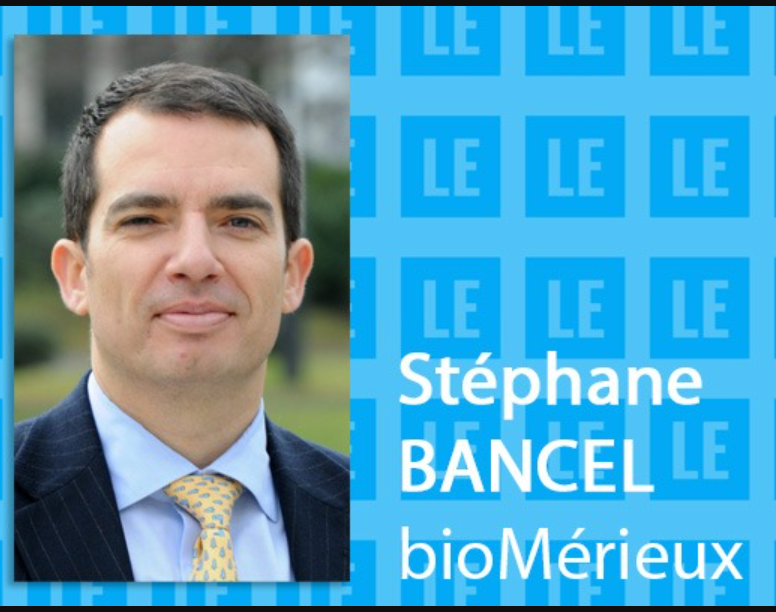
Moderna CEO Stephane Bancel was previously CEO of bioMerieux in France from 07-10.
Alain Merieux, who owns bioMerieux, was instrumental in the creation of the Wuhan Institute of Virology P4 Lab.
The same people who helped create the virus, also helped to create the vaccines...
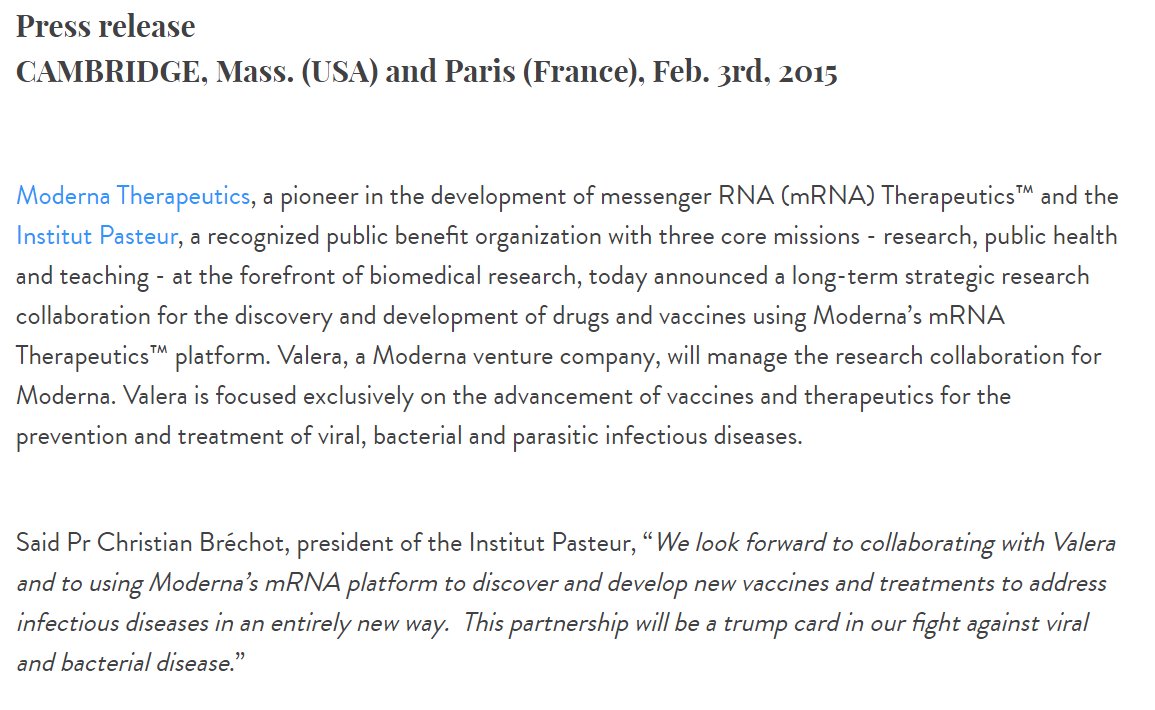
Moderna partnered with French Pasteur Institute in 2015 to develop mRNA vaccine technology.
Pasteur Institute partnered with the Wuhan P4 Laboratory in 2017 along with the Merieux Foundation to study emerging viruses...
https://t.co/yFsHwrNYaK
https://t.co/9M5lydBKhM
Nobel prize winning scientist Luc Montagnier asserts that Sars-Cov-2 is man-made and originated from the Wuhan Institute of Virology.
Montagnier did extensive work with the Pasteur Institute in France which was partnered with the Wuhan P4.
Merieux Foundation & the Chinese government have worked together since 1965, and partnered to study emerging pathogens in Africa in 2015.
Their research included "PATHOGENS CARRIED BY BATS" that provoke respiratory diseases.
🚨🚨🚨
https://t.co/gVwpT0ssqI

Alain Merieux, who owns bioMerieux, was instrumental in the creation of the Wuhan Institute of Virology P4 Lab.
The same people who helped create the virus, also helped to create the vaccines...
Moderna partnered with French Pasteur Institute in 2015 to develop mRNA vaccine technology.
Pasteur Institute partnered with the Wuhan P4 Laboratory in 2017 along with the Merieux Foundation to study emerging viruses...
https://t.co/yFsHwrNYaK
https://t.co/9M5lydBKhM
Nobel prize winning scientist Luc Montagnier asserts that Sars-Cov-2 is man-made and originated from the Wuhan Institute of Virology.
Montagnier did extensive work with the Pasteur Institute in France which was partnered with the Wuhan P4.
Merieux Foundation & the Chinese government have worked together since 1965, and partnered to study emerging pathogens in Africa in 2015.
Their research included "PATHOGENS CARRIED BY BATS" that provoke respiratory diseases.
🚨🚨🚨
https://t.co/gVwpT0ssqI