
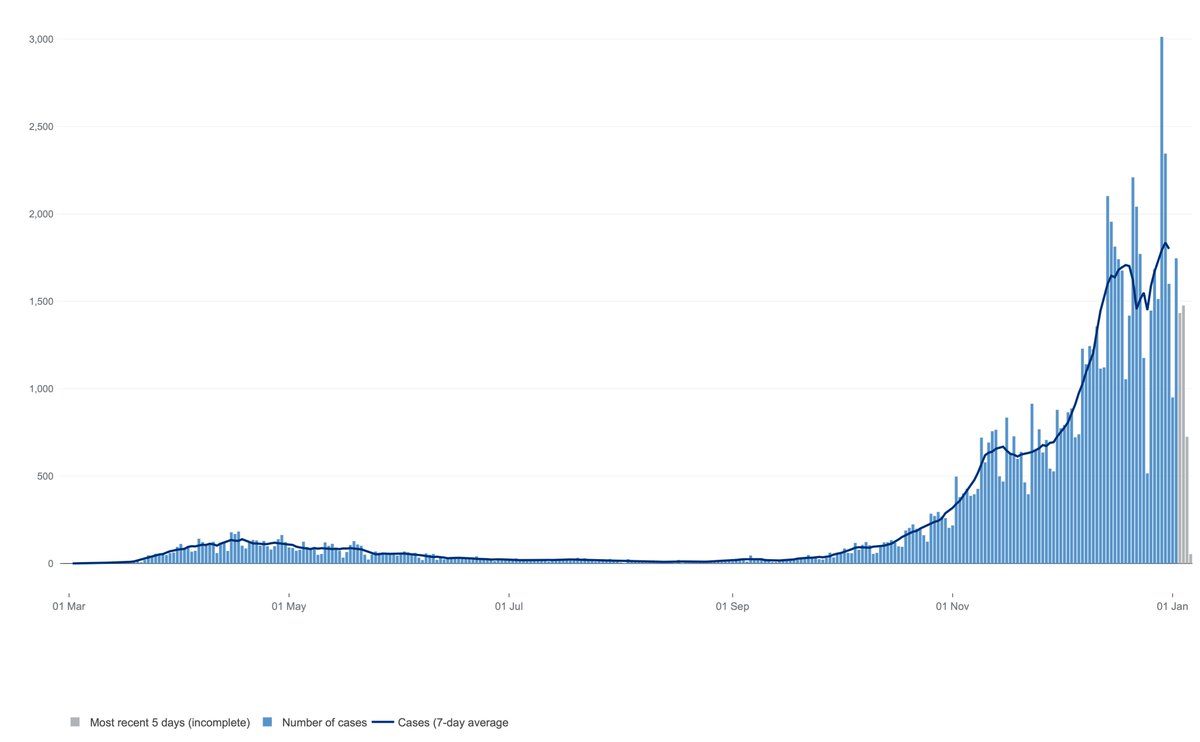
1) For some there's still a major economic disincentive apropos self isolation. Sick pay still poor. Savings for many exhausted.
Hancock: "It's your actions now which can make a difference."
Plays down prospect of immediate introduction of new restrictions.
1) For some there's still a major economic disincentive apropos self isolation. Sick pay still poor. Savings for many exhausted.
And 2) The job for individuals is now made harder as a result of prevalence as a result of the delay in full lockdown in most of the country between the...
More from Lewis Goodall
More from Economy


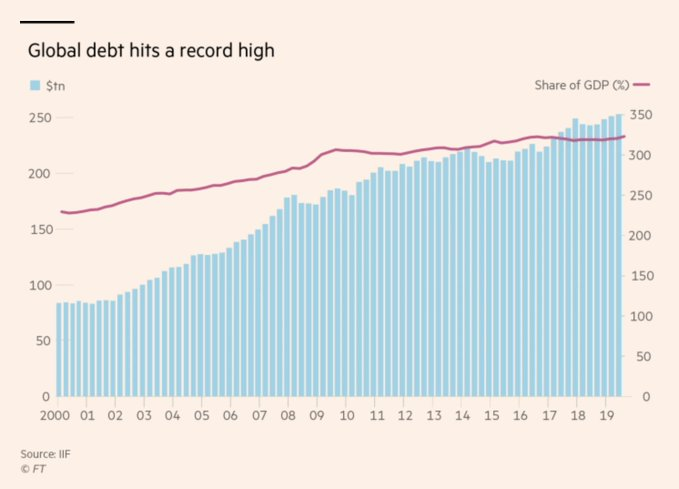
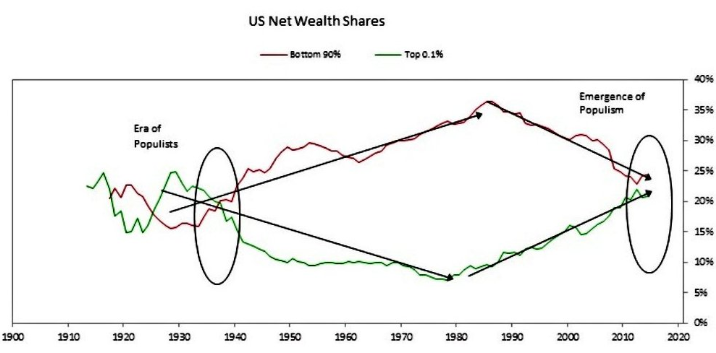
Long rant: This @WSJ article bemoaning the decline of price theory is really worth highlighting. The economic theories and so called "laws of economics" that the WSJ consistently and religiously defends, are the source of their authority, power and privilege.
So called economic "theories" like "you get paid exactly what you are worth" and "markets are perfectly efficient" and "when wages rise, jobs fall" and "raising taxes on the rich kills jobs and growth" and "increasing justice decreases economic efficiency" and...
"Government intervention in markets always creates more harm than good" and "any regulation that constrains corporations kills growth and productivity", etc etc are effectively a protection racket for the rich. It is a set of internally consistent and mathematized conjectures...
That are all demonstrably nonsense. But getting people to accept these "theories" as laws of nature and immutable, timeless truths is the most effective way our current economic elites have found to maintain and enhance the status of the powerful and persuade the weak and poor...
to shut the fuck up and accept their lot in life. Now, FINALLY, some economists- are actually beginning to look at the real world evidence to determine whether these propositions actually describe anything real here on planet earth. Let me save you some time. The answer is NO.
Hilarious. The WSJ editorial page bemoans the waning influence of The neoliberal priesthood, and hence their own. https://t.co/pQT8Dstg8I
— Nick Hanauer (@NickHanauer) January 28, 2021
So called economic "theories" like "you get paid exactly what you are worth" and "markets are perfectly efficient" and "when wages rise, jobs fall" and "raising taxes on the rich kills jobs and growth" and "increasing justice decreases economic efficiency" and...
"Government intervention in markets always creates more harm than good" and "any regulation that constrains corporations kills growth and productivity", etc etc are effectively a protection racket for the rich. It is a set of internally consistent and mathematized conjectures...
That are all demonstrably nonsense. But getting people to accept these "theories" as laws of nature and immutable, timeless truths is the most effective way our current economic elites have found to maintain and enhance the status of the powerful and persuade the weak and poor...
to shut the fuck up and accept their lot in life. Now, FINALLY, some economists- are actually beginning to look at the real world evidence to determine whether these propositions actually describe anything real here on planet earth. Let me save you some time. The answer is NO.


You May Also Like






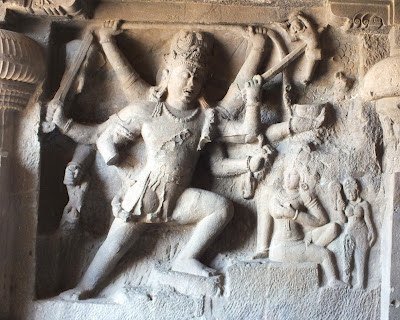

1/x Fort Detrick History
Mr. Patrick, one of the chief scientists at the Army Biological Warfare Laboratories at Fort Detrick in Frederick, Md., held five classified US patents for the process of weaponizing anthrax.
2/x
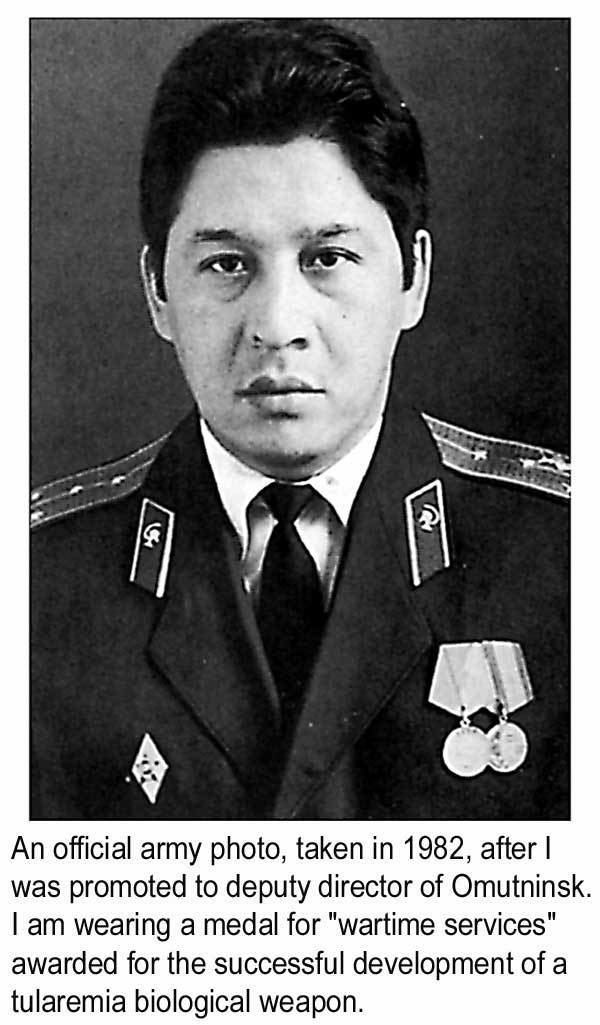
Under Mr. Patrick’s direction, scientists at Fort Detrick developed a tularemia agent that, if disseminated by airplane, could cause casualties & sickness over 1000s mi². In a 10,000 mi² range, it had 90% casualty rate & 50% fatality rate
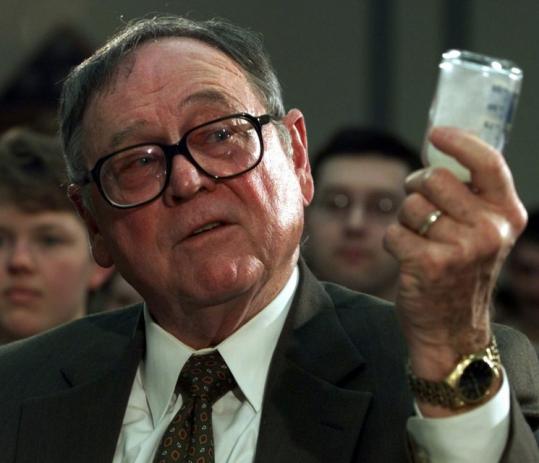
3/x His team explored Q fever, plague, & Venezuelan equine encephalitis, testing more than 20 anthrax strains to discern most lethal variety. Fort Detrick scientists used aerosol spray systems inside fountain pens, walking sticks, light bulbs, & even in 1953 Mercury exhaust pipes

4/x After retiring in 1986, Mr. Patrick remained one of the world’s foremost specialists on biological warfare & was a consultant to the CIA, FBI, & US military. He debriefed Soviet defector Ken Alibek, the deputy chief of the Soviet biowarfare program
https://t.co/sHqSaTSqtB
5/x Back in Time
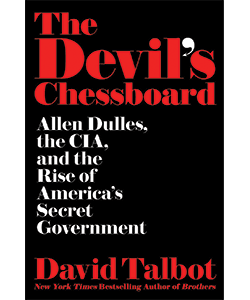
In 1949 the Army created a small team of chemists at "Camp Detrick" called Special Operations Division. Its assignment was to find military uses for toxic bacteria. The coercive use of toxins was a new field, which fascinated Allen Dulles, later head of the CIA
Mr. Patrick, one of the chief scientists at the Army Biological Warfare Laboratories at Fort Detrick in Frederick, Md., held five classified US patents for the process of weaponizing anthrax.
2/x
Under Mr. Patrick’s direction, scientists at Fort Detrick developed a tularemia agent that, if disseminated by airplane, could cause casualties & sickness over 1000s mi². In a 10,000 mi² range, it had 90% casualty rate & 50% fatality rate
3/x His team explored Q fever, plague, & Venezuelan equine encephalitis, testing more than 20 anthrax strains to discern most lethal variety. Fort Detrick scientists used aerosol spray systems inside fountain pens, walking sticks, light bulbs, & even in 1953 Mercury exhaust pipes
4/x After retiring in 1986, Mr. Patrick remained one of the world’s foremost specialists on biological warfare & was a consultant to the CIA, FBI, & US military. He debriefed Soviet defector Ken Alibek, the deputy chief of the Soviet biowarfare program
https://t.co/sHqSaTSqtB
5/x Back in Time
In 1949 the Army created a small team of chemists at "Camp Detrick" called Special Operations Division. Its assignment was to find military uses for toxic bacteria. The coercive use of toxins was a new field, which fascinated Allen Dulles, later head of the CIA