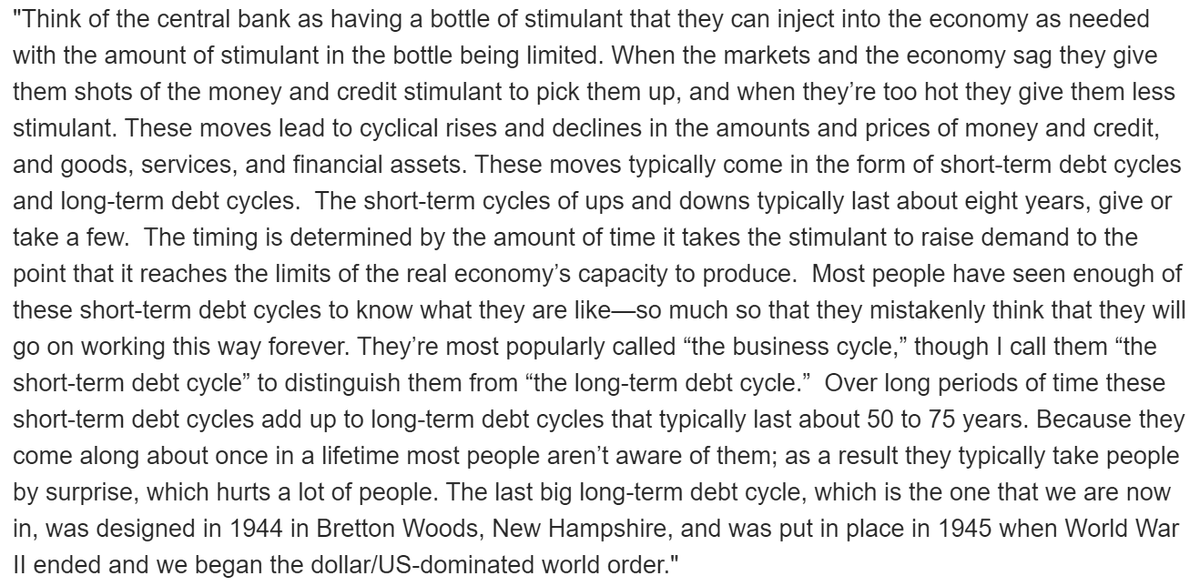
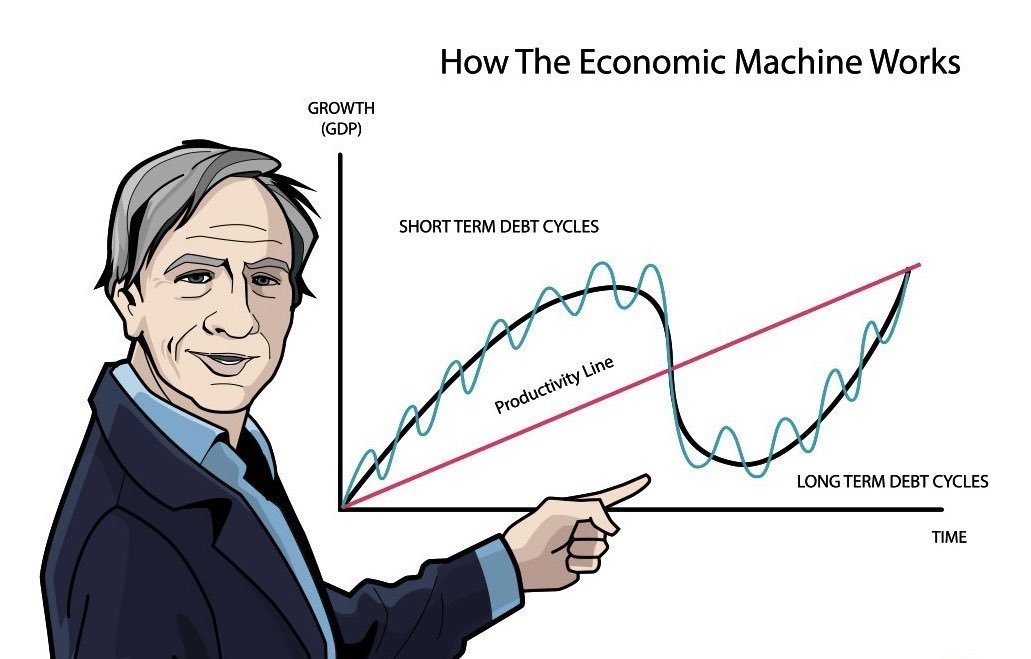
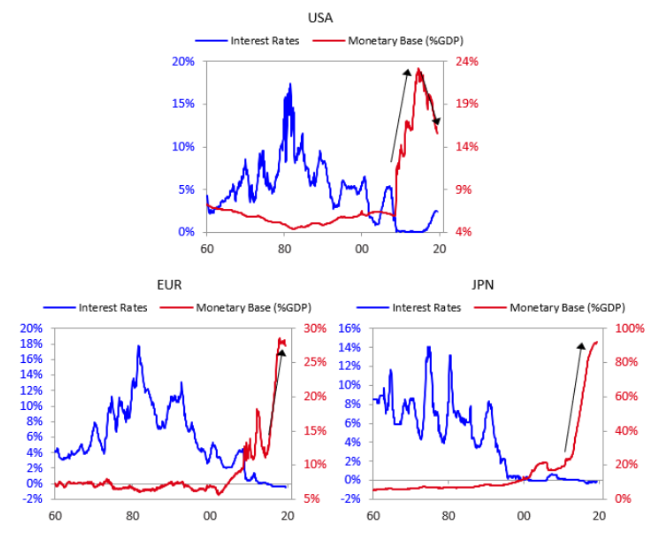
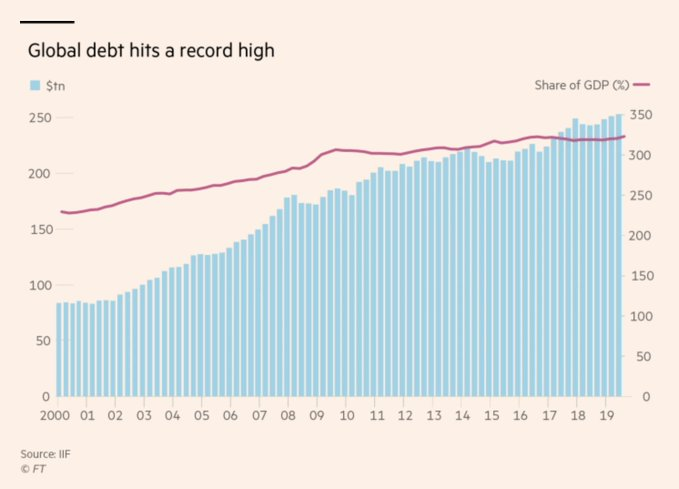
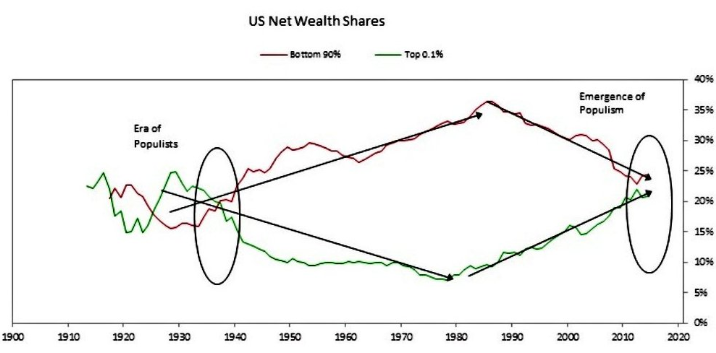
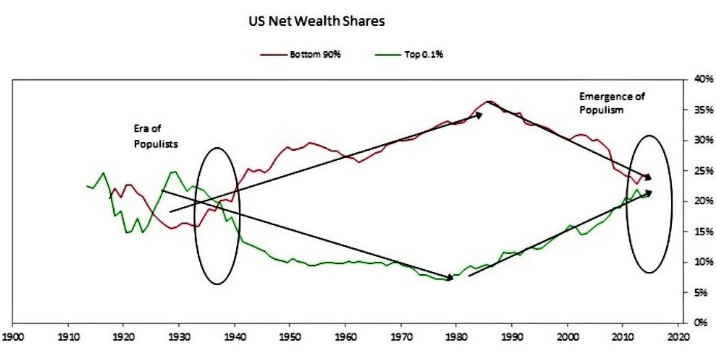
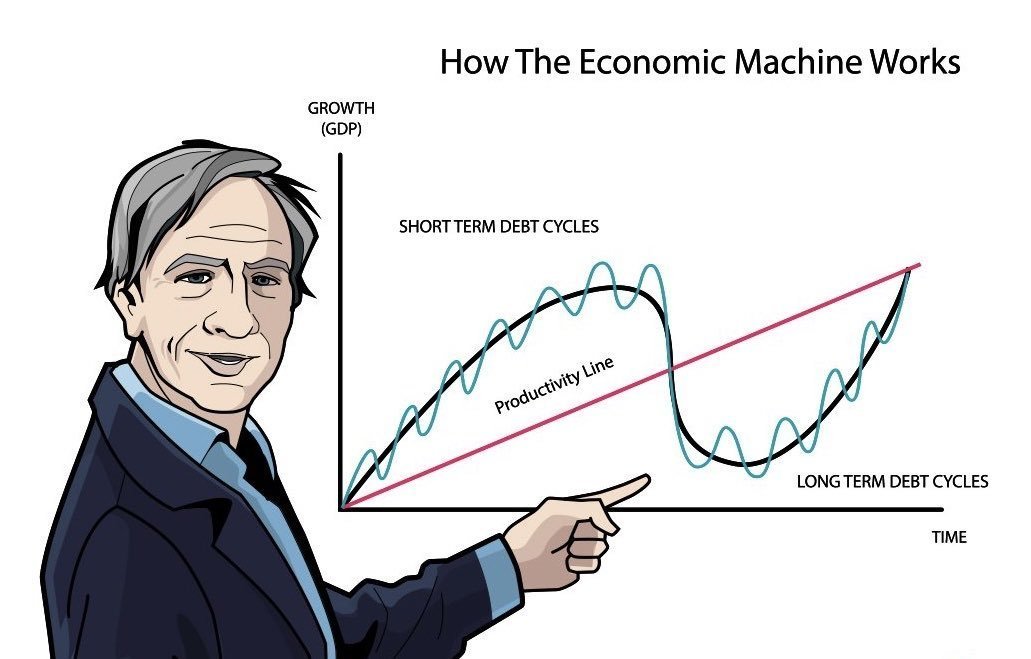
1/ In @RayDalio's perspective, we are at the very late stages of the long term debt cycle. These long term debt cycles typically take 50-75 years to play out. This cycle began in 1945 when World War II ended and we began the US dollar-dominated world order.
More from Kanekoa


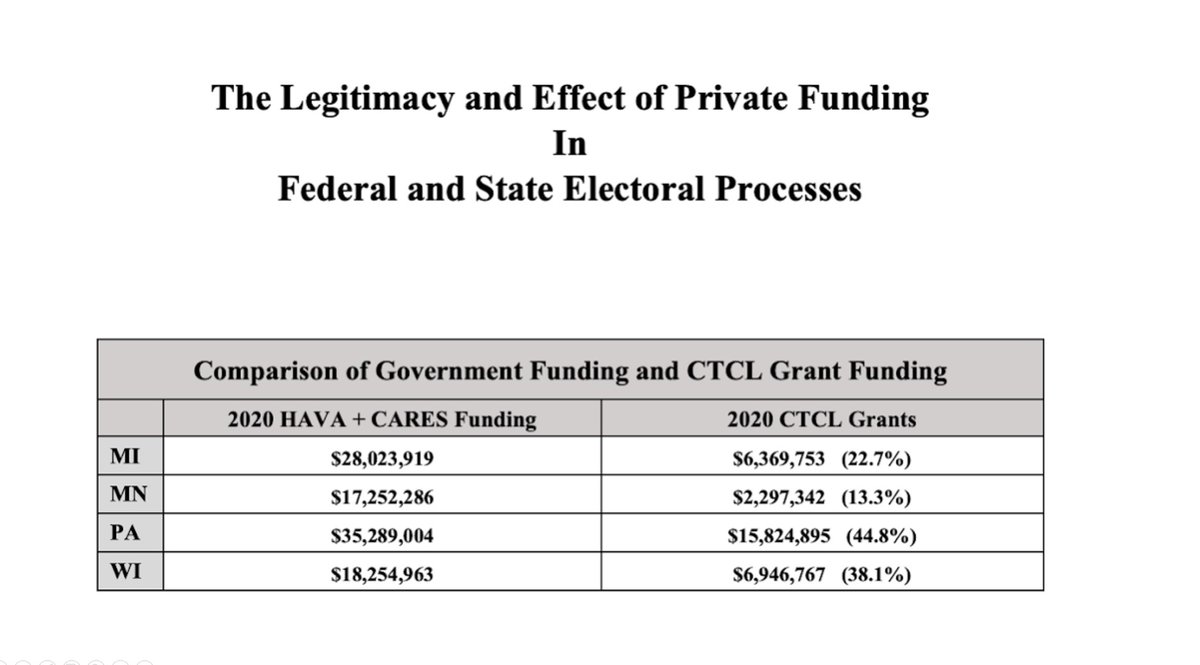

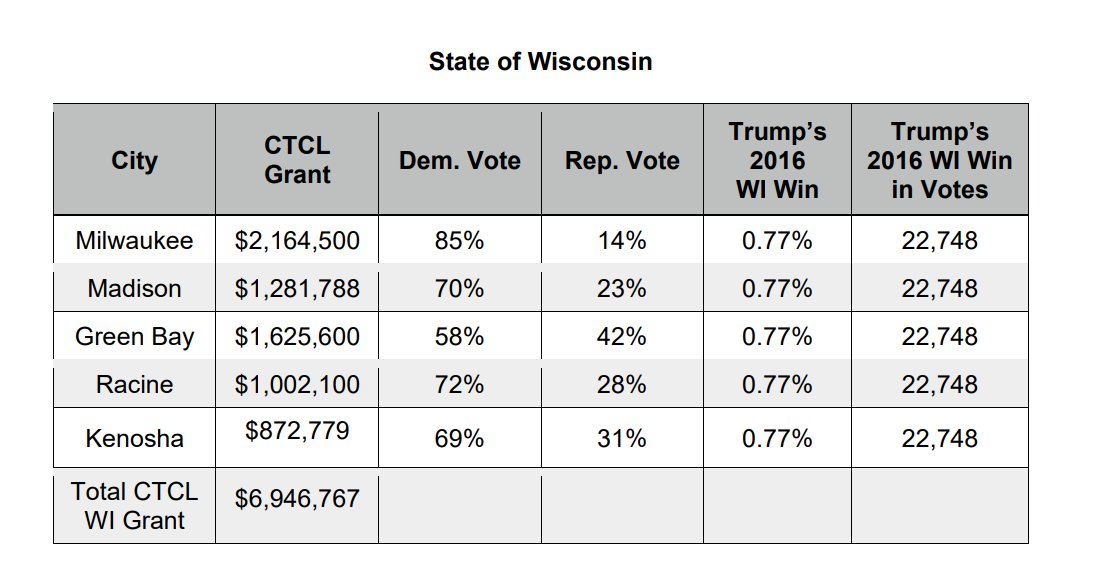


*The Election Map*
There is overwhelming evidence of election fraud in all contested states. Therefore it is the duty of the Executive, Legislative, & Judicial branches to throw out the fraudulent votes & to honor their oath to protect & defend the Constitution of the USA.🇺🇸🦅
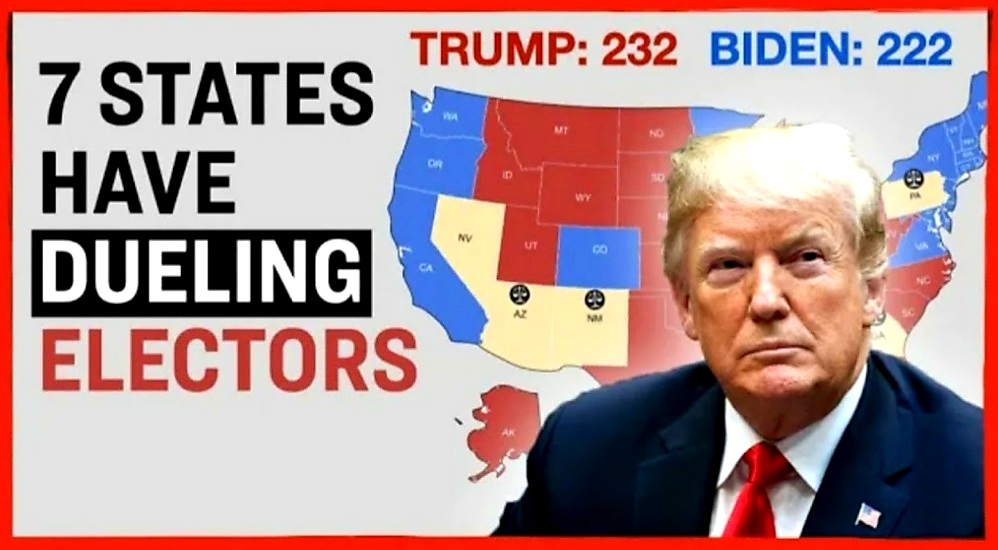
https://t.co/XP9LQuEPtY
https://t.co/LMeZ6uOfzW
There is overwhelming evidence of election fraud in all contested states. Therefore it is the duty of the Executive, Legislative, & Judicial branches to throw out the fraudulent votes & to honor their oath to protect & defend the Constitution of the USA.🇺🇸🦅
https://t.co/XP9LQuEPtY
*The Evidence Collection*
— Kanekoa (@KanekoaTheGreat) December 29, 2020
There is overwhelming evidence of election fraud. Therefore it is the duty of the Executive, Legislative, & Judicial branches to throw out the fraudulent votes & to honor their oath to protect & defend the Constitution of the USA.\U0001f1fa\U0001f1f8\U0001f985
A list below.\U0001f53b pic.twitter.com/x57NgPVhhd
https://t.co/LMeZ6uOfzW
Thread of my threads. pic.twitter.com/KCQ1AOoIn3
— Kanekoa (@KanekoaTheGreat) November 23, 2020
More from Economy


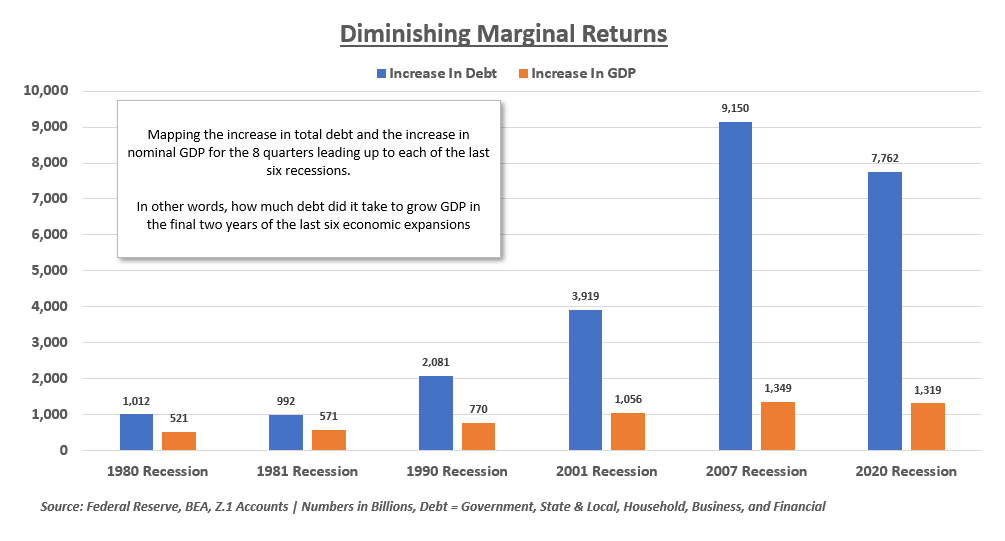

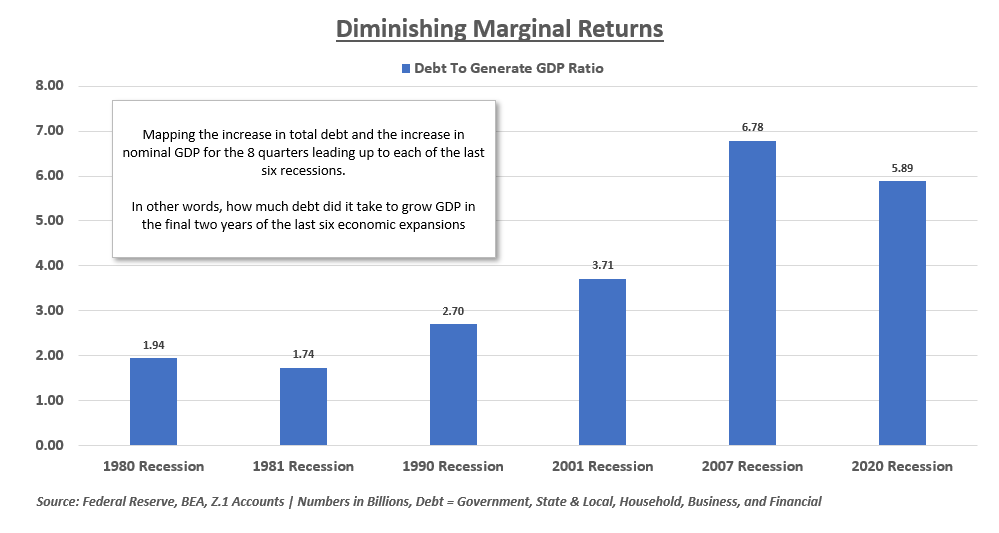


1/OK, let's take a little break from Coup Twitter, and think about an economic issue:
How can we build up the wealth of the middle class?
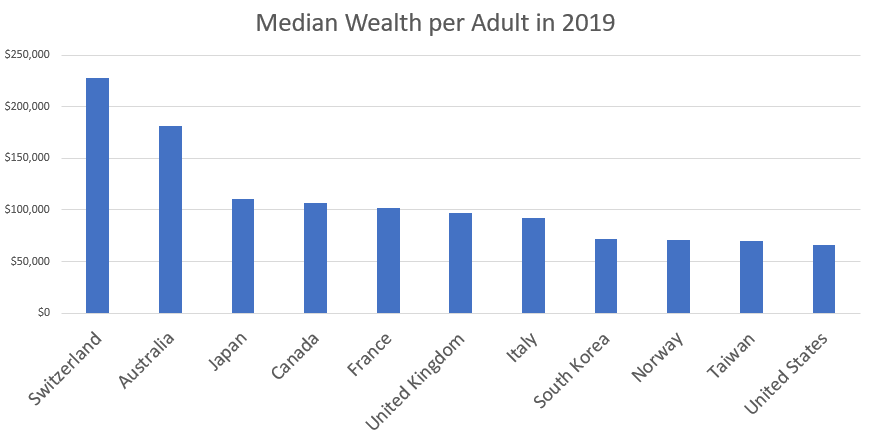
2/The typical American has surprisingly little wealth compared to the typical resident of many other developed countries.
This is a fact that is not widely known or appreciated.
3/Now, some people argue that stuff like Social Security or social insurance programs should be included in wealth. But I chose to focus on private wealth because I think having assets you can sell whenever you want is important to
4/For many decades after World War 2, middle-class wealth in America was on a smooth upward trajectory.
Then the housing crash came, and all that changed. Suddenly the rich were still doing well but everyone else was seeing the end of their American Dream.
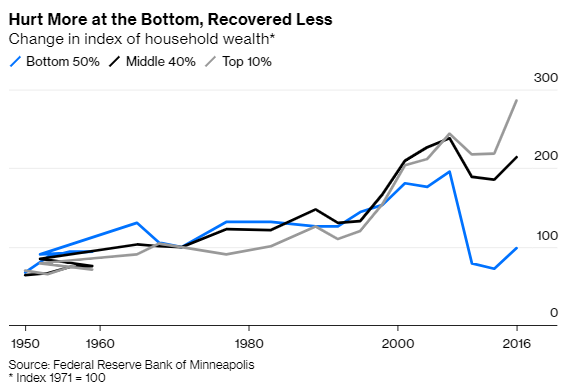
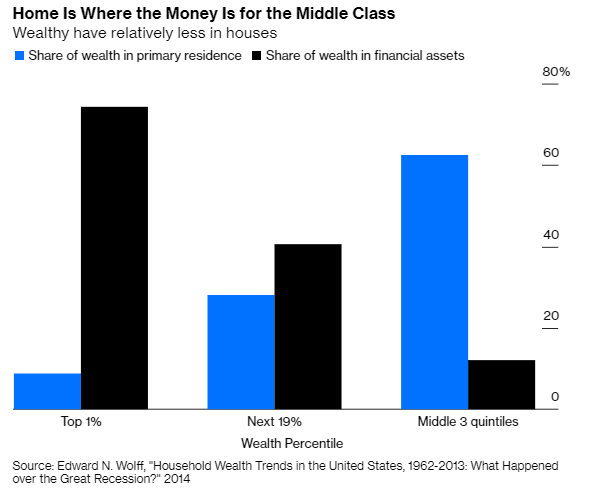
5/Why the divergence?
Because the American middle class has its wealth in houses -- specifically, in the houses they live in.
It's the rich who own stocks.
How can we build up the wealth of the middle class?
2/The typical American has surprisingly little wealth compared to the typical resident of many other developed countries.
This is a fact that is not widely known or appreciated.
3/Now, some people argue that stuff like Social Security or social insurance programs should be included in wealth. But I chose to focus on private wealth because I think having assets you can sell whenever you want is important to
Yes, these numbers don't include things like Social Security, just privately held wealth. They're not an attempt to capitalize every possible future income stream.
— Noahtogolpe \U0001f407 (@Noahpinion) January 10, 2021
4/For many decades after World War 2, middle-class wealth in America was on a smooth upward trajectory.
Then the housing crash came, and all that changed. Suddenly the rich were still doing well but everyone else was seeing the end of their American Dream.
5/Why the divergence?
Because the American middle class has its wealth in houses -- specifically, in the houses they live in.
It's the rich who own stocks.


True that all the people cherishing the support of IMF or WTO for farm reforms need to cool it down a bit, because that is a model we do not want to emulate to the t in India here.
But here are some issues that deserve to be better discussed by all:
1. People who say we are emulating the Western model of agriculture are way off with this assumption. The process of primitive accumulation, the alienation of their people from their land and the way these 'first-world' countries have pushed their people into Industrial sector +
+ was a merciless phase.
But the same assumption won't work for India, because we have always had a large workforce in agriculture, agri subsidies have always run high, protection has been the hallmark of agriculture and rural representation in the parliament has always been+
+ high. Still, it is our utter failure from the beginning that we have not been able to incentivize the movement of our people to other lucrative sectors.
2. This brings us to the another point of providing MSP on all the commodities and the demand side of the issue that we+
+ conveniently ignore. Here's the thing, Food prices in India have about 65-70% weight in calculating the Consumer Price Index and 25-30% of wholesale price index. These indices affect the general price level in the economy i.e. the inflation. If MSP is offered on all the+
But here are some issues that deserve to be better discussed by all:
WTO backed by Western countries have always wanted to dismantle support systems for farmers in developing countries including India while pumping in federal payments to its farmers. Trump gave 46 billion dollars in 2020 alone to US farmers. pic.twitter.com/0V34ZQQq4J
— Ranveer Singh (@ranveersiiingh) February 4, 2021
1. People who say we are emulating the Western model of agriculture are way off with this assumption. The process of primitive accumulation, the alienation of their people from their land and the way these 'first-world' countries have pushed their people into Industrial sector +
+ was a merciless phase.
But the same assumption won't work for India, because we have always had a large workforce in agriculture, agri subsidies have always run high, protection has been the hallmark of agriculture and rural representation in the parliament has always been+
+ high. Still, it is our utter failure from the beginning that we have not been able to incentivize the movement of our people to other lucrative sectors.
2. This brings us to the another point of providing MSP on all the commodities and the demand side of the issue that we+
+ conveniently ignore. Here's the thing, Food prices in India have about 65-70% weight in calculating the Consumer Price Index and 25-30% of wholesale price index. These indices affect the general price level in the economy i.e. the inflation. If MSP is offered on all the+