EVs DO NOT EMIT MORE PM
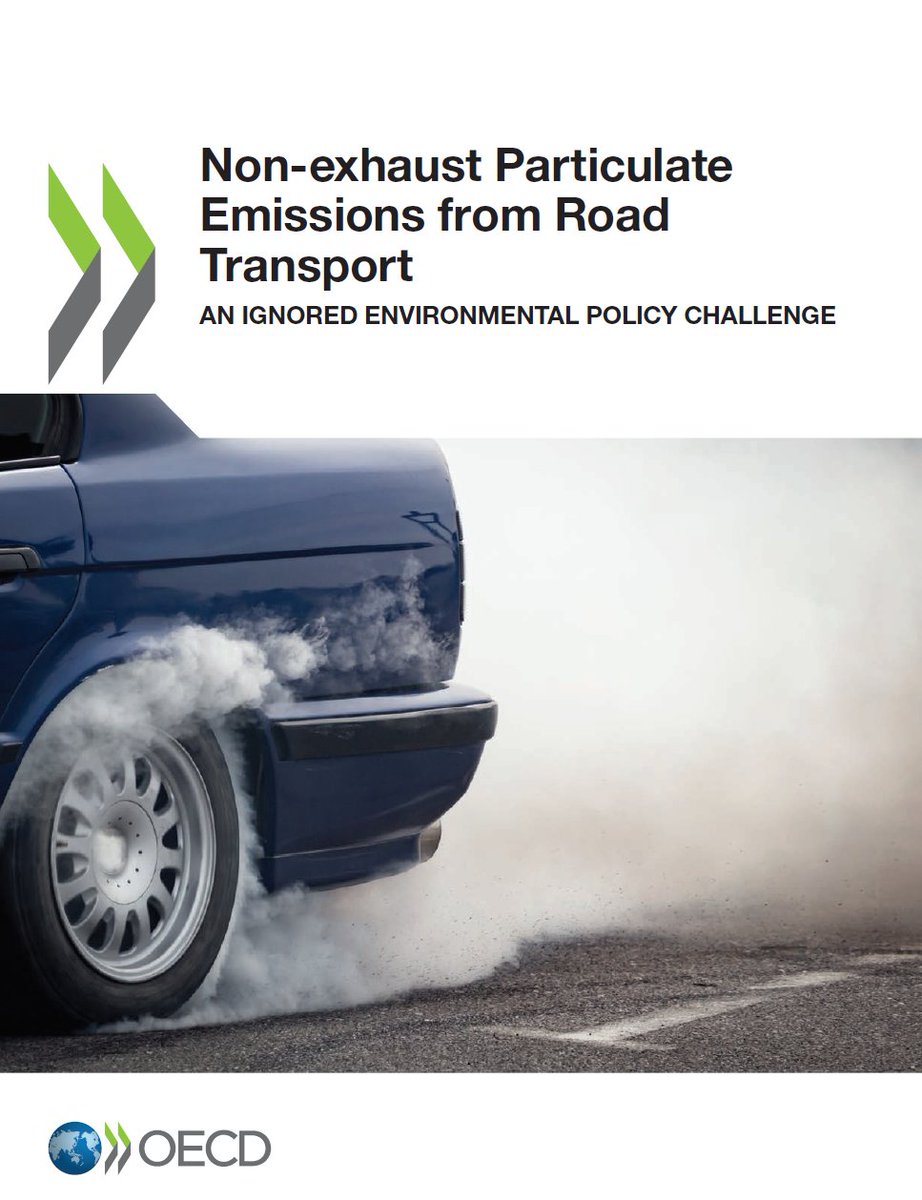
Recently @OECD published a report about particulate matter (PM) from road transport. Newspaper headlines blared that electric vehicles where worse than combustion vehicles. That conclusion was wrong according to the report itself.
Let me show you.
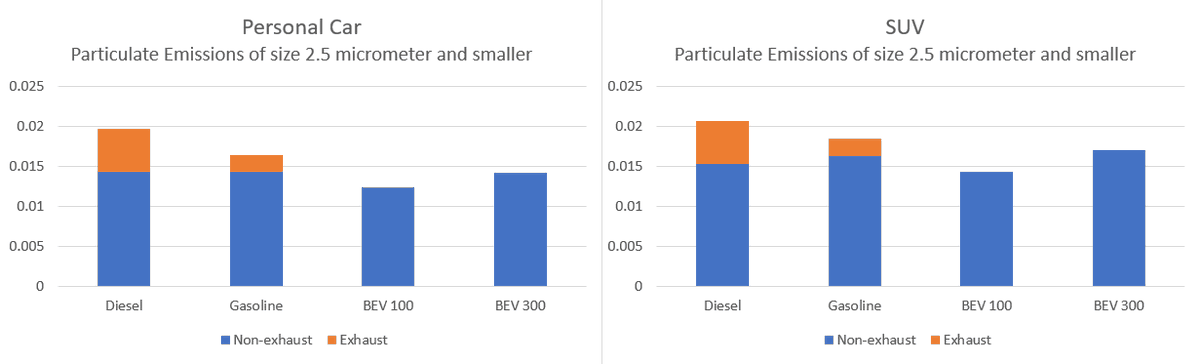
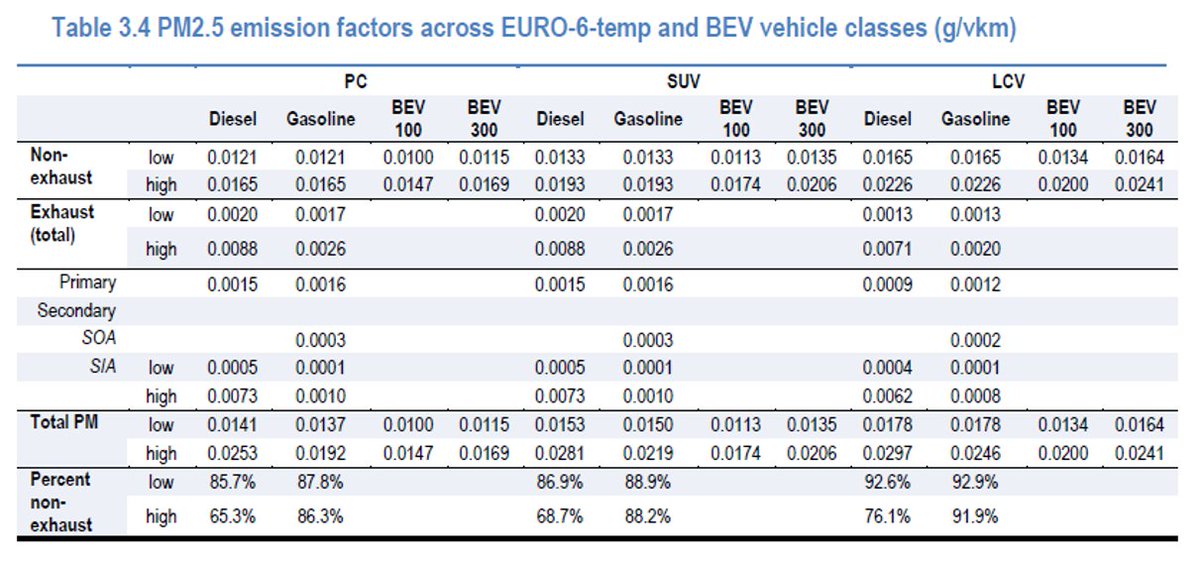
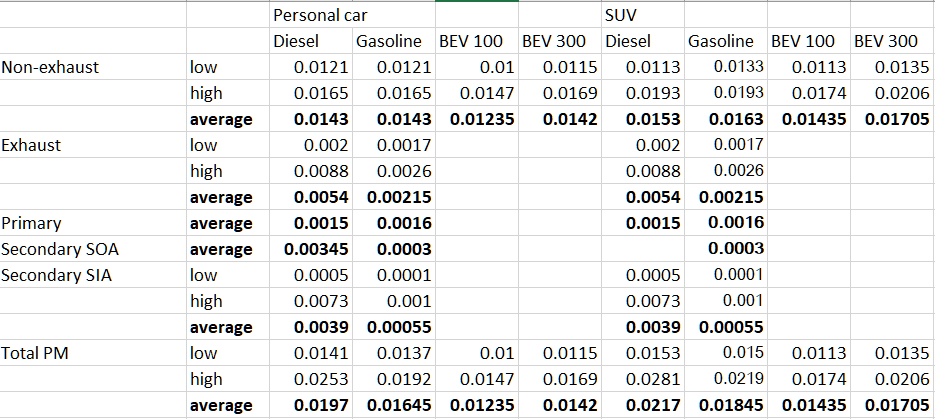
The table comparing electric and combustion engines is on page 92. I took averages of low and high values to get the graph in the first tweet.
We have ignored this problem for too long, and there's more here than simply exhaust!
1) Electric vehicle weight
It estimates batteries at 10 kg/kWh when in reality it's already below half of that. So it makes electric vehicles much too heavy and doesn't take into account that in 2030 they will be much lighter still.
We know that the stuff that comes out of the exhaust pipe is really bad for your health.
How that compares to sand and rubber from the road (gram for gram and particle for particle) is still completely unclear. They state this clearly themselves.
But how much is how bad and what is the impact of particle size? For the stuff that's not from the exhaust we basically have no idea.
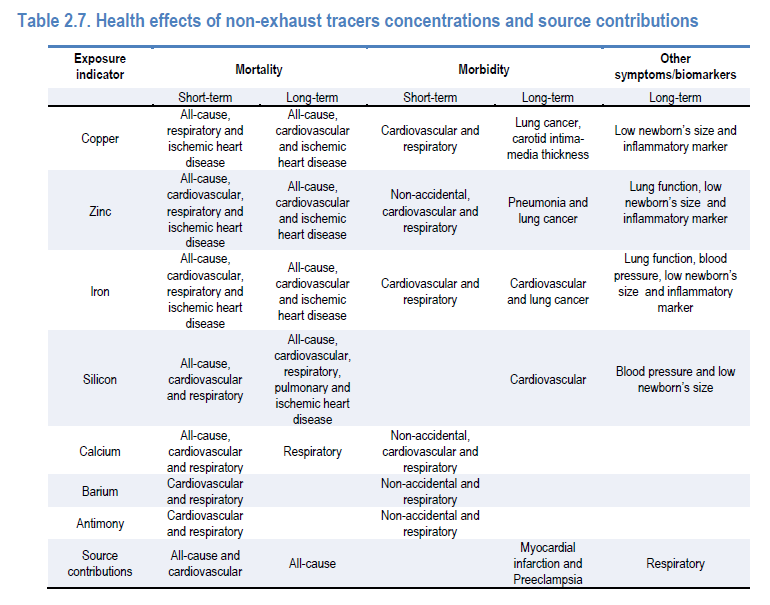
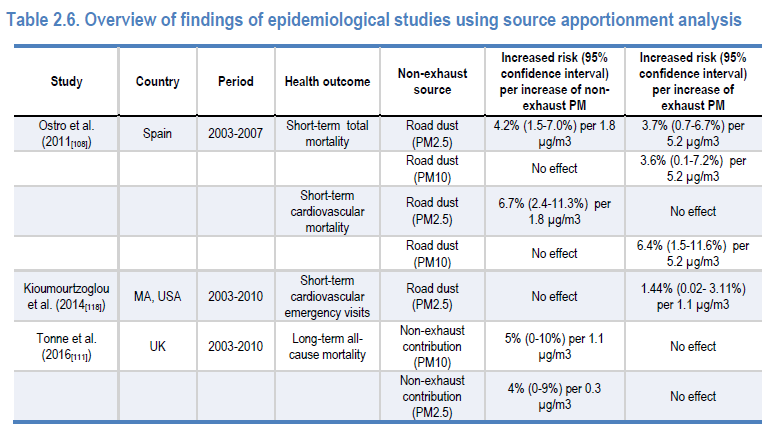
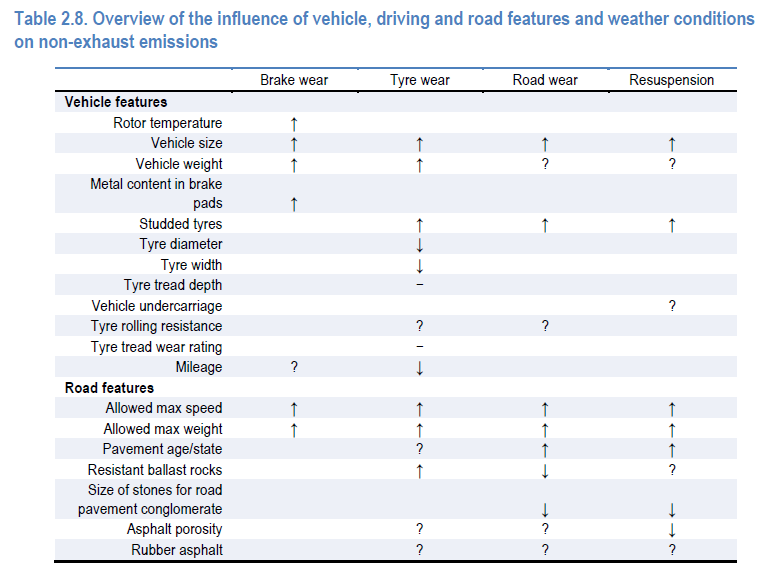
We know particles emitted from the road and the wheels of cars make us sick but that's about it. More research is urgently needed so we can avoid millions of deaths.
By switching to electric vehicles we are probably eliminating some of the most harmful emissions (from tailpipes and brake pads).
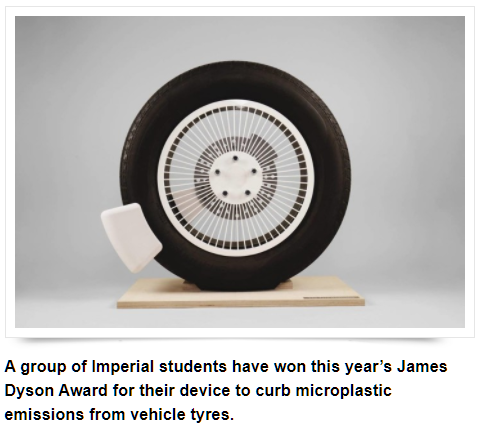
We could try to make tires more wear resistant (probably not a top priority of manufacturers).
We can construct roads in a way that traps part of the particles or we might even vacuum them up before they are released out into the open.https://t.co/mxA62vhuDG
More from Economy




1) Well, also there is this:
For 400 years inflation has NOT been in a "mountain range" of up and down, but rather stair-stepped in giant increases, always associated with major transformations in economic arrangements.
For 400 years inflation has NOT been in a "mountain range" of up and down, but rather stair-stepped in giant increases, always associated with major transformations in economic arrangements.
The only way that debt comes down is if rest of world flips to trade deficit status w/US (I.e., trades accumulates $USD from prior trade surpluses w/US for actual goods & services). Not likely anytime soon. $USD as global reserve currency requires massive public debt.
— David "Most Vicious Dogs & Ominous Weapons" Herr (@davidcherr) January 15, 2021

You May Also Like







THREAD: 12 Things Everyone Should Know About IQ
1. IQ is one of the most heritable psychological traits – that is, individual differences in IQ are strongly associated with individual differences in genes (at least in fairly typical modern environments). https://t.co/3XxzW9bxLE
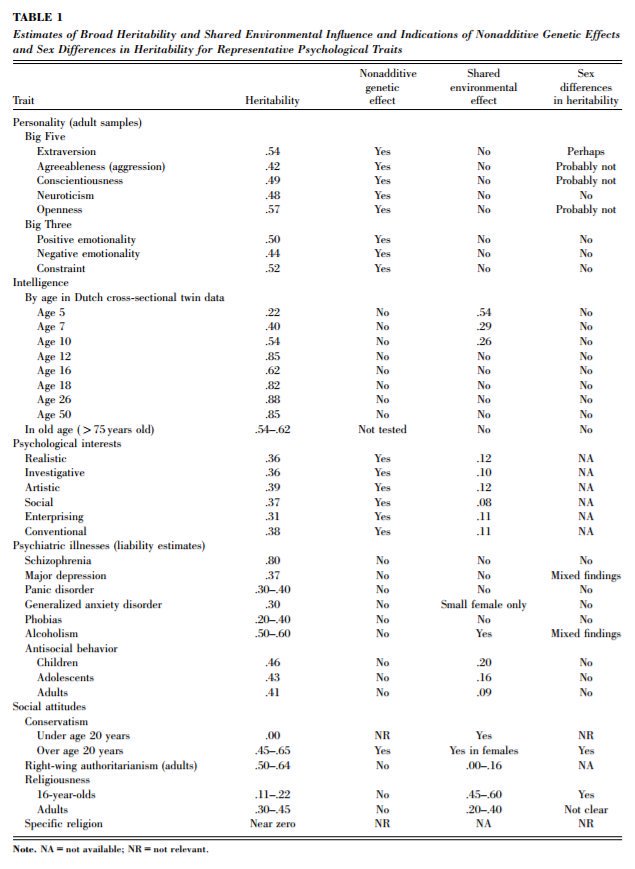
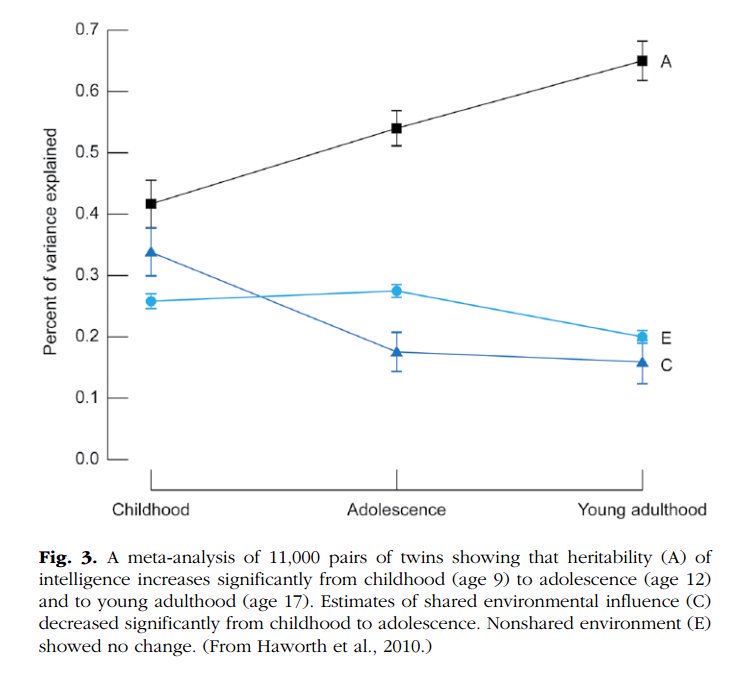
2. The heritability of IQ *increases* from childhood to adulthood. Meanwhile, the effect of the shared environment largely fades away. In other words, when it comes to IQ, nature becomes more important as we get older, nurture less. https://t.co/UqtS1lpw3n
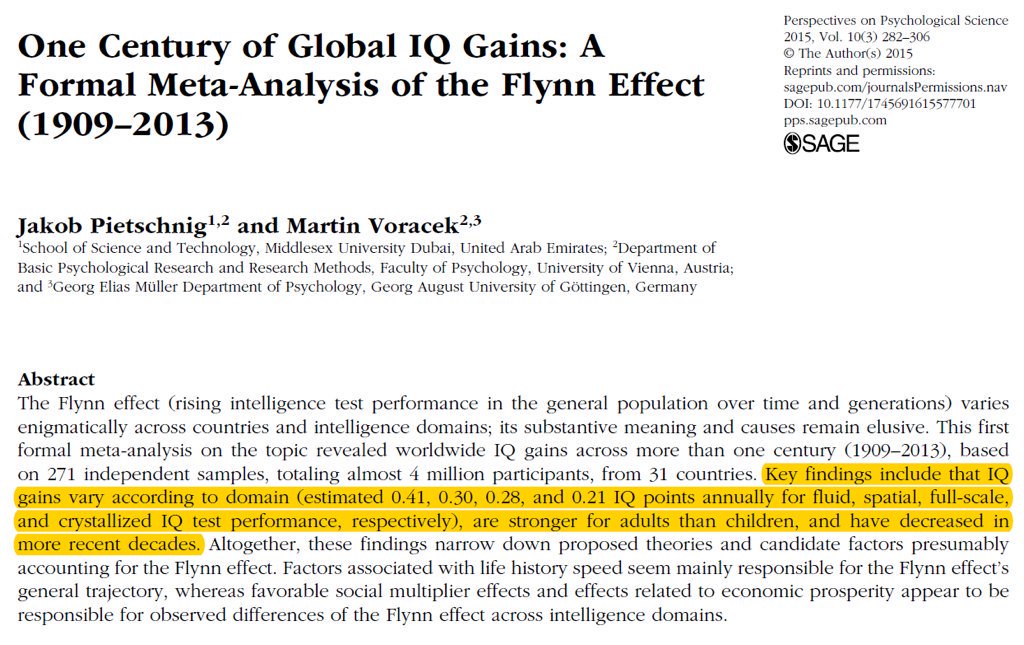
3. IQ scores have been increasing for the last century or so, a phenomenon known as the Flynn effect. https://t.co/sCZvCst3hw (N ≈ 4 million)
(Note that the Flynn effect shows that IQ isn't 100% genetic; it doesn't show that it's 100% environmental.)
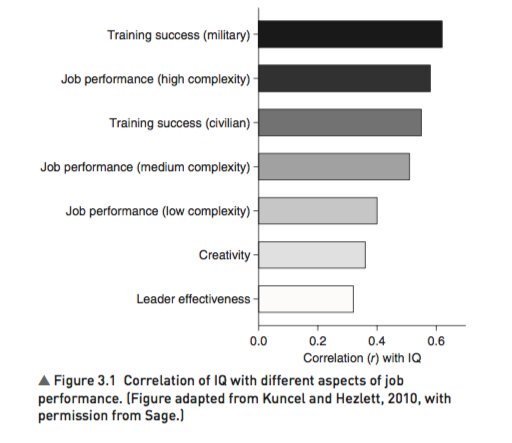
4. IQ predicts many important real world outcomes.
For example, though far from perfect, IQ is the single-best predictor of job performance we have – much better than Emotional Intelligence, the Big Five, Grit, etc. https://t.co/rKUgKDAAVx https://t.co/DWbVI8QSU3
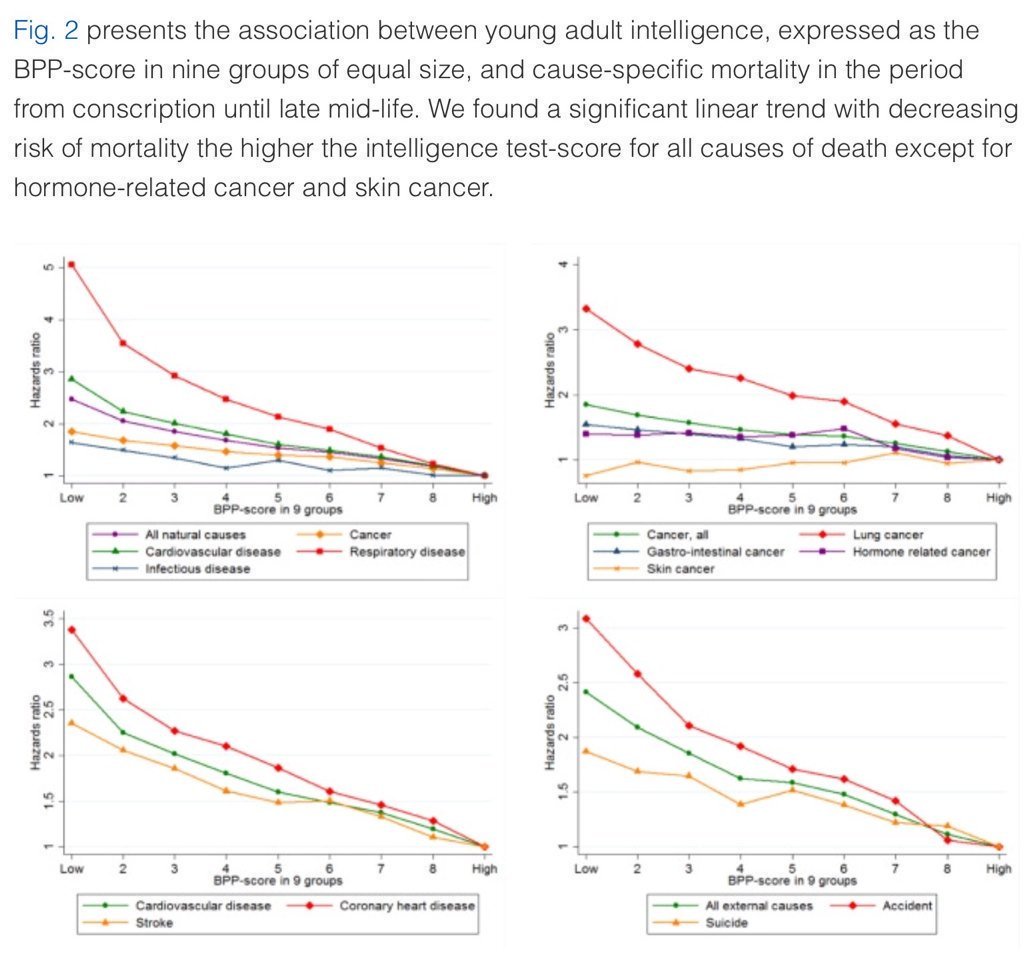
5. Higher IQ is associated with a lower risk of death from most causes, including cardiovascular disease, respiratory disease, most forms of cancer, homicide, suicide, and accident. https://t.co/PJjGNyeQRA (N = 728,160)
1. IQ is one of the most heritable psychological traits – that is, individual differences in IQ are strongly associated with individual differences in genes (at least in fairly typical modern environments). https://t.co/3XxzW9bxLE
2. The heritability of IQ *increases* from childhood to adulthood. Meanwhile, the effect of the shared environment largely fades away. In other words, when it comes to IQ, nature becomes more important as we get older, nurture less. https://t.co/UqtS1lpw3n
3. IQ scores have been increasing for the last century or so, a phenomenon known as the Flynn effect. https://t.co/sCZvCst3hw (N ≈ 4 million)
(Note that the Flynn effect shows that IQ isn't 100% genetic; it doesn't show that it's 100% environmental.)
4. IQ predicts many important real world outcomes.
For example, though far from perfect, IQ is the single-best predictor of job performance we have – much better than Emotional Intelligence, the Big Five, Grit, etc. https://t.co/rKUgKDAAVx https://t.co/DWbVI8QSU3
5. Higher IQ is associated with a lower risk of death from most causes, including cardiovascular disease, respiratory disease, most forms of cancer, homicide, suicide, and accident. https://t.co/PJjGNyeQRA (N = 728,160)