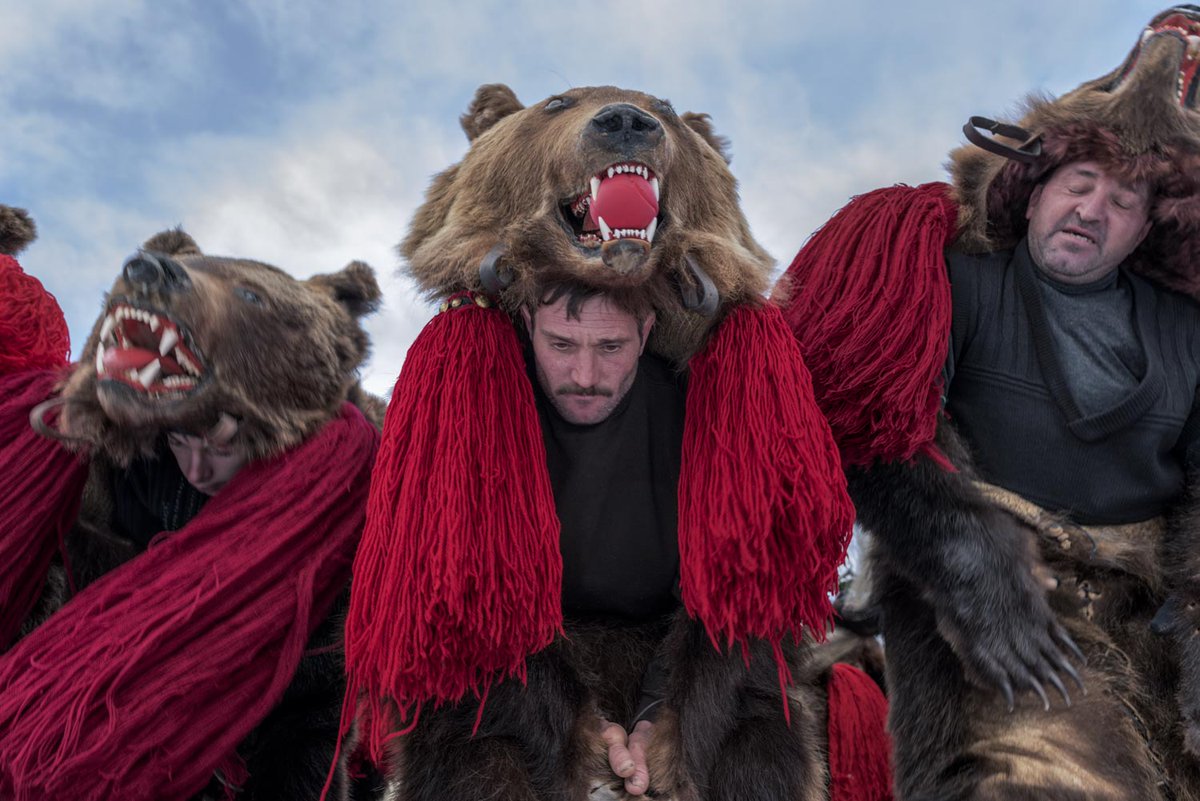
They dance to the rhythm of drums. In the end a ritual scene is performed in which the bear collapses because a demon is inside him. The "Gypsy" comes with a knife and bleeds the bear, lets the demon out and the bear gets resurrected
https://t.co/QMEHD8wdmC via
@YouTube
In some versions of the tradition, the bear, the Gypsy and the drummers also go from house to house in the village, singing and dancing to ward off evil and bring good luck...
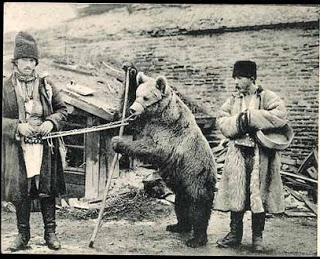
Officially "It’s thought that the tradition of dancing bears originated many centuries ago among the Roma who would visit villages just before New Year with real bears on leashes to dance and chase away bad spirits from the outgoing year"...
https://t.co/JmVZS9ClBG
I can see why people would think that this ritual could have Roma origin...Roma's with their dancing bears were until recently a common scene in Eastern Europe...
I wrote about this in my post about St Gallen and the bear...https://t.co/OIZJrGAmwo
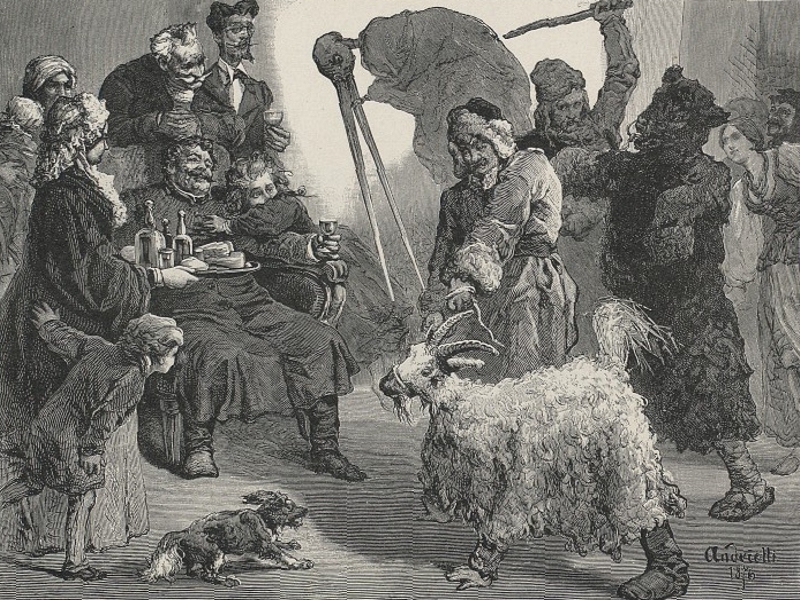
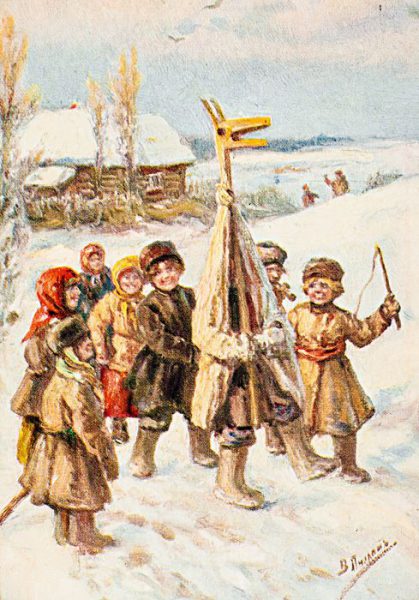
The thing is, at the end of the Solar Year, we also find Dancing bears in Slavic countries of Eastern Europe...But there, the bear is not dancing alone. He is dancing with a goat and a stork...
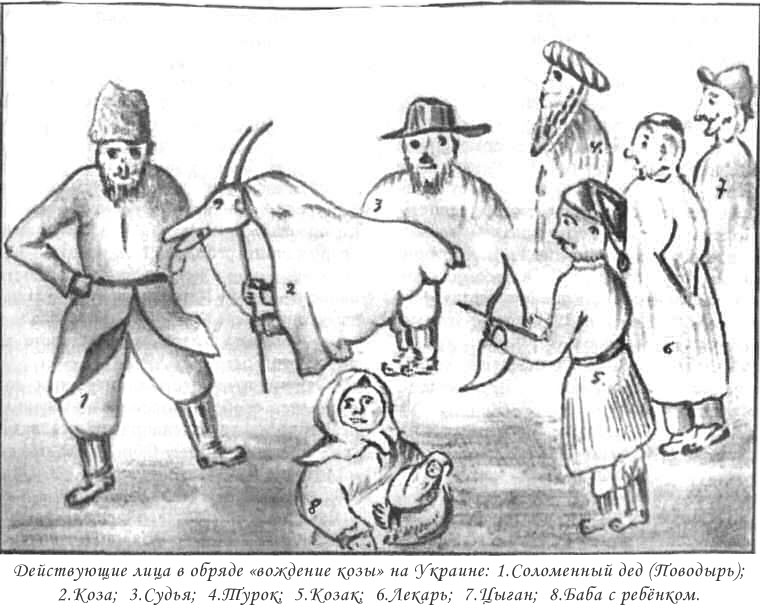
In Slavic countries however the bear is not the main character in this ritual dance...The goat is...The dancing goat, which also gets killed, bled and then resurrected...
https://t.co/dnBk6Zy3ED
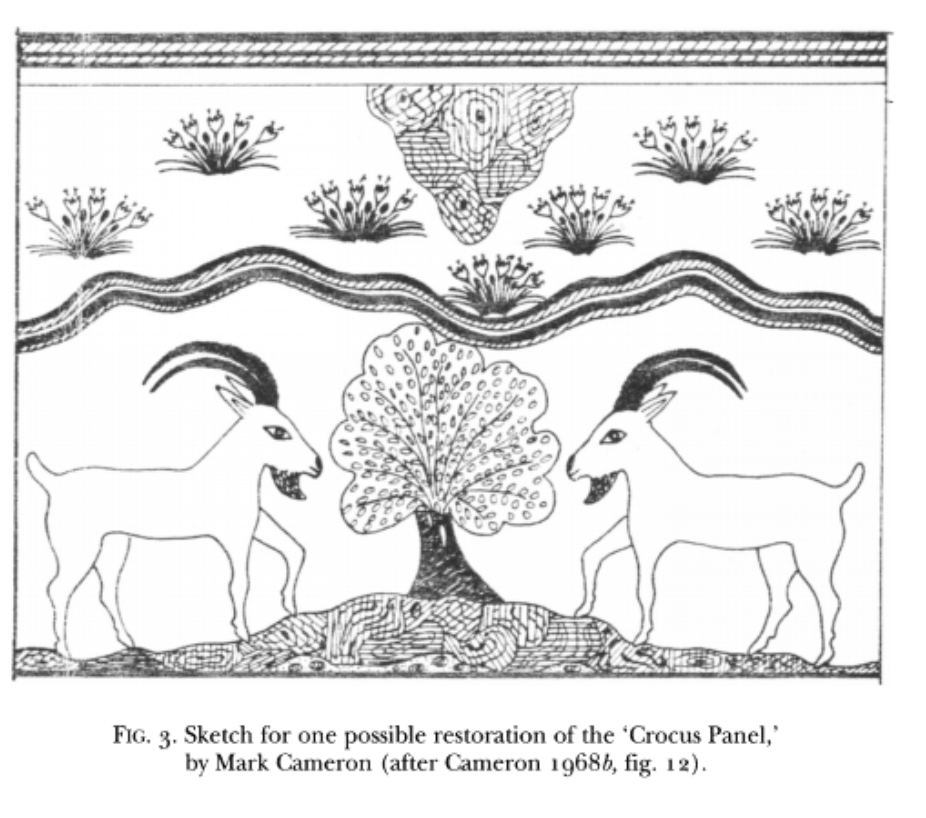
The goat is the most common symbol for winter in Eurasia...
https://t.co/yELaHR8tLV
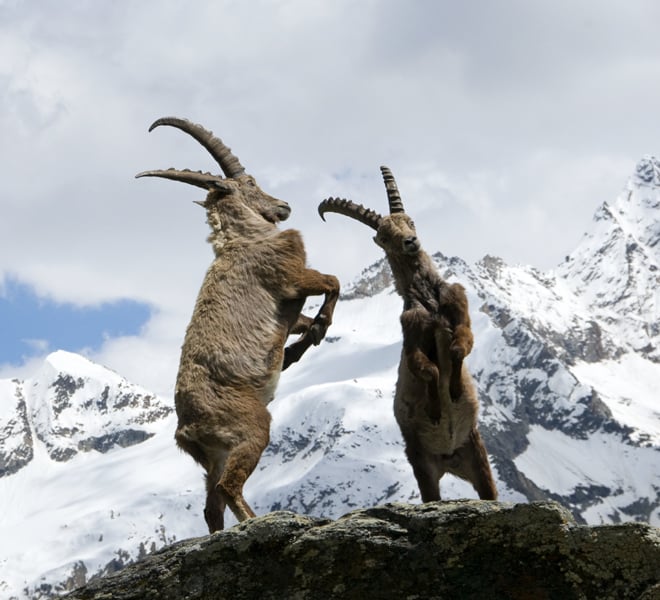
This is because ibex goats start their mating season at the beginning of winter...End of October beginning of November...
https://t.co/Im9vqopbWm
In Eastern Mediterranean, Middle East, Central Asia, Mesopotamia...wild goat mating season coincided with the beginning of the rain season which was source of life in those dry areas...Which made the wild goat symbol of rain, life, resurrecting nature...
https://t.co/6KWv1BEl97
But in continental Europe, winter brought by the dancing wild goats wasn't the season of life...It was the season of death by cold...Which is why in Europe goat became symbol of winter cold...
https://t.co/fx5cOpNhkF
Because in continental Europe nature dies at the beginning of winter, and gets resurrected at the end of winter. Because winter is the season of the goat, the goat has to die, so nature can get resurrected...
Which is exactly what is described in the Slovenian legend about Zlatorog (Gold horn): Hunter kills the goat from whose blood grows magic flower...
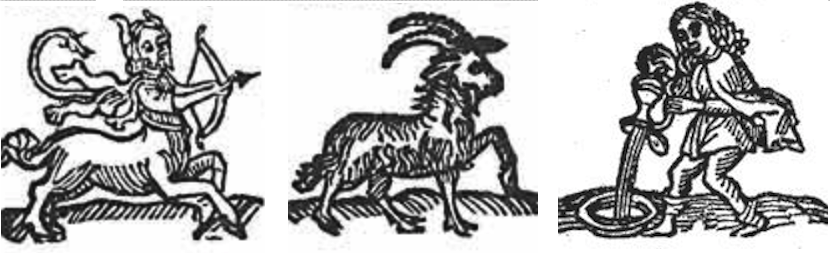
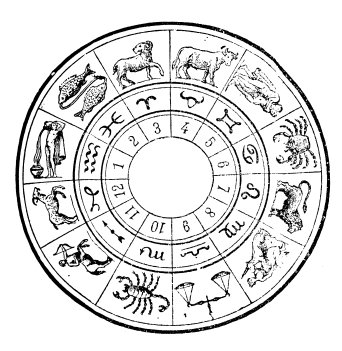
https://t.co/yiC97vnuXD And what is depicted by the winter zodiac: Sagittarius, Capricorn, Aquarius (When snow melt brings Spring)
Anyway back to the dancing bears...In Slavic end of Solar Year ritual dances, the bear and stork are accompanying the dancing, dying and resurrecting goat, because they are also in a way, dying and resurrecting...
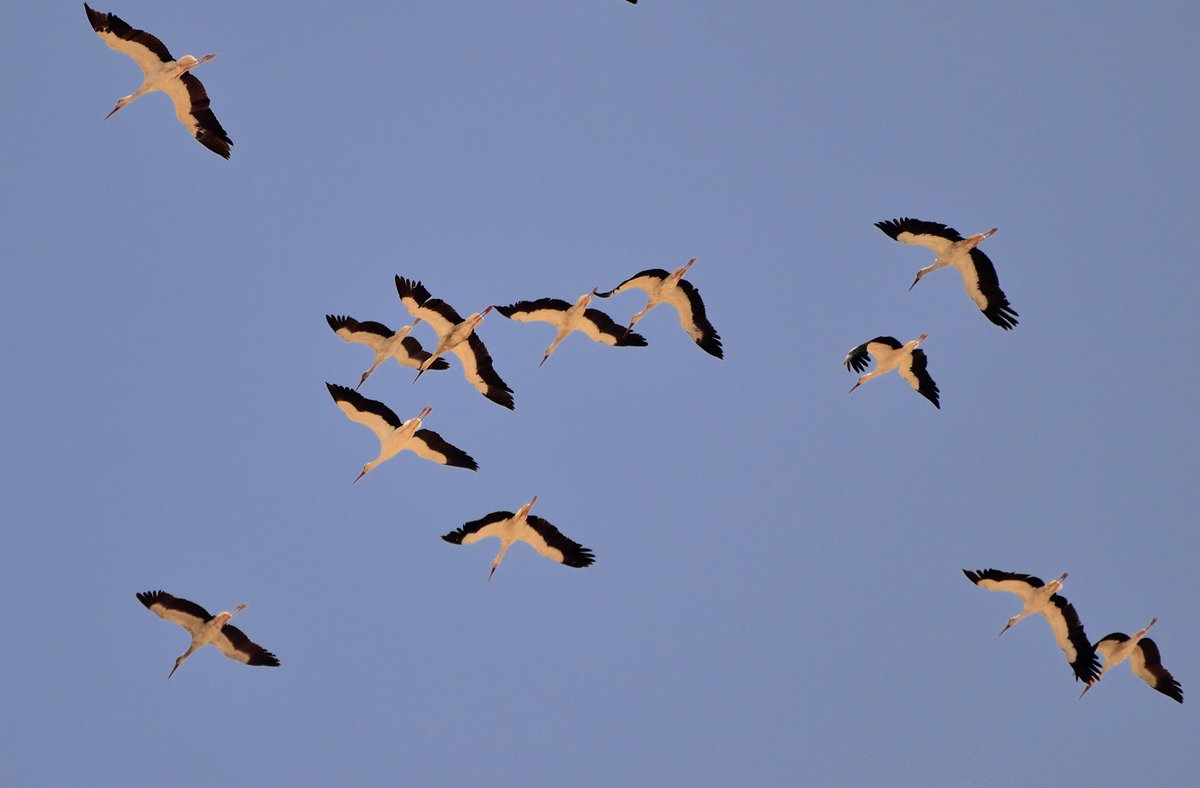
In the past people didn't know what happens with the migratory birds in the autumn...Slavs believed that migratory birds went with the sun to the land of the dead...
https://t.co/FMynv2LTto
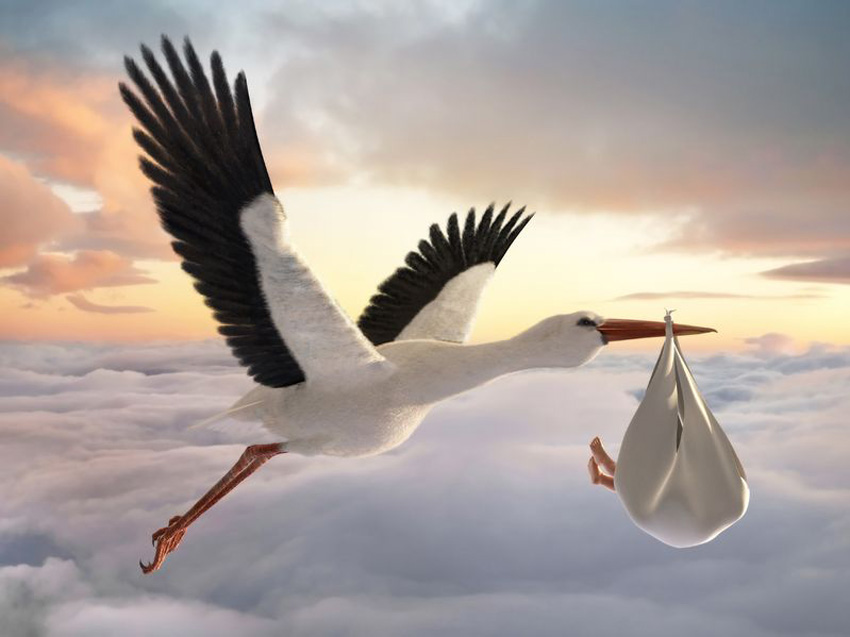
Slavs also believed that on their return from the land of the dead, in the spring, the migratory birds brought souls that are ready to be reborn...Sounds suspiciously like "storks bringing babies"???
So storks "died" (went to the otherworld taking with them the souls of the recently deceased) at the end of autumn, when nature died too. And were "resurrected" (came back from the otherworld bringing with them the souls of then future children) when nature was resurrected too...
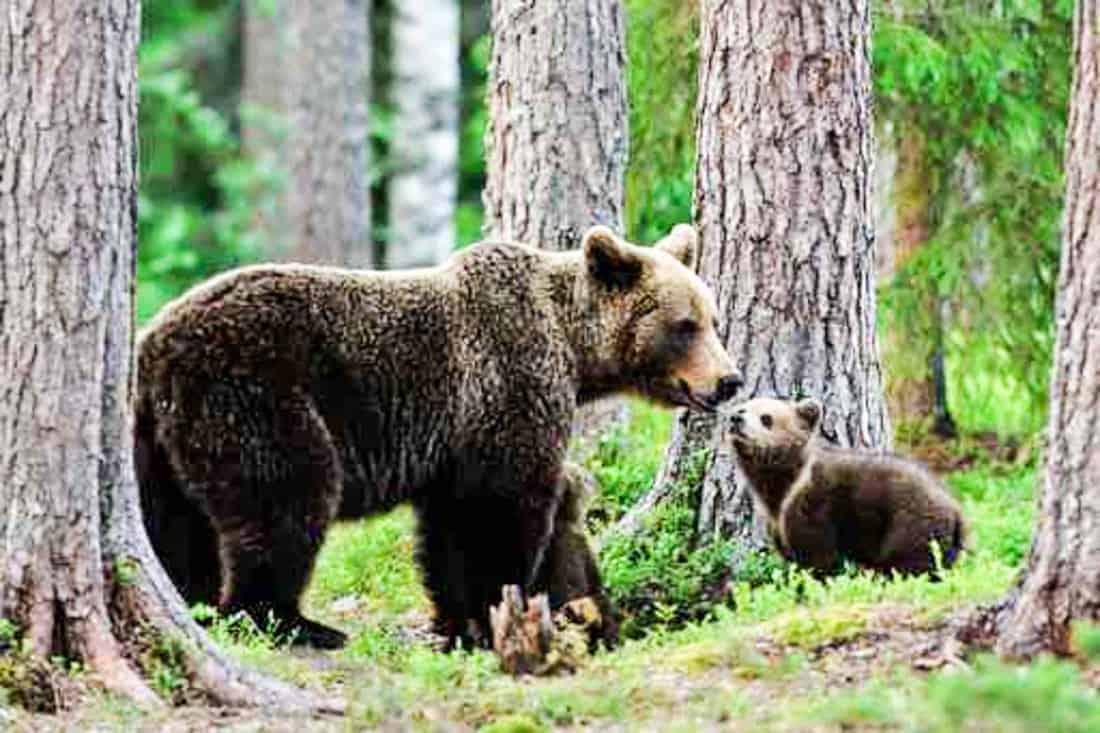
Now finally back to bears :) The bear disappears at the end of autumn (goes to hibernation, goes underground, to the underworld) where it spends the winter...It comes out of hibernation, underground, underworld at the beginning of spring...With the cubs...
Back to the Romanian bear ritual again:
Bear dances (spring, summer, autumn)
Bear collapses because a demon is inside him (beginning of winter)
Bear is killed and bled to let the demon out (winter, hibernation-death)
Bear gets resurrected and dances again (spring, summer...)
This is just another version of the same death - resurrection of nature ritual, part of the same Old European belief system which was built around European climate...And which was populated by animal symbols, basically animal calendar markers based on animal behavior in Europe...
Bear wandering about in the middle of winter is an unlikely site as bears only dance (are active) during warm part of the year: spring, summer, autumn...
So a bear dancing in the middle of winter is a magic ritual designed to summon spring...
The only bears not in hibernation (the underworld) in the middle of winter were bears owned by the Gipsy bear tamers...Enterprising Gipsies would not miss the chance to earn some money (food, drink) by taking their bears from house to house and performing the "real" bear dance...
So Romanian dancing bears and Slavic dancing bears are not something that had to be an imitation of Gipsy dancing bears...Could actually be the other way round...
For those wondering what the hell am I talking about when I say "animal calendar markers" have a look at articles linked from this jump page
https://t.co/pZF1A0e6Ft
For Europe, start with zodiac animal symbols which all mark part of the year when the animals in questions either mate or give birth...
https://t.co/l8Lh7dvuwT BTW, the oldest example of a zodiac circle, as we know it today, was found in Croatia:
https://t.co/lX63nxQbcf