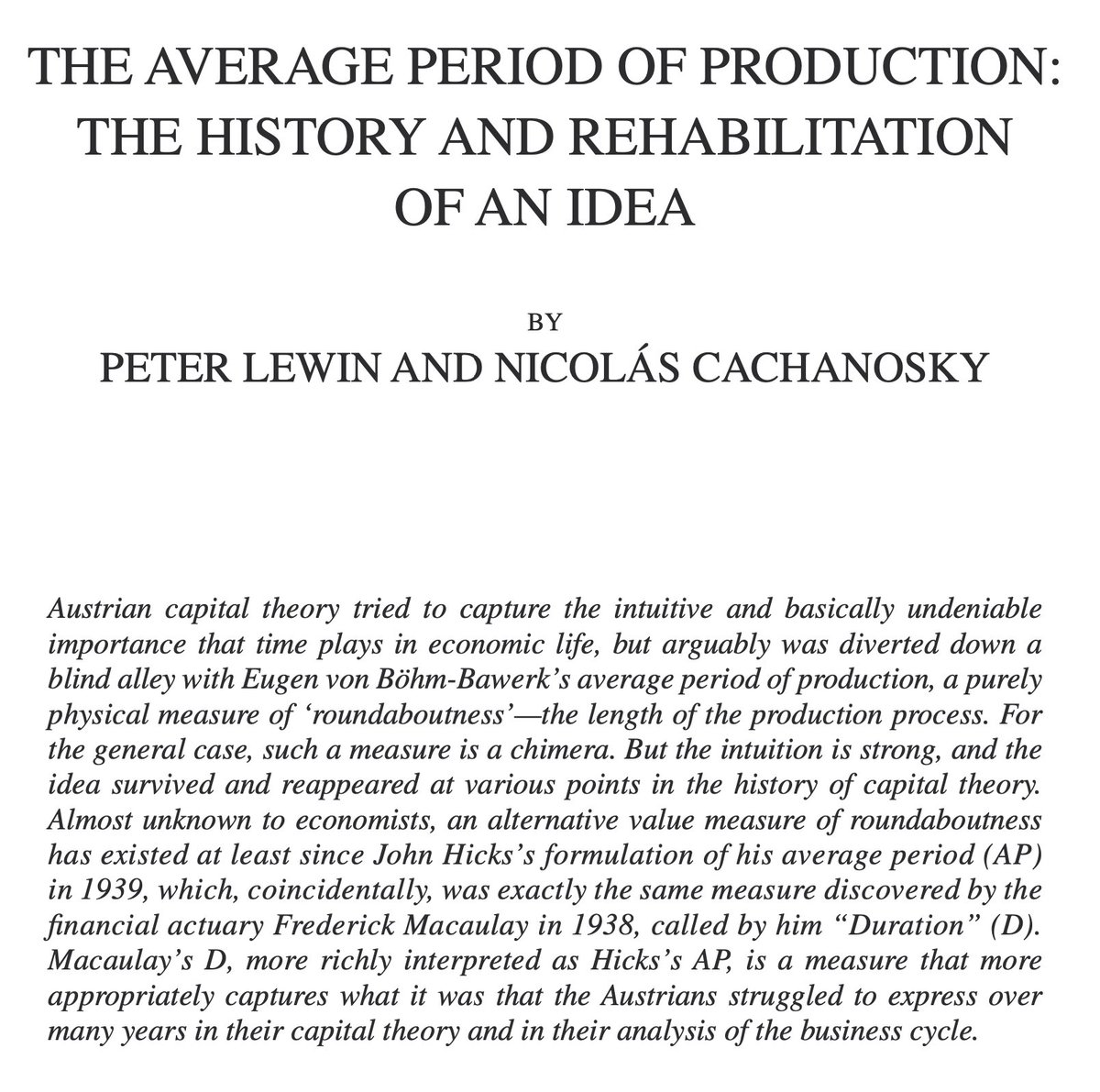
Good fisking & constructive replacement of the idea of 'roundaboutness' in capital theory. Even though I think they can go further. ↓ https://t.co/LgxNclt1g2 https://t.co/7yI5eVRuWQ
Nice essay on Popper's open society. Bare proceduralism isn't enough to hold together a community; a functional open society is "itself a substantive tradition". https://t.co/pkGddGVdIz pic.twitter.com/7CZLZd4dWw
— Cameron Harwick \U0001f3db (@C_Harwick) April 9, 2020
The internet is an ocean that we invent as we explore it. In the murky darkness of virtual places, there could be dragons, shoggoths, leviathans...
— Zero HP Lovecraft (@0x49fa98) November 16, 2019
This is an index of my threads. Start here, with my most ambitious work to date:https://t.co/xd38LvvCxJ
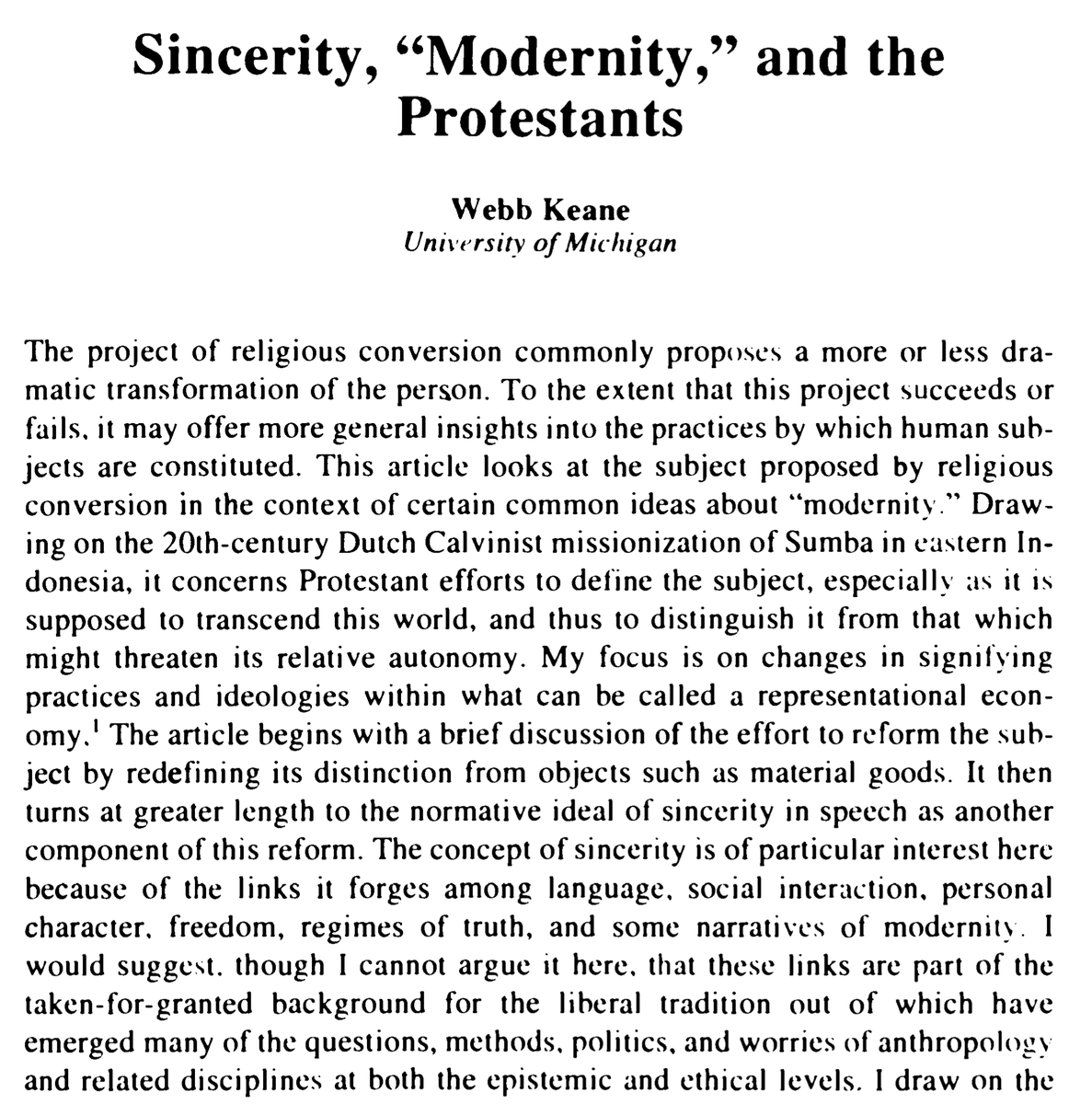


The Bene Gesserit have an applied science of the cultivation and exploitation of infohazards, both at the individual and the cultural levels. #Dune https://t.co/oXv3hiyIMj pic.twitter.com/0GUWcWyiIl
— Cameron Harwick \U0001f3db (@C_Harwick) July 11, 2020

New paper with @hiltonroot in Ordo: "The Feudal Origins of the Western Legal Tradition", with some informal game theory on how feudalism as a smashing together of Roman and Germanic legal systems paved the way for strong-but-limited states. https://t.co/JHibLQZ69S pic.twitter.com/JzN5jvUuxB
— Cameron Harwick \U0001f3db (@C_Harwick) April 1, 2020

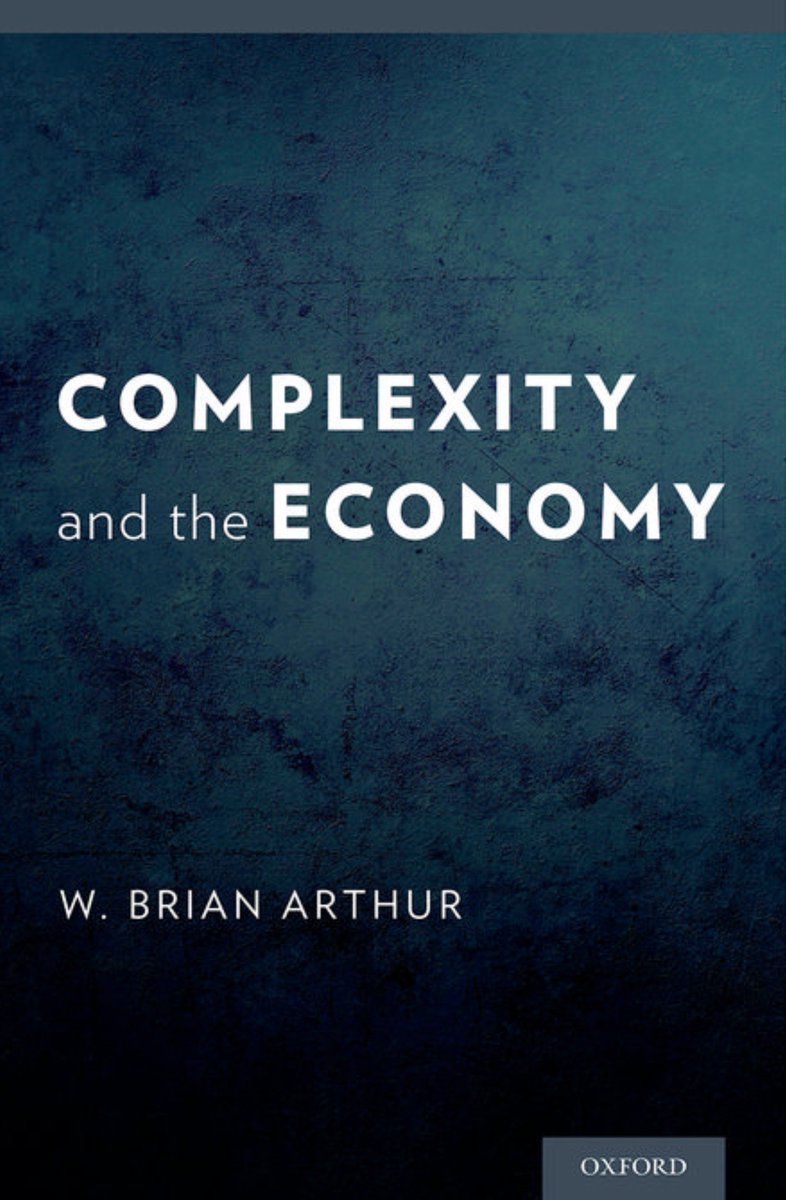
Thread on Heiner (1983). While I'm not sold on its thesis, it's the *kind* of paper I love: laying out a straightforward principle and then applying it in surprising ways to far-flung arenas. https://t.co/6BhQy61SpS pic.twitter.com/QnU0CRSVHq
— Cameron Harwick \U0001f3db (@C_Harwick) December 19, 2020

"we don't negotiate salaries" really means "we'd prefer to negotiate massive signing bonuses and equity grants, but we'll negotiate salary if you REALLY insist" https://t.co/80k7nWAMoK
— Aditya Mukerjee, the Otterrific \U0001f3f3\ufe0f\u200d\U0001f308 (@chimeracoder) December 4, 2018