Sunday thoughts:
I've had an untold number of abusive bosses over the years (I speak primarily of before I became a screenwriter.)
A large number. Same is true of teachers, instructors and coaches. I had those before I ever had abusive bosses. 1)
"Among other things," he said. "He's a big guy, he might challenge you to step outside, if he doesn't like the look on your face. How would you respond to that, since you're a black belt?"
"I'd probably call the police, first," I said.
And proceeded to torture and torment me as a result.
They weren't the only ones. There's the sexual harasser who everyone called crazy, who disappeared from sight one day (I think she went to rehab)...
The list goes on.
I adapted a project about Harvey Weinstein when I broke in & the stories of his mistreatment of his staff are legend.
There's even a film about the topic, SWIMMING WITH SHARKS, about that very thing. It's not an exaggeration. There's also THE DEVIL WEARS PRADA, WHIPLASH, etc.
Let me tell you something, re WHIPLASH.
We've long held it up as a ritualistic hazing, that this is how you are made strong. Gives you talent.
Here's the thing. It's complete and utter bullshit. Truly.
Nothing to it at all. I was hazed in high school athletics, and did nothing but give me PTSD. Didn't make me a better athlete.
Joss Whedon is the latest, before that it was Ellen.
More from Culture


In a recent article published in the Stern, there is now a criminal complaint filed against Michael Inacker, the then CEO of the PR firm WMP for what includes allegations of the knock out payments from the emirate of Qatar to hide a dossier for their role in financing Hezbollah
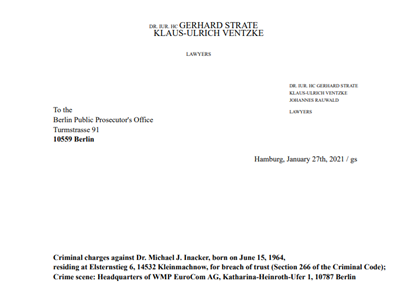
That allegedly 750,000 euros, which would have been divided between Jason and Michael.
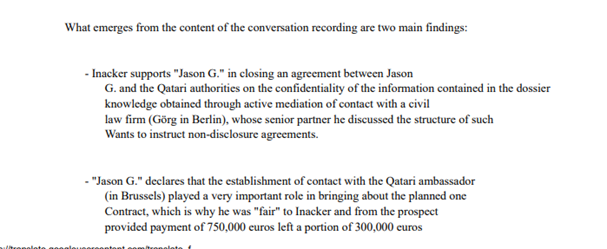
In return, "Jason" was supposed to keep to himself the information he had researched in Qatar, that a high-ranking person in the emirate of Qatar was financially supporting Hezbollah.
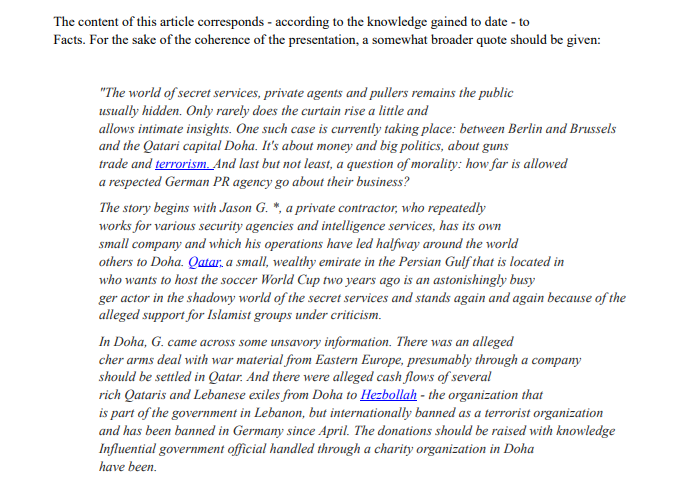
https://t.co/TdaAECu35a
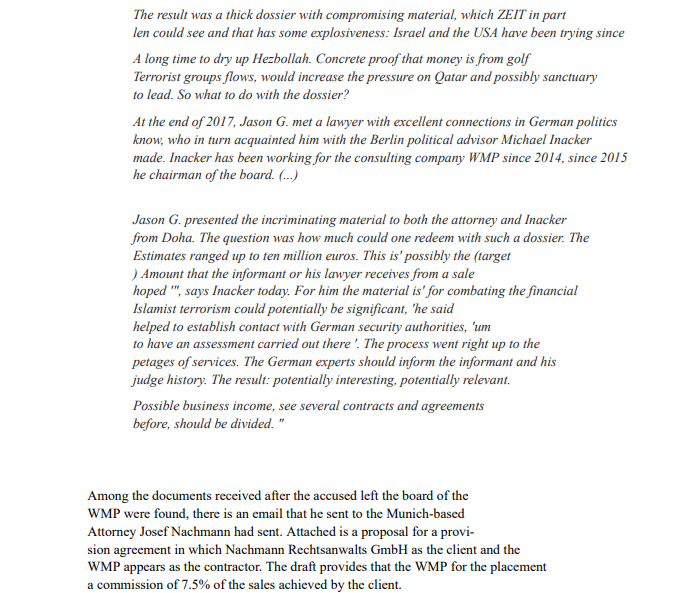
There is an interesting point in the article, WMP (Inacker) still had PR contracts with both Qatar and Saudi and “Jason” had some information about arms deliveries organized by people from Qatar with suppliers in Belarus, Serbia, Macedonia, and Yemen.
That allegedly 750,000 euros, which would have been divided between Jason and Michael.
In return, "Jason" was supposed to keep to himself the information he had researched in Qatar, that a high-ranking person in the emirate of Qatar was financially supporting Hezbollah.
https://t.co/TdaAECu35a
There is an interesting point in the article, WMP (Inacker) still had PR contracts with both Qatar and Saudi and “Jason” had some information about arms deliveries organized by people from Qatar with suppliers in Belarus, Serbia, Macedonia, and Yemen.


You May Also Like

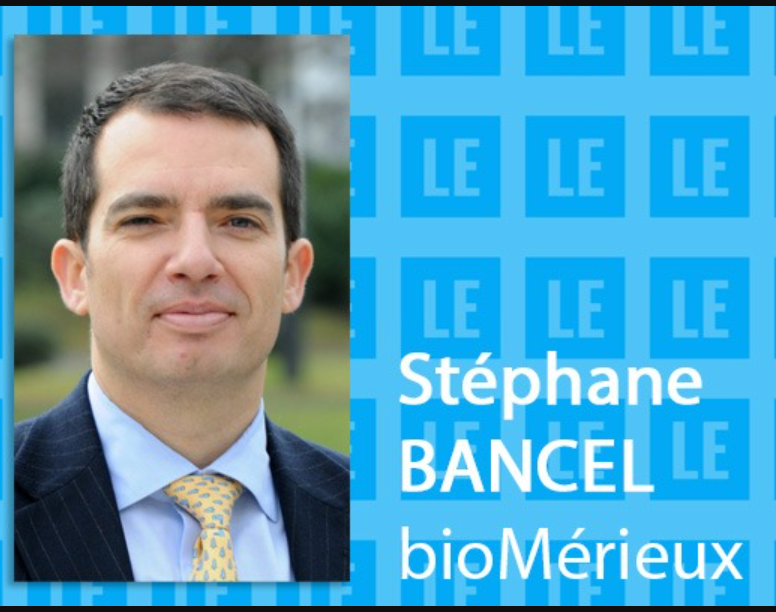
Moderna CEO Stephane Bancel was previously CEO of bioMerieux in France from 07-10.
Alain Merieux, who owns bioMerieux, was instrumental in the creation of the Wuhan Institute of Virology P4 Lab.
The same people who helped create the virus, also helped to create the vaccines...
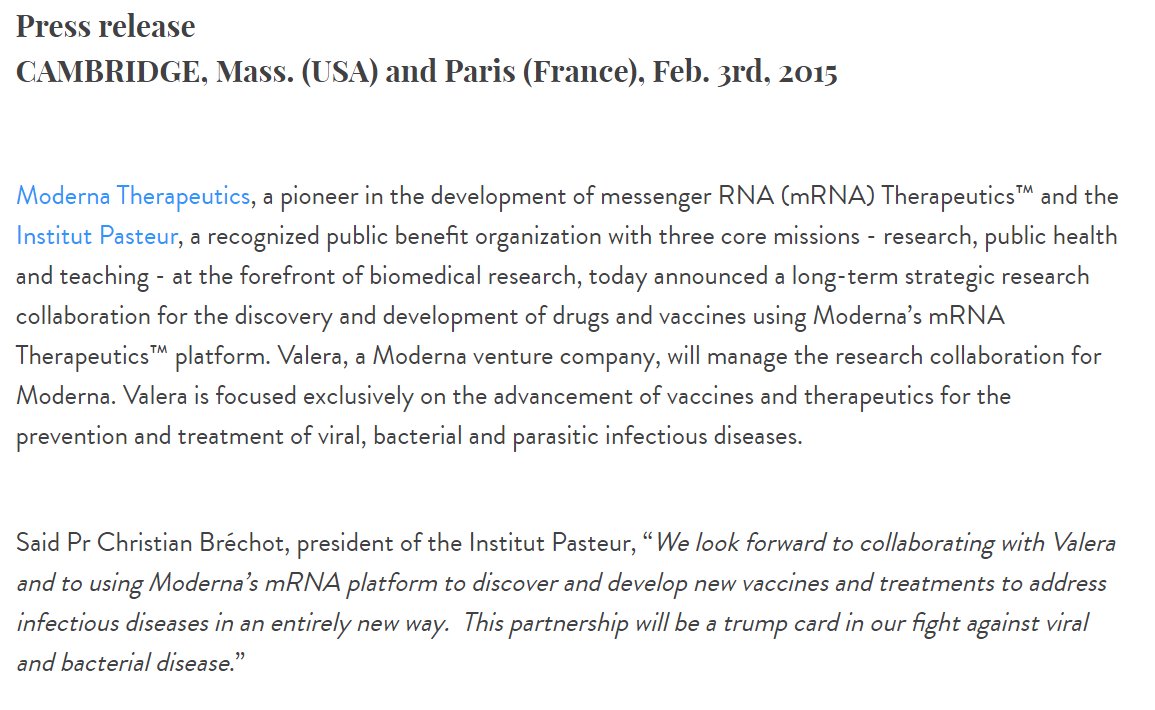
Moderna partnered with French Pasteur Institute in 2015 to develop mRNA vaccine technology.
Pasteur Institute partnered with the Wuhan P4 Laboratory in 2017 along with the Merieux Foundation to study emerging viruses...
https://t.co/yFsHwrNYaK
https://t.co/9M5lydBKhM
Nobel prize winning scientist Luc Montagnier asserts that Sars-Cov-2 is man-made and originated from the Wuhan Institute of Virology.
Montagnier did extensive work with the Pasteur Institute in France which was partnered with the Wuhan P4.
Merieux Foundation & the Chinese government have worked together since 1965, and partnered to study emerging pathogens in Africa in 2015.
Their research included "PATHOGENS CARRIED BY BATS" that provoke respiratory diseases.
🚨🚨🚨
https://t.co/gVwpT0ssqI

Alain Merieux, who owns bioMerieux, was instrumental in the creation of the Wuhan Institute of Virology P4 Lab.
The same people who helped create the virus, also helped to create the vaccines...
Moderna partnered with French Pasteur Institute in 2015 to develop mRNA vaccine technology.
Pasteur Institute partnered with the Wuhan P4 Laboratory in 2017 along with the Merieux Foundation to study emerging viruses...
https://t.co/yFsHwrNYaK
https://t.co/9M5lydBKhM
Nobel prize winning scientist Luc Montagnier asserts that Sars-Cov-2 is man-made and originated from the Wuhan Institute of Virology.
Montagnier did extensive work with the Pasteur Institute in France which was partnered with the Wuhan P4.
Merieux Foundation & the Chinese government have worked together since 1965, and partnered to study emerging pathogens in Africa in 2015.
Their research included "PATHOGENS CARRIED BY BATS" that provoke respiratory diseases.
🚨🚨🚨
https://t.co/gVwpT0ssqI