
2/
Inequality requires narrative stabilizers. When you have too little and someone else has more than they can possibly use, simple logic dictates that you should take what they have.
1/

2/
3/
4/
5/
I. The incentive to make us all better off,
II. a reward for doing so, and
III. proof they earned it.
6/
You didn't strike it rich because you just weren't the right person to lead in your time and place.
7/
8/
9/
https://t.co/E5gmKwaAxq
10/
11/
12/
13/
14/
15/
16/
17/
"The US trailed the rest of the advanced world in life expectancy since the 1980s... it's 3.4 years shorter than other G7 countries."
https://t.co/hztUHZZktC
18/
19/
https://t.co/Vp54rsP7F1
20/
https://t.co/VjYSYUnIPD
21/
22/
23/
24/
eof/
https://t.co/aISucm6SxH
More from Cory Doctorow #BLM
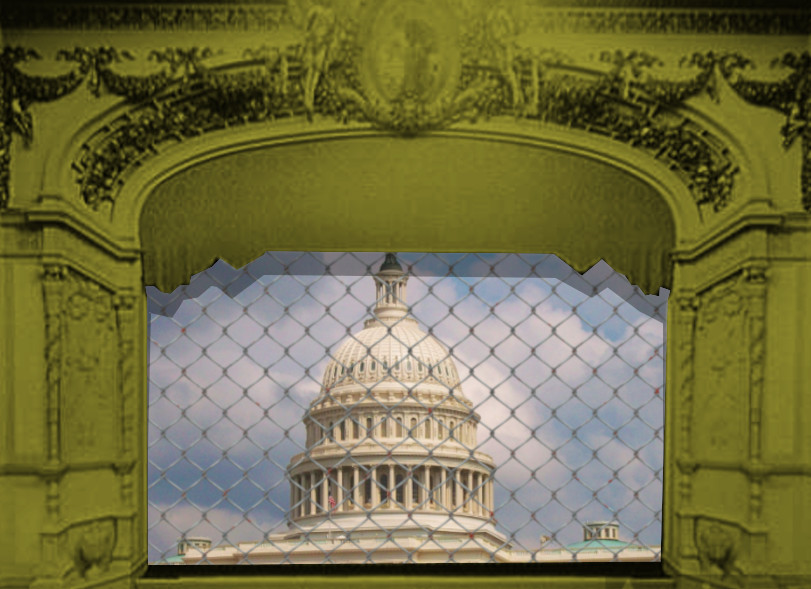

Today's Twitter threads (a Twitter thread).
Inside: Stop saying "it's not censorship if it's not the government"; Trump's swamp gators find corporate refuge; and more!
Archived at: https://t.co/7JMcAbaULj
#Pluralistic
1/
Monday night, I'll be helping William Gibson launch the paperback edition of his novel AGENCY at a Strand Bookstore videoconference. Come say hi!
https://t.co/k3fvBdqOK0
2/

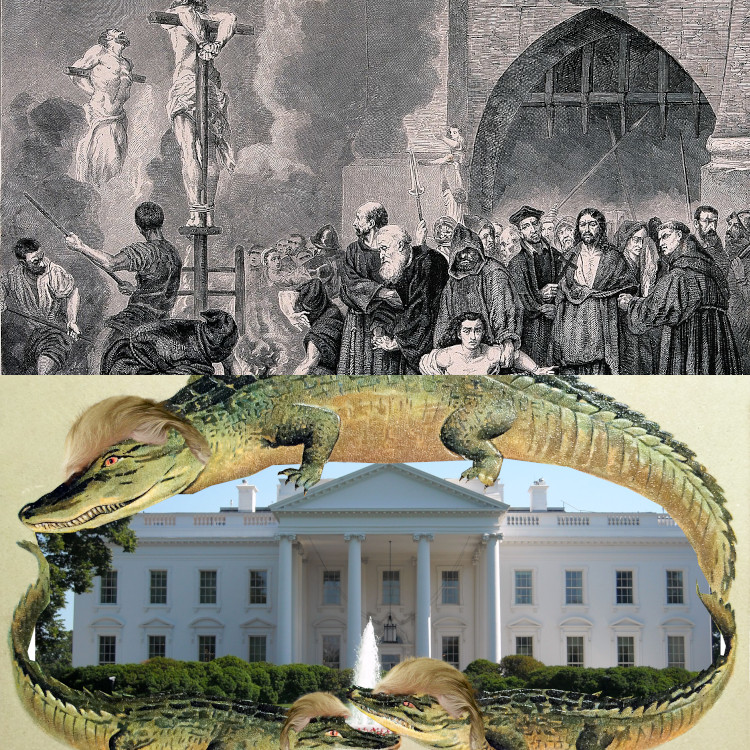
Stop saying "it's not censorship if it's not the government": I didn't expect the Spanish Inquisition.
https://t.co/7I0MpCTez5
3/
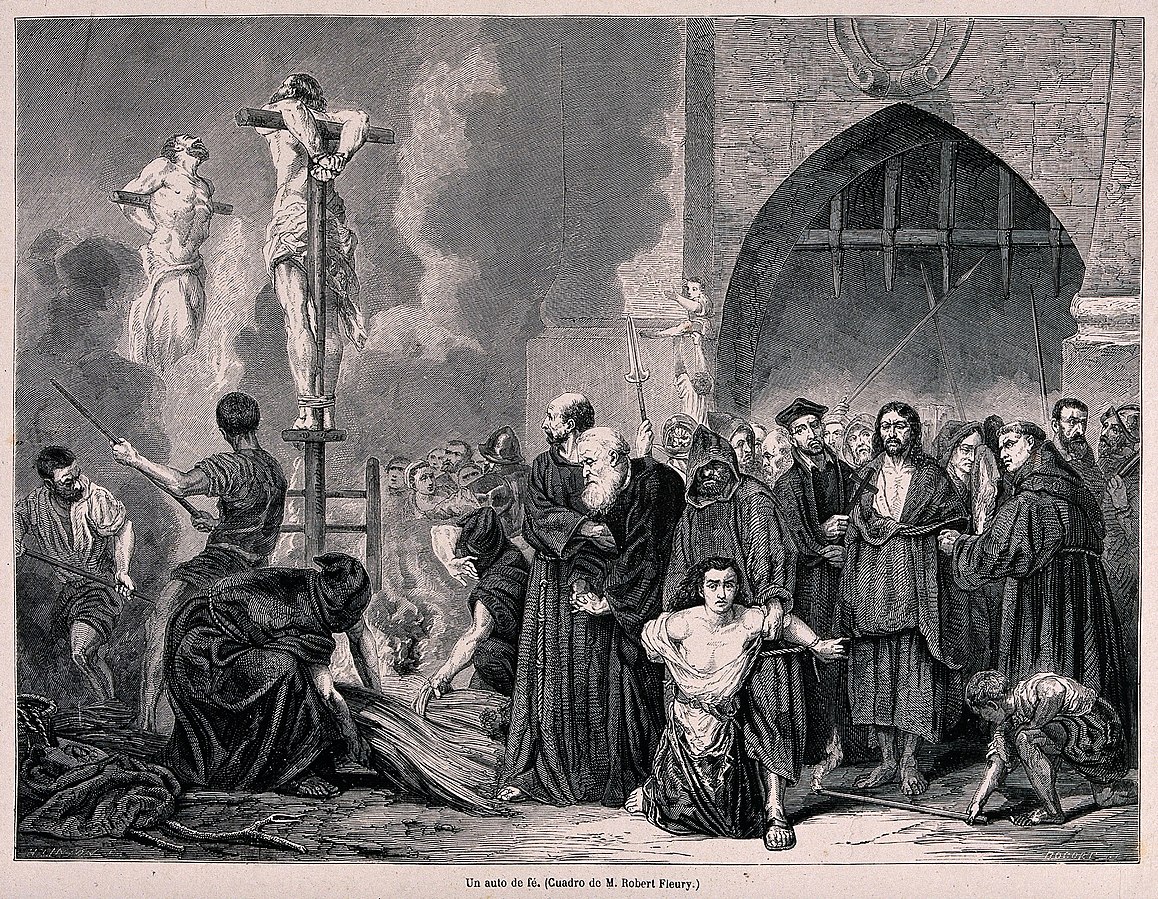
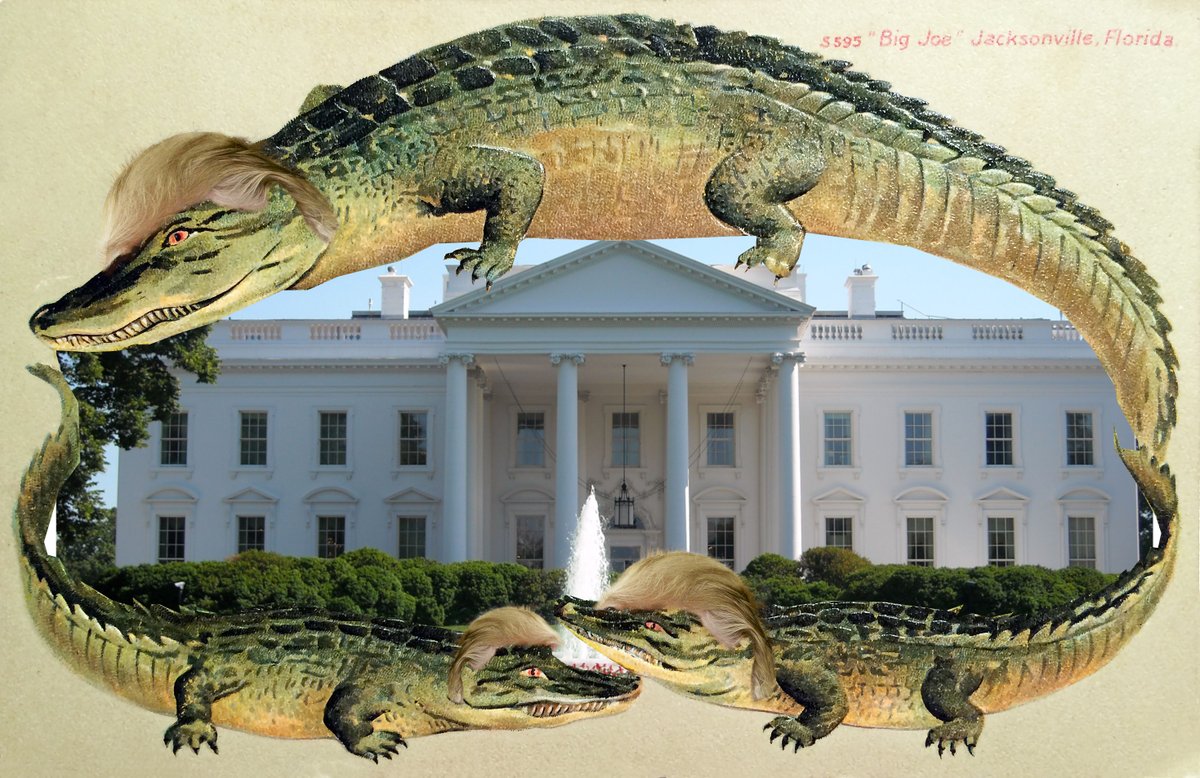
Trump's swamp gators find corporate refuge: The Swamped project.
https://t.co/MUJyIOr2iw
4/
#15yrsago A-Hole bill would make a secret technology into the law of the land https://t.co/57bJaM1Byr
#15yrsago Hollywood’s MP loses the election — hit the road, Sam! https://t.co/12ssYpV46B
#15yrsago How William Gibson discovered science fiction https://t.co/MYR0go37nW
5/
Inside: Stop saying "it's not censorship if it's not the government"; Trump's swamp gators find corporate refuge; and more!
Archived at: https://t.co/7JMcAbaULj
#Pluralistic
1/
Monday night, I'll be helping William Gibson launch the paperback edition of his novel AGENCY at a Strand Bookstore videoconference. Come say hi!
https://t.co/k3fvBdqOK0
2/
Stop saying "it's not censorship if it's not the government": I didn't expect the Spanish Inquisition.
https://t.co/7I0MpCTez5
3/
If you think "It's not censorship unless the government does it," I want to change your mind.
— Cory Doctorow #BLM (@doctorow) January 24, 2021
It's absolutely true that the First Amendment only prohibits government action to suppress speech based on its content, but the First Amendment is not the last word on censorship.
1/ pic.twitter.com/ycbLLDhtrd
Trump's swamp gators find corporate refuge: The Swamped project.
https://t.co/MUJyIOr2iw
4/
Have you seen the stories about how Trump administration officials and staffers for Ted Cruz are finding that no one in the private sector will hire them because they are forever tainted by their former bosses' disgraceful behavior?
— Cory Doctorow #BLM (@doctorow) January 24, 2021
They're bullshit.https://t.co/XvYDPpR9yd
1/ pic.twitter.com/VxisK4d8jV
#15yrsago A-Hole bill would make a secret technology into the law of the land https://t.co/57bJaM1Byr
#15yrsago Hollywood’s MP loses the election — hit the road, Sam! https://t.co/12ssYpV46B
#15yrsago How William Gibson discovered science fiction https://t.co/MYR0go37nW
5/

More from Culture






A thread of very good, wonderful, truly Super Bowls.
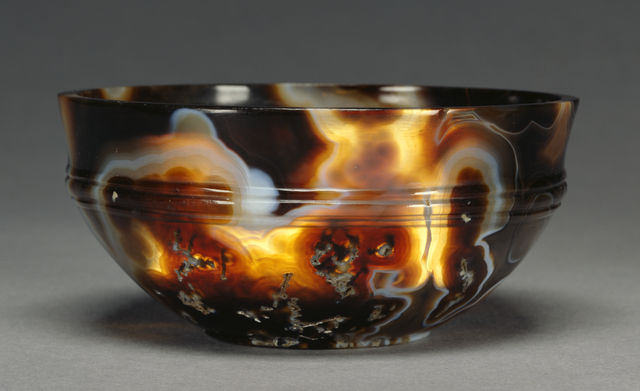
Translucent agate bowl with ornamental grooves and coffee-and-cream marbling. Found near Qift in southern Egypt. 300 - 1,000 BC. 📷 Getty Museum https://t.co/W1HfQZIG2V
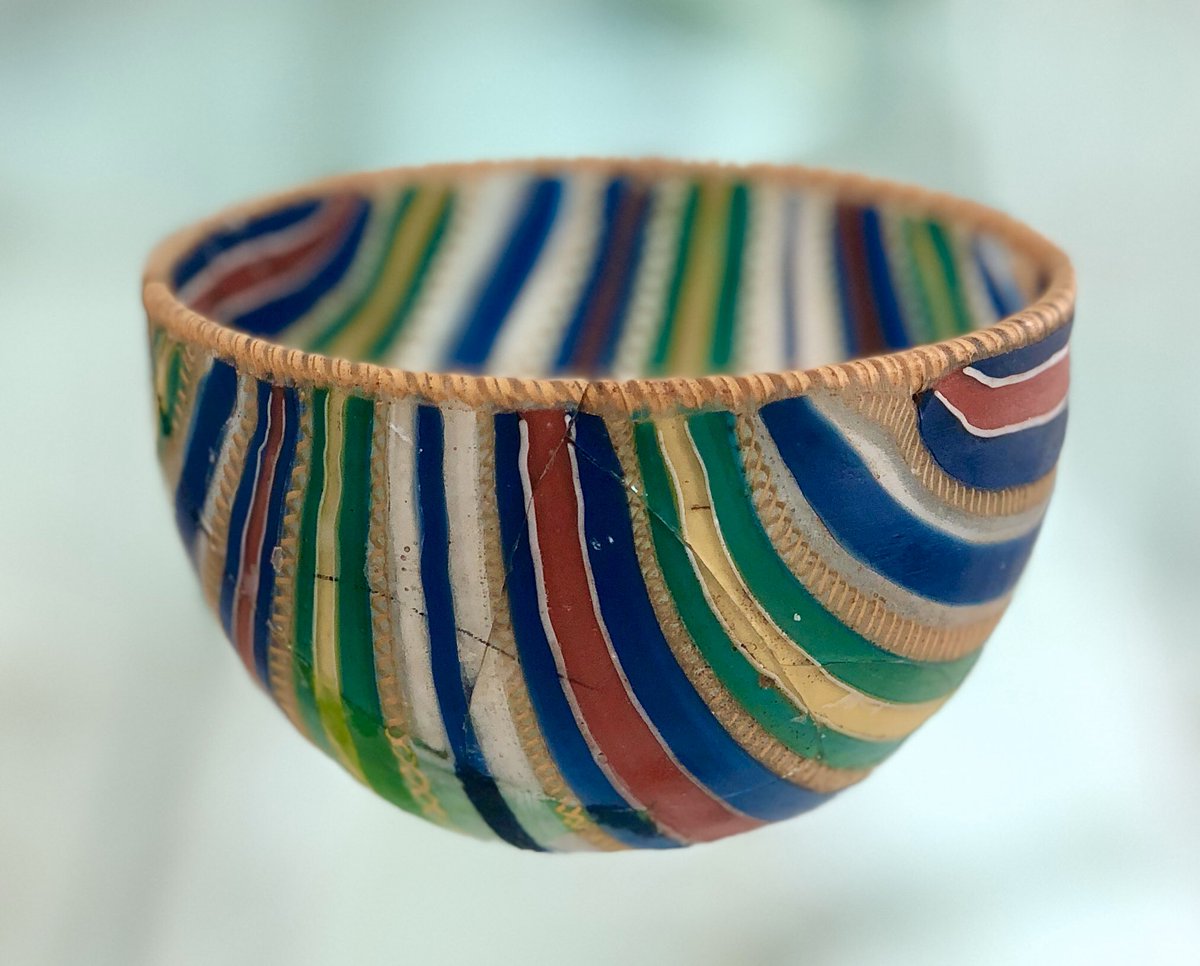
Technicolor dreambowl, found in a grave near Zadar on Croatia's Dalmatian Coast. Made by melding and winding thin bars of glass, each adulterated with different minerals to get different colors. 1st century AD. 📷 Zadar Museum of Ancient Glass https://t.co/H9VfNrXKQK
100,000-year-old abalone shells used to mix red ocher, marrow, charcoal, and water into a colorful paste. Possibly the oldest artist's palettes ever discovered. Blombos Cave, South Africa. 📷https://t.co/0fMeYlOsXG

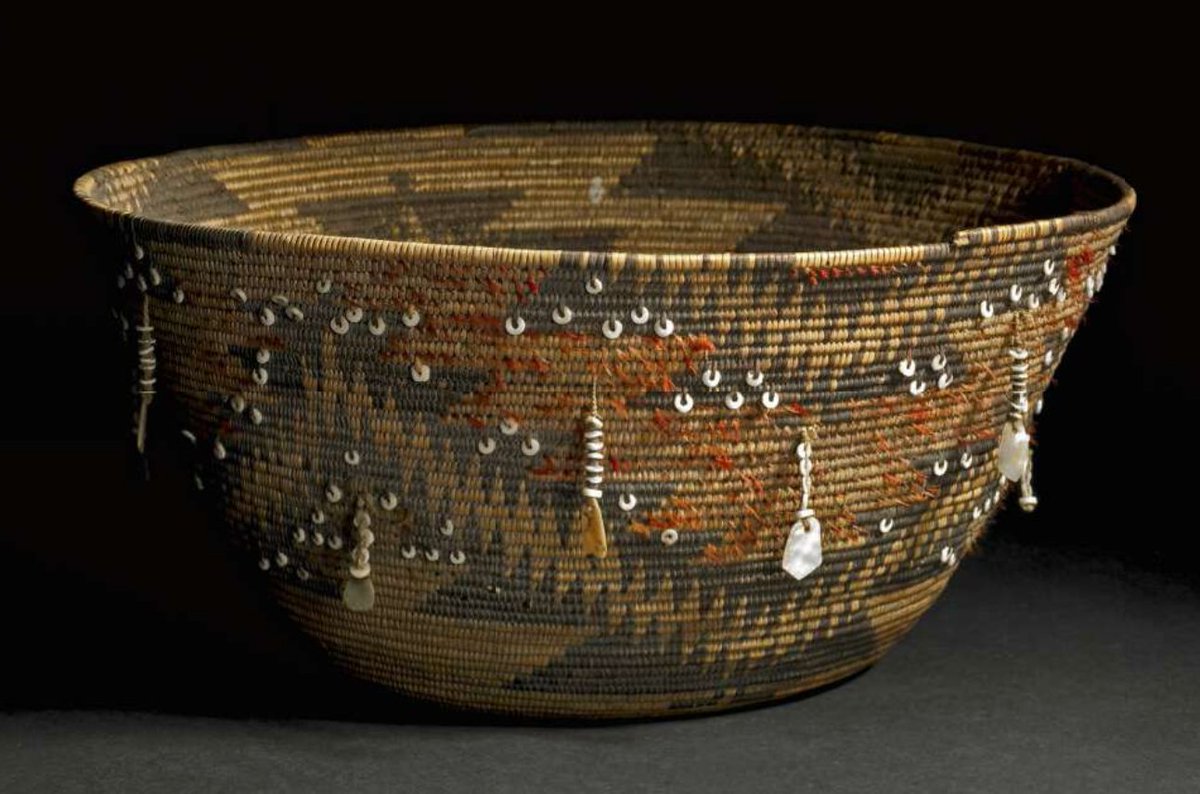
Reed basket bowl with shell and feather ornaments. Possibly from the Southern Pomo or Lake Miwok cultures. Found in Santa Barbara, CA, circa 1770. 📷 British Museum https://t.co/F4Ix0mXAu6
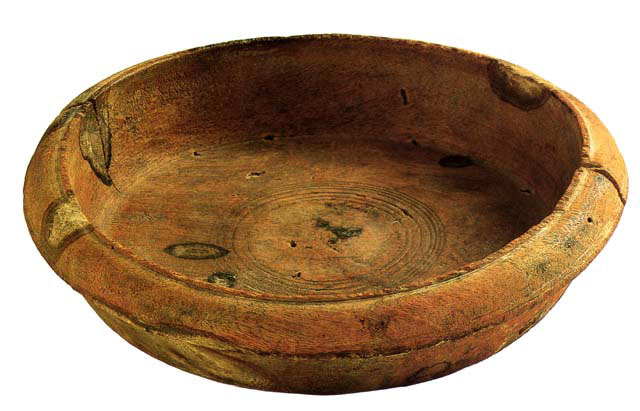
Wooden bowl with concentric circles and rounded rim, most likely made of umbrella thorn acacia (Vachellia/Acacia tortilis). Qumran. 1st Century BCE. 📷 https://t.co/XZCw67Ho03
Translucent agate bowl with ornamental grooves and coffee-and-cream marbling. Found near Qift in southern Egypt. 300 - 1,000 BC. 📷 Getty Museum https://t.co/W1HfQZIG2V
Technicolor dreambowl, found in a grave near Zadar on Croatia's Dalmatian Coast. Made by melding and winding thin bars of glass, each adulterated with different minerals to get different colors. 1st century AD. 📷 Zadar Museum of Ancient Glass https://t.co/H9VfNrXKQK
100,000-year-old abalone shells used to mix red ocher, marrow, charcoal, and water into a colorful paste. Possibly the oldest artist's palettes ever discovered. Blombos Cave, South Africa. 📷https://t.co/0fMeYlOsXG
Reed basket bowl with shell and feather ornaments. Possibly from the Southern Pomo or Lake Miwok cultures. Found in Santa Barbara, CA, circa 1770. 📷 British Museum https://t.co/F4Ix0mXAu6
Wooden bowl with concentric circles and rounded rim, most likely made of umbrella thorn acacia (Vachellia/Acacia tortilis). Qumran. 1st Century BCE. 📷 https://t.co/XZCw67Ho03

. THREAD 1/x
David Baddiel is getting lots of coverage and feedback on his book which again focuses on so called 'left wing' antisemitism.
I will start by saying that I have seen antisemitic comments made by Labour members and some genuine cases.
However, I have huge concerns.
2/x
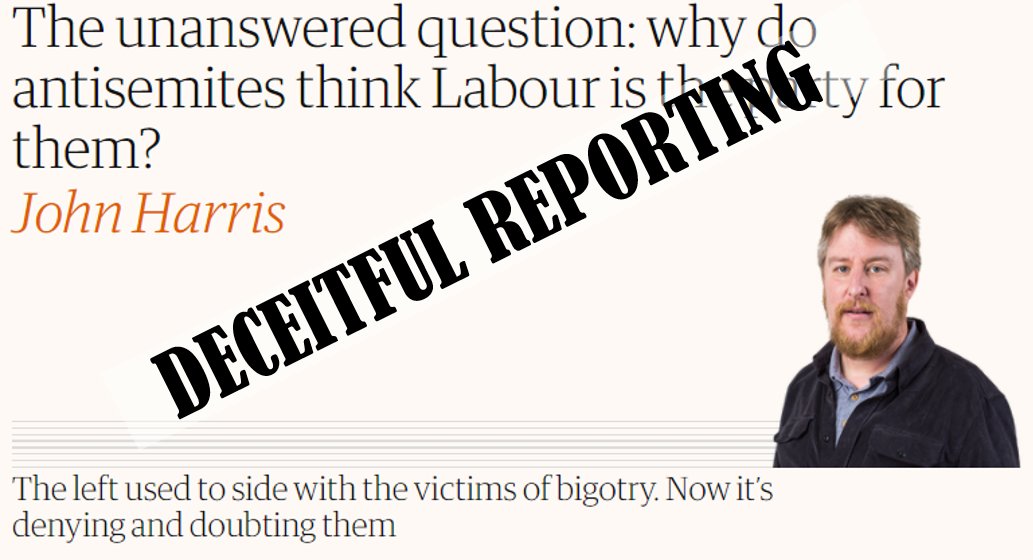
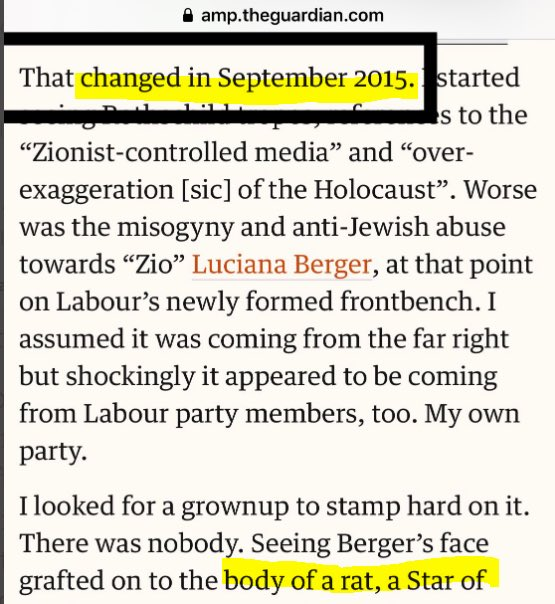
Let's look in detail at this article written in April 2019 in the @Guardian - and I will explain the concerns.
The areas highlighted guide you to believe this was all Labour - IT WASN'T.
It also occurred before 2015! Detail follows...
https://t.co/cK59FP83aG
3/x
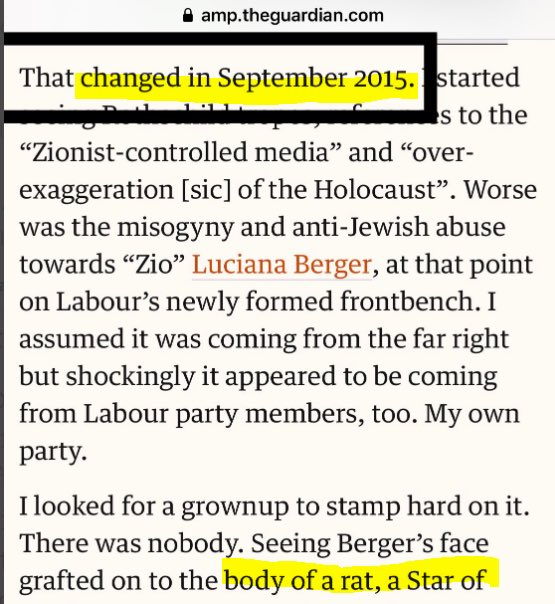
So as you see the writer of this rather deceitful piece starts with
"THAT CHANGED IN SEPTEMBER 2015" 🙄
This was done to point the timeframe as Corbyn's leadership. Yet the article goes on to describe things that are not even related to Labour, which occurred in 2014.
4/x
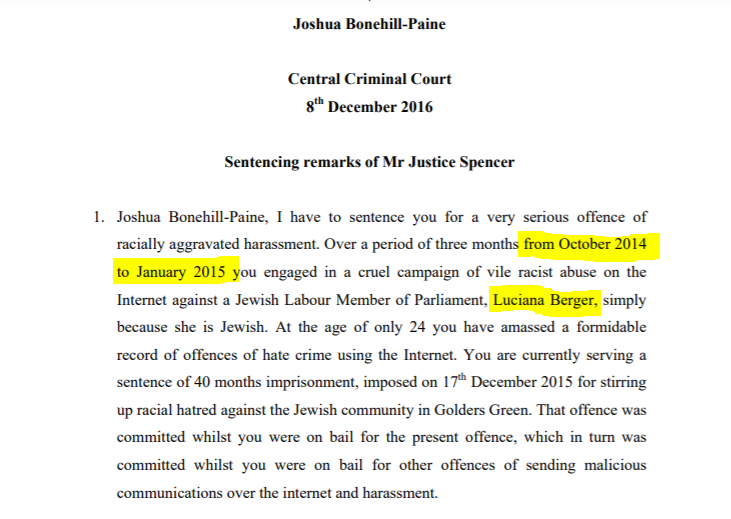
So... What in fact the @Guardian writer is discussing here is this case - where a group of Neo-Nazi's spent months inflicting abuse on Jewish MP Luciana Berger
All the detail is in the Court Notes when Bonehill-Paine was sentenced by the judge.
https://t.co/wAyo6Yro5Q
5/x
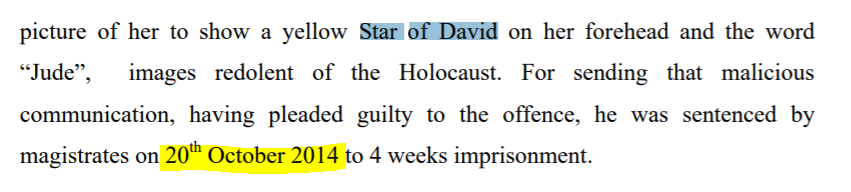
The Justice sentencing remarks to Neo-Nazi explain the previous cases too. See the date 2014.
Yet the Guardian writer refers to this NON LABOUR case to effectively make her article a lie.
"Star of David" - this was Garron Helm another neo-Nazi..
David Baddiel is getting lots of coverage and feedback on his book which again focuses on so called 'left wing' antisemitism.
I will start by saying that I have seen antisemitic comments made by Labour members and some genuine cases.
However, I have huge concerns.
2/x
Let's look in detail at this article written in April 2019 in the @Guardian - and I will explain the concerns.
The areas highlighted guide you to believe this was all Labour - IT WASN'T.
It also occurred before 2015! Detail follows...
https://t.co/cK59FP83aG
3/x
So as you see the writer of this rather deceitful piece starts with
"THAT CHANGED IN SEPTEMBER 2015" 🙄
This was done to point the timeframe as Corbyn's leadership. Yet the article goes on to describe things that are not even related to Labour, which occurred in 2014.
4/x
So... What in fact the @Guardian writer is discussing here is this case - where a group of Neo-Nazi's spent months inflicting abuse on Jewish MP Luciana Berger
All the detail is in the Court Notes when Bonehill-Paine was sentenced by the judge.
https://t.co/wAyo6Yro5Q
5/x
The Justice sentencing remarks to Neo-Nazi explain the previous cases too. See the date 2014.
Yet the Guardian writer refers to this NON LABOUR case to effectively make her article a lie.
"Star of David" - this was Garron Helm another neo-Nazi..
You May Also Like







"I really want to break into Product Management"
make products.
"If only someone would tell me how I can get a startup to notice me."
Make Products.
"I guess it's impossible and I'll never break into the industry."
MAKE PRODUCTS.
Courtesy of @edbrisson's wonderful thread on breaking into comics – https://t.co/TgNblNSCBj – here is why the same applies to Product Management, too.
There is no better way of learning the craft of product, or proving your potential to employers, than just doing it.
You do not need anybody's permission. We don't have diplomas, nor doctorates. We can barely agree on a single standard of what a Product Manager is supposed to do.
But – there is at least one blindingly obvious industry consensus – a Product Manager makes Products.
And they don't need to be kept at the exact right temperature, given endless resource, or carefully protected in order to do this.
They find their own way.
make products.
"If only someone would tell me how I can get a startup to notice me."
Make Products.
"I guess it's impossible and I'll never break into the industry."
MAKE PRODUCTS.
Courtesy of @edbrisson's wonderful thread on breaking into comics – https://t.co/TgNblNSCBj – here is why the same applies to Product Management, too.
"I really want to break into comics"
— Ed Brisson (@edbrisson) December 4, 2018
make comics.
"If only someone would tell me how I can get an editor to notice me."
Make Comics.
"I guess it's impossible and I'll never break into the industry."
MAKE COMICS.
There is no better way of learning the craft of product, or proving your potential to employers, than just doing it.
You do not need anybody's permission. We don't have diplomas, nor doctorates. We can barely agree on a single standard of what a Product Manager is supposed to do.
But – there is at least one blindingly obvious industry consensus – a Product Manager makes Products.
And they don't need to be kept at the exact right temperature, given endless resource, or carefully protected in order to do this.
They find their own way.