A thread of very good, wonderful, truly Super Bowls.

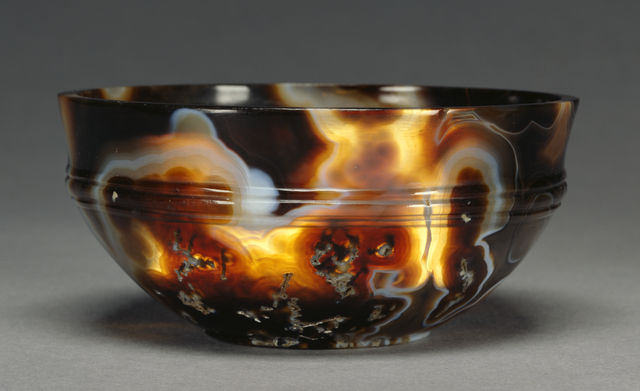
Translucent agate bowl with ornamental grooves and coffee-and-cream marbling. Found near Qift in southern Egypt. 300 - 1,000 BC. 📷 Getty Museum https://t.co/W1HfQZIG2V
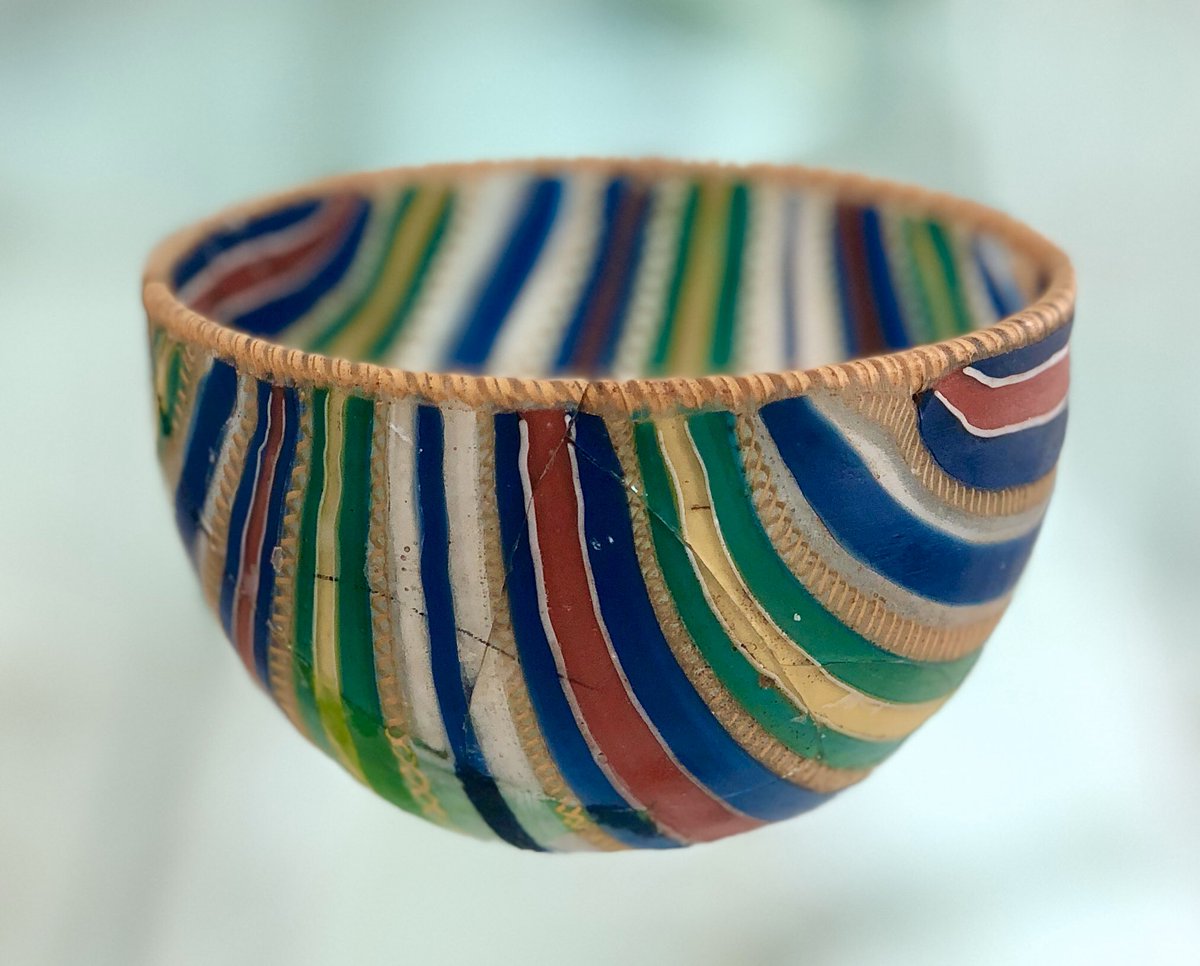
Technicolor dreambowl, found in a grave near Zadar on Croatia's Dalmatian Coast. Made by melding and winding thin bars of glass, each adulterated with different minerals to get different colors. 1st century AD. 📷 Zadar Museum of Ancient Glass https://t.co/H9VfNrXKQK
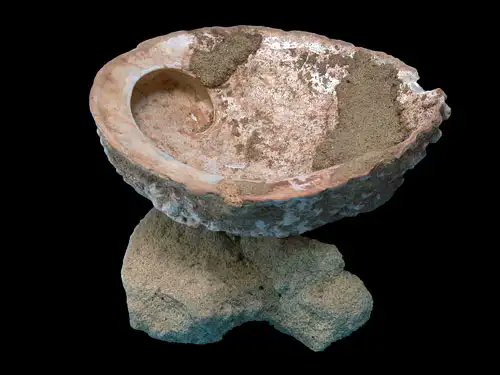
100,000-year-old abalone shells used to mix red ocher, marrow, charcoal, and water into a colorful paste. Possibly the oldest artist's palettes ever discovered. Blombos Cave, South Africa. 📷https://t.co/0fMeYlOsXG
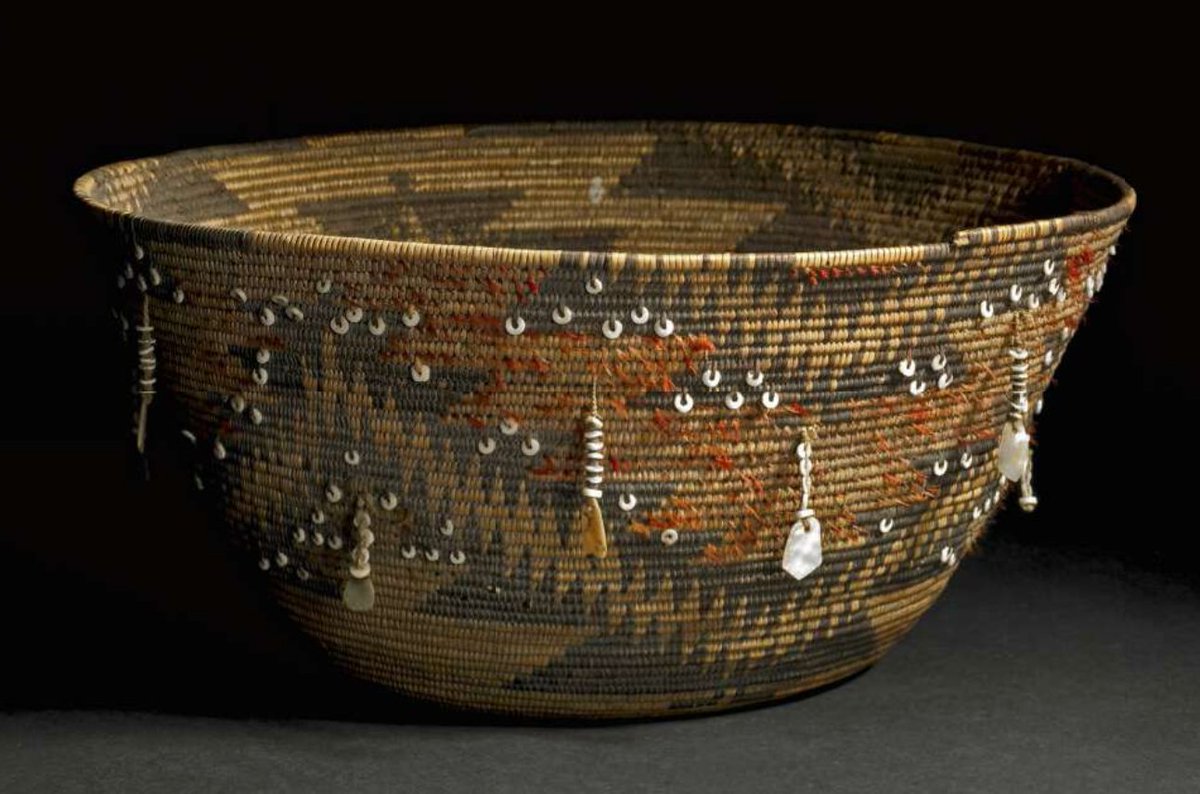
Reed basket bowl with shell and feather ornaments. Possibly from the Southern Pomo or Lake Miwok cultures. Found in Santa Barbara, CA, circa 1770. 📷 British Museum https://t.co/F4Ix0mXAu6
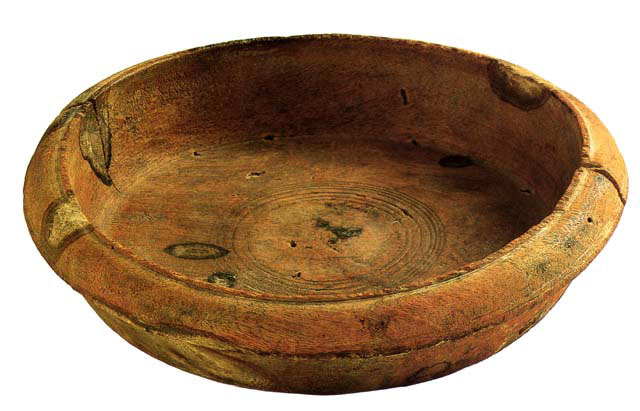
Wooden bowl with concentric circles and rounded rim, most likely made of umbrella thorn acacia (Vachellia/Acacia tortilis). Qumran. 1st Century BCE. 📷 https://t.co/XZCw67Ho03
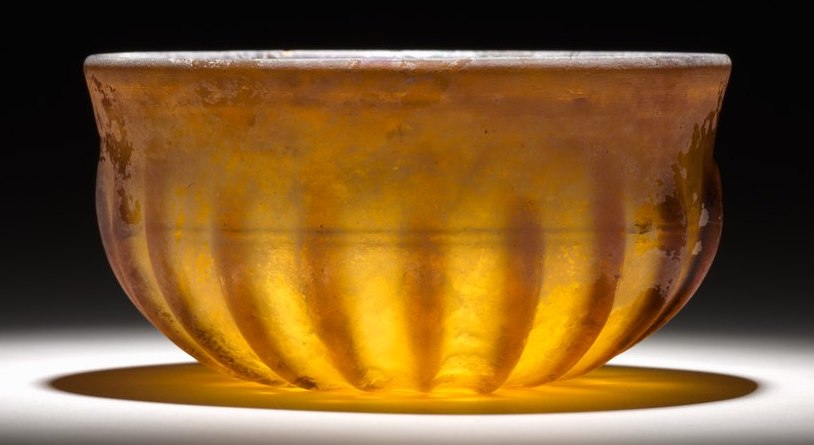
Ribbed glass bowl, representing "a Roman manufacturing breakthrough that made high-quality glassware broadly affordable for the first time." 1st Century. 📷
Cleveland Museum of Art
https://t.co/RbV8X92mn2
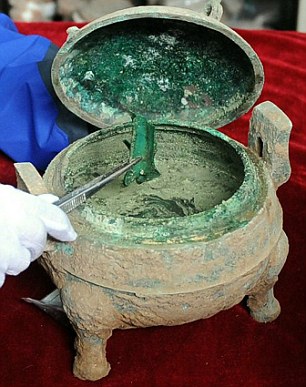
A 2,400-year-old bronze bowl with still-liquid remnants of bone soup. The contents had oxidized and turned green. Discovered in a tomb near the ancient capital of Xian, China, while excavating for an airport extension. 📷
https://t.co/Aqb7qihQov
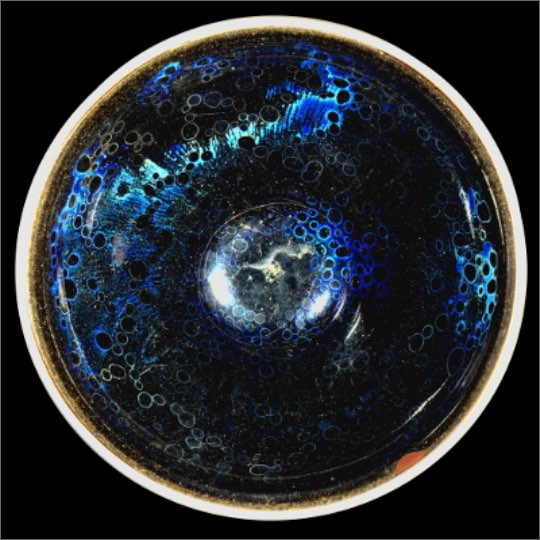
Some of the only remaining intact or semi-intact Yohen Tenmoku tea bowls. Southern Song dynasty, 12th-13th century. Housed at the Seikado Bunko Art Museum, Fujita Museum of Art, Daitoku-ji Temple, Miho Museum. 📷
https://t.co/bXVrSKh4WB
https://t.co/pmcvzRojIF
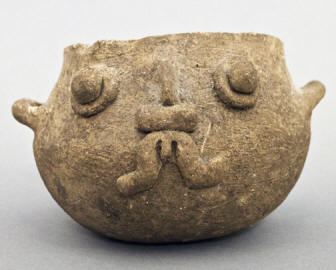
Mesoamerican bowl in the shape of the rain deity Tlaloc. Veracruz. 600 to 900 CE. 📷Arizona Museum of Natural History https://t.co/UqCqGU5lf8
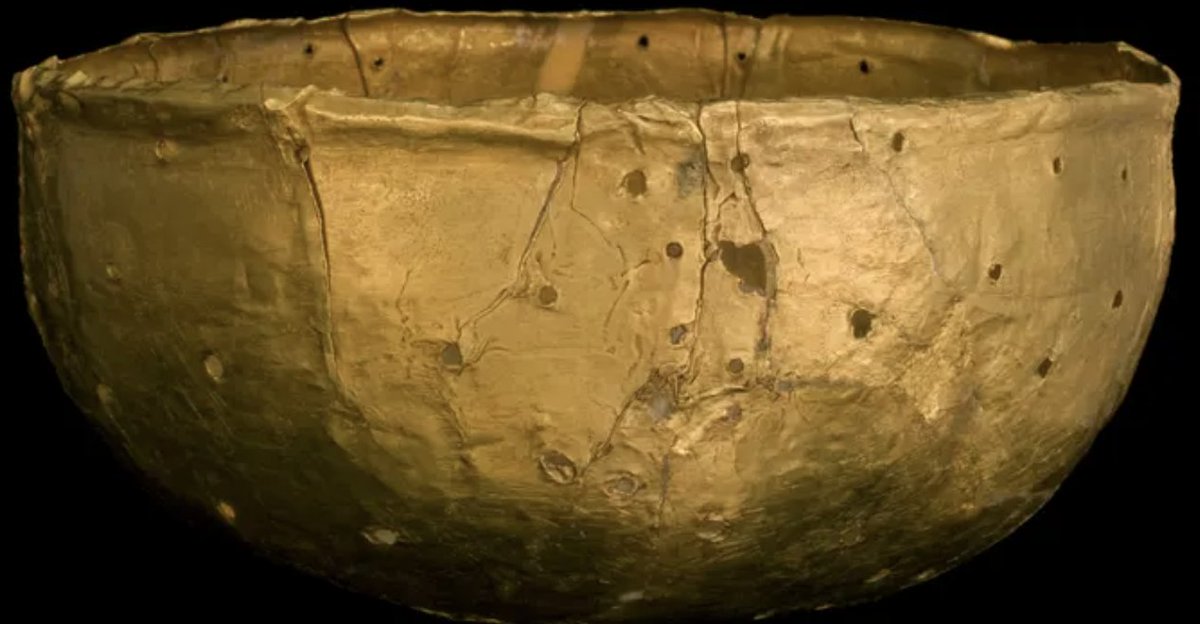
Golden bowl found at royal burial site in Mapungubwe Hill, South Africa. 📷 Mapungubwe Museum
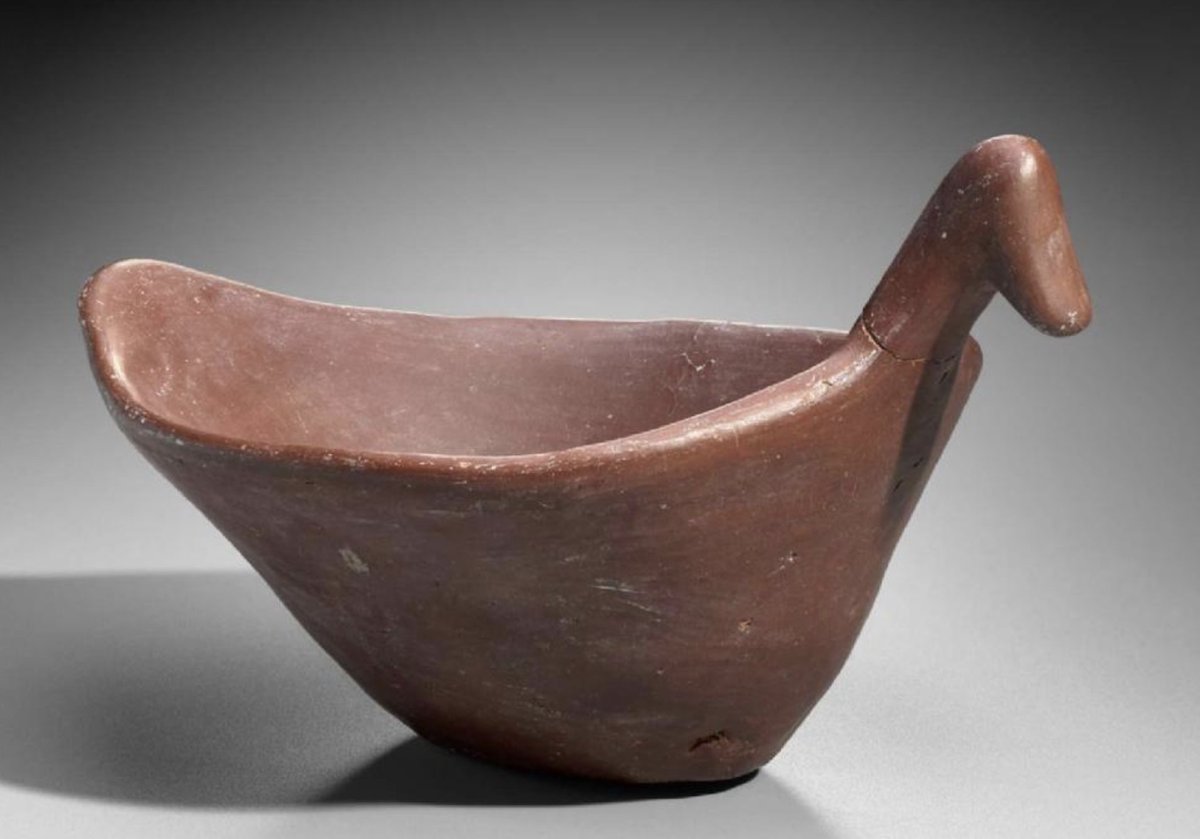
Bowl in the form of a bird, shaped from highly polished red Nile clay. Found in Egypt, el-Mahasna, Tomb H. 39. 3850–3300 B.C. 📷 Boston Museum of Fine Arts https://t.co/mu08HFpTvB
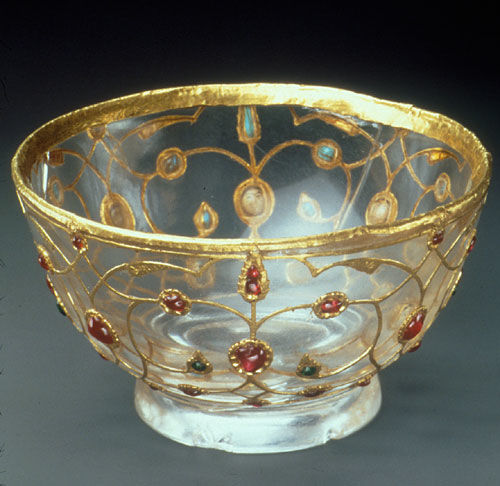
Rock crystal bowl inlaid with gold and set with rubies, emeralds, and sapphire-blue glass. Late 16th – early 17th century. India, Deccan, or Mughal. 📷 Kuwait National Museum
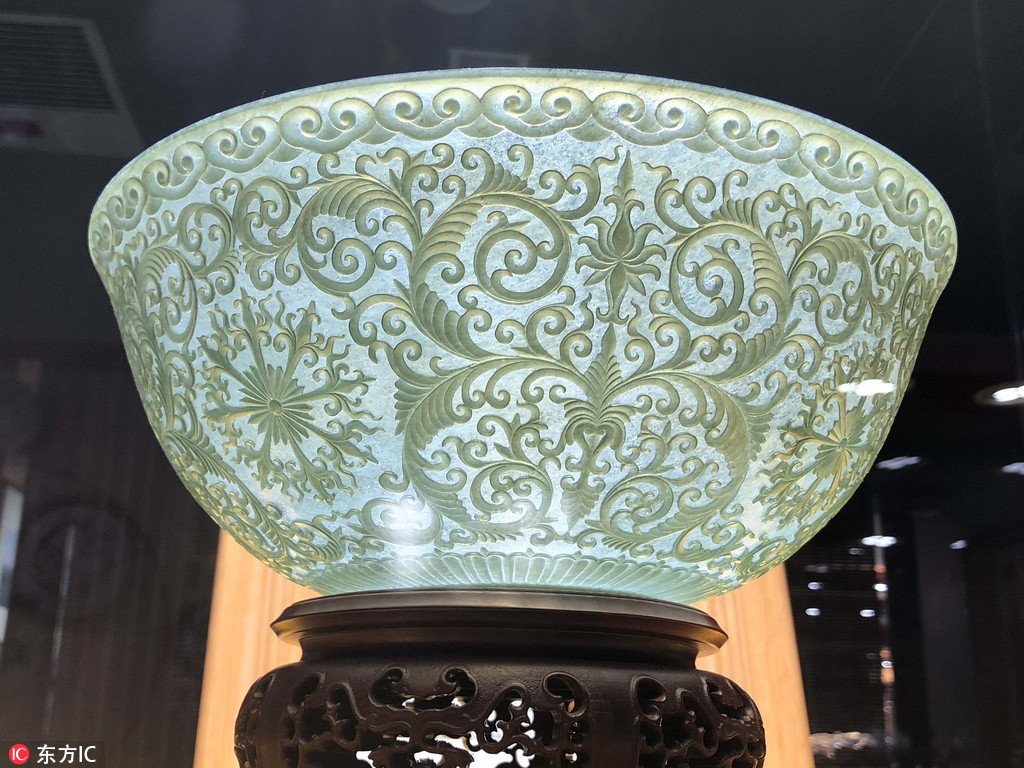
World's thinnest Hetian jade bowl, less than 1mm thick, Urumqi city, China (L) and a translucent carved jade bowl circa China 18th C 📷 https://t.co/Ul2sVqpXBi https://t.co/IMDXC2NAl2
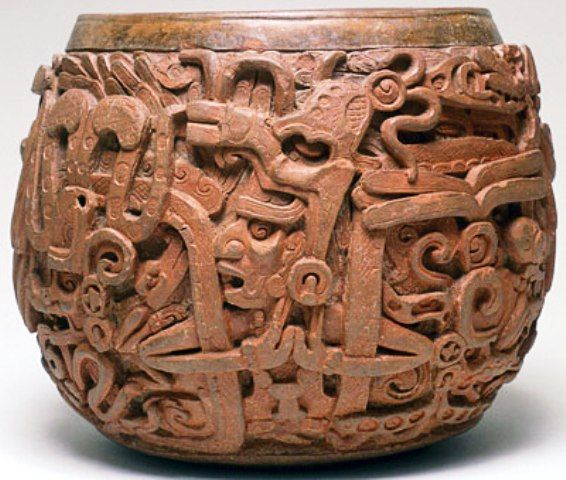
Intricately carved Mayan bowl, classical period (AD 250-600). 📷National Museum of the American Indian
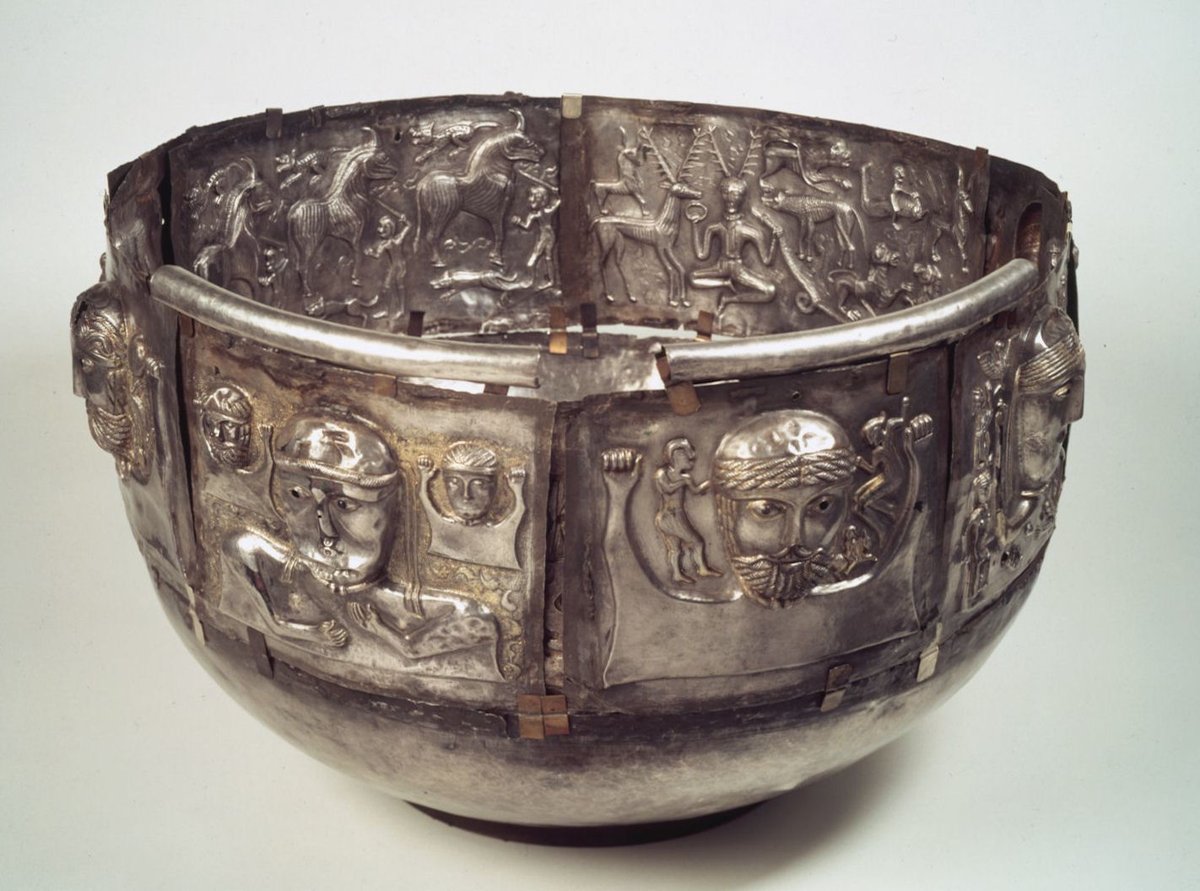
The Gundestrup Cauldron, made of silver, depicting elephants, lions, unknown creatures and deities. Found in a peat bog in Denmark in 1891. Highly mysterious; much debated. True provenance unknown. Possibly 200 - 300 AD. 📷 National Museum of Denmark https://t.co/tQwR4asOxI
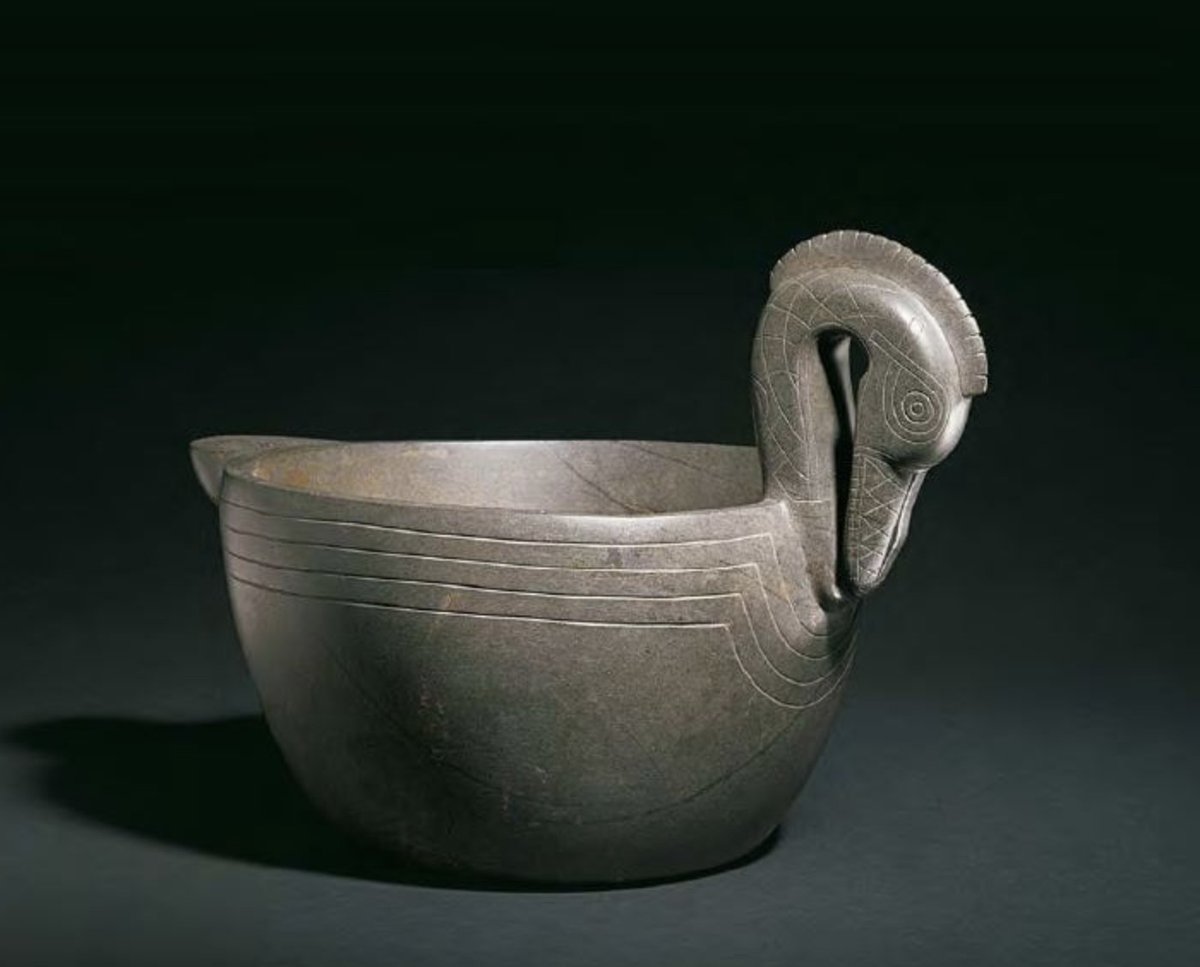
The Moundville Duck Bowl, a stunning example of indigenous Mississippian culture and craft, carved from a single piece of stone. Discovered in the early 1900s in Alabama. Made in the 13th or 14th C. 📷 Moundville Archaeological Park

More from Culture

You May Also Like

शमशान में जब महर्षि दधीचि के मांसपिंड का दाह संस्कार हो रहा था तो उनकी पत्नी अपने पति का वियोग सहन नहीं कर पायी और पास में ही स्थित विशाल पीपल वृक्ष के कोटर में अपने तीन वर्ष के बालक को रख के स्वयं चिता पे बैठ कर सती हो गयी ।इस प्रकार ऋषी दधीचि और उनकी पत्नी की मुक्ति हो गयी।


परन्तु पीपल के कोटर में रखा बालक भूख प्यास से तड़पने लगा। जब कुछ नहीं मिला तो वो कोटर में पड़े पीपल के गोदों (फल) को खाकर बड़ा होने लगा। कालान्तर में पीपल के फलों और पत्तों को खाकर बालक का जीवन किसी प्रकार सुरक्षित रहा।

एक दिन देवर्षि नारद वहां से गुजर रहे थे ।नारद ने पीपल के कोटर में बालक को देख कर उसका परिचय मांगा -
नारद बोले - बालक तुम कौन हो?
बालक - यही तो मैं भी जानना चहता हूँ ।
नारद - तुम्हारे जनक कौन हैं?
बालक - यही तो मैं भी जानना चाहता हूँ ।

तब नारद ने आँखें बन्द कर ध्यान लगाया ।


तत्पश्चात आश्चर्यचकित हो कर बालक को बताया कि 'हे बालक! तुम महान दानी महर्षि दधीचि के पुत्र हो । तुम्हारे पिता की अस्थियों का वज्रास्त्र बनाकर ही देवताओं ने असुरों पर विजय पायी थी।तुम्हारे पिता की मृत्यु मात्र 31 वर्ष की वय में ही हो गयी थी'।

बालक - मेरे पिता की अकाल मृत्यु का क्या कारण था?
नारद - तुम्हारे पिता पर शनिदेव की महादशा थी।
बालक - मेरे उपर आयी विपत्ति का कारण क्या था?
नारद - शनिदेव की महादशा।
इतना बताकर देवर्षि नारद ने पीपल के पत्तों और गोदों को खाकर बड़े हुए उस बालक का नाम पिप्पलाद रखा और उसे दीक्षित किया।
So the cryptocurrency industry has basically two products, one which is relatively benign and doesn't have product market fit, and one which is malignant and does. The industry has a weird superposition of understanding this fact and (strategically?) not understanding it.


The benign product is sovereign programmable money, which is historically a niche interest of folks with a relatively clustered set of beliefs about the state, the literary merit of Snow Crash, and the utility of gold to the modern economy.

This product has narrow appeal and, accordingly, is worth about as much as everything else on a 486 sitting in someone's basement is worth.

The other product is investment scams, which have approximately the best product market fit of anything produced by humans. In no age, in no country, in no city, at no level of sophistication do people consistently say "Actually I would prefer not to get money for nothing."

This product needs the exchanges like they need oxygen, because the value of it is directly tied to having payment rails to move real currency into the ecosystem and some jurisdictional and regulatory legerdemain to stay one step ahead of the banhammer.
This is a pretty valiant attempt to defend the "Feminist Glaciology" article, which says conventional wisdom is wrong, and this is a solid piece of scholarship. I'll beg to differ, because I think Jeffery, here, is confusing scholarship with "saying things that seem right".


The article is, at heart, deeply weird, even essentialist. Here, for example, is the claim that proposing climate engineering is a "man" thing. Also a "man" thing: attempting to get distance from a topic, approaching it in a disinterested fashion.


Also a "man" thing—physical courage. (I guess, not quite: physical courage "co-constitutes" masculinist glaciology along with nationalism and colonialism.)


There's criticism of a New York Times article that talks about glaciology adventures, which makes a similar point.


At the heart of this chunk is the claim that glaciology excludes women because of a narrative of scientific objectivity and physical adventure. This is a strong claim! It's not enough to say, hey, sure, sounds good. Is it true?
1/12

RT-PCR corona (test) scam

Symptomatic people are tested for one and only one respiratory virus. This means that other acute respiratory infections are reclassified as


2/12

It is tested exquisitely with a hypersensitive non-specific RT-PCR test / Ct >35 (>30 is nonsense, >35 is madness), without considering Ct and clinical context. This means that more acute respiratory infections are reclassified as


3/12

The Drosten RT-PCR test is fabricated in a way that each country and laboratory perform it differently at too high Ct and that the high rate of false positives increases massively due to cross-reaction with other (corona) viruses in the "flu


4/12

Even asymptomatic, previously called healthy, people are tested (en masse) in this way, although there is no epidemiologically relevant asymptomatic transmission. This means that even healthy people are declared as COVID


5/12

Deaths within 28 days after a positive RT-PCR test from whatever cause are designated as deaths WITH COVID. This means that other causes of death are reclassified as