🔥The Forgotten Warriors: EP 10🔥
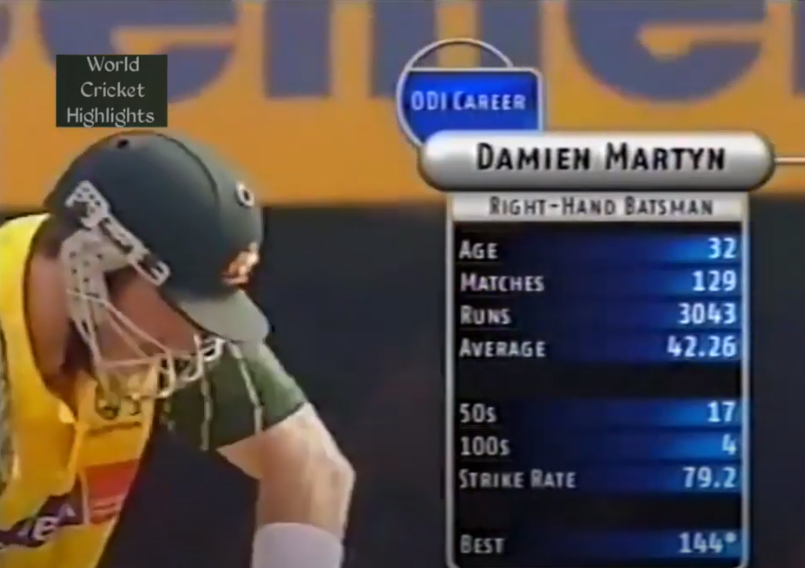
D Martyn: @damienmartyn.
Nov 1, 2003. Ind vs Aus. Mumbai - TVS Cup.
Aus 55-2 (6 Overs)
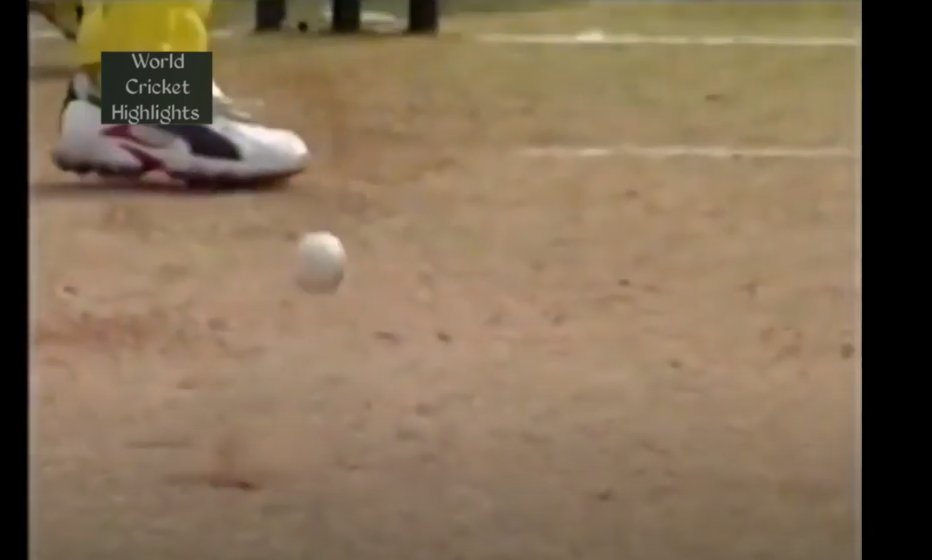
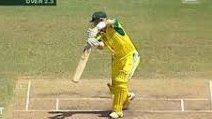
Many things had happened in the space of the 1st six overs in Wankhade. India dismissed @HaydosTweets for a golden duck, thanks to @ImZaheer and then..1⃣
----
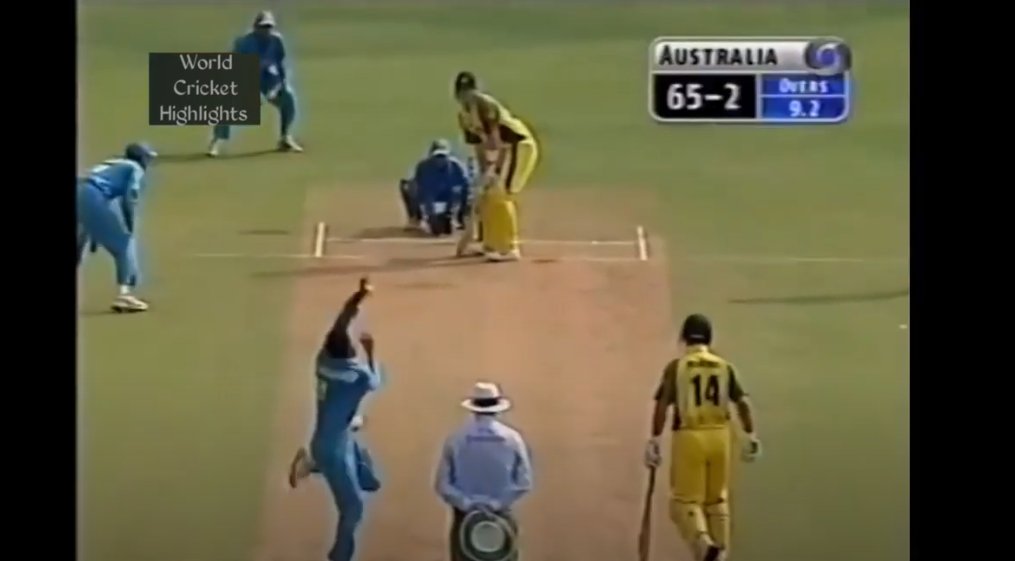
Scenario 1:
@harbhajan_singh was getting grip and bounce. Ind responded with a slip, silly point and forward shortleg..4⃣
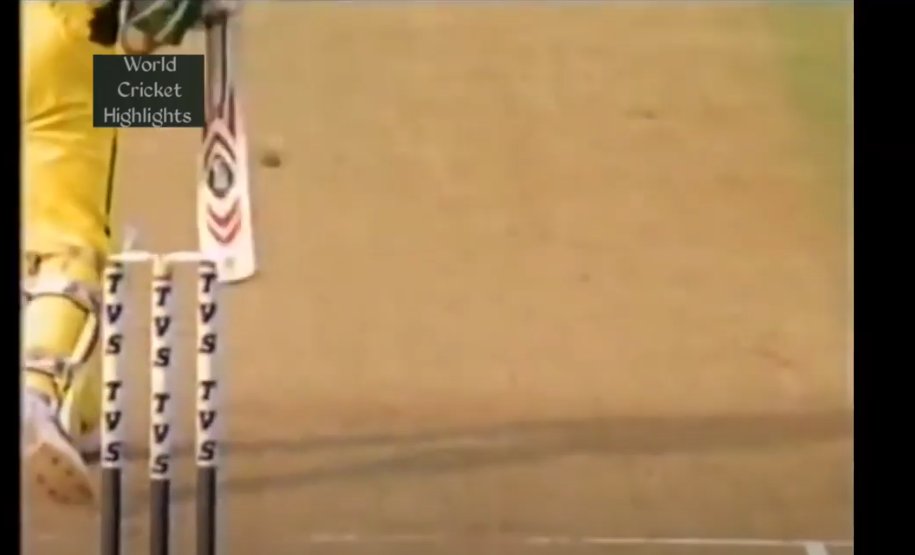
Scenario 2:
@imAagarkar bowls one that beats @damienmartyn's outside edge..5⃣
Well, he hits one over the bowlers head to long on for a boundary. Pressure transferred back to India.
6⃣

Martyn completed his 50 off 84 balls in the 39th over. Slow right? Wait a sec. Hold on. Because @damienmartyn wasn't going to hold on. He scored 50 runs in the next 33 balls along with #Bevan. The carnage included inside out.. 7⃣


Part 1-- completed-- Part 2 on @damienmartyn career stats coming soon..

More from Cricket



You May Also Like

A brief analysis and comparison of the CSS for Twitter's PWA vs Twitter's legacy desktop website. The difference is dramatic and I'll touch on some reasons why.
Legacy site *downloads* ~630 KB CSS per theme and writing direction.
6,769 rules
9,252 selectors
16.7k declarations
3,370 unique declarations
44 media queries
36 unique colors
50 unique background colors
46 unique font sizes
39 unique z-indices
https://t.co/qyl4Bt1i5x

PWA *incrementally generates* ~30 KB CSS that handles all themes and writing directions.
735 rules
740 selectors
757 declarations
730 unique declarations
0 media queries
11 unique colors
32 unique background colors
15 unique font sizes
7 unique z-indices
https://t.co/w7oNG5KUkJ

The legacy site's CSS is what happens when hundreds of people directly write CSS over many years. Specificity wars, redundancy, a house of cards that can't be fixed. The result is extremely inefficient and error-prone styling that punishes users and developers.
The PWA's CSS is generated on-demand by a JS framework that manages styles and outputs "atomic CSS". The framework can enforce strict constraints and perform optimisations, which is why the CSS is so much smaller and safer. Style conflicts and unbounded CSS growth are avoided.
Legacy site *downloads* ~630 KB CSS per theme and writing direction.
6,769 rules
9,252 selectors
16.7k declarations
3,370 unique declarations
44 media queries
36 unique colors
50 unique background colors
46 unique font sizes
39 unique z-indices
https://t.co/qyl4Bt1i5x
PWA *incrementally generates* ~30 KB CSS that handles all themes and writing directions.
735 rules
740 selectors
757 declarations
730 unique declarations
0 media queries
11 unique colors
32 unique background colors
15 unique font sizes
7 unique z-indices
https://t.co/w7oNG5KUkJ
The legacy site's CSS is what happens when hundreds of people directly write CSS over many years. Specificity wars, redundancy, a house of cards that can't be fixed. The result is extremely inefficient and error-prone styling that punishes users and developers.
The PWA's CSS is generated on-demand by a JS framework that manages styles and outputs "atomic CSS". The framework can enforce strict constraints and perform optimisations, which is why the CSS is so much smaller and safer. Style conflicts and unbounded CSS growth are avoided.