What were the big energy and climate surprises of the Trump era? Four years ago, I described the most plausible arc for US climate policy under Trump (it was a boring, safe bet) but expected there'd be unexpected developments too. So how about a look back? https://t.co/1Valz4eTEg
Niche issue here, but the rise of the #flygskam/\u201cflying shame\u201d movement was a big surprise for me. Currently masked by the COVID epidemic but "fly less\u201d now being on every top 5 climate action list is a huge change that will reverberate.
— Dan Rutherford (@rutherdan) December 29, 2020
This is what it looked like in constant dollars. 2016 was the last year signed by Obama. pic.twitter.com/PpIDOJ0zU8
— Matt Hourihan (@MattHourihan) December 29, 2020
More from Climate change




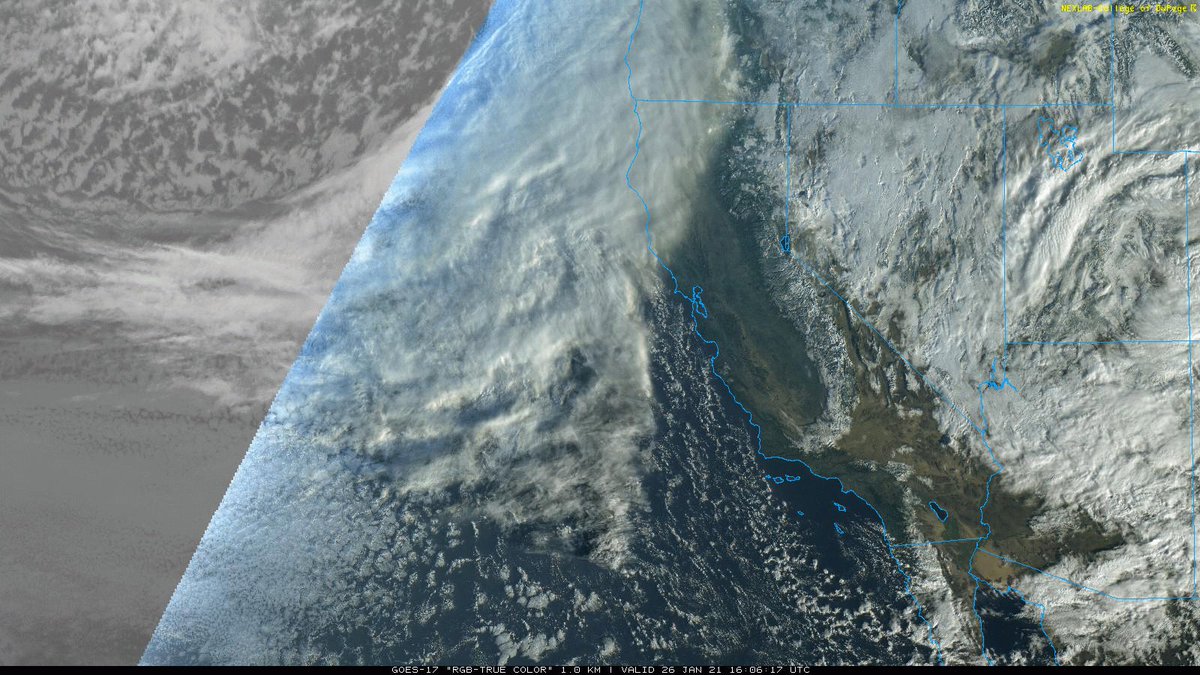
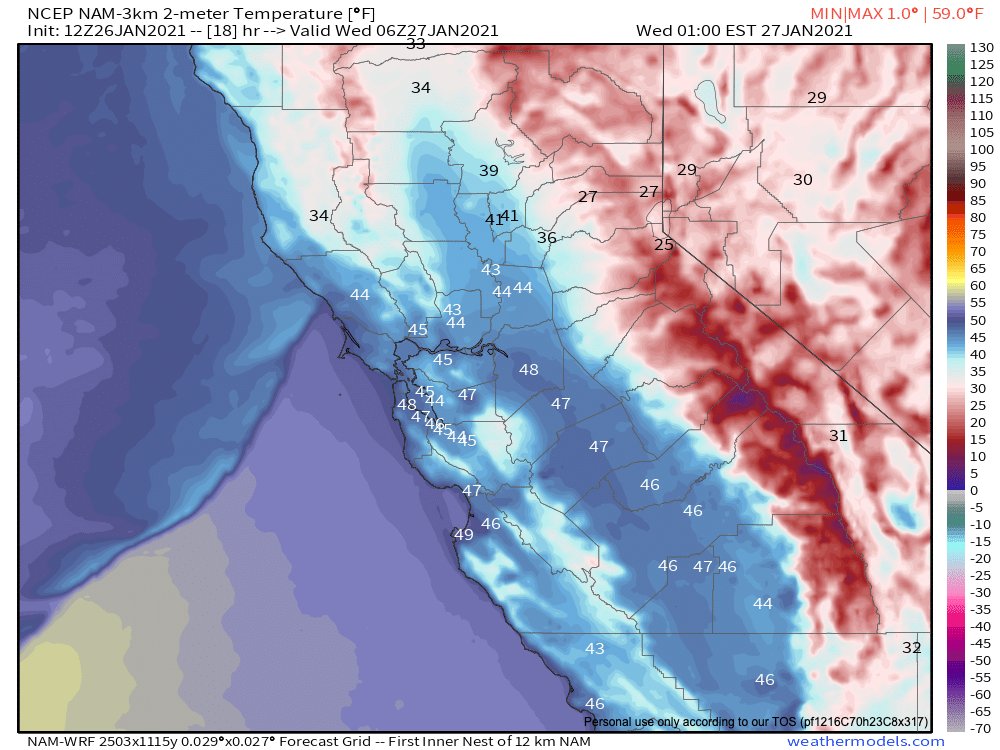
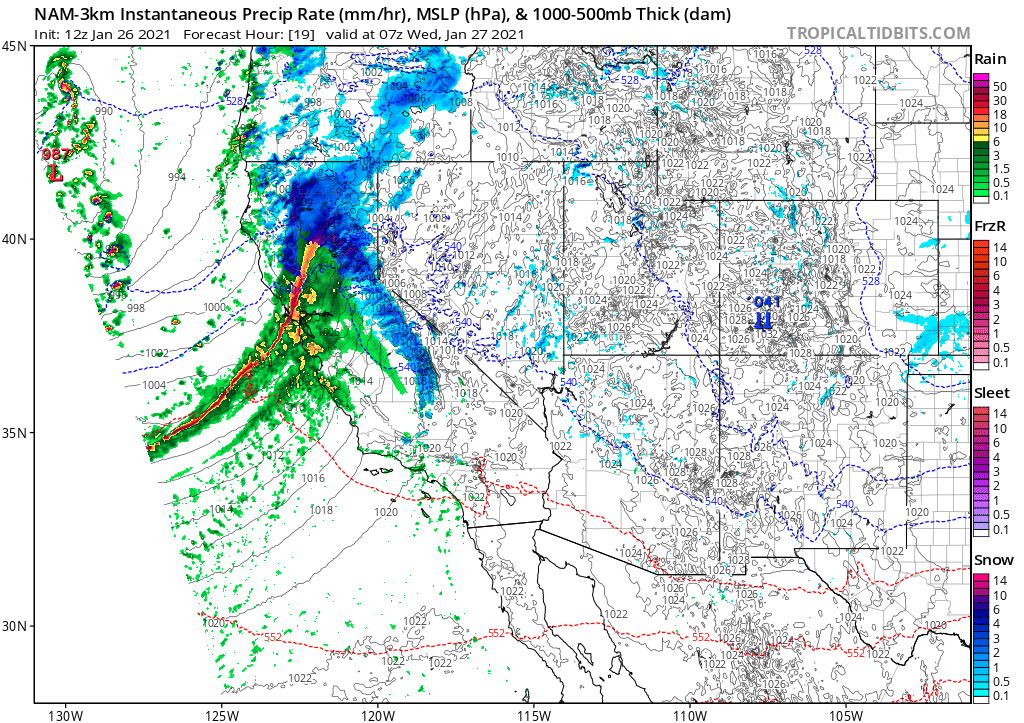
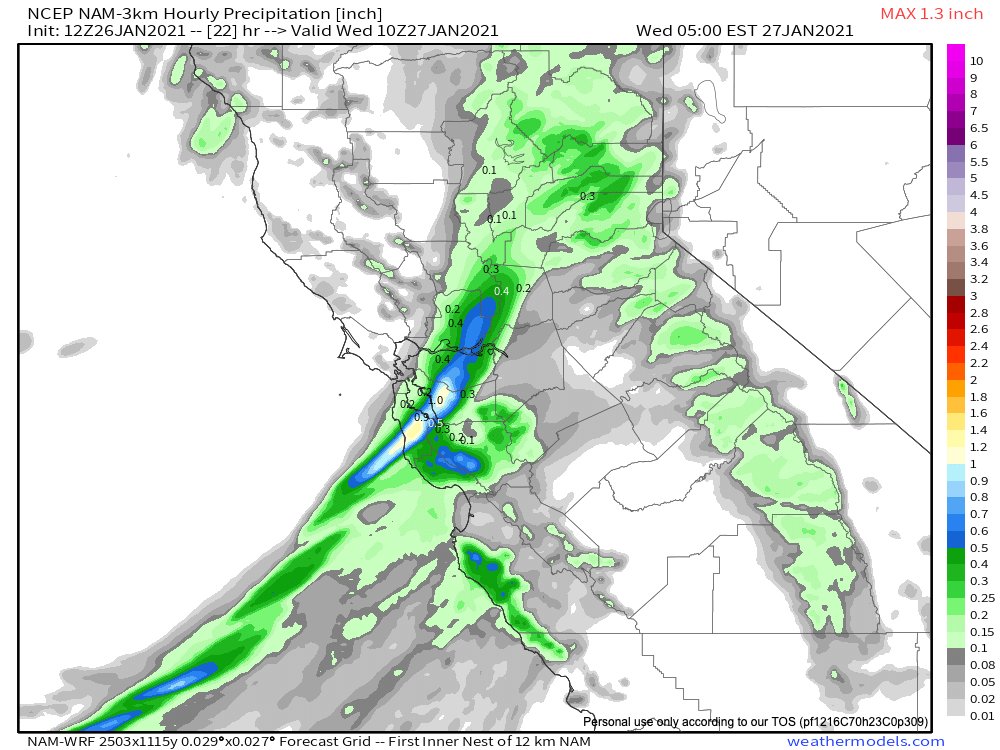
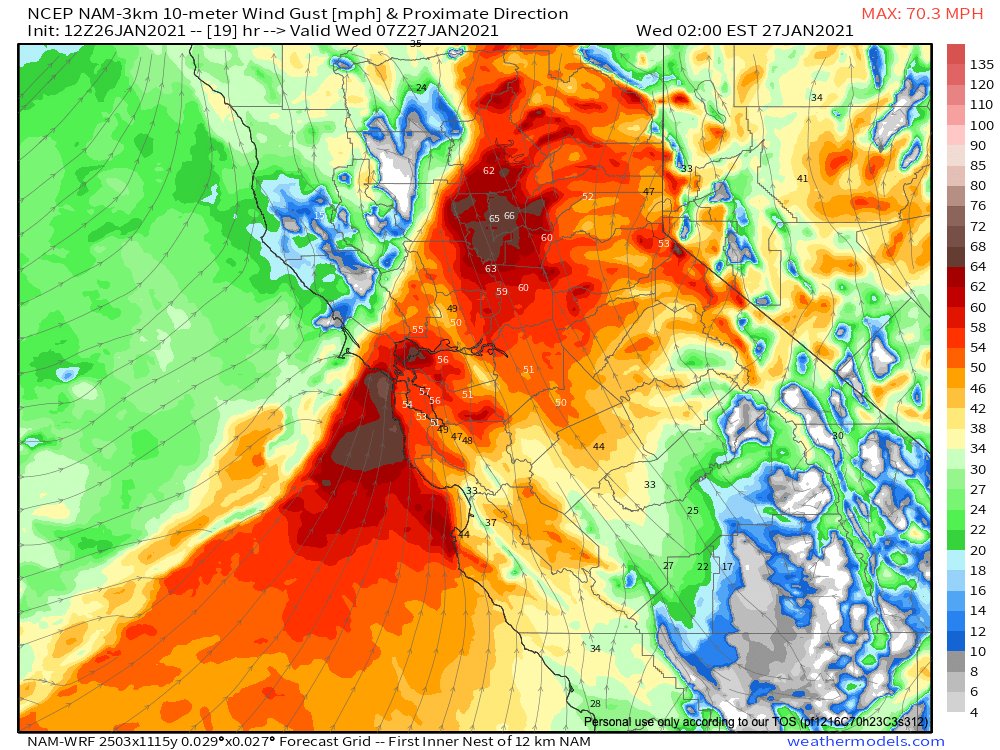


1/ In reflecting on my work this year I have just realized that everything I published concerned climate change: here is a roundup of my 2020 writing on #climate #justice, climate #reparations, climate #debt, climate #displacement, climate #mobilities & #disaster #recovery
2/ My most recent online piece is on #Arctic #Mobilities, #climate #displacement and #Indigenous rights, originating from a great workshop @PennLaw_CERL
3/ Last month I also wrote about #climate #displacement and the case for #climate #reparations and #open #borders for those fleeing climate disasters
4/ Which originally appeared here
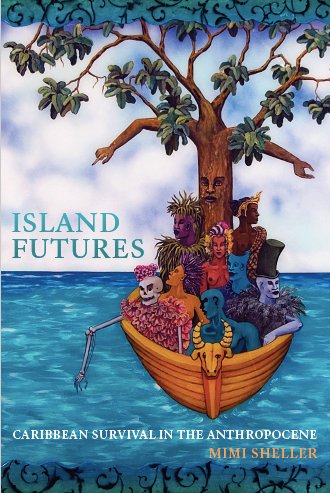
5/ Both of these came out of thinking about Caribbean #climate #colonialism and #climate #debt in my book Island Futures: Caribbean Survival in the Anthropocene @DukePress YOU CAN STILL GET IT for 50% off with the code E20SHELL https://t.co/i5DIaNAgsg
2/ My most recent online piece is on #Arctic #Mobilities, #climate #displacement and #Indigenous rights, originating from a great workshop @PennLaw_CERL
3/ Last month I also wrote about #climate #displacement and the case for #climate #reparations and #open #borders for those fleeing climate disasters
4/ Which originally appeared here
5/ Both of these came out of thinking about Caribbean #climate #colonialism and #climate #debt in my book Island Futures: Caribbean Survival in the Anthropocene @DukePress YOU CAN STILL GET IT for 50% off with the code E20SHELL https://t.co/i5DIaNAgsg

You May Also Like

Recently, the @CNIL issued a decision regarding the GDPR compliance of an unknown French adtech company named "Vectaury". It may seem like small fry, but the decision has potential wide-ranging impacts for Google, the IAB framework, and today's adtech. It's thread time! 👇
It's all in French, but if you're up for it you can read:
• Their blog post (lacks the most interesting details): https://t.co/PHkDcOT1hy
• Their high-level legal decision: https://t.co/hwpiEvjodt
• The full notification: https://t.co/QQB7rfynha
I've read it so you needn't!
Vectaury was collecting geolocation data in order to create profiles (eg. people who often go to this or that type of shop) so as to power ad targeting. They operate through embedded SDKs and ad bidding, making them invisible to users.
The @CNIL notes that profiling based off of geolocation presents particular risks since it reveals people's movements and habits. As risky, the processing requires consent — this will be the heart of their assessment.
Interesting point: they justify the decision in part because of how many people COULD be targeted in this way (rather than how many have — though they note that too). Because it's on a phone, and many have phones, it is considered large-scale processing no matter what.
It's all in French, but if you're up for it you can read:
• Their blog post (lacks the most interesting details): https://t.co/PHkDcOT1hy
• Their high-level legal decision: https://t.co/hwpiEvjodt
• The full notification: https://t.co/QQB7rfynha
I've read it so you needn't!
Vectaury was collecting geolocation data in order to create profiles (eg. people who often go to this or that type of shop) so as to power ad targeting. They operate through embedded SDKs and ad bidding, making them invisible to users.
The @CNIL notes that profiling based off of geolocation presents particular risks since it reveals people's movements and habits. As risky, the processing requires consent — this will be the heart of their assessment.
Interesting point: they justify the decision in part because of how many people COULD be targeted in this way (rather than how many have — though they note that too). Because it's on a phone, and many have phones, it is considered large-scale processing no matter what.