Wracając do sedna dzisiejszego zamieszania z artykułem autosportu / motorsportu. Kubica mówi w nim, że podejmie swoją decyzję w ciągu kilku dni. Rozważa opcję z Williamsem lub posadę kierowcy symulatora w Ferrari. Więc za kilka dni dowiemy się co go czeka za rok. #F1PL
More from Sport





What a year it's been. It hasn't been easy for anyone in 2020, but we've seen @spfl clubs and community trusts across Scotland step up to support those in need.
Let's have a little thread to celebrate 12 months of extraordinary commitment.
❤️🧡💛💚💙💜🤎🖤🤍
/1
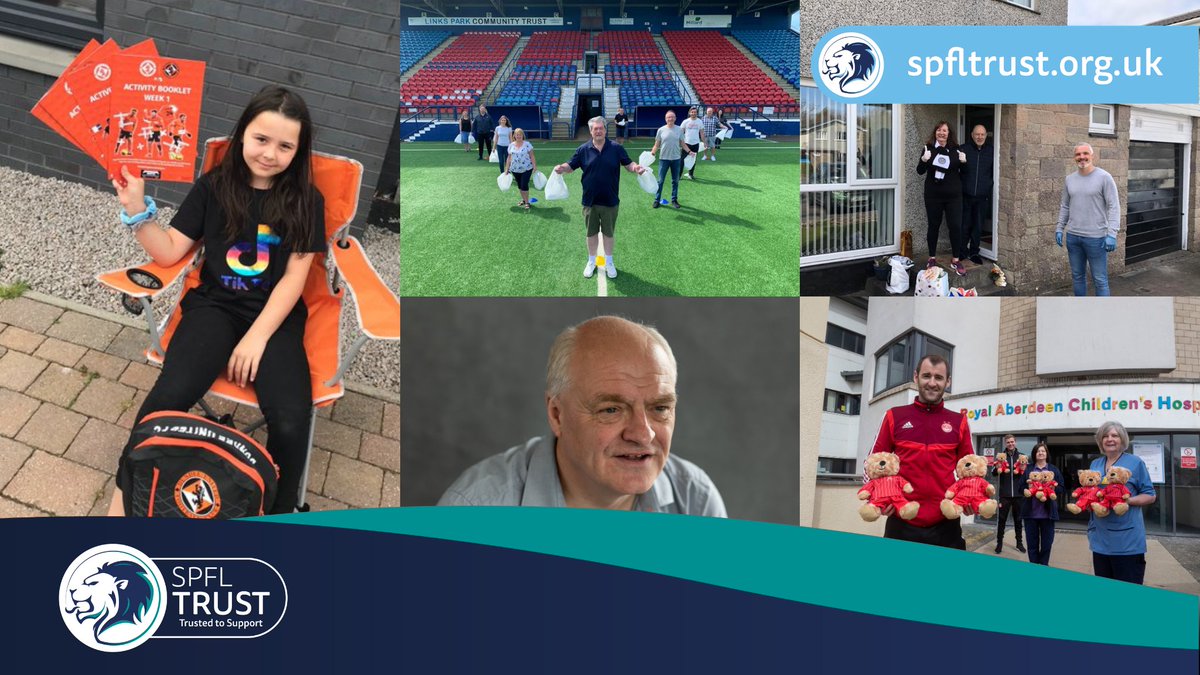
We kicked off the year with Football Fans in Training.
#BeYourOwnHero
Alison wasn't actually a @PartickThistle fan (albeit she kinda fell for the Jags with help from her partner). This was her story... 💪🏽
#BeYourOwnHero
Also in January we revealed that @JamTarts would join our @JoyofMovingUK programme, becoming the third club in Scotland to deliver the project to primary schools, across Edinburgh.
In Feb, we revealed @CashBackScot is to fund a new SPFL Trust project with five @spfl clubs / communities trusts to tackle anti-social behaviour.
Off the Bench will feature:
⚪️ @DundeeFCCT
⚪️ @falkirkfcf
⚪️ @bighearts
⚪️@community_mfcct
⚪️
Let's have a little thread to celebrate 12 months of extraordinary commitment.
❤️🧡💛💚💙💜🤎🖤🤍
/1
We kicked off the year with Football Fans in Training.
#BeYourOwnHero
Hero: a person who is admired for having done something very brave, or having achieved something great. #BeYourOwnHero pic.twitter.com/KZ6p0u0dNi
— SPFL Trust (@SPFLTrust) January 10, 2020
Alison wasn't actually a @PartickThistle fan (albeit she kinda fell for the Jags with help from her partner). This was her story... 💪🏽
#BeYourOwnHero
\u25b6\ufe0f Watch | Alison is our latest FFIT hero. She admits she wasn\u2019t even a football fan, but loved the support and camaraderie of our programme. It helped encouraged her to lose four stone!
— SPFL Trust (@SPFLTrust) January 18, 2020
\U0001f501 RT to share
\U0001f44a\U0001f3fc #BeYourOwnHero pic.twitter.com/wWDdsiOesp
Also in January we revealed that @JamTarts would join our @JoyofMovingUK programme, becoming the third club in Scotland to deliver the project to primary schools, across Edinburgh.
In Feb, we revealed @CashBackScot is to fund a new SPFL Trust project with five @spfl clubs / communities trusts to tackle anti-social behaviour.
Off the Bench will feature:
⚪️ @DundeeFCCT
⚪️ @falkirkfcf
⚪️ @bighearts
⚪️@community_mfcct
⚪️




You May Also Like












On the occasion of youtube 20k and Twitter 70k members
A small tribute/gift to members
Screeners
technical screeners - intraday and positional both
before proceeding - i have helped you , can i ask you so that it can help someone else too
thank you
positional one
run - find #stock - draw chart - find levels
1- Stocks closing daily 2% up from 5 days
https://t.co/gTZrYY3Nht
2- Weekly breakout
https://t.co/1f4ahEolYB
3- Breakouts in short term
https://t.co/BI4h0CdgO2
4- Bullish from last 5
intraday screeners
5- 15 minute Stock Breakouts
https://t.co/9eAo82iuNv
6- Intraday Buying seen in the past 15 minutes
https://t.co/XqAJKhLB5G
7- Stocks trading near day's high on 5 min chart with volume BO intraday
https://t.co/flHmm6QXmo
Thank you
A small tribute/gift to members
Screeners
technical screeners - intraday and positional both
before proceeding - i have helped you , can i ask you so that it can help someone else too
thank you
positional one
run - find #stock - draw chart - find levels
1- Stocks closing daily 2% up from 5 days
https://t.co/gTZrYY3Nht
2- Weekly breakout
https://t.co/1f4ahEolYB
3- Breakouts in short term
https://t.co/BI4h0CdgO2
4- Bullish from last 5
intraday screeners
5- 15 minute Stock Breakouts
https://t.co/9eAo82iuNv
6- Intraday Buying seen in the past 15 minutes
https://t.co/XqAJKhLB5G
7- Stocks trading near day's high on 5 min chart with volume BO intraday
https://t.co/flHmm6QXmo
Thank you