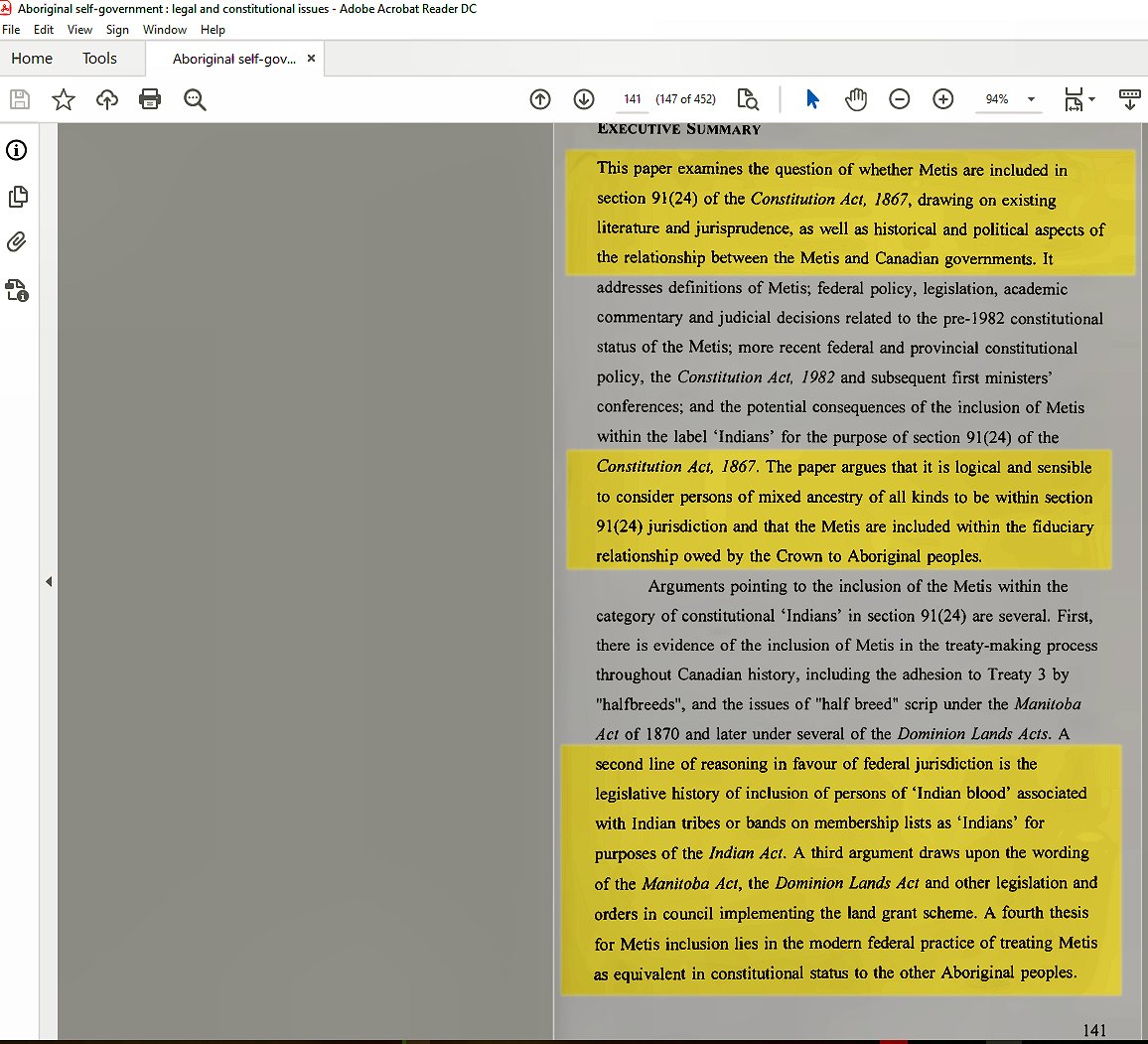
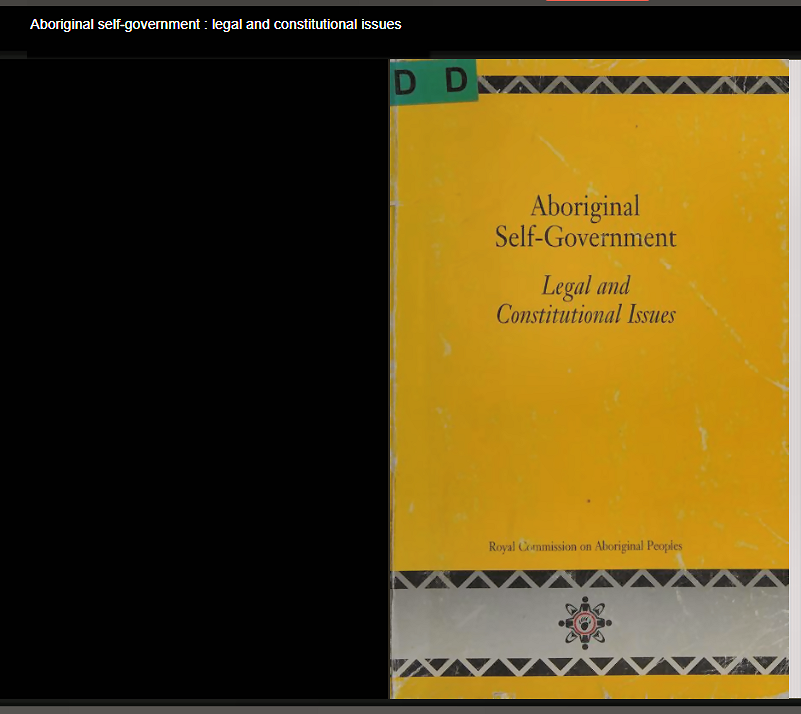
Aboriginal self-government - legal and constitutional issues 1995 Ottawa, Canada- Royal Commission on Aboriginal Peoples #Metis
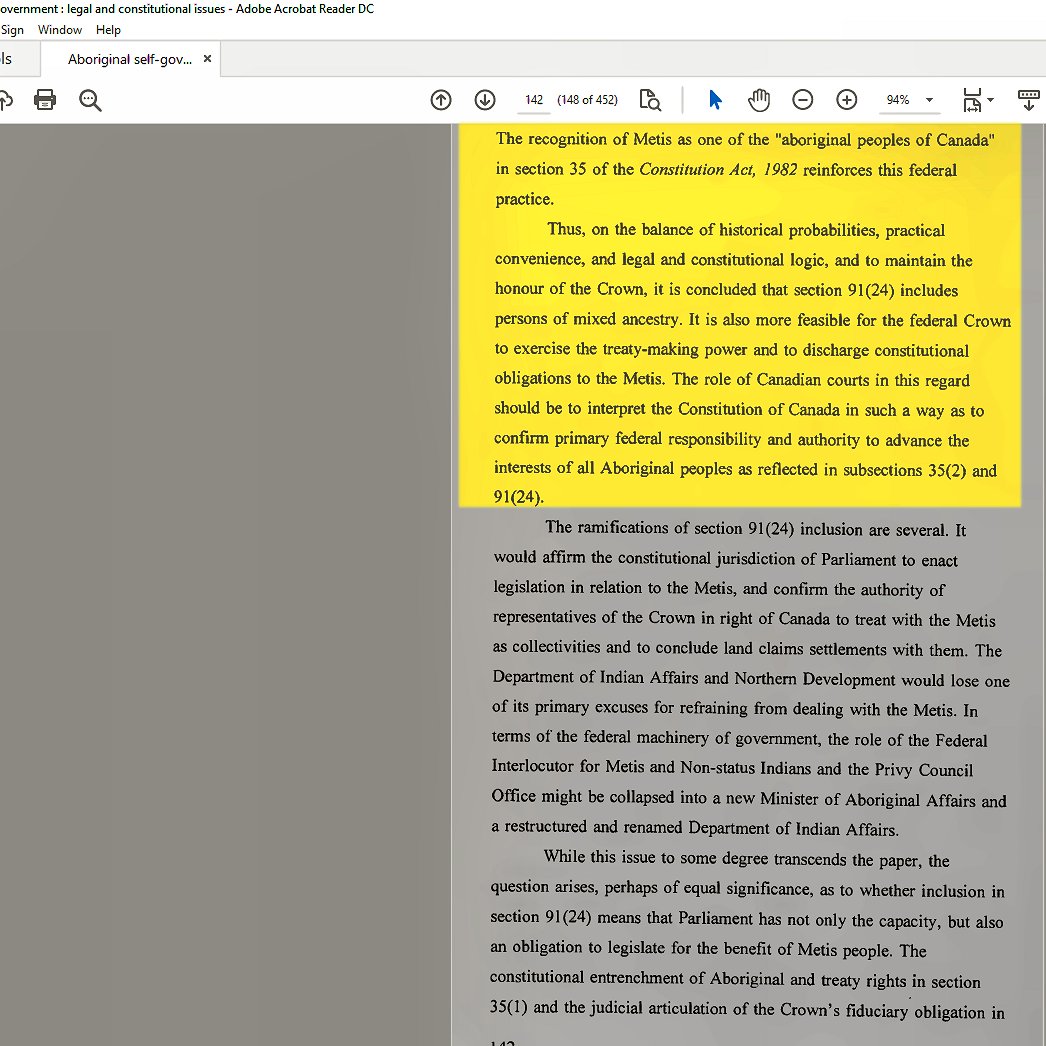
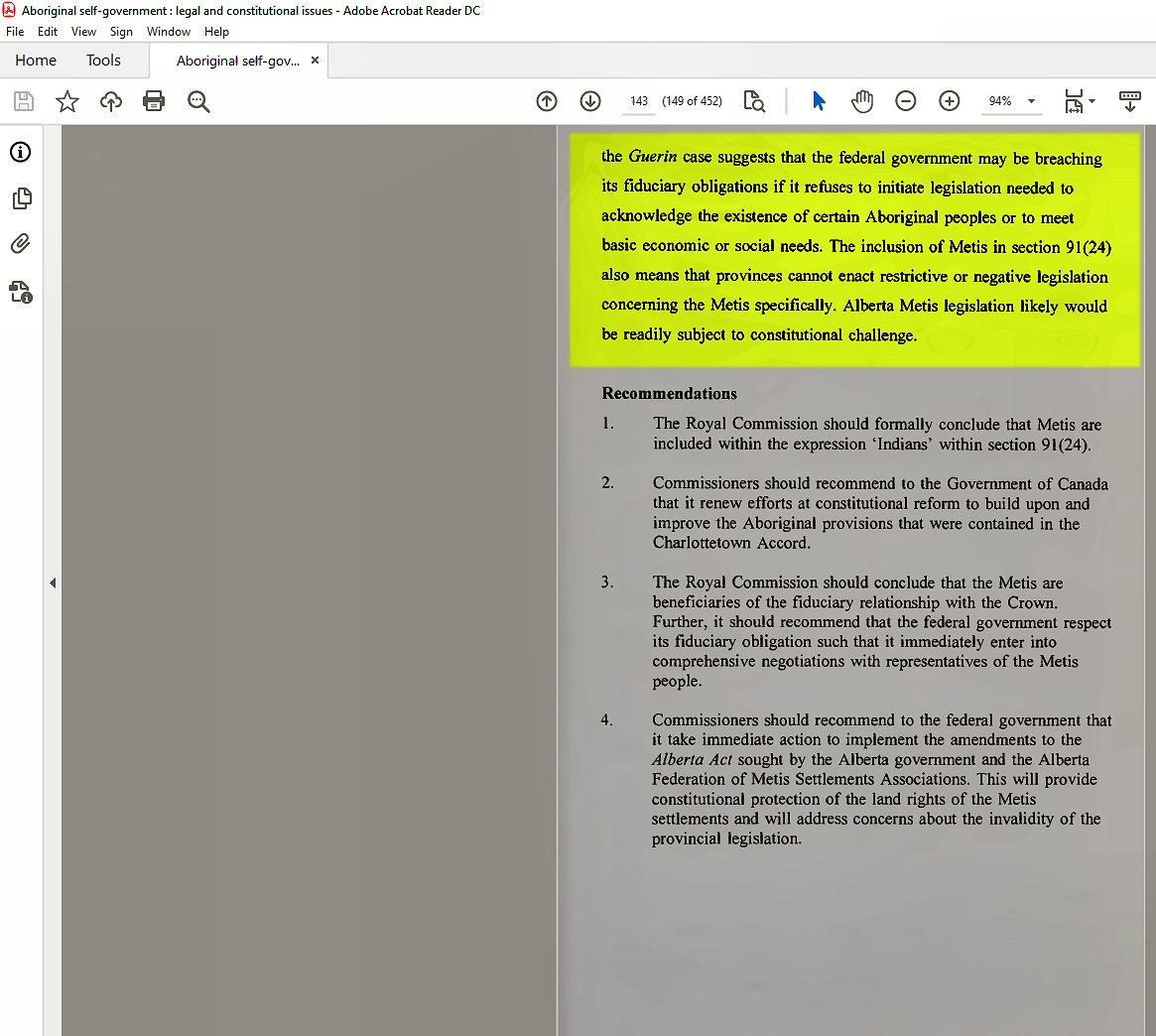
RELATED CASES AND POSTS
Guerin v. The Queen, [1984] 2 SCR 335


More from J Malone.
@steph_pettigrew I identify as EasternMetis , can you tell me exactly how I am hurting Indigenous groups? Oh please, this should be interesting.
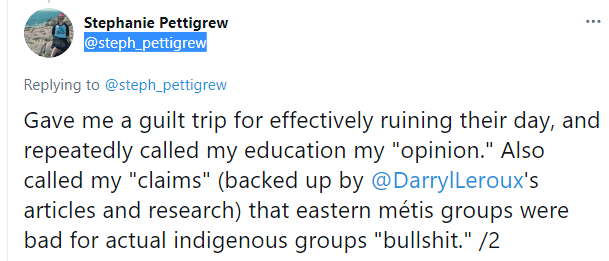
I feel sorry for you that you believe @DarrylLeroux, have you done any independent research into "The Other Metis" at all ? LAC - Metis Circle Special Consultation -- Rock Matte, Claude Aubin, Frank Palmater etc.
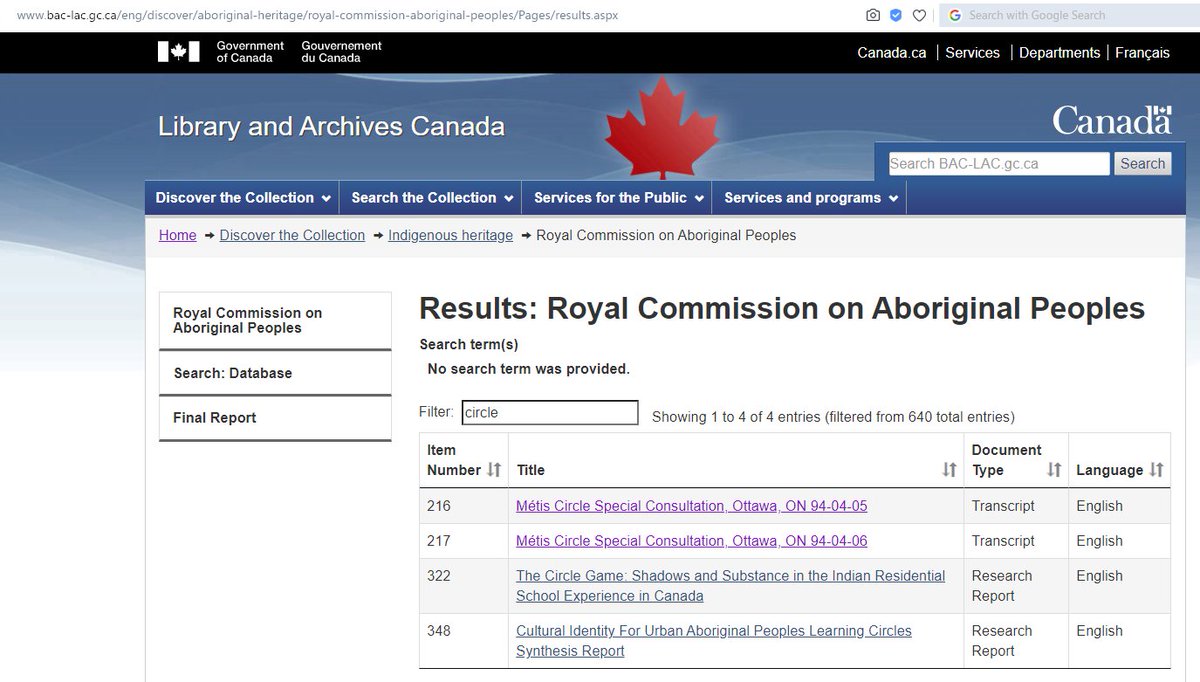
Have you read the RCAP reports, specifically RCAP 432 and RCAP 433 ?
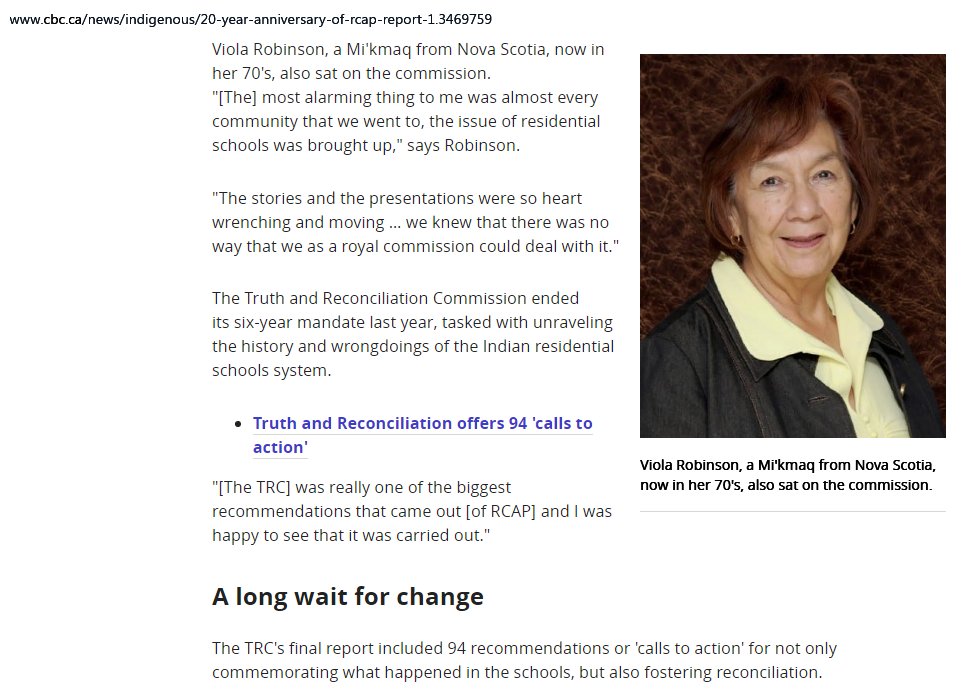
CBC - RCAP - Viola Robinson sat on the commission. https://t.co/3cD8CA8tu6
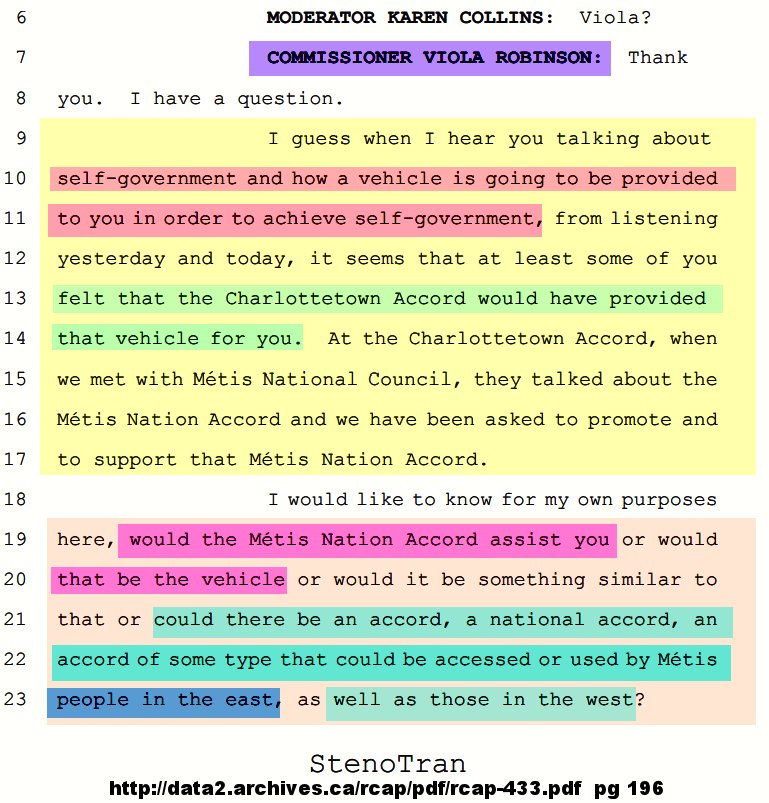
Métis Circle Special Consultation- Viola Robinson , asking if the Metis Nation Accord would be a vehicle that the Metis in the East could use.
I feel sorry for you that you believe @DarrylLeroux, have you done any independent research into "The Other Metis" at all ? LAC - Metis Circle Special Consultation -- Rock Matte, Claude Aubin, Frank Palmater etc.
Have you read the RCAP reports, specifically RCAP 432 and RCAP 433 ?
CBC - RCAP - Viola Robinson sat on the commission. https://t.co/3cD8CA8tu6
Métis Circle Special Consultation- Viola Robinson , asking if the Metis Nation Accord would be a vehicle that the Metis in the East could use.


metismuseum.ca- New breed Magazine Winter 2006- Harry Daniels - order of Gabriel Dumont Gold- in the early 1980's as the president of NCC - He was the person responsible for putting Metis into the repatriated constitution. @Occamsfork @simon_gabe @ArnallLabrador @CrownIndigenous

https://t.co/KUy29WNtr7

Letter from Harry Daniels to Kirby Lethbridge of the Labrador Metis Nation. - explaining who he considered Metis constituents of the Native Council of Canada when Metis were inserted into the 1982 Constitution.

Metis social-political movement-by Lusty, Terry,1973- publisher- Calgary Metis Historical Society-Metis Associations- UNSI. - Union of Nova Scotia Indians

Volume 17 Issue 2 February - March 1975- Indian News - Native Women confront UNSI Board - Mr. Denny suggested that the Metis and Non-Status Indians set up their own organization.

https://t.co/KUy29WNtr7
Letter from Harry Daniels to Kirby Lethbridge of the Labrador Metis Nation. - explaining who he considered Metis constituents of the Native Council of Canada when Metis were inserted into the 1982 Constitution.
Metis social-political movement-by Lusty, Terry,1973- publisher- Calgary Metis Historical Society-Metis Associations- UNSI. - Union of Nova Scotia Indians
Volume 17 Issue 2 February - March 1975- Indian News - Native Women confront UNSI Board - Mr. Denny suggested that the Metis and Non-Status Indians set up their own organization.


More from Book


We had a conversation on the podcast about the racialization of dog breeds, where we talked to @BronwenDickey, the author of Pitbull: The Battle Over an American Icon.
In the 1930s, Pitbulls — which, as Bronwen pointed out to me over and over, don’t constitute a dog breed but a shape — used to be seen as the trusty sidekick of the proletariat, the Honda Civic of canines. (Think of “the Little Rascals” dog.)
.
That began changing in the postwar years and the rise of the suburbs. A pedigreed dog became a status symbol for the burgeoning white middle class. And pitbulls got left behind in the cities.
Aside: USians have flitted between different “dangerous” breeds and media-fueled panics around specific dogs. (anti-German xenophobia in the late 1800s fueled extermination programs of the spitz, a little German dog that newspapers said was vicious and spread disease.)
Some previously “dangerous” dogs get rebranded over the years — German shepherds, Dobermans, Rottweilers. But the thing their respective periods of contempt and concern had to do is that they were associated with some contemporarily undesirable group.
Michael Tesler in @FiveThirtyEight bringing some data to bear on my tweets about @ReverendWarnock\u2019s dog ad. A piece worth reading, and a reminder: It\u2019s never \u201cjust a dog,\u201d y\u2019all.https://t.co/ijQvTDOdvj pic.twitter.com/sp05Bhueob
— Hakeem Jefferson (@hakeemjefferson) December 15, 2020
In the 1930s, Pitbulls — which, as Bronwen pointed out to me over and over, don’t constitute a dog breed but a shape — used to be seen as the trusty sidekick of the proletariat, the Honda Civic of canines. (Think of “the Little Rascals” dog.)
.
That began changing in the postwar years and the rise of the suburbs. A pedigreed dog became a status symbol for the burgeoning white middle class. And pitbulls got left behind in the cities.
Aside: USians have flitted between different “dangerous” breeds and media-fueled panics around specific dogs. (anti-German xenophobia in the late 1800s fueled extermination programs of the spitz, a little German dog that newspapers said was vicious and spread disease.)
Some previously “dangerous” dogs get rebranded over the years — German shepherds, Dobermans, Rottweilers. But the thing their respective periods of contempt and concern had to do is that they were associated with some contemporarily undesirable group.

I've gotten a few questions about this, so let me clarify and provide as much helpful information as this medium will allow.
To begin, both of my parents are MBA's and are assertive. They taught us four kids to be assertive. 1/x
Honestly, what's the worst a publisher can do, say no? If the worst that can happen is a rejection email (and believe me I've gotten ALOT), then it's pretty "safe" to at least ask.
But there were tricks that I learned about getting books from publishers. 2/x
The 1st was to request exam copies. I was a very part-time adjunct faculty for an online-only seminary in the UK. I designed two classes for them and requested books to consider as assigned reading for the classes. I still do this, since I'm full-time teaching/administrating. 3/x
The second was to become an approved/recognized reviewer for journals--it doesn't matter which ones. Thanks to a previous professor I'm a reviewer at the website for a research center. And through nothing but email, I'm a frequent reviewer for 3 journals (JESOT, JHS, RRT). 4/x
This is a helpful approach. When you know exactly where the review is going to be submitted and you know that the journal's review editor wants the review, then (in most cases) the review editor's job is to contact the publisher and make sure you get the book. That's it. 5/x
To begin, both of my parents are MBA's and are assertive. They taught us four kids to be assertive. 1/x
Many underestimate the generosity of (most) publishers. I probably got $10,000 worth of free books during my 4 years in Durham by request exam or review copies. Sometimes, I just emailed a publisher and said, "I need this book, but I can't afford it. Can you help me out?"
— Stephen D. Campbell, Dr. theol. (@the_OT_Campbell) December 13, 2020
Honestly, what's the worst a publisher can do, say no? If the worst that can happen is a rejection email (and believe me I've gotten ALOT), then it's pretty "safe" to at least ask.
But there were tricks that I learned about getting books from publishers. 2/x
The 1st was to request exam copies. I was a very part-time adjunct faculty for an online-only seminary in the UK. I designed two classes for them and requested books to consider as assigned reading for the classes. I still do this, since I'm full-time teaching/administrating. 3/x
The second was to become an approved/recognized reviewer for journals--it doesn't matter which ones. Thanks to a previous professor I'm a reviewer at the website for a research center. And through nothing but email, I'm a frequent reviewer for 3 journals (JESOT, JHS, RRT). 4/x
This is a helpful approach. When you know exactly where the review is going to be submitted and you know that the journal's review editor wants the review, then (in most cases) the review editor's job is to contact the publisher and make sure you get the book. That's it. 5/x


You May Also Like


1/x Fort Detrick History
Mr. Patrick, one of the chief scientists at the Army Biological Warfare Laboratories at Fort Detrick in Frederick, Md., held five classified US patents for the process of weaponizing anthrax.
2/x
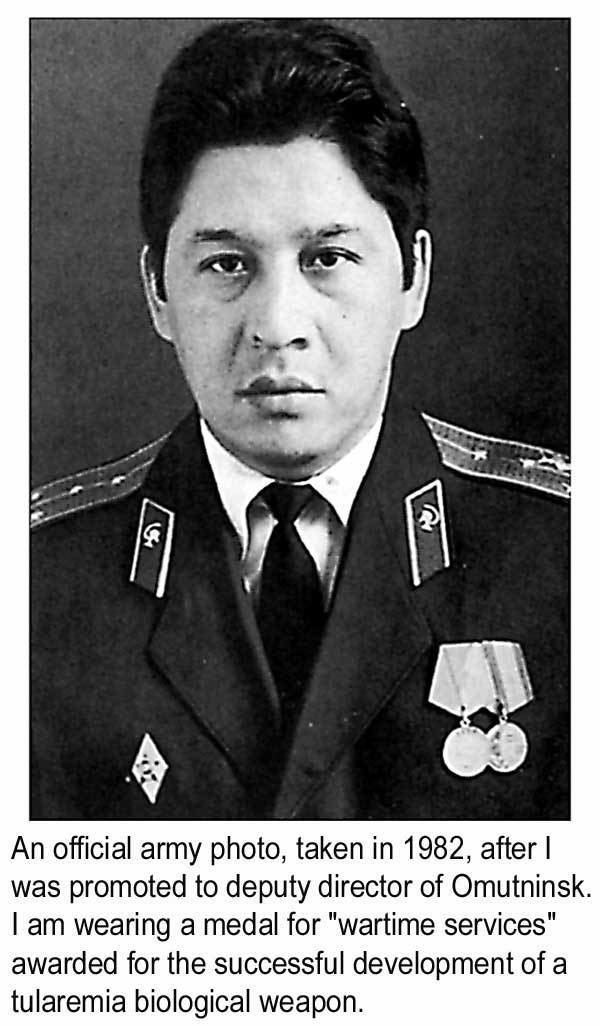
Under Mr. Patrick’s direction, scientists at Fort Detrick developed a tularemia agent that, if disseminated by airplane, could cause casualties & sickness over 1000s mi². In a 10,000 mi² range, it had 90% casualty rate & 50% fatality rate
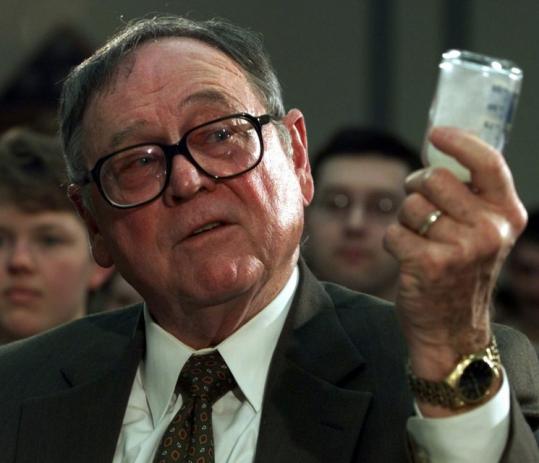
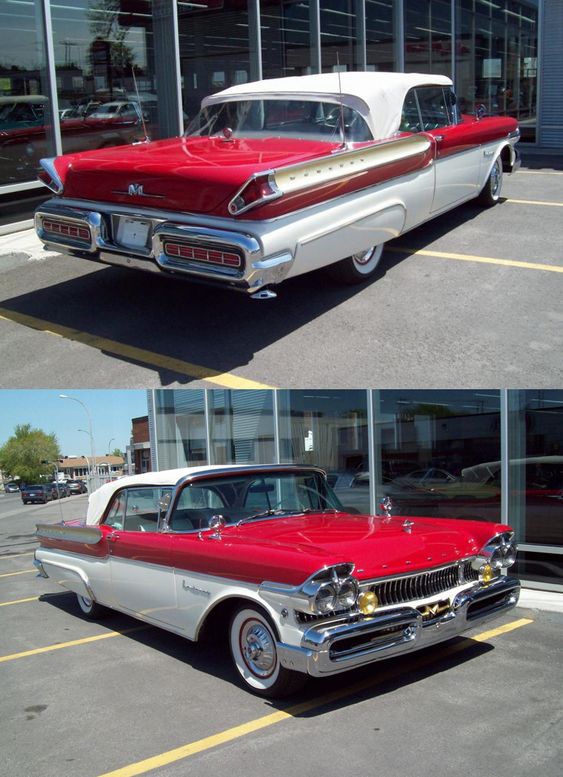
3/x His team explored Q fever, plague, & Venezuelan equine encephalitis, testing more than 20 anthrax strains to discern most lethal variety. Fort Detrick scientists used aerosol spray systems inside fountain pens, walking sticks, light bulbs, & even in 1953 Mercury exhaust pipes
4/x After retiring in 1986, Mr. Patrick remained one of the world’s foremost specialists on biological warfare & was a consultant to the CIA, FBI, & US military. He debriefed Soviet defector Ken Alibek, the deputy chief of the Soviet biowarfare program
https://t.co/sHqSaTSqtB
5/x Back in Time
In 1949 the Army created a small team of chemists at "Camp Detrick" called Special Operations Division. Its assignment was to find military uses for toxic bacteria. The coercive use of toxins was a new field, which fascinated Allen Dulles, later head of the CIA
Mr. Patrick, one of the chief scientists at the Army Biological Warfare Laboratories at Fort Detrick in Frederick, Md., held five classified US patents for the process of weaponizing anthrax.
2/x
Under Mr. Patrick’s direction, scientists at Fort Detrick developed a tularemia agent that, if disseminated by airplane, could cause casualties & sickness over 1000s mi². In a 10,000 mi² range, it had 90% casualty rate & 50% fatality rate
3/x His team explored Q fever, plague, & Venezuelan equine encephalitis, testing more than 20 anthrax strains to discern most lethal variety. Fort Detrick scientists used aerosol spray systems inside fountain pens, walking sticks, light bulbs, & even in 1953 Mercury exhaust pipes
4/x After retiring in 1986, Mr. Patrick remained one of the world’s foremost specialists on biological warfare & was a consultant to the CIA, FBI, & US military. He debriefed Soviet defector Ken Alibek, the deputy chief of the Soviet biowarfare program
https://t.co/sHqSaTSqtB
5/x Back in Time
In 1949 the Army created a small team of chemists at "Camp Detrick" called Special Operations Division. Its assignment was to find military uses for toxic bacteria. The coercive use of toxins was a new field, which fascinated Allen Dulles, later head of the CIA