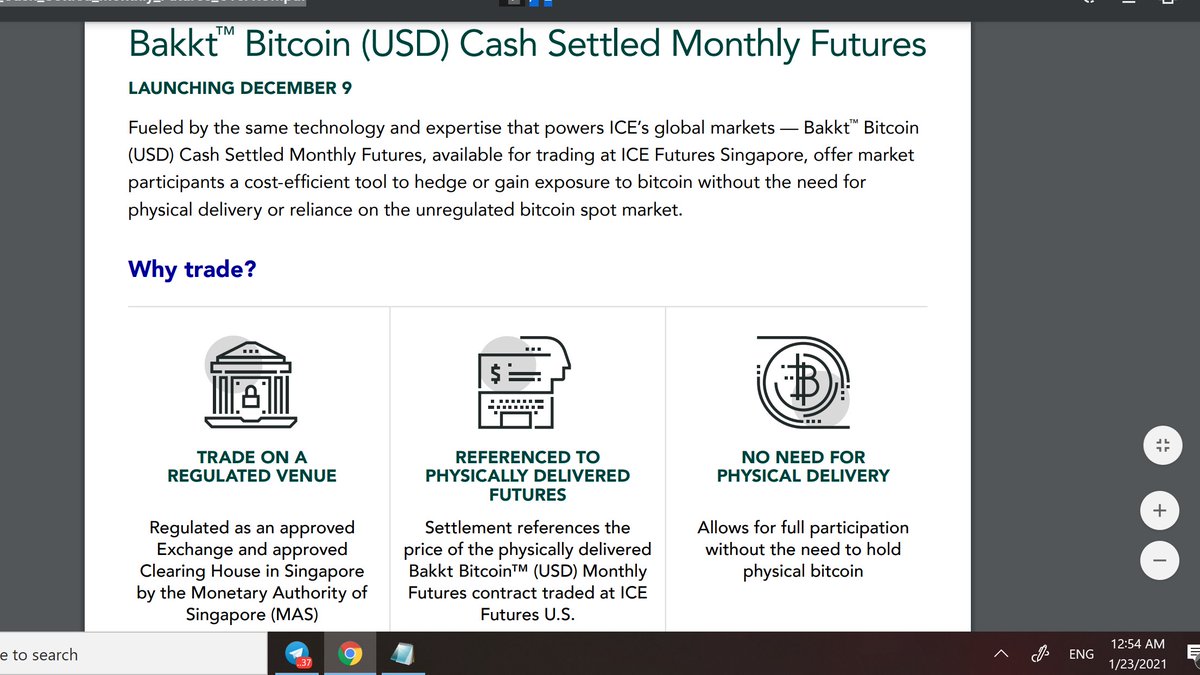
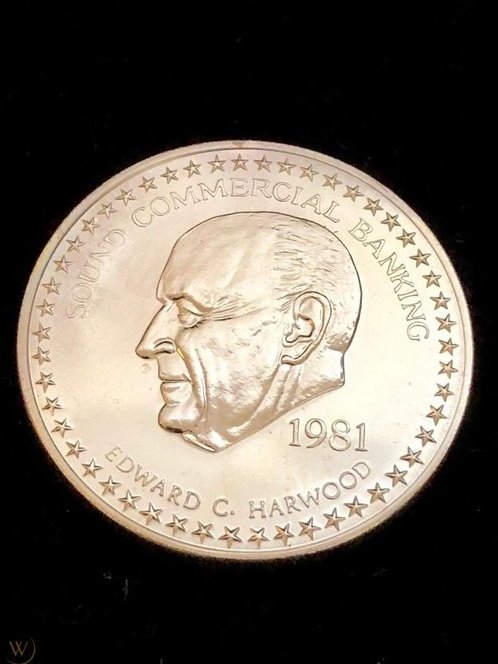
The #Bitcoin fundamentals of four generations of inflation, entitlements, and regulations are separate and apart from #Bitcoin the technological innovation. If we had sound money there would be little demand for Bitcoin. (1/13)
@woonomic @realmaxkeiser @stacyherbert @ToneVaysBTC @UglyOldGoat1
— Abolition (@kalsangdolmanz) January 22, 2021
What do you guys think? https://t.co/mF1z9QL1My

https://t.co/czO3Tctv0I
More from Bitcoin

The is no Devcoin Gold yet. But then again, we've never been one to "peg" to anything. I came across an interesting article about 'recreating' addresses with Bgold that @bitcoincoreorg cut out since 0.13.0 - perhaps one day we can do a similar thing in future Devcoin software :)

https://t.co/cv4UqsaVAK
That being said I hold some Doge @blockio in an "A-" address myself after 0. 1. "9-" versions :). Don't believe Bitcoin Core the Coin (Utility) is the only visible value on Core chain. Color me crazy. I believe in script. And FOSS that is used to export📜

And that's just a guy @MeniRosenfeld who put his identity and ideas out in the public to build a Web of Trust back when the web was much less of a safe place. His identity at stake and the implementation of a branch in source code by another unsung hero @killerstorm reveals value
Some of those who set up our bright future quietly implemented it in a branch on the main source code before it was officially the Bitcoin Core main repository, before a "Bitcoin Core" entity existed
Just because Bitcoin Core nodes dominate and do not read "smart" colored satoshis or display them, doesn't mean they do not exist on chain. The example of recreating P2WSH-over-P2SH address from BTC https://t.co/ZWSP2MO5bY wallets in Bitcoin Core Gold I shared proves -rescan's $
https://t.co/cv4UqsaVAK
That being said I hold some Doge @blockio in an "A-" address myself after 0. 1. "9-" versions :). Don't believe Bitcoin Core the Coin (Utility) is the only visible value on Core chain. Color me crazy. I believe in script. And FOSS that is used to export📜
And that's just a guy @MeniRosenfeld who put his identity and ideas out in the public to build a Web of Trust back when the web was much less of a safe place. His identity at stake and the implementation of a branch in source code by another unsung hero @killerstorm reveals value
Some of those who set up our bright future quietly implemented it in a branch on the main source code before it was officially the Bitcoin Core main repository, before a "Bitcoin Core" entity existed
Just because Bitcoin Core nodes dominate and do not read "smart" colored satoshis or display them, doesn't mean they do not exist on chain. The example of recreating P2WSH-over-P2SH address from BTC https://t.co/ZWSP2MO5bY wallets in Bitcoin Core Gold I shared proves -rescan's $


I have a different take on bitcoin, tether, and dollars
Can also speak with authority on nation state violence
"Nothing makes you feel more free than taking another person's freedom"
and @profplum99 concerns with tether, bitcoin, and decentralization make sense yet I remain long BTC
They are correct on force, I worked in decentralized societies, they are dangerous because the state does not have a monopoly on violence
For those in the first world who have never seen a milita ride out of the desert, kill and enslave farmers, and the government cannot stop it because the 21st century slave trade pays better than the UN, the reality of decentralization is might equals right
I know, that isn't the decentralized future Buterin talks about while wearing a t-shirt with a cat fighting space invaders on it (love those shirts)
But we need to be real, disrupting the global centralized economy won't be like Uber putting taxis out of work
It will be war and faminine level disruption as old empires come alive again
For decentralization to rise the centralized global power of the last 70 years (US Hegemony) has to weaken
Yes we will be rich, but as the Big Short says,
"you can be happy, just don't fucking dance"
Can also speak with authority on nation state violence
"Nothing makes you feel more free than taking another person's freedom"
After much investigation and conversations with people on here, I\u2019ve formed a relatively robust theory of what may be happening with Tether.
— Travis Kimmel (@coloradotravis) January 18, 2021
This thread will attempt to lay it out with neutral language for the purpose of discussion.
1/
and @profplum99 concerns with tether, bitcoin, and decentralization make sense yet I remain long BTC
They are correct on force, I worked in decentralized societies, they are dangerous because the state does not have a monopoly on violence
For those in the first world who have never seen a milita ride out of the desert, kill and enslave farmers, and the government cannot stop it because the 21st century slave trade pays better than the UN, the reality of decentralization is might equals right
I know, that isn't the decentralized future Buterin talks about while wearing a t-shirt with a cat fighting space invaders on it (love those shirts)
But we need to be real, disrupting the global centralized economy won't be like Uber putting taxis out of work
It will be war and faminine level disruption as old empires come alive again
For decentralization to rise the centralized global power of the last 70 years (US Hegemony) has to weaken
Yes we will be rich, but as the Big Short says,
"you can be happy, just don't fucking dance"

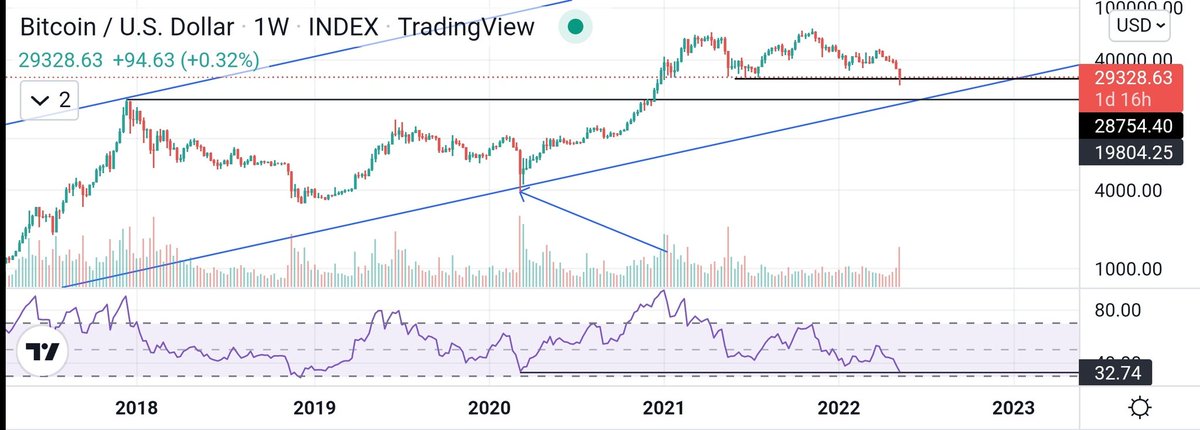
I will be a buyer under 13800 levels, but depending upon the reversal on smaller timeframe.
#BITCOIN
— Mayank Narula (@Mayank_Narula1) March 5, 2022
Pending RSI divergence on monthly chart which requires a dip under 13805 to get resolved.
But monthly RSI divergences can go on for years before the resolution.
Best case scenario will be panic dump over next few months. pic.twitter.com/hi67hMg9sZ
You May Also Like

Moderna CEO Stephane Bancel was previously CEO of bioMerieux in France from 07-10.
Alain Merieux, who owns bioMerieux, was instrumental in the creation of the Wuhan Institute of Virology P4 Lab.
The same people who helped create the virus, also helped to create the vaccines...
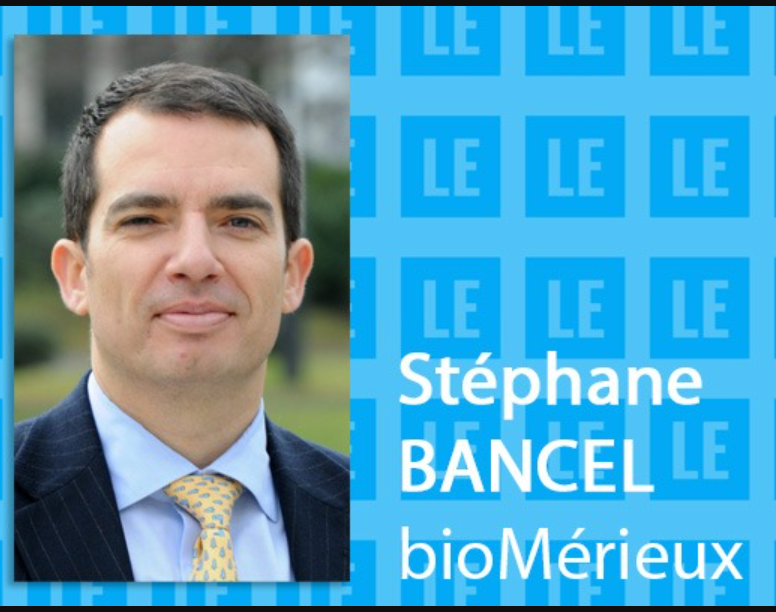
Moderna partnered with French Pasteur Institute in 2015 to develop mRNA vaccine technology.
Pasteur Institute partnered with the Wuhan P4 Laboratory in 2017 along with the Merieux Foundation to study emerging viruses...
https://t.co/yFsHwrNYaK
https://t.co/9M5lydBKhM

Nobel prize winning scientist Luc Montagnier asserts that Sars-Cov-2 is man-made and originated from the Wuhan Institute of Virology.
Montagnier did extensive work with the Pasteur Institute in France which was partnered with the Wuhan P4.
Merieux Foundation & the Chinese government have worked together since 1965, and partnered to study emerging pathogens in Africa in 2015.
Their research included "PATHOGENS CARRIED BY BATS" that provoke respiratory diseases.
🚨🚨🚨
https://t.co/gVwpT0ssqI

Alain Merieux, who owns bioMerieux, was instrumental in the creation of the Wuhan Institute of Virology P4 Lab.
The same people who helped create the virus, also helped to create the vaccines...
Moderna partnered with French Pasteur Institute in 2015 to develop mRNA vaccine technology.
Pasteur Institute partnered with the Wuhan P4 Laboratory in 2017 along with the Merieux Foundation to study emerging viruses...
https://t.co/yFsHwrNYaK
https://t.co/9M5lydBKhM
Nobel prize winning scientist Luc Montagnier asserts that Sars-Cov-2 is man-made and originated from the Wuhan Institute of Virology.
Montagnier did extensive work with the Pasteur Institute in France which was partnered with the Wuhan P4.
Merieux Foundation & the Chinese government have worked together since 1965, and partnered to study emerging pathogens in Africa in 2015.
Their research included "PATHOGENS CARRIED BY BATS" that provoke respiratory diseases.
🚨🚨🚨
https://t.co/gVwpT0ssqI