
For those who were trading in 2017 or earlier bull markets this may be obvious, but these kinds of corrections are typically driven by overleveraged longs, not whales dumping on you. That hasn’t started yet. Let me break down why it happens and why it is worse on the weekends.
There is a very real chance that BTC barely moves as this bull market plays out. The days of BTC as on-ramp to crypto are over, it\u2019s being bypassed almost completely as new money comes in primarily via stablecoins.
— kain.eth (@kaiynne) August 30, 2020
More from Bitcoin


The #Bitcoin fundamentals of four generations of inflation, entitlements, and regulations are separate and apart from #Bitcoin the technological innovation. If we had sound money there would be little demand for Bitcoin. (1/13)
The notion that gold futures hold down the physical gold price or subjects the gold price to long-term manipulation is a canard. CME gold futures deliveries are settled with warrants meeting exact specifications met by approved refineries, carriers, and warehouses which (2/13)
ensures the integrity of delivery apart from the exchange. https://t.co/CpV1OBSsAT One need look no further than the 1980 Hunt Silver fiasco which illustrates how deliverable futures contracts provide for the discovery of an untapped silver supply resting in people's homes.(3/13)
Not so for Bitcoin. The CME Bakkt Bitcoin contract is for Bakkt Bitcoin. It is not Bitcoin. Bakkt Bitcoin is a cash-settled monthly futures contract. While the Bakkt Bitcoin has geographically storage of private keys, they are not your private keys. (4/13)
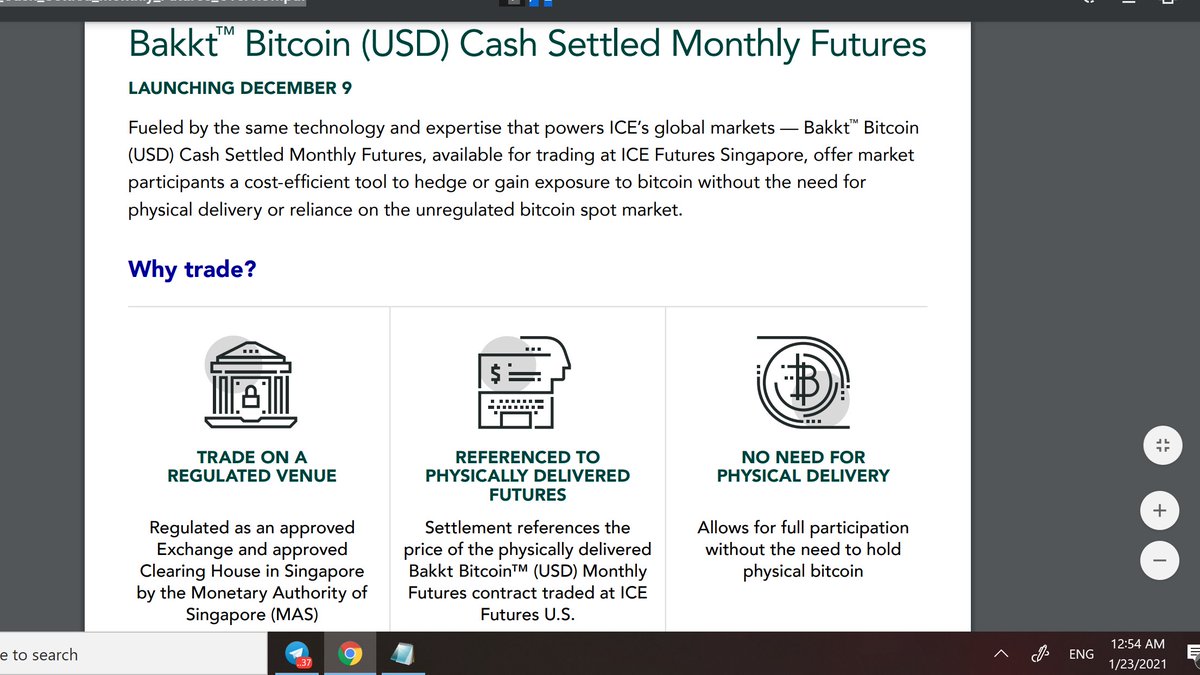
Not your keys, not your bitcoin. The Bitcoin Warehouse is an internal ledger The internal ledger operates separate and apart from the Bitcoin blockchain. The only interaction with the public blockchain is during the deposit of bitcoin into the Bakkt Warehouse and the (5/13)
@woonomic @realmaxkeiser @stacyherbert @ToneVaysBTC @UglyOldGoat1
— Abolition (@kalsangdolmanz) January 22, 2021
What do you guys think? https://t.co/mF1z9QL1My
The notion that gold futures hold down the physical gold price or subjects the gold price to long-term manipulation is a canard. CME gold futures deliveries are settled with warrants meeting exact specifications met by approved refineries, carriers, and warehouses which (2/13)
ensures the integrity of delivery apart from the exchange. https://t.co/CpV1OBSsAT One need look no further than the 1980 Hunt Silver fiasco which illustrates how deliverable futures contracts provide for the discovery of an untapped silver supply resting in people's homes.(3/13)
Not so for Bitcoin. The CME Bakkt Bitcoin contract is for Bakkt Bitcoin. It is not Bitcoin. Bakkt Bitcoin is a cash-settled monthly futures contract. While the Bakkt Bitcoin has geographically storage of private keys, they are not your private keys. (4/13)
Not your keys, not your bitcoin. The Bitcoin Warehouse is an internal ledger The internal ledger operates separate and apart from the Bitcoin blockchain. The only interaction with the public blockchain is during the deposit of bitcoin into the Bakkt Warehouse and the (5/13)


Ok, so what is the significance of the @lagarde statement on bitcoin?
We were offered a very open insight (but slightly flawed analysis) into top level policy perspective behind the crack down on selfhosted wallets.
https://t.co/1LTzrxHbgs 1/32
'It is a speculative asset, by any account. If you look at the price movements... '
It starts with an economic price perspective and we can learn that ECB is closely monitoring this price movement as one of the many indicators.
So we are in the classic central bank frame 2/32
'Those who thought it would turn into a currency. Sorry, it is an asset not a currency.'
Here she summarises a classic debate on what is currency and what is needed for that. Based on the holy three: unit of account, means of payment, store of value. 3/32
The summary is classic, but too narrow and does not incorporate the wider financial history viewpoints on money, currencies and the way we pay. 4/32
ECB overlooks the de facto unit of account role of bitcoin, having been used to 200 years of having cash around whic is both the unit of account and a means of payment. 5/32
We were offered a very open insight (but slightly flawed analysis) into top level policy perspective behind the crack down on selfhosted wallets.
https://t.co/1LTzrxHbgs 1/32
ECB President Christine Lagarde called for global regulation of #Bitcoin, saying the digital currency had been used for money laundering activities in some instances and that any loopholes needed to be closed. Follow #ReutersNext updates here: https://t.co/4MgFy4jnw5 pic.twitter.com/qlBtoDuZLW
— Reuters (@Reuters) January 13, 2021
'It is a speculative asset, by any account. If you look at the price movements... '
It starts with an economic price perspective and we can learn that ECB is closely monitoring this price movement as one of the many indicators.
So we are in the classic central bank frame 2/32
'Those who thought it would turn into a currency. Sorry, it is an asset not a currency.'
Here she summarises a classic debate on what is currency and what is needed for that. Based on the holy three: unit of account, means of payment, store of value. 3/32
The summary is classic, but too narrow and does not incorporate the wider financial history viewpoints on money, currencies and the way we pay. 4/32
ECB overlooks the de facto unit of account role of bitcoin, having been used to 200 years of having cash around whic is both the unit of account and a means of payment. 5/32
You May Also Like



Tip from the Monkey
Pangolins, September 2019 and PLA are the key to this mystery
Stay Tuned!
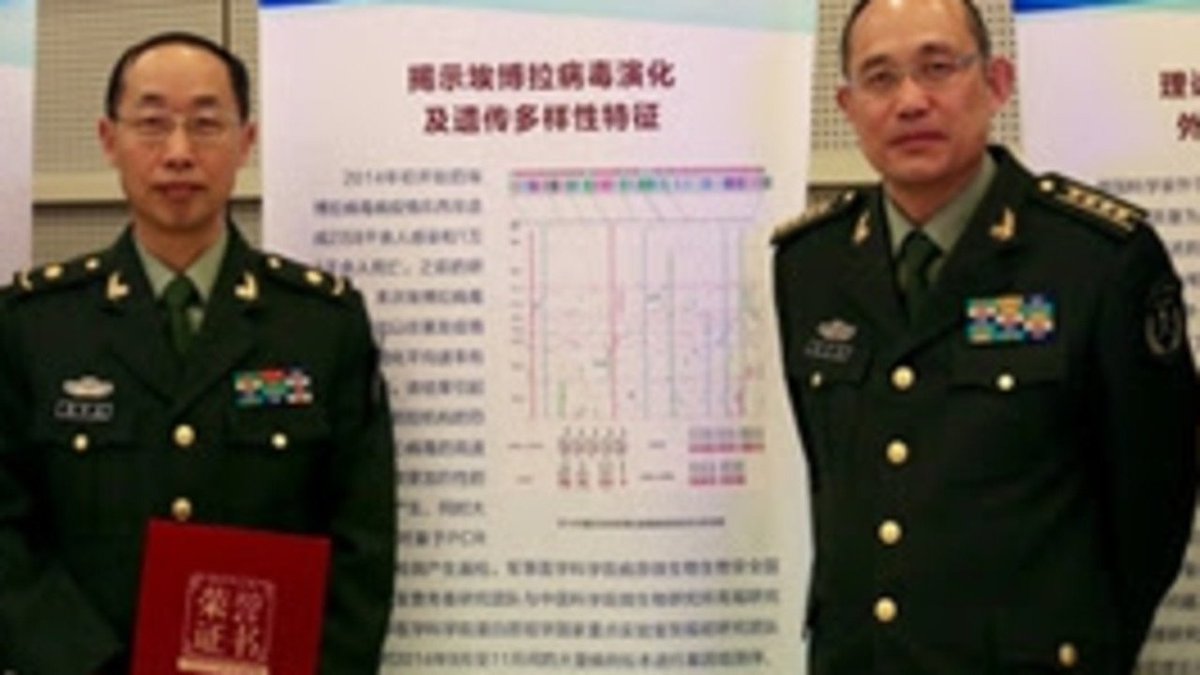
1. Yang
2. A jacobin capuchin dangling a flagellin pangolin on a javelin while playing a mandolin and strangling a mannequin on a paladin's palanquin, said Saladin
More to come tomorrow!
3. Yigang Tong
https://t.co/CYtqYorhzH
Archived: https://t.co/ncz5ruwE2W
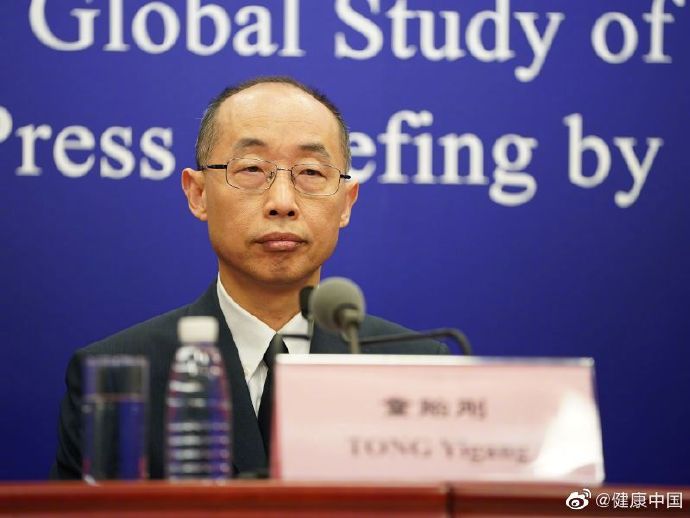
4. YT Interview
Some bats & pangolins carry viruses related with SARS-CoV-2, found in SE Asia and in Yunnan, & the pangolins carrying SARS-CoV-2 related viruses were smuggled from SE Asia, so there is a possibility that SARS-CoV-2 were coming from
Pangolins, September 2019 and PLA are the key to this mystery
Stay Tuned!
1. Yang
Meet Yang Ruifu, CCP's biological weapons expert https://t.co/JjB9TLEO95 via @Gnews202064
— Billy Bostickson \U0001f3f4\U0001f441&\U0001f441 \U0001f193 (@BillyBostickson) October 11, 2020
Interesting expose of China's top bioweapons expert who oversaw fake pangolin research
Paper 1: https://t.co/TrXESKLYmJ
Paper 2:https://t.co/9LSJTNCn3l
Pangolinhttps://t.co/2FUAzWyOcv pic.twitter.com/I2QMXgnkBJ
2. A jacobin capuchin dangling a flagellin pangolin on a javelin while playing a mandolin and strangling a mannequin on a paladin's palanquin, said Saladin
More to come tomorrow!
3. Yigang Tong
https://t.co/CYtqYorhzH
Archived: https://t.co/ncz5ruwE2W
4. YT Interview
Some bats & pangolins carry viruses related with SARS-CoV-2, found in SE Asia and in Yunnan, & the pangolins carrying SARS-CoV-2 related viruses were smuggled from SE Asia, so there is a possibility that SARS-CoV-2 were coming from


Keep dwelling on this:
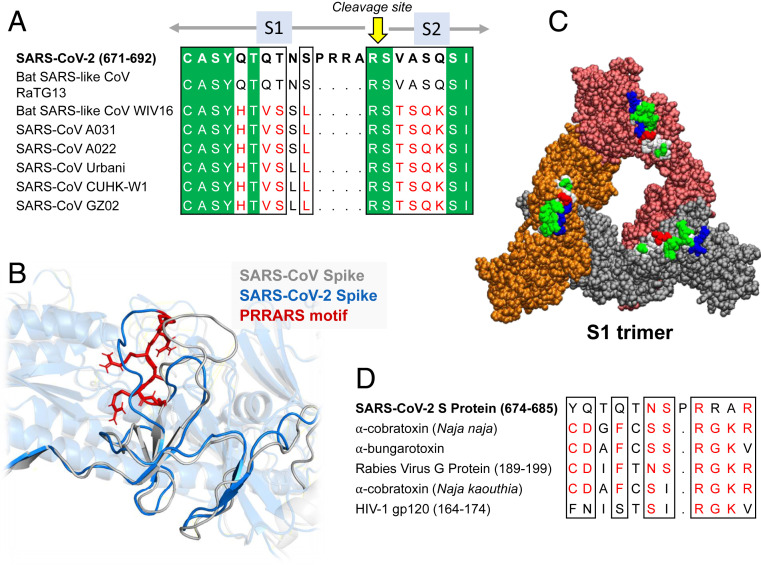
Further Examination of the Motif near PRRA Reveals Close Structural Similarity to the SEB Superantigen as well as Sequence Similarities to Neurotoxins and a Viral SAg.
The insertion PRRA together with 7 sequentially preceding residues & succeeding R685 (conserved in β-CoVs) form a motif, Y674QTQTNSPRRAR685, homologous to those of neurotoxins from Ophiophagus (cobra) and Bungarus genera, as well as neurotoxin-like regions from three RABV strains
(20) (Fig. 2D). We further noticed that the same segment bears close similarity to the HIV-1 glycoprotein gp120 SAg motif F164 to V174.
https://t.co/EwwJOSa8RK
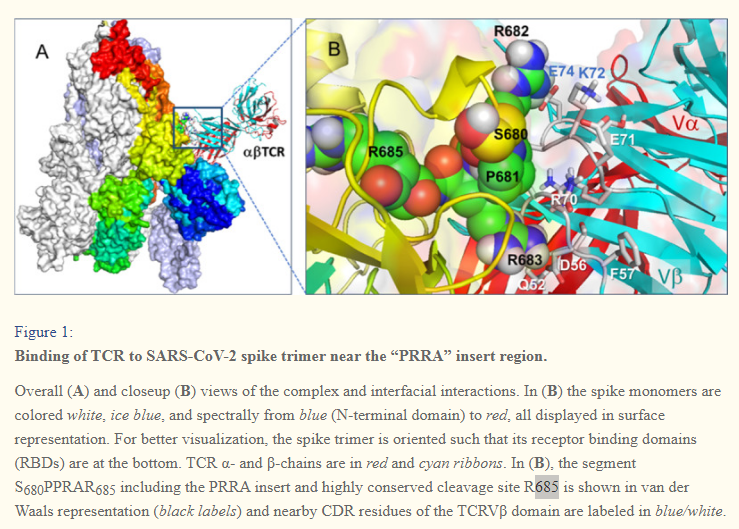
In (B), the segment S680PPRAR685 including the PRRA insert and highly conserved cleavage site *R685* is shown in van der Waals representation (black labels) and nearby CDR residues of the TCRVβ domain are labeled in blue/white
https://t.co/BsY8BAIzDa
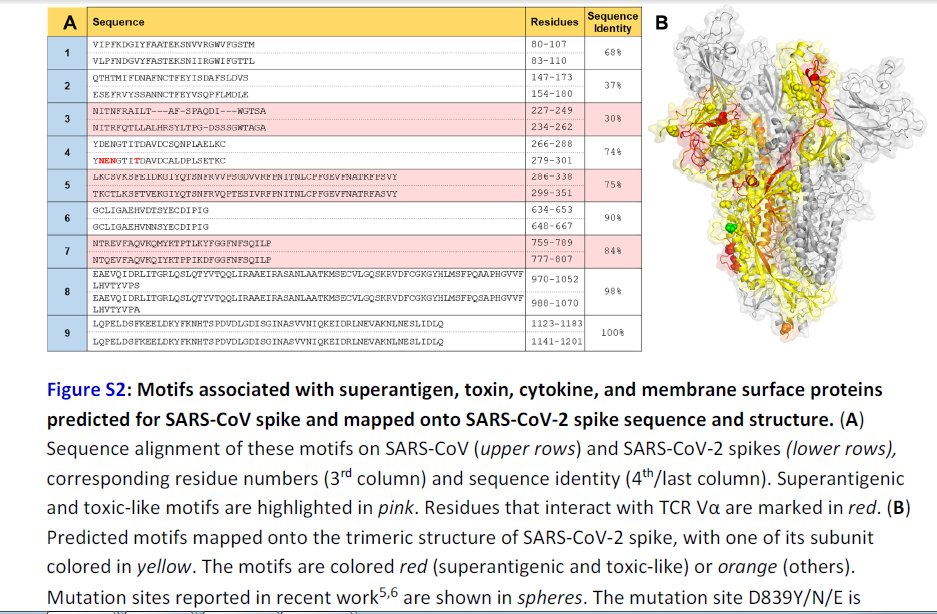
Sequence Identity %
https://t.co/BsY8BAIzDa
Y674 - QTQTNSPRRA - R685
Similar to neurotoxins from Ophiophagus (cobra) & Bungarus genera & neurotoxin-like regions from three RABV strains
T678 - NSPRRA- R685
Superantigenic core, consistently aligned against bacterial or viral SAgs
Further Examination of the Motif near PRRA Reveals Close Structural Similarity to the SEB Superantigen as well as Sequence Similarities to Neurotoxins and a Viral SAg.
The insertion PRRA together with 7 sequentially preceding residues & succeeding R685 (conserved in β-CoVs) form a motif, Y674QTQTNSPRRAR685, homologous to those of neurotoxins from Ophiophagus (cobra) and Bungarus genera, as well as neurotoxin-like regions from three RABV strains
(20) (Fig. 2D). We further noticed that the same segment bears close similarity to the HIV-1 glycoprotein gp120 SAg motif F164 to V174.
https://t.co/EwwJOSa8RK
In (B), the segment S680PPRAR685 including the PRRA insert and highly conserved cleavage site *R685* is shown in van der Waals representation (black labels) and nearby CDR residues of the TCRVβ domain are labeled in blue/white
https://t.co/BsY8BAIzDa
Sequence Identity %
https://t.co/BsY8BAIzDa
Y674 - QTQTNSPRRA - R685
Similar to neurotoxins from Ophiophagus (cobra) & Bungarus genera & neurotoxin-like regions from three RABV strains
T678 - NSPRRA- R685
Superantigenic core, consistently aligned against bacterial or viral SAgs