
1/I'm thinking about the end of Apu in the context of the national debates on immigration and diversity.
\u2018The Simpsons\u2019 producer confirms Apu is being written out of show following controversy https://t.co/lKzFCe1wFa pic.twitter.com/s34IUDUtqs
— NME (@NME) October 26, 2018
https://t.co/hidLQijmcX
More from Noah Smith
This thread demonstrates that a lot of academic writing that *looks* like utter nonsense is merely scholars dressing up a useful but mundane point with a ton of unnecessary jargon.
My theory is that the jargon creates an artificial barrier to entry. https://t.co/MqLyyppdHl
If one must spend years marinating one's brain in jargon to be perceived as an expert on a topic, it protects the status and earning power of people who study relatively easy topics.
In econ, a similar thing is accomplished by what recent Nobel prize winner Paul Romer calls "mathiness": https://t.co/DBCRRc8Mir
But mathiness and jargon are not quite the same...
Jargon usually doesn't force you to change the substance of your central point.
Mathiness often does. By forcing you to write your model in a way that's mathematically tractable (easy to work with), mathiness often impoverishes your understanding of how the world really works.
has written about this problem:
Imagine for a moment the most obscurantist, jargon-filled, po-mo article the politically correct academy might produce. Pure SJW nonsense. Got it? Chances are you're imagining something like the infamous "Feminist Glaciology" article from a few years back.https://t.co/NRaWNREBvR pic.twitter.com/qtSFBYY80S
— Jeffrey Sachs (@JeffreyASachs) October 13, 2018
My theory is that the jargon creates an artificial barrier to entry. https://t.co/MqLyyppdHl
If one must spend years marinating one's brain in jargon to be perceived as an expert on a topic, it protects the status and earning power of people who study relatively easy topics.
In econ, a similar thing is accomplished by what recent Nobel prize winner Paul Romer calls "mathiness": https://t.co/DBCRRc8Mir
But mathiness and jargon are not quite the same...
Jargon usually doesn't force you to change the substance of your central point.
Mathiness often does. By forcing you to write your model in a way that's mathematically tractable (easy to work with), mathiness often impoverishes your understanding of how the world really works.
has written about this problem:
1/OK, let's take a little break from Coup Twitter, and think about an economic issue:
How can we build up the wealth of the middle class?
2/The typical American has surprisingly little wealth compared to the typical resident of many other developed countries.
This is a fact that is not widely known or appreciated.
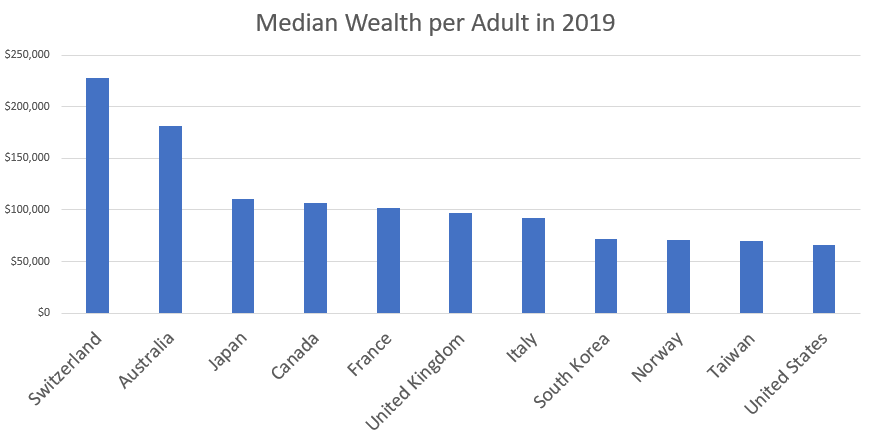
3/Now, some people argue that stuff like Social Security or social insurance programs should be included in wealth. But I chose to focus on private wealth because I think having assets you can sell whenever you want is important to
4/For many decades after World War 2, middle-class wealth in America was on a smooth upward trajectory.
Then the housing crash came, and all that changed. Suddenly the rich were still doing well but everyone else was seeing the end of their American Dream.
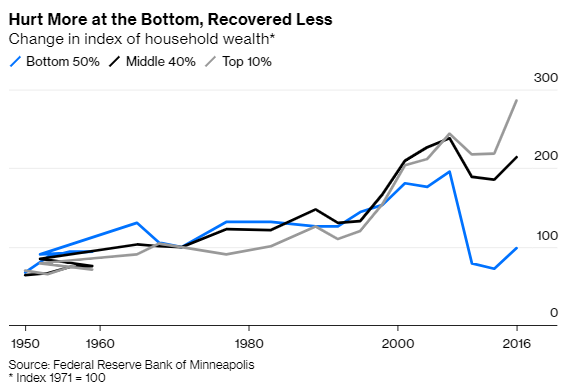
5/Why the divergence?
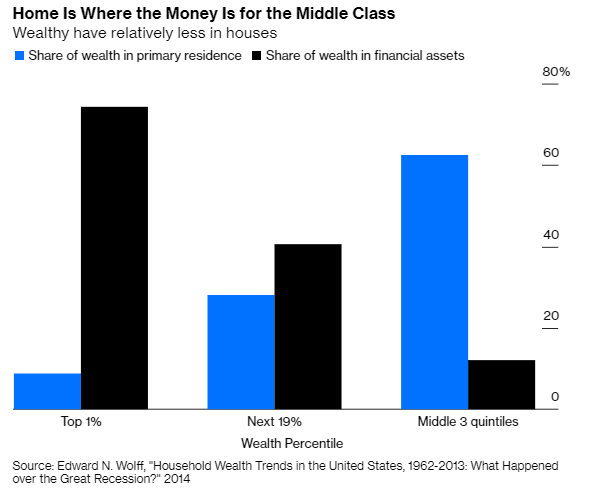
Because the American middle class has its wealth in houses -- specifically, in the houses they live in.
It's the rich who own stocks.
How can we build up the wealth of the middle class?
2/The typical American has surprisingly little wealth compared to the typical resident of many other developed countries.
This is a fact that is not widely known or appreciated.
3/Now, some people argue that stuff like Social Security or social insurance programs should be included in wealth. But I chose to focus on private wealth because I think having assets you can sell whenever you want is important to
Yes, these numbers don't include things like Social Security, just privately held wealth. They're not an attempt to capitalize every possible future income stream.
— Noahtogolpe \U0001f407 (@Noahpinion) January 10, 2021
4/For many decades after World War 2, middle-class wealth in America was on a smooth upward trajectory.
Then the housing crash came, and all that changed. Suddenly the rich were still doing well but everyone else was seeing the end of their American Dream.
5/Why the divergence?
Because the American middle class has its wealth in houses -- specifically, in the houses they live in.
It's the rich who own stocks.
Today's @bopinion post is about how poor countries started catching up to rich ones.
It looks like decolonization just took a few decades to start
Basic econ theory says poor countries should grow faster than rich ones.
But for much of the Industrial Revolution, the opposite happened.
https://t.co/JjjVtWzz5c
Why? Probably because the first countries to discover industrial technologies used them to conquer the others!
But then colonial empires went away. And yet still, for the next 30 years or so, poor countries fell further behind rich ones.
https://t.co/hilDvv0IQV
Why??
Possible reasons:
1. Bad institutions (dictators, communism, autarkic trade regimes)
2. Civil wars
3. Lack of education
But then, starting in the 80s (for China) and the 90s (for India and Indonesia), some of the biggest poor countries got their acts together and started to catch up!
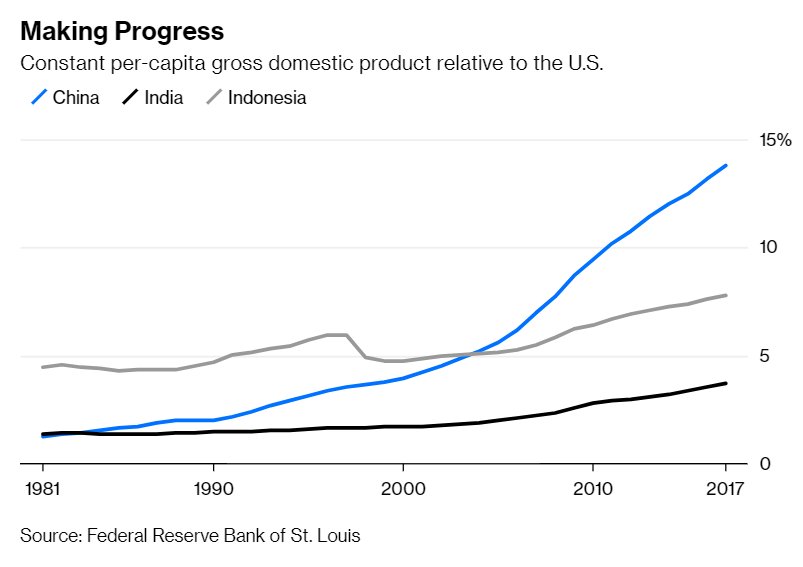
Global inequality began to fall.
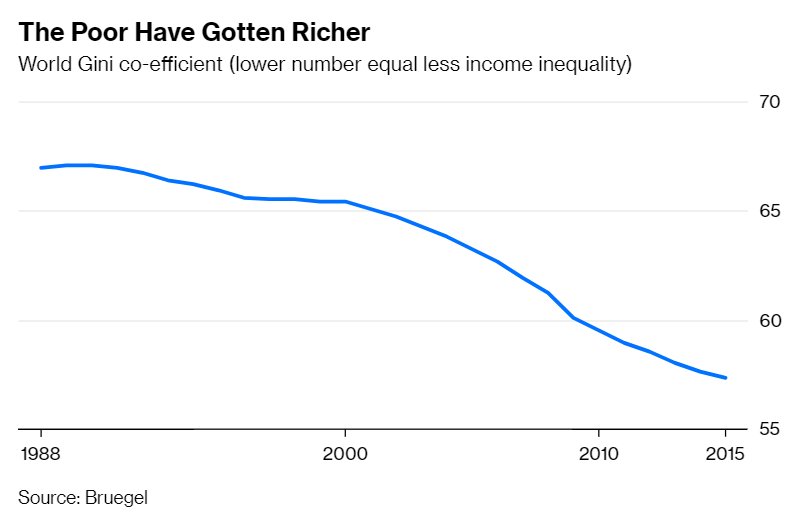
It looks like decolonization just took a few decades to start
Basic econ theory says poor countries should grow faster than rich ones.
But for much of the Industrial Revolution, the opposite happened.
https://t.co/JjjVtWzz5c
Why? Probably because the first countries to discover industrial technologies used them to conquer the others!
But then colonial empires went away. And yet still, for the next 30 years or so, poor countries fell further behind rich ones.
https://t.co/hilDvv0IQV
Why??
Possible reasons:
1. Bad institutions (dictators, communism, autarkic trade regimes)
2. Civil wars
3. Lack of education
But then, starting in the 80s (for China) and the 90s (for India and Indonesia), some of the biggest poor countries got their acts together and started to catch up!
Global inequality began to fall.
1/OK, so. Let's talk about Left-NIMBYism.
We all know about Right-NIMBYs, rabidly protecting their white-flight suburbs from Those People. And there are plenty of liberal NIMBYs too.
But NIMBYs of the Left are also a force to be reckoned
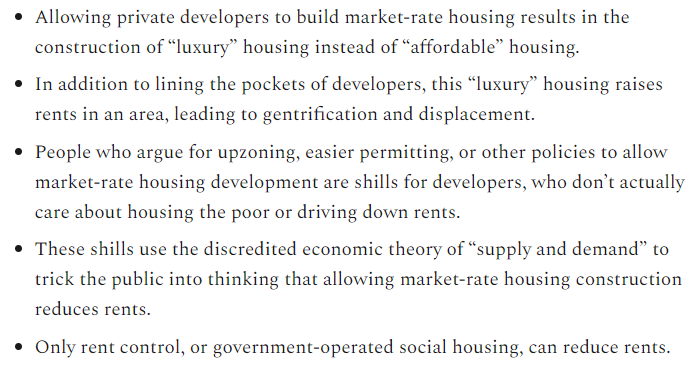
2/Left-NIMBYs have developed a canon of interlocking, mutually reinforcing beliefs about housing and urbanism.
These beliefs are mostly false, but they form a powerful "canon" that quickly ossifies into a hardened worldview.
It looks something like this:
3/Fortunately, Nathan J. Robinson of Current Affairs has written an article that perfectly encapsulates the Left-NIMBY worldview (and quotes me in it!).
So this is a teachable
4/Robinson selectively quotes a Bloomberg article of mine (https://t.co/iamRrW6oei).
Look at the part he quoted, vs. what I actually wrote!
Pretty different, eh? 😉
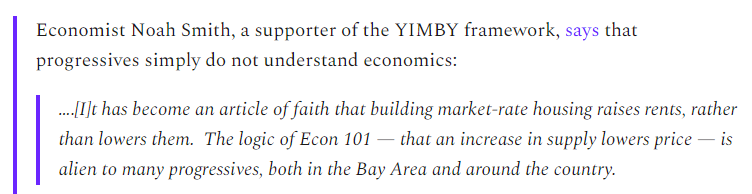
5/In fact, as I wrote in the article that Robinson failed to read more than one line of, it's theoretically possible that Left-NIMBYs COULD be right that allowing market-rate housing drives up local rents.
I take that possibility very seriously, as do YIMBYs.
We all know about Right-NIMBYs, rabidly protecting their white-flight suburbs from Those People. And there are plenty of liberal NIMBYs too.
But NIMBYs of the Left are also a force to be reckoned
2/Left-NIMBYs have developed a canon of interlocking, mutually reinforcing beliefs about housing and urbanism.
These beliefs are mostly false, but they form a powerful "canon" that quickly ossifies into a hardened worldview.
It looks something like this:
3/Fortunately, Nathan J. Robinson of Current Affairs has written an article that perfectly encapsulates the Left-NIMBY worldview (and quotes me in it!).
So this is a teachable
4/Robinson selectively quotes a Bloomberg article of mine (https://t.co/iamRrW6oei).
Look at the part he quoted, vs. what I actually wrote!
Pretty different, eh? 😉
5/In fact, as I wrote in the article that Robinson failed to read more than one line of, it's theoretically possible that Left-NIMBYs COULD be right that allowing market-rate housing drives up local rents.
I take that possibility very seriously, as do YIMBYs.
More from All





You May Also Like









🌿𝑻𝒉𝒆 𝒔𝒕𝒐𝒓𝒚 𝒐𝒇 𝒂 𝑺𝒕𝒂𝒓 : 𝑫𝒉𝒓𝒖𝒗𝒂 & 𝑽𝒊𝒔𝒉𝒏𝒖
Once upon a time there was a Raja named Uttānapāda born of Svayambhuva Manu,1st man on earth.He had 2 beautiful wives - Suniti & Suruchi & two sons were born of them Dhruva & Uttama respectively.
#talesofkrishna https://t.co/E85MTPkF9W
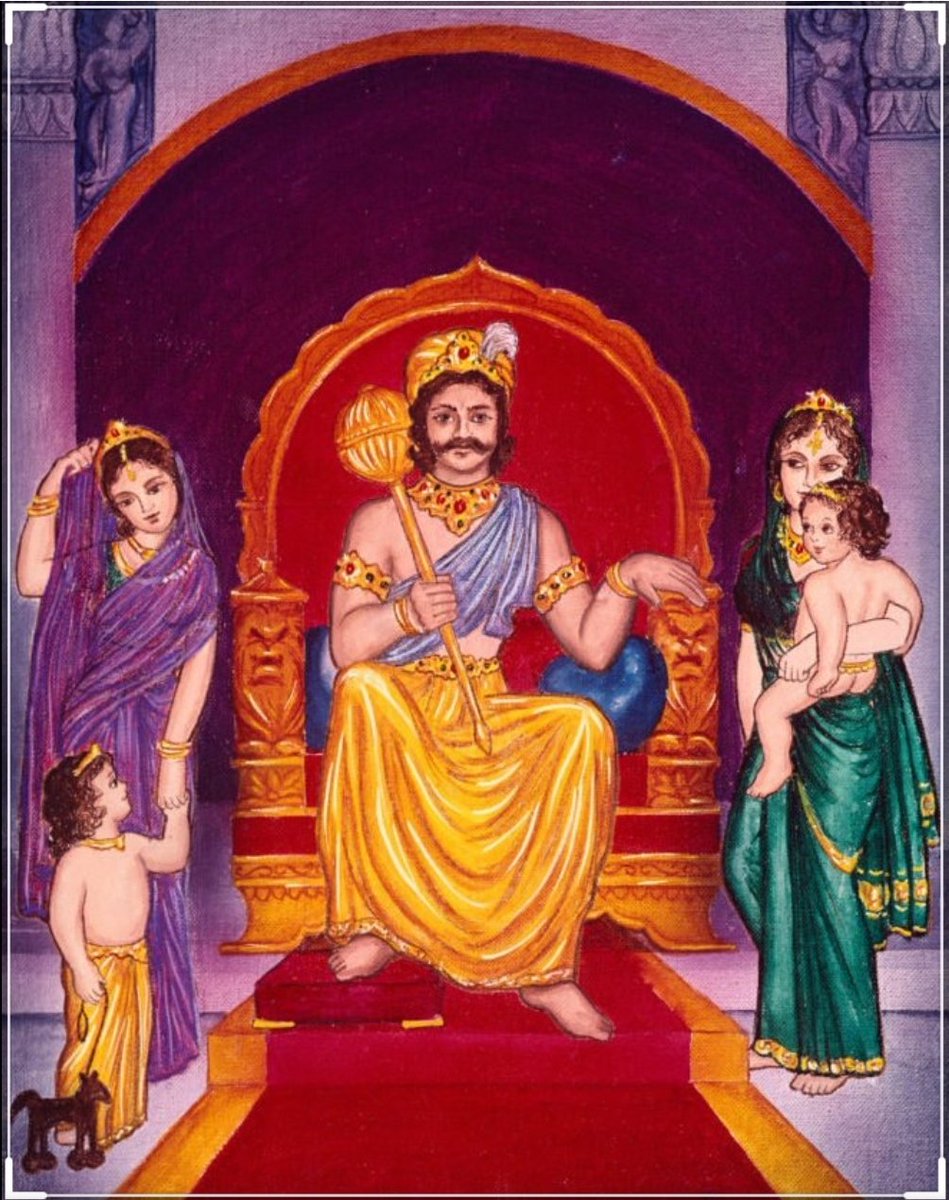
Now Suniti was the daughter of a tribal chief while Suruchi was the daughter of a rich king. Hence Suruchi was always favored the most by Raja while Suniti was ignored. But while Suniti was gentle & kind hearted by nature Suruchi was venomous inside.
#KrishnaLeela
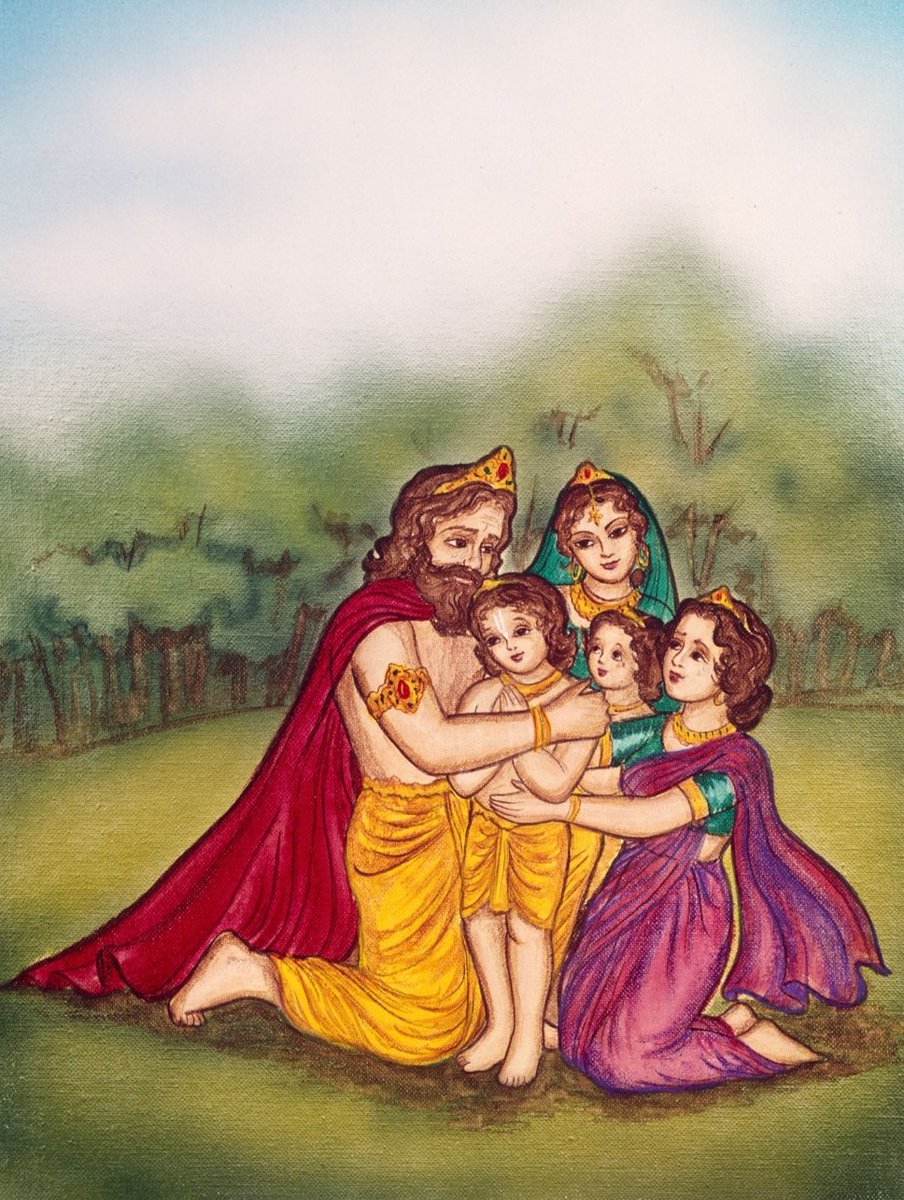
The story is of a time when ideally the eldest son of the king becomes the heir to the throne. Hence the sinhasan of the Raja belonged to Dhruva.This is why Suruchi who was the 2nd wife nourished poison in her heart for Dhruva as she knew her son will never get the throne.
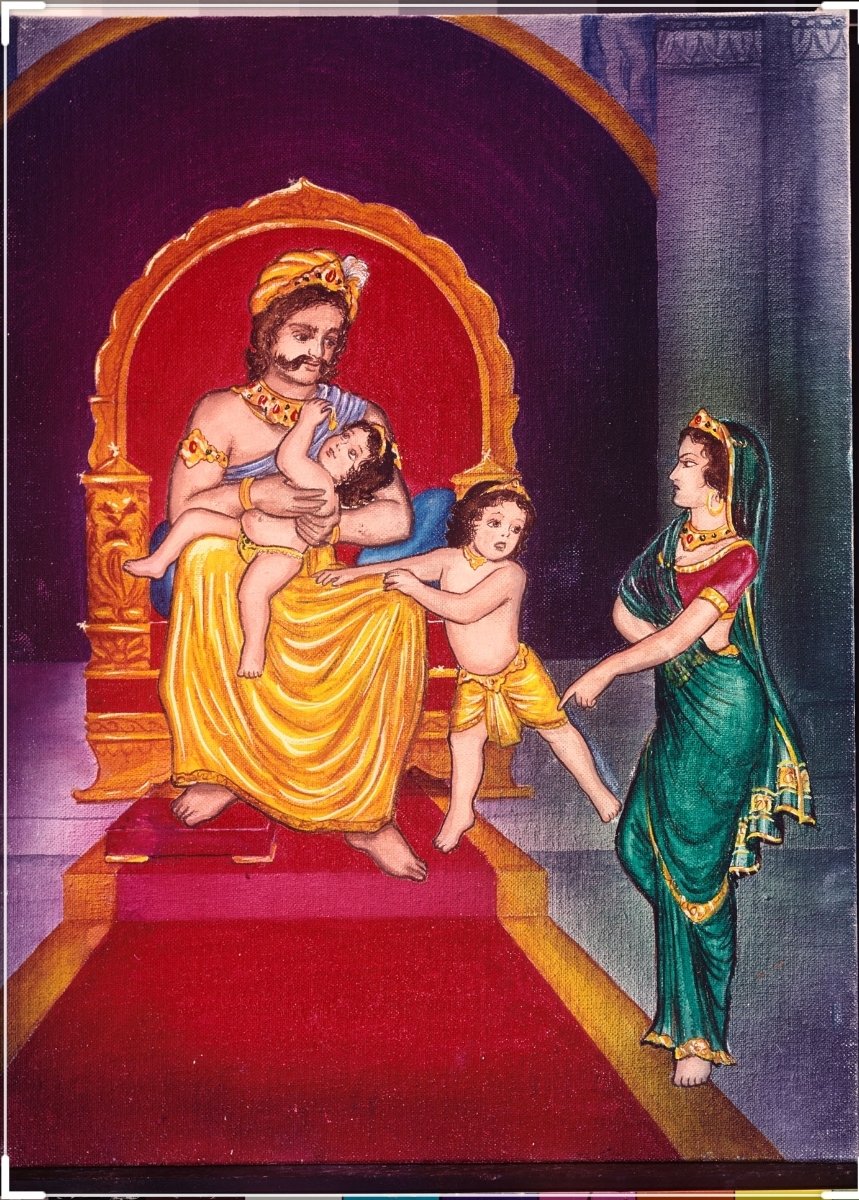
One day when Dhruva was just 5 years old he went on to sit on his father's lap. Suruchi, the jealous queen, got enraged and shoved him away from Raja as she never wanted Raja to shower Dhruva with his fatherly affection.
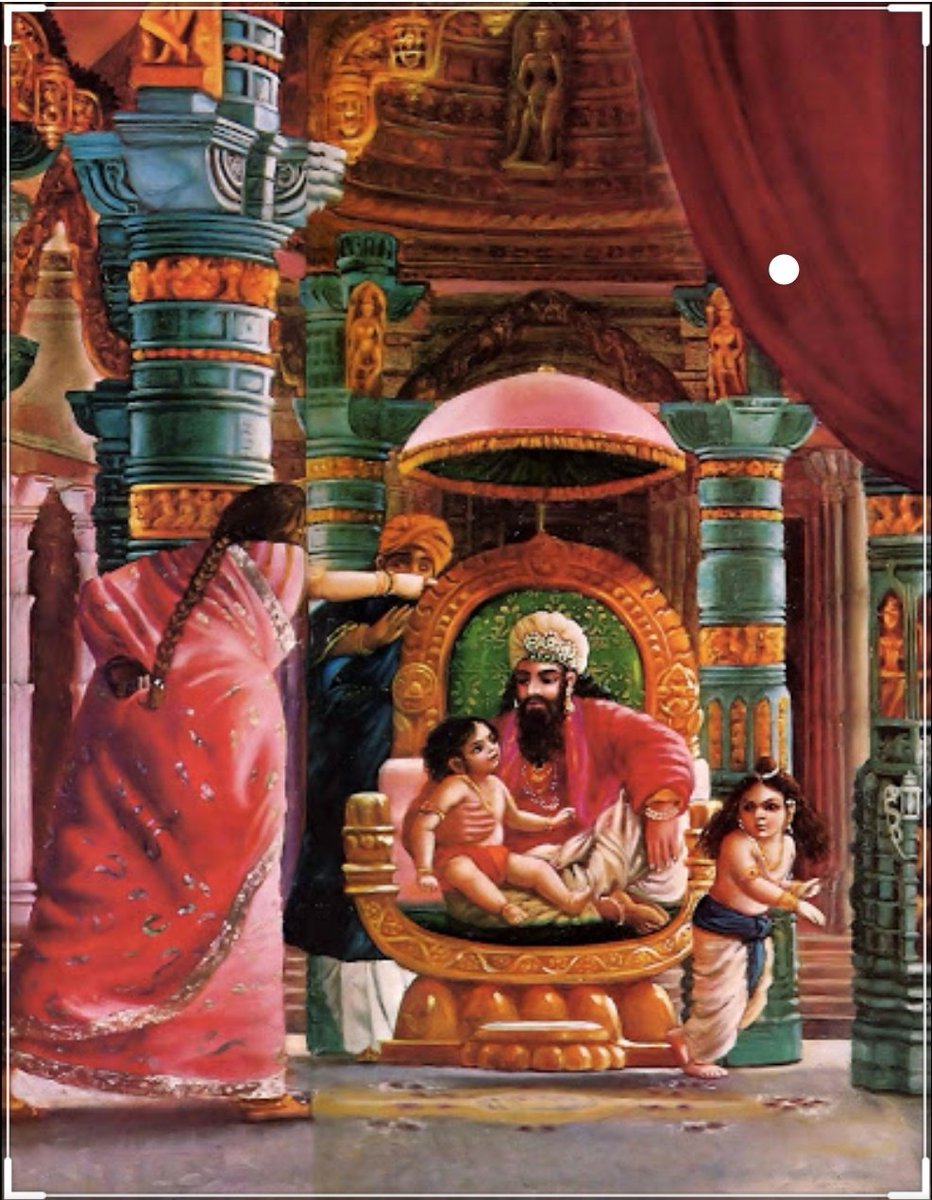
Dhruva protested questioning his step mother "why can't i sit on my own father's lap?" A furious Suruchi berated him saying "only God can allow him that privilege. Go ask him"
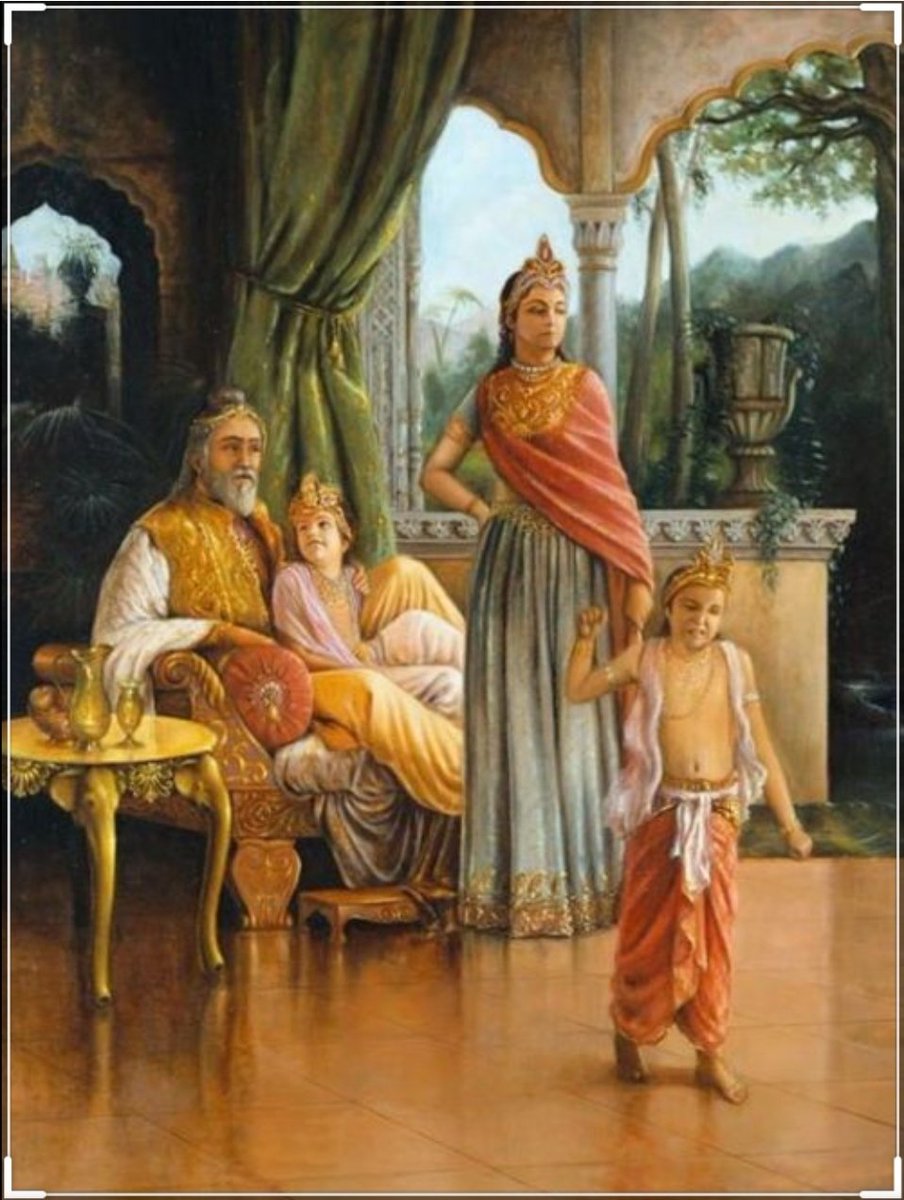
Once upon a time there was a Raja named Uttānapāda born of Svayambhuva Manu,1st man on earth.He had 2 beautiful wives - Suniti & Suruchi & two sons were born of them Dhruva & Uttama respectively.
#talesofkrishna https://t.co/E85MTPkF9W
Prabhu says i reside in the heart of my bhakt.
— Right Singh (@rightwingchora) December 21, 2020
Guess the event. pic.twitter.com/yFUmbfe5KL
Now Suniti was the daughter of a tribal chief while Suruchi was the daughter of a rich king. Hence Suruchi was always favored the most by Raja while Suniti was ignored. But while Suniti was gentle & kind hearted by nature Suruchi was venomous inside.
#KrishnaLeela
The story is of a time when ideally the eldest son of the king becomes the heir to the throne. Hence the sinhasan of the Raja belonged to Dhruva.This is why Suruchi who was the 2nd wife nourished poison in her heart for Dhruva as she knew her son will never get the throne.
One day when Dhruva was just 5 years old he went on to sit on his father's lap. Suruchi, the jealous queen, got enraged and shoved him away from Raja as she never wanted Raja to shower Dhruva with his fatherly affection.
Dhruva protested questioning his step mother "why can't i sit on my own father's lap?" A furious Suruchi berated him saying "only God can allow him that privilege. Go ask him"