"Mandir todna hai, to karo man ghat"

“If you want to break down the temple, harden your heart”

Aurangzeb, the 6th Mughal Emperor who destroyed multiple Hindu temples, could not touch “Karmanghat Hanuman Mandir” during his reign.

Abul Muzaffar Muhi-ud-Din Muhammad Aurangzeb (3 November 1618 - 3 March 1707 CE) was the third son and sixth child of Shah Jahan and Mumtaz Mahal.
He was born when his father was governor of Gujarat.

Aurangzeb was well known for his rejection of pluralism and expansion of Islam by force.

His father appointed him as viceroy of the Deccan in 1636 CE and he brought the Nizam Shahi dynasty to an end.
After multiple confrontations with his elder brother Dara Shikoh, Aurangzeb took control over army and ordered on 10 August 1659, Dara was executed on grounds of apostasy.

Aurangzeb was crowned Sultan and he started expanding his kingdom along with religion.
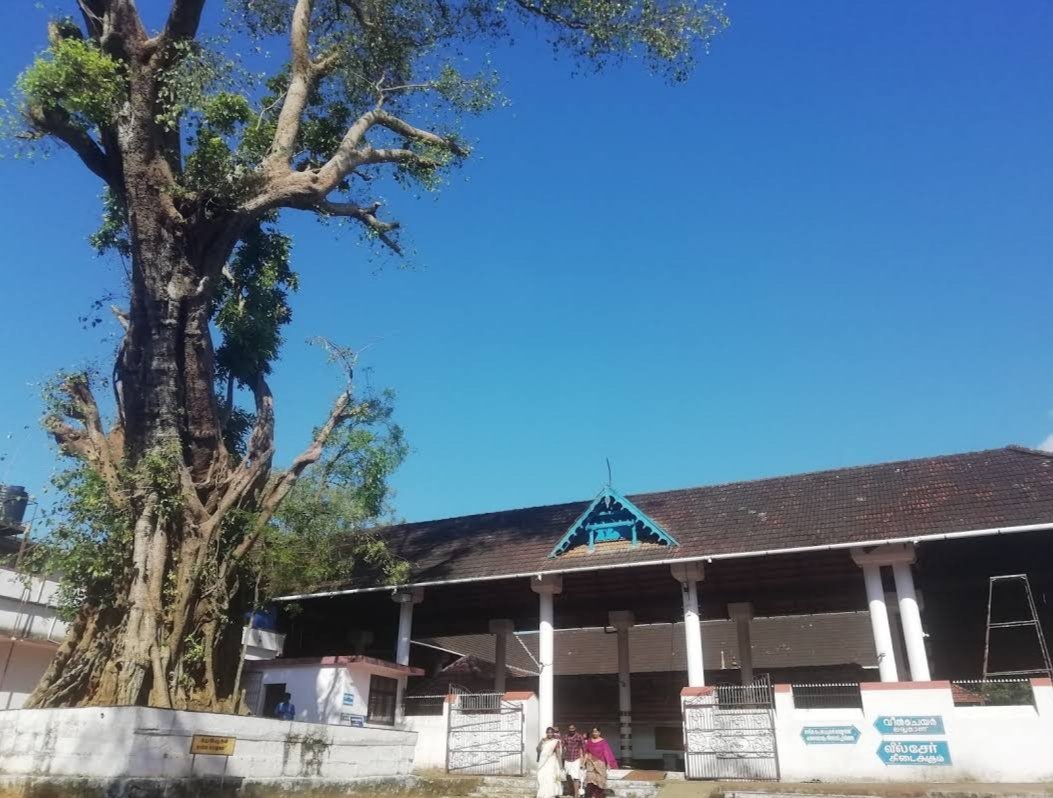
History of Karmanghat Hanuman Temple:

During late 12th century, a comman-in-chief of Kakatiya Dynasty went for hunting and rested under a tree in a forest. He could hear the chanting of Raam and when searched, found stone idol of Hanuman Ji in seated posture.
Same night, Hanuman ji appeared in his dream and asked him to construct a temple at same spot.

The temple was built and maintained by successive kings.
In January 1687, Aurangzeb led his grand Mughal Army against the Deccan Qutbshahi ruler taking refuge in Golconda Fort.
Aurangzeb had surrounded Golconda Fort and alongside about 100 Cannons began siege operations.

During his operation, his forces were also ordered to destroy any Hindu temple on their way. But, his army could not even step into the compound wall of this Hanuman Temple.
When the general reported this to Aurangzeb, he himself went
with a crow bar to break down the temple. At the threshold of the temple, he heard a deafening roar rumbling like thunder, and the crowbar slipped from his hands as he was shaking in fear.
Then he heard a voice in the heavens "Mandir todna hai rajan, to kar man ghat"

"If u want to break down the temple, then make your heart stronger"

(which is why the place got the name “Karmanghat”)
Aurangzeb got scared and left the place as his heart was not strong enough for a reattempt.

Later, Aurangzeb occupied Golconda Fort in Hyderabad and
also took the most precious Kohinoor Diamond to become the richest monarch in the world,
during his time.. For multiple years, one family from Maharashtra performed Pooja etc in this temple, as it remained neglected.

During mid 1990s, locals have gathered funds and started developing this temple.
Credit- ancient temple( insta) and Wikipedia

More from Vशुद्धि

अष्ट सिद्धि नव निधि के दाता ।
अस वर दीन्ह जानकी माता ।।

“अष्ट सिद्धि” कौन सी हैं वो अष्‍ट सिद्धियां जिनके दाता महाबली हनुमान बताए गए हैं!

तुलसीदास जी द्वारा लिखी गई हनुमान चालीसा के इस दोहे को आपने न जाने कितनी बार सुना और दोहराया होगा

#JaiShaniDev #JaiShreeRam 🙏🏻🚩


तुलसीदास जी बताते हैं कि हनुमान जी आठ सिद्धियों से संपन्न हैं.

श्रीहनुमान रुद्र के ग्यारहवें अवतार हैं. वे कई गुणों, सिद्धियों और अपार बल के स्वामी हैं. इस चौपाई के अनुसार यह ‘अष्टसिद्धि’ माता सीता के आशीर्वाद से श्रीहनुमान जी को अपने भक्तों तक पहुंचाने को भी मिली है

इन शक्तियों के प्रभाव से ही हनुमानजी ने लंका को ऐसा उजाड़ा कि महाबली रावण न केवल दंग रह गया बल्कि उसका घमंड भी चूर हो गया.

ये हैं वे आठ सिद्धियां और उनसे होने वाले चमत्कारों का वर्णन

(1) अणिमा (2) महिमा (3) गरिमा (4) लघिमा (5) प्राप्‍ति (6) प्राकाम्‍य (7) ईशित्‍व (8) वशित्‍व ।

1- अणिमा 

महाबली हनुमान जी द्वारा प्रदान की जाने वाली ये सिद्धि बड़ी ही चमत्‍कारिक है। इस सिद्धि के पूर्ण हो जाने पर इंसान कभी भी अति सूक्ष्‍म रूप धारण कर सकता है। इस सिद्धि का उपयोग स्‍वयं महाकपि ने भी किया था। हनुमान जी ने इस सिद्धि का प्रयोग करते हुए ही

राक्षस राज रावण की लंका में प्रवेश किया था और सीता माता का पता लगाया था । यही नहीं सुरसा नामक राक्षसी के मुंह में बजरंगबली ने इसी सिद्धि के माध्‍यम से बाहर निकल आये थे

2- महिमा

इस सिद्धि को साध लेने वाला मनुष्‍य अपने शरीर को कई गुना विशाल बना सकता है।
नवग्रह समिधा के नाम 🙏🏻🚩
(नवग्रह के पौधे एवं ग्रह शांति में उनके योगदान)

भारतीय ज्योतिष शास्त्र में ग्रहों को अपने अनुकूल बनाने के लिए ‘वनस्पति’ की विशेष भूमिका रही है। उसके अनुसार पेड़-पौधों लगाने और इनके हवन-पूजन से ग्रहों संबंधी कई समस्याएं दूर होती हैं।

#Thread


ज्योतिष शास्त्र में ग्रहों की संख्या 9 बतायी गई है

सूय्र्यचन्द्रो मंगलश्च बुधश्चापि बृहस्पति:।
शुक्र: शनेश्चरो राहु: केतुश्चेति नव ग्रहा:।।

ऐसी मान्यता है कि इन ग्रहों की विभिन्न नक्षत्रों में स्थिति के अनुसार प्रत्येक मनुष्य पर इनके अलग-अलग प्रभाव पड़ते हैं,

ये प्रभाव अनुकूल और प्रतिकूल दोनों होते हैं। ग्रहों के प्रतिकूल प्रभावों को शांत करने के लिए शास्त्रों में अनेक उपाय बताये गये हैं जिनमें एक उपाय ‘यज्ञ’ भी है।

यज्ञ द्वारा हर ग्रह शांति के लिए अलग अलग विशिष्ट वनस्पति की समिधा (हवन प्रकाष्ठ) प्रयोग की जाती है,

जैसा श्लोक में वर्णित है

“अर्क: पलाश: खदिरश्चापामार्गोऽथ पिप्पल:
औडम्बर: शमी दूव्र्वा कुशश्च समिध: क्रमात्”(गरुण पुराण)

अर्थात्

1-‘सूर्य ग्रह’ की शान्ति हेतू ‘अर्क (मदार)’ की समिधा का प्रयोग होता है मदार की लकड़ी में उसके पत्तों व गाय का घी मिलाकर हवन करने से रोग नाश होते हैं


2- चंद्र के लिए

पलाश के पेड़ में ब्रह्मा, विष्णु व महेश का निवास माना जाता है। पलाश के सूखे हुए फूल देवी देवताओं को कार्तिक माह में चढ़ाने से ग्रह बाधा दूर हो जाती है।

इसके वृक्ष को घर से दक्षिण-पूर्व (southeast) दिशा में लगाना चाहिए
Power Of Sanskrit 💪🏼
(The language of Gods)🙏🏻🚩

Longest Word in any Language of the World Literature from the “Varadāmbika Parinaya Champu” (a book in Sanskrit) of “Tirumalamba” (Female Kannada Writer) which dates back to 16th Century

(👇Listed in the “Guinness World Records”)


She wrote this book describing the marriage of the king who ruled The Vijayanagar Empire then, Emperor “Achyuta Deva Raya”. She lived in the Vijayanagar Empire which is in modern day Karnataka State of India

Contents and meaning of the world’s longest word 👇👇

निरन्तरान्धकारिता-दिगन्तर-कन्दलदमन्द-सुधारस-बिन्दु-सान्द्रतर-घनाघन-वृन्द-सन्देहकर-स्यन्दमान-मकरन्द-बिन्दु-बन्धुरतर-माकन्द-तरु-कुल-तल्प-कल्प-मृदुल-सिकता-जाल-जटिल-मूल-तल-मरुवक-मिलदलघु-लघु-लय-कलित-रमणीय-पानीय-शालिका-बालिका-करार-विन्द-गलन्तिका-गलदेला-लवङ्ग-पाटल-घनसार-कस्तूरिकातिसौरभ-

मेदुर-लघुतर-मधुर-शीतलतर-सलिलधारा-निराकरिष्णु-तदीय-विमल-विलोचन-मयूख-रेखापसारित-पिपासायास-पथिक-लोकान्

nirantarāndhakāritā-digantara-kandaladamanda-sudhārasa-bindu-sāndratara-ghanāghana-vr̥nda-sandehakara-syandamāna-makaranda-bindu-bandhuratara-mākanda-taru-kula-talpa-kalpa-mr̥dula-sikatā-jāla-jaṭila-mūla-tala-maruvaka-miladalaghu-laghu-laya-kalita-ramaṇīya-pānīya-śālikā-bālikā-
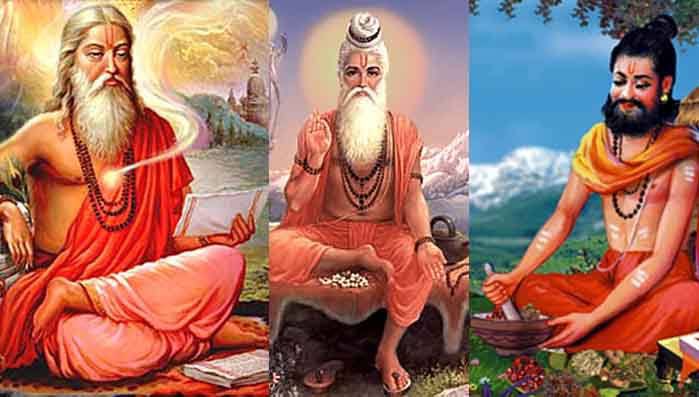
ऋषि, मुनि, महर्षि, साधु और संत में क्या अंतर होता है?

भारत में प्राचीन काल से ही ऋषि-मुनियों का विशेष महत्व रहा है।आज से सैकड़ों साल पहले 'ऋषि', 'मुनि', 'महर्षि' और 'ब्रह्मर्षि' समाज के पथ प्रदर्शक माने जाते थे. तब यही लोग अपने ज्ञान और तप के बल पर समाज कल्याण का कार्य किया


करते थे और लोगों को समस्याओं से मुक्ति दिलाते थे। आज के समय में हमें कई तीर्थ स्थलों, मंदिरों, जंगलों और पहाड़ों में साधु-संत देखने को मिल जाते हैं. लेकिन वे ऋषि-मुनियों की तरह इतने ज्ञानी नहीं होते.

आइए जानते हैं ऋषि, मुनि, महर्षि, साधु और संत में क्या अंतर है

ऋषि :~

ऋषि शब्द की व्युत्पत्ति 'ऋष' है जिसका अर्थ 'देखना' या 'दर्शन शक्ति' होता है।

ऋषि अर्थात "दृष्टा" भारतीय परंपरा में श्रुति ग्रंथों को दर्शन करने (यानि यथावत समझ पाने) वाले जनों को कहा जाता है। वे व्यक्ति विशिष्ट जिन्होंने अपनी विलक्षण एकाग्रता के बल पर गहन ध्यान में


विलक्षण शब्दों के दर्शन किये उनके गूढ़ अर्थों को जाना व मानव अथवा प्राणी मात्र के कल्याण के लिये ध्यान में देखे गए शब्दों को लिखकर प्रकट किया। इसीलिये कहा गया -

“ऋषयो मन्त्र द्रष्टारः न तु कर्तारः।”

अर्थात् ऋषि तो मंत्र के देखनेवाले हैं नकि बनानेवाले

अर्थात् बनानेवाला तो केवल एक परमात्मा ही है

मुनि :~

मुनि वह है जो मनन करे, भगवद्गीता में कहा है कि जिनका चित्त दु:ख से उद्विग्न नहीं होता, जो सुख की इच्छा नहीं करते और जो राग, भय और क्रोध से रहित हैं, ऐसे निश्चल बुद्धिवाले मुनि कहे जाते हैं। वैदिक ऋषि जंगल के कंदमूल खाकर जीवन

More from All

The best morning routine?

Starts the night before.

9 evening habits that make all the difference:

1. Write down tomorrow's 3:3:3 plan

• 3 hours on your most important project
• 3 shorter tasks
• 3 maintenance activities

Defining a "productive day" is crucial.

Or else you'll never be at peace (even with excellent output).

Learn more


2. End the workday with a shutdown ritual

Create a short shutdown ritual (hat-tip to Cal Newport). Close your laptop, plug in the charger, spend 2 minutes tidying your desk. Then say, "shutdown."

Separating your life and work is key.

3. Journal 1 beautiful life moment

Delicious tacos, presentation you crushed, a moment of inner peace. Write it down.

Gratitude programs a mindset of abundance.

4. Lay out clothes

Get exercise clothes ready for tomorrow. Upon waking up, jump rope for 2 mins. It will activate your mind + body.

You May Also Like