Machine Learning Paper Reviews ๐Ÿ”Ž๐Ÿ“œ

Check out this thread for short reviews of some interesting Machine Learning and Computer Vision papers. I explain the basic ideas and main takeaways of each paper in a Twitter thread.

๐Ÿ‘‡ I'm adding new reviews all the time! ๐Ÿ‘‡

AlexNet - the paper that started the deep learning revolution in Computer Vision! ๐Ÿƒโ€โ™‚๏ธ

https://t.co/aE8259ca1N
DenseNet - reducing the size and complexity of CNNs by adding dense connections between layers. ๐Ÿ•ธ๏ธ

https://t.co/ZaGeHPzoTs
Playing for data - generating synthetic GT from a video game (GTA V) and using it to improving semantic segmentation models. ๐Ÿ•น๏ธ

https://t.co/tgNvLnZgT1
Transformers for image recognition - a new paper with the potential to replace convolutions with a transformer. ๐Ÿ”

https://t.co/K3uN0zE2DA
ResNet allowed to train very deep and simpler networks for the first time. โ†ฉ๏ธ

https://t.co/BCWxz7gfPe

More from Vladimir Haltakov

Machine Learning in the Real World ๐Ÿง  ๐Ÿค–

ML for real-world applications is much more than designing fancy networks and fine-tuning parameters.

In fact, you will spend most of your time curating a good dataset.

Let's go through the process together ๐Ÿ‘‡

#RepostFriday


Collect Data ๐Ÿ’ฝ

We need to represent the real world as accurately as possible. If some situations are underrepresented we are introducing Sampling Bias.

Sampling Bias is nasty because we'll have high test accuracy, but our model will perform badly when deployed.

๐Ÿ‘‡

Traffic Lights ๐Ÿšฆ

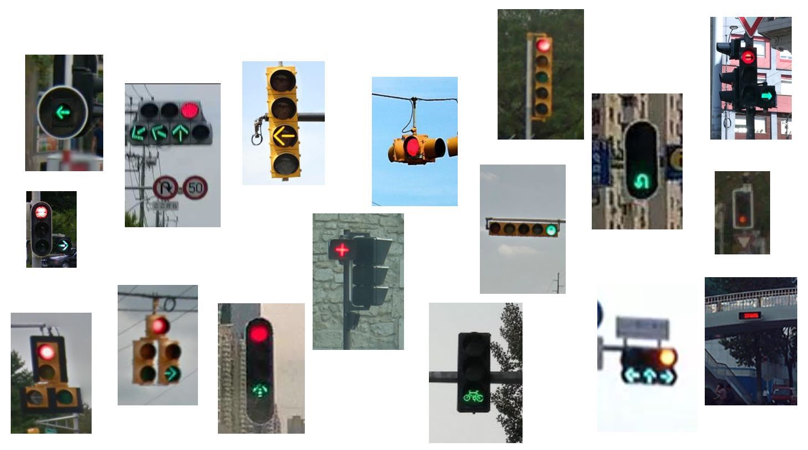
Let's build a model to recognize traffic lights for a self-driving car. We need to collect data for different:

โ–ช๏ธ Lighting conditions
โ–ช๏ธ Weather conditions
โ–ช๏ธ Distances and viewpoints
โ–ช๏ธ Strange variants

And if we sample only ๐Ÿšฆ we won't detect ๐Ÿšฅ ๐Ÿคทโ€โ™‚๏ธ

๐Ÿ‘‡


Data Cleaning ๐Ÿงน

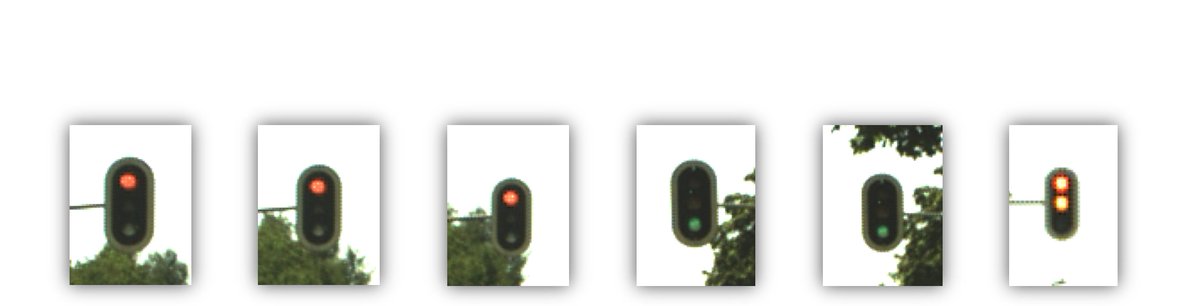
Now we need to clean all corrupted and irrelevant samples. We need to remove:

โ–ช๏ธ Overexposed or underexposed images
โ–ช๏ธ Images in irrelevant situations
โ–ช๏ธ Faulty images

Leaving them in the dataset will hurt our model's performance!

๐Ÿ‘‡


Preprocess Data โš™๏ธ

Most ML models like their data nicely normalized and properly scaled. Bad normalization can also lead to worse performance (I have a nice story for another time...)

โ–ช๏ธ Crop and resize all images
โ–ช๏ธ Normalize all values (usually 0 mean and 1 std. dev.)

๐Ÿ‘‡
Let's talk about a common problem in ML - imbalanced data โš–๏ธ

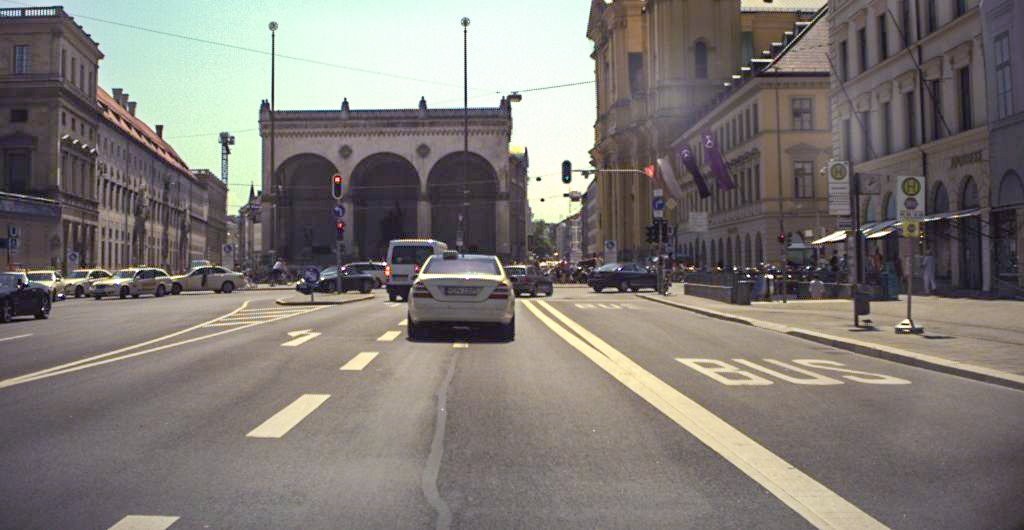
Imagine we want to detect all pixels belonging to a traffic light from a self-driving car's camera. We train a model with 99.88% performance. Pretty cool, right?

Actually, this model is useless โŒ

Let me explain ๐Ÿ‘‡


The problem is the data is severely imbalanced - the ratio between traffic light pixels and background pixels is 800:1.

If we don't take any measures, our model will learn to classify each pixel as background giving us 99.88% accuracy. But it's useless!

What can we do? ๐Ÿ‘‡

Let me tell you about 3 ways of dealing with imbalanced data:

โ–ช๏ธ Choose the right evaluation metric
โ–ช๏ธ Undersampling your dataset
โ–ช๏ธ Oversampling your dataset
โ–ช๏ธ Adapting the loss

Let's dive in ๐Ÿ‘‡

1๏ธโƒฃ Evaluation metrics

Looking at the overall accuracy is a very bad idea when dealing with imbalanced data. There are other measures that are much better suited:
โ–ช๏ธ Precision
โ–ช๏ธ Recall
โ–ช๏ธ F1 score

I wrote a whole thread on


2๏ธโƒฃ Undersampling

The idea is to throw away samples of the overrepresented classes.

One way to do this is to randomly throw away samples. However, ideally, we want to make sure we are only throwing away samples that look similar.

Here is a strategy to achieve that ๐Ÿ‘‡

More from All

https://t.co/6cRR2B3jBE
Viruses and other pathogens are often studied as stand-alone entities, despite that, in nature, they mostly live in multispecies associations called biofilmsโ€”both externally and within the host.

https://t.co/FBfXhUrH5d


Microorganisms in biofilms are enclosed by an extracellular matrix that confers protection and improves survival. Previous studies have shown that viruses can secondarily colonize preexisting biofilms, and viral biofilms have also been described.


...we raise the perspective that CoVs can persistently infect bats due to their association with biofilm structures. This phenomenon potentially provides an optimal environment for nonpathogenic & well-adapted viruses to interact with the host, as well as for viral recombination.


Biofilms can also enhance virion viability in extracellular environments, such as on fomites and in aquatic sediments, allowing viral persistence and dissemination.

You May Also Like

THREAD: Meditations on marriage metaphors in Ruth

The book of Ruth is, of course, a story about a beautiful marriage. But even before the courtship and the wedding and the important genealogy at the end, we find interesting language that is strikingly reminiscent of Genesis 2:24


That important verse reads:

'Therefore a man shall leave [ื™ึทึฝืขึฒื–ึธื‘] his father and his mother and hold fast [ื•ึฐื“ึธื‘ึทึฃืง] to his wife, and they shall become one flesh.'

The verb ืขื–ื‘ can be quite strong in force. For example, Joseph leaves behind [ื•ึทื™ึทึผืขึฒื–ึนึคื‘] his garment as he flees from Pharaoh's wife's sexual advances. Countless times, Israel is depicted abandoning the LORD, for example in Judg 2:12 [ื•ึทื™ึทึผืขึทื–ึฐื‘ึžื•ึผ], and going after other gods.

Likewise, the verb ื“ื‘ืง is rather striking. Lot is mortified of disaster overtaking him [ืชึดึผื“ึฐื‘ึธึผืงึทึฅื ึดื™] as he flees from Sodom. Israel is commanded in Deut 10:20 to cling fast [ืชึดื“ึฐื‘ึธึผึ”ืง] to the LORD and serve him and swear by his name.

Together they illustrate how radical God designed marriage to be. Marriage is a real severing of family relations in order to form a new, permanent bond with another human being.

Something very similar to this takes places in Ruth's life.