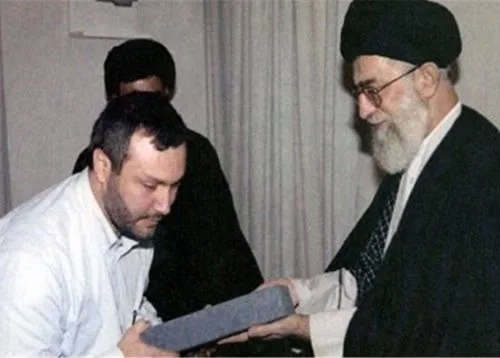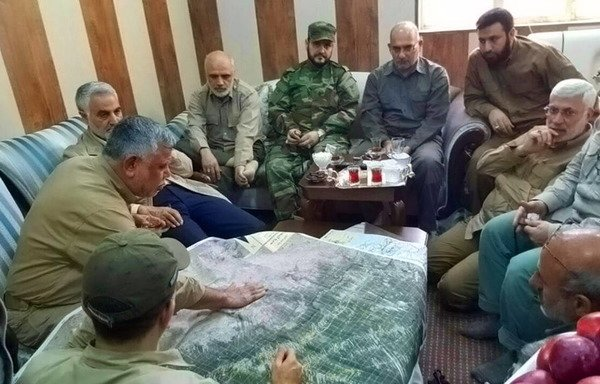
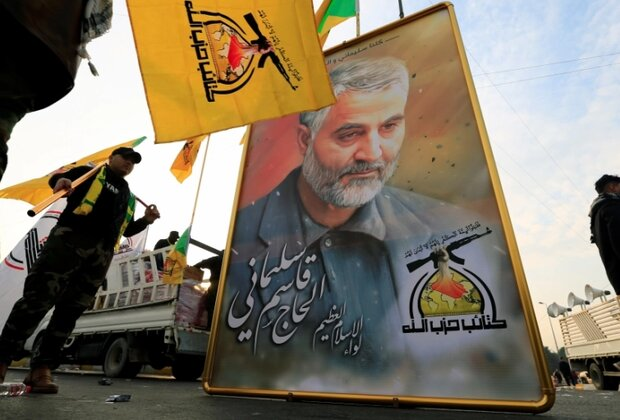
Ahead of the 1st anniversary of Soleimani's assassination, senior Iranian officials praise his contribution to the liberation of Iraq from ISIS. But in fact, the Quds Force led by soleimani took advantage of the ISIS crisis to maximize the Iranian influence in Iraq.⬇️
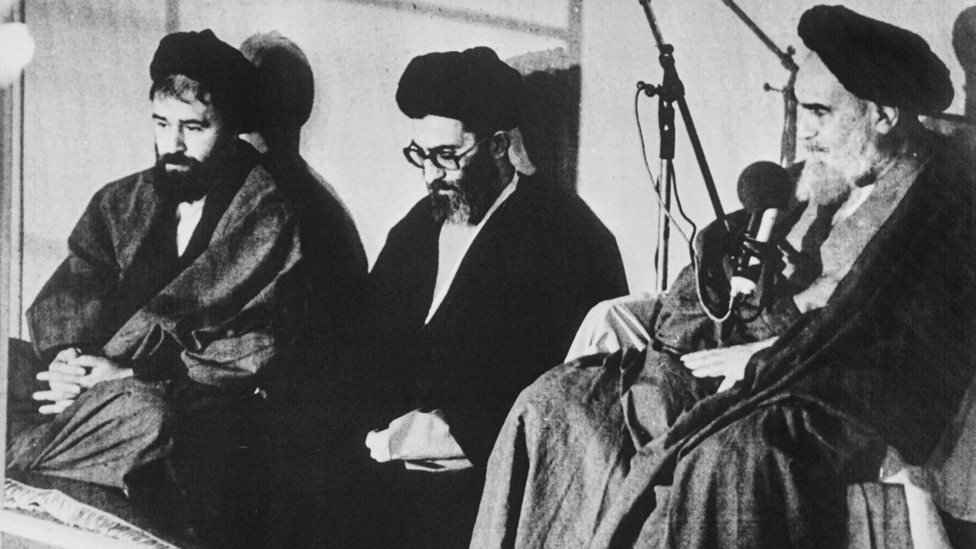
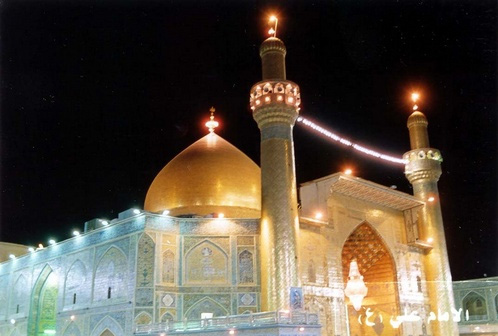
The IRI sees great importance in Iraq as part of its own national security for variety of reasons. Historically, Iran has aspired to control the Shiite holy shrines of Iraq, mainly in Najaf & Karbala. For this purpose, fierce battles took place btw Iran and the Ottoman Empire.⬇️
Thus, Iraq became a major destination for exporting of the Islamic Revolution immediately upon the rise of the Islamic Republic of Iran. The essence of Iranian motivation in the war was to establish a pro-Iranian Shiite puppet government there.⬇️
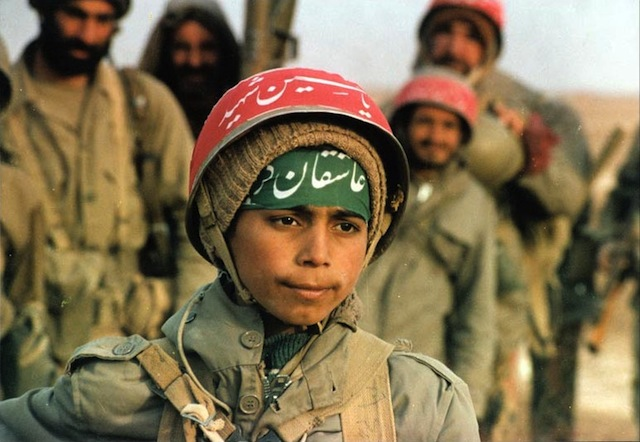
Highly motivated to establish a Shiite revolutionary regime in Iraq, the IRI rejected Saddam's proposal for a ceasefire in 1982. Accordingly, the war continued for another six years in which hundreds of thousands more people on both sides were killed.⬇️
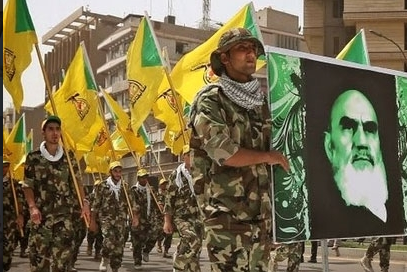
In 2003, due to IRI's fear of the possibility of the U.S. establishing a Shiite democracy in post-Saddam Iraq, it meddled in Iraq's affairs and established an array of Shiite militias. Tehran used this transnational array to wage a proxy war against the U.S. in Iraq.⬇️
Disregarding the opinions of the Iraqi people, the IRI tasked the IRGC Quds Force and Lebanese Hezbollah (especially Imad Mughniyeh) to establish Jaysh al-Mahdi in 2003 and other militias later on.⬇️
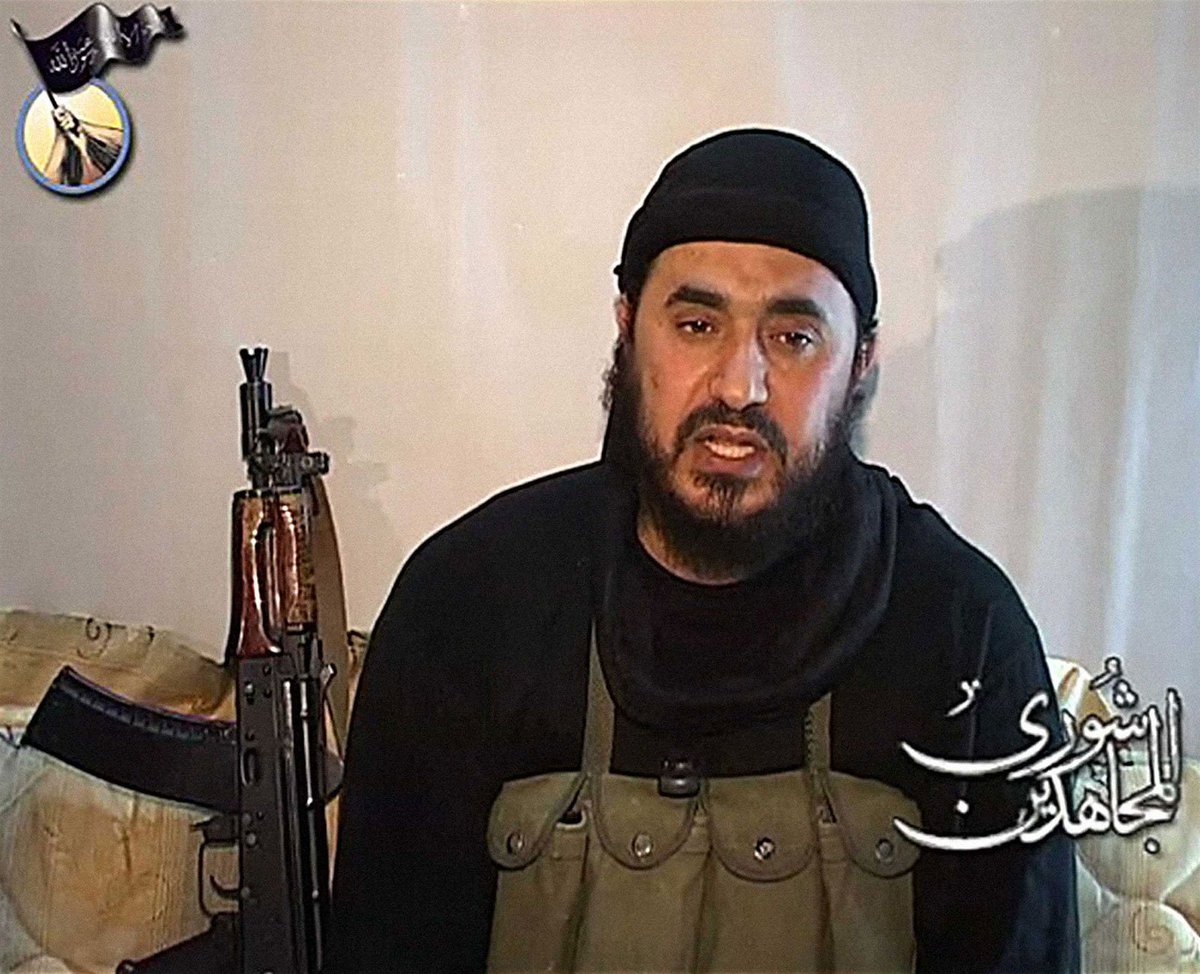
In order to promote its war against the U.S. in Iraq, the IRI even supported al-Qaeda in Iraq even though it then carried out numerous massacres of Iraqi Shiites. In many cases, these attacks were held inside the Shiite shrines. ⬇️
The IRI has exploited the war against ISIS to further marginalize the Iraqi Sunnis and significantly strengthen its loyal Shiite array.⬇️
In conclusion, Soleimani did not really care about Iraq but promoted the Iranian interest and policy in Iraq, at the expense of the blood of many of the Iraqi people.

More from World

You May Also Like

I’m torn on how to approach the idea of luck. I’m the first to admit that I am one of the luckiest people on the planet. To be born into a prosperous American family in 1960 with smart parents is to start life on third base. The odds against my very existence are astronomical.


I’ve always felt that the luckiest people I know had a talent for recognizing circumstances, not of their own making, that were conducive to a favorable outcome and their ability to quickly take advantage of them.

In other words, dumb luck was just that, it required no awareness on the person’s part, whereas “smart” luck involved awareness followed by action before the circumstances changed.

So, was I “lucky” to be born when I was—nothing I had any control over—and that I came of age just as huge databases and computers were advancing to the point where I could use those tools to write “What Works on Wall Street?” Absolutely.

Was I lucky to start my stock market investments near the peak of interest rates which allowed me to spend the majority of my adult life in a falling rate environment? Yup.