Out they go!
A CLEAN HOUSE is very important.

More from World






Shopkeepers like in this video below say
"Pompeo, we Xinjiang people hate you."

Or everyday working people like Zaynura Namatqari, who speak out against vicious & disgusting US lies and accusations about
BBC's false reporting is hurting real Uygurs.
— Jingjing Li \u674e\u83c1\u83c1 (@Jingjing_Li) February 13, 2021
At a press conference, I saw this Uygur lady, who is a former trainee of a vocational education & training center in #Xinjiang, got emotional & furious at @BBC 's false reporting accusing systematic rape in #China. #Uyghur pic.twitter.com/vdu7KlAWMr
.@qiaocollective have a brilliant thread of everyday proletarian Uyghurs speaking out against the harassment they face from the US and their paid
The family of a retired cadre scorn Pompeo and the American imperialist interests he stands for. They celebrate China's sanctioning of Pompeo as the proper move against U.S. imperialist designs on Xinjiang. pic.twitter.com/vOfExwMfD8
— Qiao Collective (@qiaocollective) February 12, 2021
'Uyghur proletariat' looks like this:

Not like this: (photo from a pro Islamist separatist protest in Turkey in 2017)


You May Also Like









I'll begin with the ancient history ... and it goes way back. Because modern humans - and before that, the ancestors of humans - almost certainly originated in Ethiopia. 🇪🇹 (sub-thread):
The famous \u201cLucy\u201d, an early ancestor of modern humans (Australopithecus) that lived 3.2 million years ago, and was discovered in 1974 in Ethiopia, displayed in the national museum in Addis Ababa \U0001f1ea\U0001f1f9 pic.twitter.com/N3oWqk1SW2
— Patrick Chovanec (@prchovanec) November 9, 2018
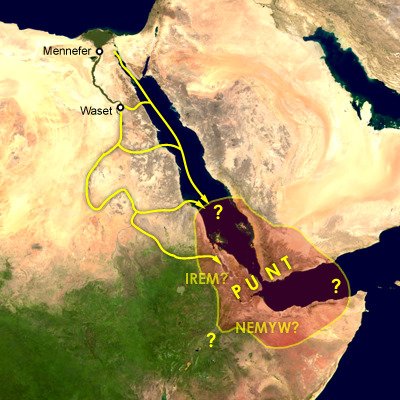
The first likely historical reference to Ethiopia is ancient Egyptian records of trade expeditions to the "Land of Punt" in search of gold, ebony, ivory, incense, and wild animals, starting in c 2500 BC 🇪🇹
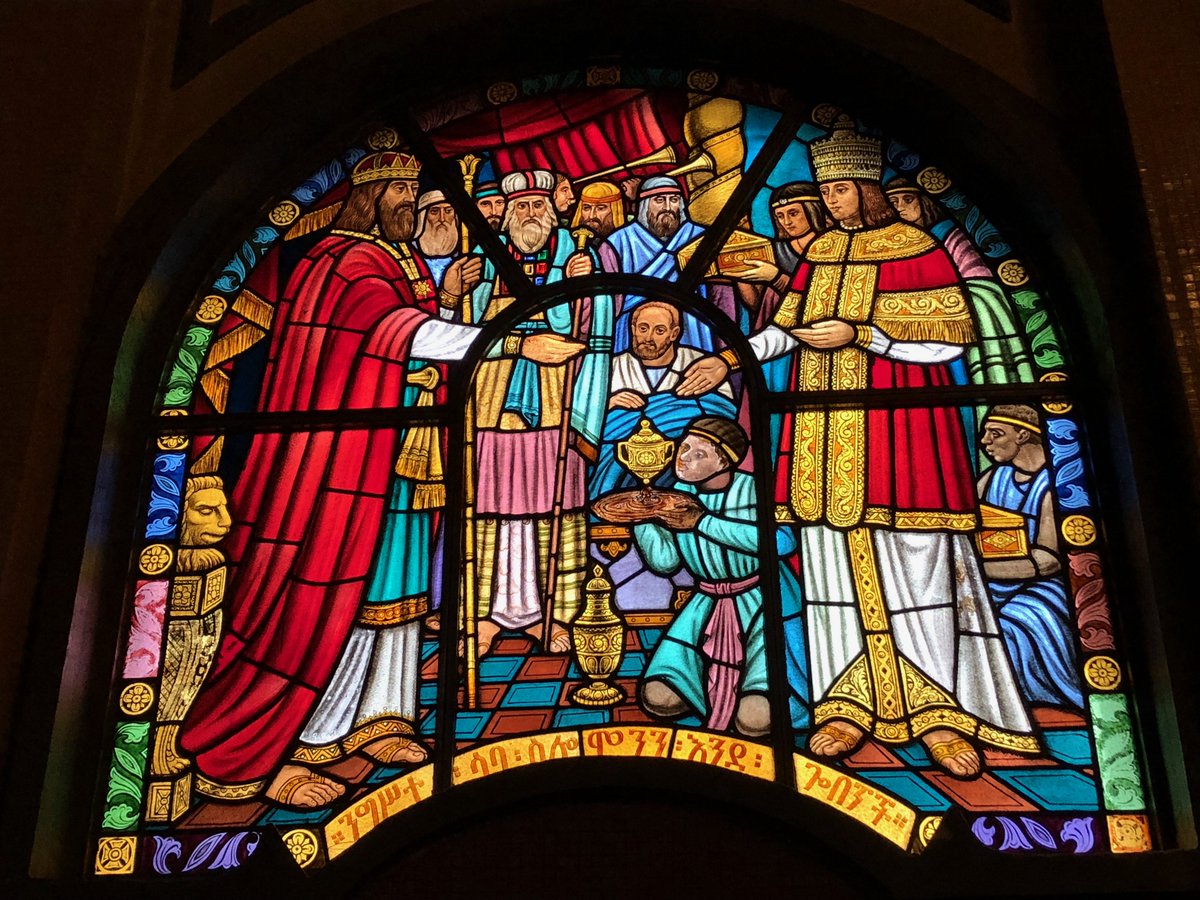
Ethiopians themselves believe that the Queen of Sheba, who visited Israel's King Solomon in the Bible (c 950 BC), came from Ethiopia (not Yemen, as others believe). Here she is meeting Solomon in a stain-glassed window in Addis Ababa's Holy Trinity Church. 🇪🇹
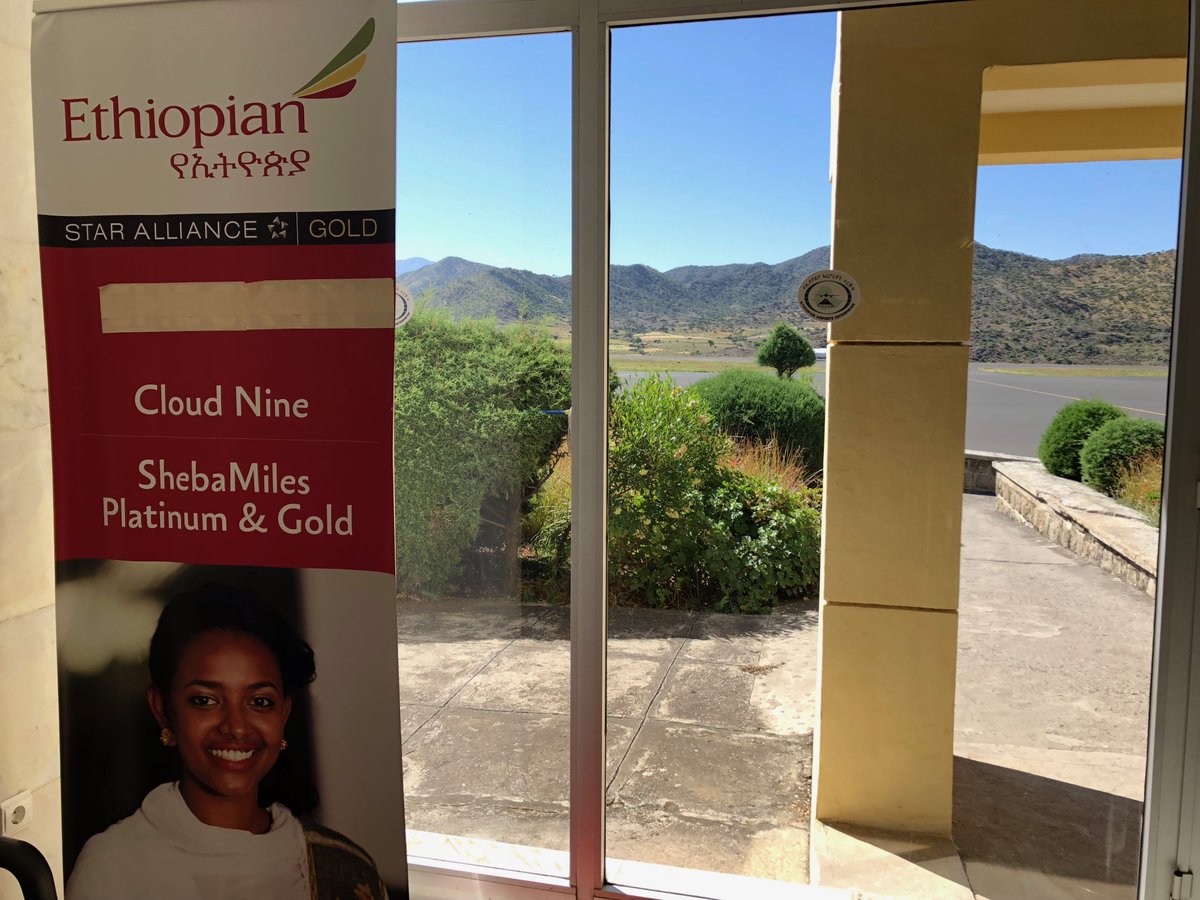
References to the Queen of Sheba are everywhere in Ethiopia. The national airline's frequent flier miles are even called "ShebaMiles". 🇪🇹