
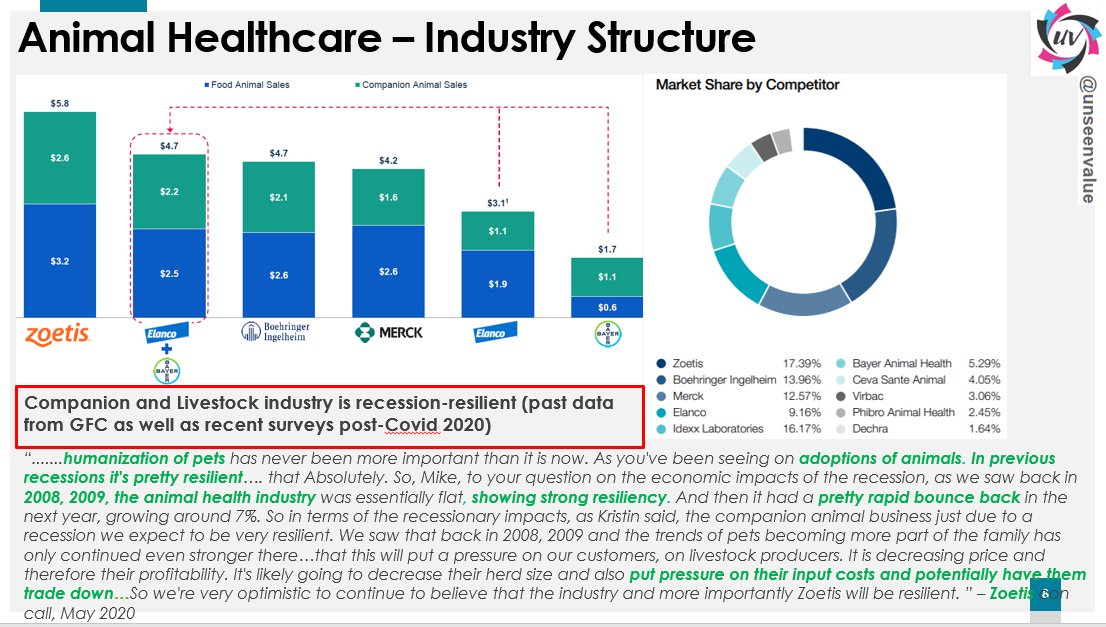
Any animal healthcare stock you like
Any Bio and non-Bio CDMO you like
Any hospital you like …
Any domestic Pharma you …
Any complex API player you .. (in addition to pure CDMO)
Any industrial biotech you ..
Any diagnostics you …
Any human and agri biotech you 👌
#uv_Tijori
More from Sajal Kapoor

Go 🇮🇳 Go 👏👏
Watch the journey of\xa0Insulin Glargine's landmark USFDA approval for first interchangeable #biosimilar for the treatment of diabetes, a testament to #BioconBiologics' scientific excellence & robust quality comparibility data. https://t.co/JSM4LPqYdh
— Biocon (@Bioconlimited) August 1, 2021
Long story short :: If you follow someone - make sure you do actually 'follow' ...
When the focus is on capability, terminal value and ESOPs - reported earnings recovery would have to wait. No science. No commerce. Pure basics 😏
Stock traded at 336.50 on 29 June. #Oversmart money was looking at limit-up closing followed by a next day gap up opening to make an annualized CAGR of 5000%
— Conviction | Patience (@unseenvalue) June 30, 2021
Animal spirits! - Lag Gaye \U0001f606 https://t.co/Cew044YHmK
More from Uvlearnings
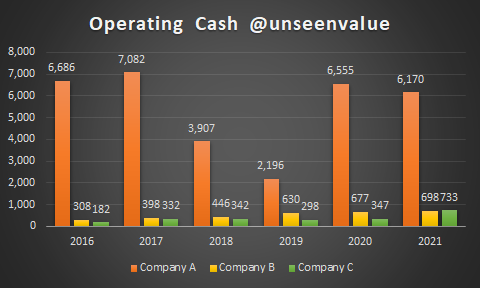
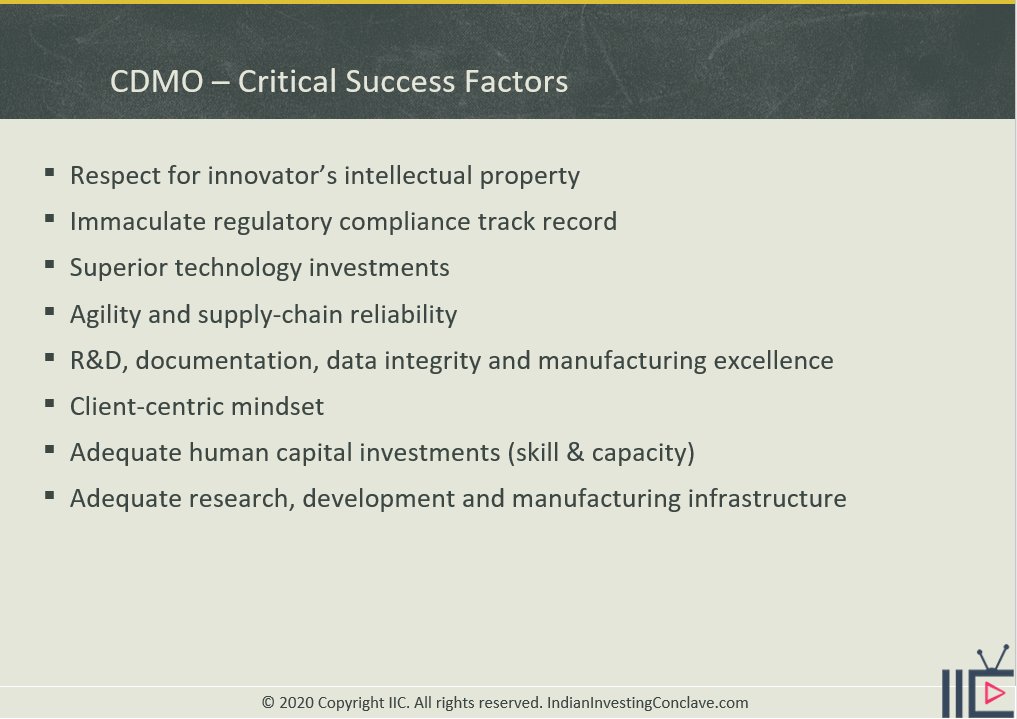
@unseenvalue Given high capex/opex cost structures of US/Japan/EU, how will they be able to compete with Indian API companies? https://t.co/OYhC2PUZpL
— Hiren (@hiren_investing) August 11, 2021
You May Also Like

Like company moats, your personal moat should be a competitive advantage that is not only durable—it should also compound over time.
Characteristics of a personal moat below:
I'm increasingly interested in the idea of "personal moats" in the context of careers.
— Erik Torenberg (@eriktorenberg) November 22, 2018
Moats should be:
- Hard to learn and hard to do (but perhaps easier for you)
- Skills that are rare and valuable
- Legible
- Compounding over time
- Unique to your own talents & interests https://t.co/bB3k1YcH5b
2/ Like a company moat, you want to build career capital while you sleep.
As Andrew Chen noted:
People talk about \u201cpassive income\u201d a lot but not about \u201cpassive social capital\u201d or \u201cpassive networking\u201d or \u201cpassive knowledge gaining\u201d but that\u2019s what you can architect if you have a thing and it grows over time without intensive constant effort to sustain it
— Andrew Chen (@andrewchen) November 22, 2018
3/ You don’t want to build a competitive advantage that is fleeting or that will get commoditized
Things that might get commoditized over time (some longer than
Things that look like moats but likely aren\u2019t or may fade:
— Erik Torenberg (@eriktorenberg) November 22, 2018
- Proprietary networks
- Being something other than one of the best at any tournament style-game
- Many "awards"
- Twitter followers or general reach without "respect"
- Anything that depends on information asymmetry https://t.co/abjxesVIh9
4/ Before the arrival of recorded music, what used to be scarce was the actual music itself — required an in-person artist.
After recorded music, the music itself became abundant and what became scarce was curation, distribution, and self space.
5/ Similarly, in careers, what used to be (more) scarce were things like ideas, money, and exclusive relationships.
In the internet economy, what has become scarce are things like specific knowledge, rare & valuable skills, and great reputations.









One thing I've been noticing about responses to today's column is that many people still don't get how strong the forces behind regional divergence are, and how hard to reverse 1/ https://t.co/Ft2aH1NcQt
— Paul Krugman (@paulkrugman) November 20, 2018
See this thing that @lymanstoneky wrote:
And see this thing that I wrote:
And see this book that @JamesFallows wrote:
And see this other thing that I wrote:
