
(THREAD) Independent journalists have already created a comprehensive list of impeachment trial witnesses who can *confirm* Team Trump helped plan the insurrection. Those witnesses can now be called. This thread lists the proof. Please RETWEET this widely.
More from Seth Abramson
MAJOR BREAKING NEWS: Donald Trump Is Now Privately Confirming His Support of a Summer Coup of the Biden Administration; If the Former President Has Engaged in Even a Single Act to Advance This Treacherous Plot He is Guilty of Seditious Conspiracy and Must Be Arrested Immediately
1/ Journalists need to be very careful in how they discuss this breaking news. Individuals who have provided cover for Trump repeatedly in the past—like Maggie Haberman—are reporting evidence of a possible seditious conspiracy as mere loose talk from an addled man. Sorry, but no.
2/ There are efforts afoot now in GA, AZ, NV, and WI to delegitimize Biden's victories there. Meanwhile, Trump advisors Flynn and Powell are saying that once those victories are delegitimized, the military should move in. If Trump is in on the conversations, it's a coup attempt.
3/ As anyone who has ever read a book or watched a movie or taken a history course knows, the most important element of a coup is the agreement of the individual who'll be installed as a nation's new president to participate in the installation. Without that there can be no coup.
4/ What Trump is privately doing, according to the NYT, is the *opposite* of what Lyndon Johnson famously did in saying that even if nominated he wouldn't run for president. Trump is telling the coup conspirators that he *will accept a re-installation* if they can make it happen.
Trump has been telling a number of people he\u2019s in contact with that he expects he will get reinstated by August (no that isn\u2019t how it works but simply sharing the information). https://t.co/kaXSXKnpF0
— Maggie Haberman (@maggieNYT) June 1, 2021
1/ Journalists need to be very careful in how they discuss this breaking news. Individuals who have provided cover for Trump repeatedly in the past—like Maggie Haberman—are reporting evidence of a possible seditious conspiracy as mere loose talk from an addled man. Sorry, but no.
2/ There are efforts afoot now in GA, AZ, NV, and WI to delegitimize Biden's victories there. Meanwhile, Trump advisors Flynn and Powell are saying that once those victories are delegitimized, the military should move in. If Trump is in on the conversations, it's a coup attempt.
3/ As anyone who has ever read a book or watched a movie or taken a history course knows, the most important element of a coup is the agreement of the individual who'll be installed as a nation's new president to participate in the installation. Without that there can be no coup.
4/ What Trump is privately doing, according to the NYT, is the *opposite* of what Lyndon Johnson famously did in saying that even if nominated he wouldn't run for president. Trump is telling the coup conspirators that he *will accept a re-installation* if they can make it happen.

(EXCERPT) PROOF OF COLLUSION drops in 3 weeks. Here's the second set of excerpts from this 450-page, 1,650-endnote book. 4 more excerpts will be released each Monday until the book's November 13 release. I hope you'll RETWEET and consider preordering here: https://t.co/z0ep5wUW9h
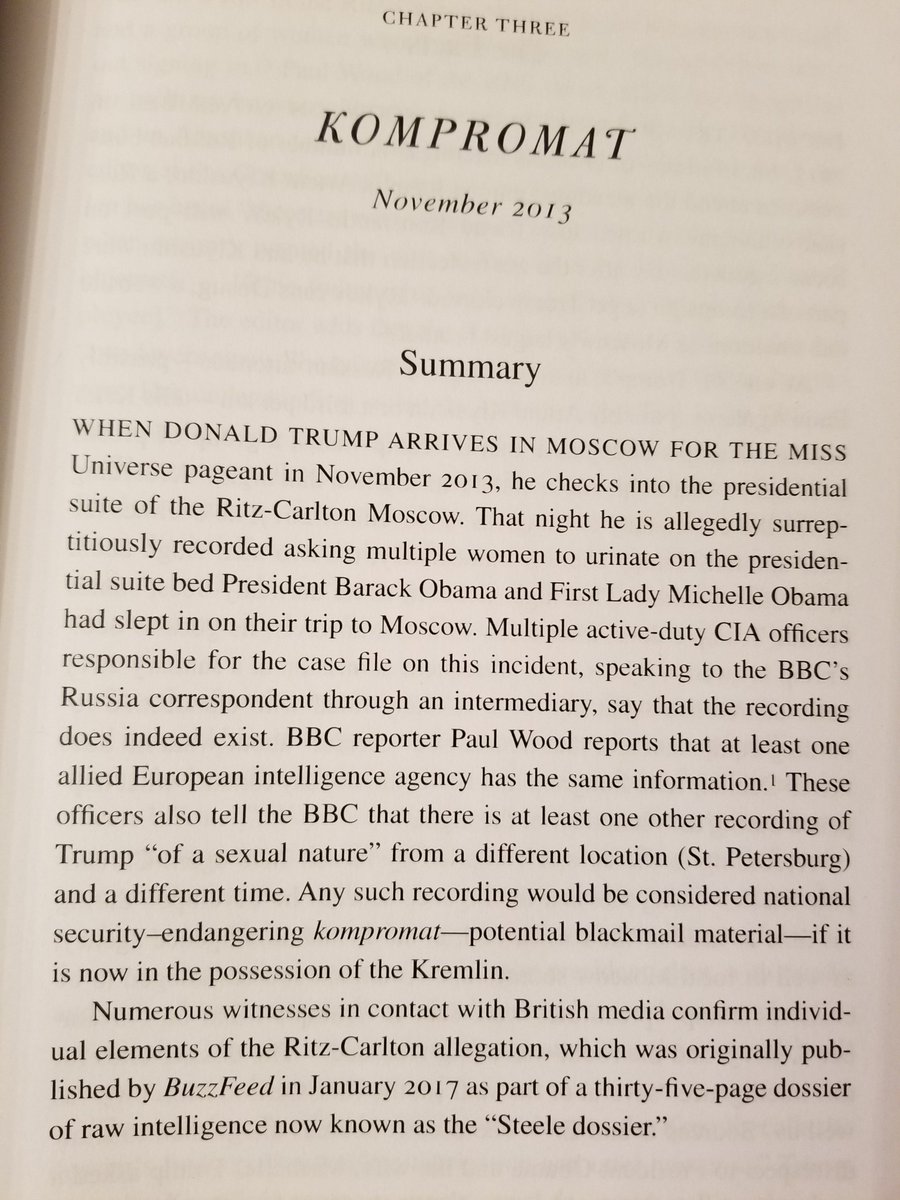
2/ For those who missed the first set of excerpts from PROOF OF COLLUSION, they can be seen in the tweet below—click on the link to see the tweet. For the link to preorder PROOF OF COLLUSION, see my currently pinned tweet or the link in my Twitter profile.
PS/ To see a larger, more readily readable version of any of these excerpts, right-click and download the picture to your desktop. Then open the file and it will be much larger and easier to read.
BONUS FACT/ In the last excerpt, I refer to "any aide with whom Trump shared the classified intelligence he received in the [August 17, 2016] briefing." Well you might wonder—who did he share it with? Answer: we don't know.
But we DO know who was WITH HIM at the briefing: FLYNN.
BONUS FACT 2/ According to Mother Jones and Washington Post reporting, then, we know Flynn attended the August 17, 2016 briefing at which Trump was informed of Russian aggression, and THEREAFTER—but BEFORE the election—engaged in clandestine contacts with the Russian ambassador.
2/ For those who missed the first set of excerpts from PROOF OF COLLUSION, they can be seen in the tweet below—click on the link to see the tweet. For the link to preorder PROOF OF COLLUSION, see my currently pinned tweet or the link in my Twitter profile.
(EXCERPT) Here are the first excerpts to be published from my forthcoming 450-page, 1,650-endnote book PROOF OF COLLUSION. More excerpts will be released each Monday until the book's November 13 release. I hope you'll RETWEET and consider preordering here: https://t.co/ZJsnHcVwGi pic.twitter.com/LDu7deiPJU
— Seth Abramson (@SethAbramson) October 15, 2018
PS/ To see a larger, more readily readable version of any of these excerpts, right-click and download the picture to your desktop. Then open the file and it will be much larger and easier to read.
BONUS FACT/ In the last excerpt, I refer to "any aide with whom Trump shared the classified intelligence he received in the [August 17, 2016] briefing." Well you might wonder—who did he share it with? Answer: we don't know.
But we DO know who was WITH HIM at the briefing: FLYNN.
BONUS FACT 2/ According to Mother Jones and Washington Post reporting, then, we know Flynn attended the August 17, 2016 briefing at which Trump was informed of Russian aggression, and THEREAFTER—but BEFORE the election—engaged in clandestine contacts with the Russian ambassador.
More from Trump

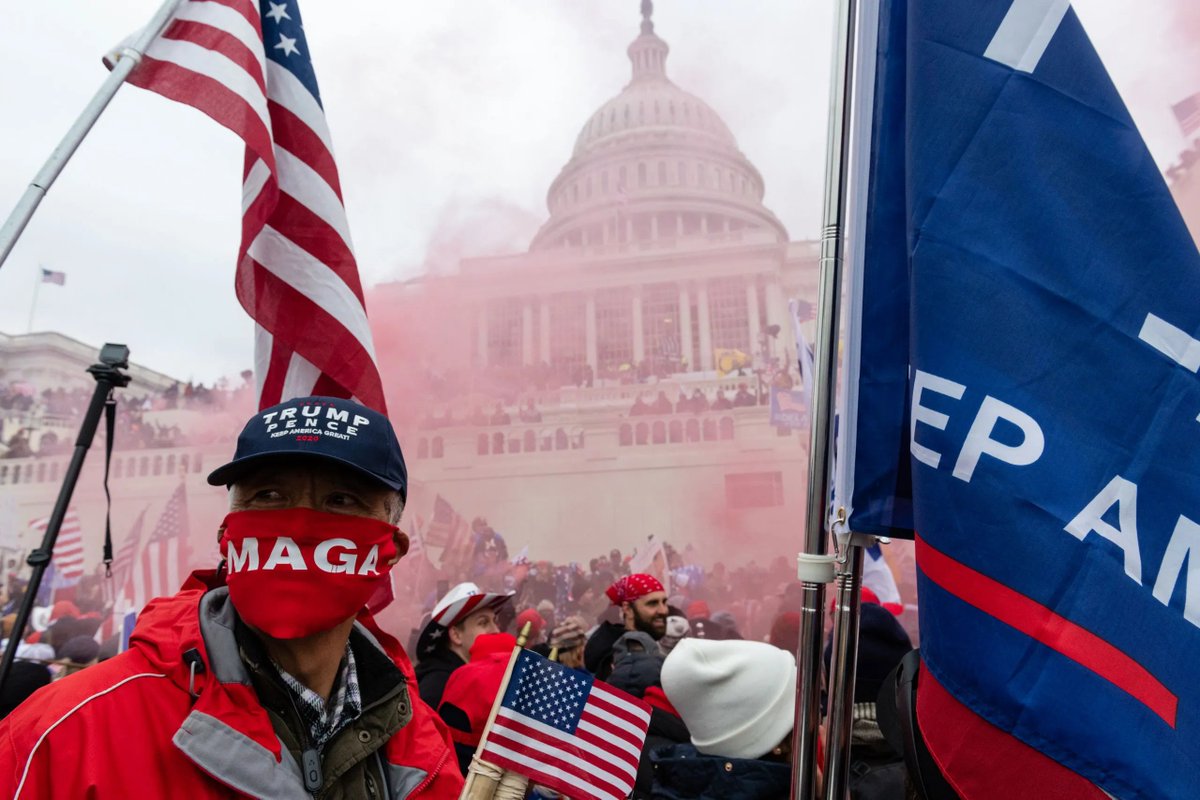
1.) Here’s the transcript: Coincidence it is “18” screenshots to capture? I think not!💥🇺🇸💥🇺🇸💥 https://t.co/wrfqjjW6hw

PRESIDENT TRUMP: THIS MAY BE, THE MOST IMPORTANT SPEECH I'VE EVER MADE. 12/02/2020
— GEORGE NEWS (@GeorgenewsOrg) December 3, 2020
(Use English/French Subtitles and READ every single word) #GodWins https://t.co/ZJ9racUF6o


You May Also Like

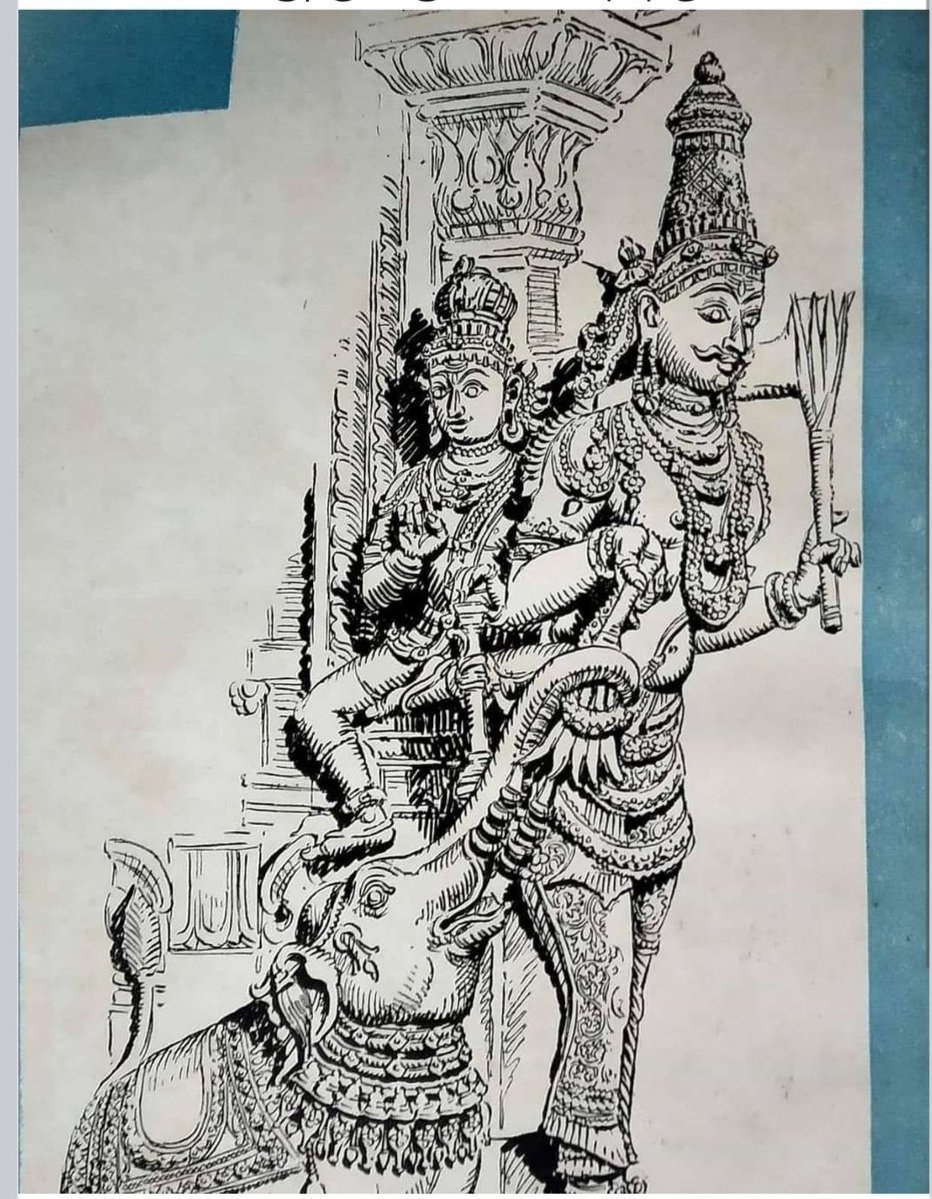
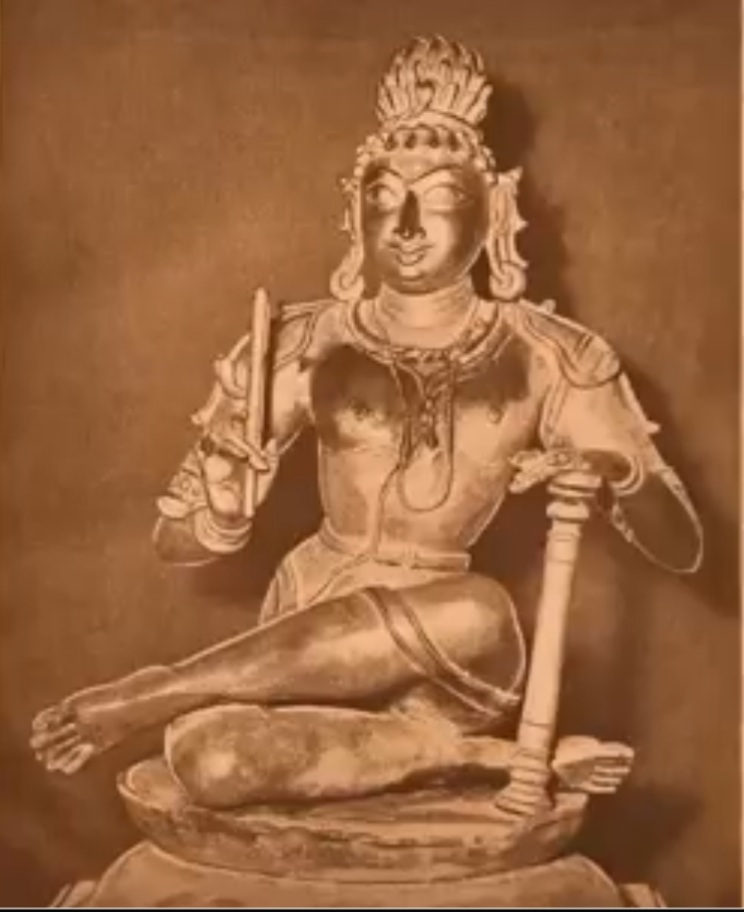




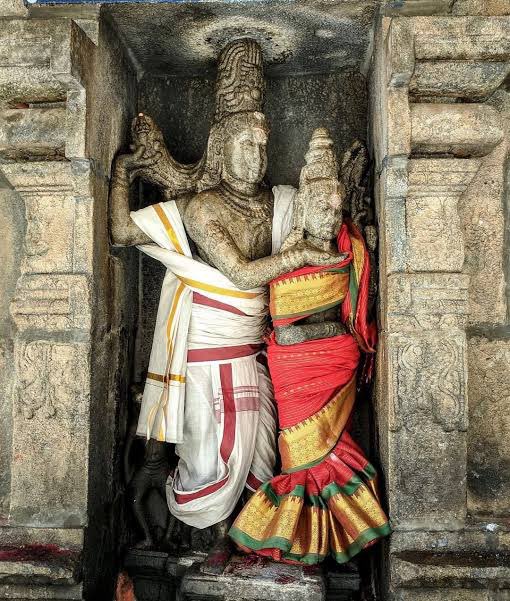


IMPORTANCE, ADVANTAGES AND CHARACTERISTICS OF BHAGWAT PURAN
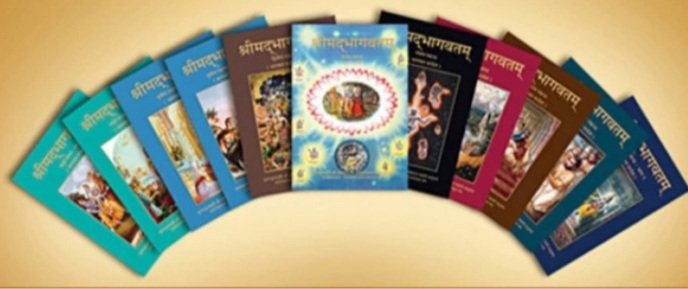
It was Ved Vyas who edited the eighteen thousand shlokas of Bhagwat. This book destroys all your sins. It has twelve parts which are like kalpvraksh.
In the first skandh, the importance of Vedvyas
and characters of Pandavas are described by the dialogues between Suutji and Shaunakji. Then there is the story of Parikshit.
Next there is a Brahm Narad dialogue describing the avtaar of Bhagwan. Then the characteristics of Puraan are mentioned.
It also discusses the evolution of universe.( https://t.co/2aK1AZSC79 )
Next is the portrayal of Vidur and his dialogue with Maitreyji. Then there is a mention of Creation of universe by Brahma and the preachings of Sankhya by Kapil Muni.
In the next section we find the portrayal of Sati, Dhruv, Pruthu, and the story of ancient King, Bahirshi.
In the next section we find the character of King Priyavrat and his sons, different types of loks in this universe, and description of Narak. ( https://t.co/gmDTkLktKS )
In the sixth part we find the portrayal of Ajaamil ( https://t.co/LdVSSNspa2 ), Daksh and the birth of Marudgans( https://t.co/tecNidVckj )
In the seventh section we find the story of Prahlad and the description of Varnashram dharma. This section is based on karma vaasna.
It was Ved Vyas who edited the eighteen thousand shlokas of Bhagwat. This book destroys all your sins. It has twelve parts which are like kalpvraksh.
In the first skandh, the importance of Vedvyas
and characters of Pandavas are described by the dialogues between Suutji and Shaunakji. Then there is the story of Parikshit.
Next there is a Brahm Narad dialogue describing the avtaar of Bhagwan. Then the characteristics of Puraan are mentioned.
It also discusses the evolution of universe.( https://t.co/2aK1AZSC79 )
Next is the portrayal of Vidur and his dialogue with Maitreyji. Then there is a mention of Creation of universe by Brahma and the preachings of Sankhya by Kapil Muni.
HOW LIFE EVOLVED IN THIS UNIVERSE AS PER OUR SCRIPTURES.
— Anshul Pandey (@Anshulspiritual) August 29, 2020
Well maximum of Living being are the Vansaj of Rishi Kashyap. I have tried to give stories from different-different Puran. So lets start.... pic.twitter.com/MrrTS4xORk
In the next section we find the portrayal of Sati, Dhruv, Pruthu, and the story of ancient King, Bahirshi.
In the next section we find the character of King Priyavrat and his sons, different types of loks in this universe, and description of Narak. ( https://t.co/gmDTkLktKS )
Thread on NARK(HELL) / \u0928\u0930\u094d\u0915
— Anshul Pandey (@Anshulspiritual) August 11, 2020
Well today i will take you to a journey where nobody wants to go i.e Nark. Hence beware of doing Adharma/Evil things. There are various mentions in Puranas about Nark, But my Thread is only as per Bhagwat puran(SS attached in below Thread)
1/8 pic.twitter.com/raHYWtB53Q
In the sixth part we find the portrayal of Ajaamil ( https://t.co/LdVSSNspa2 ), Daksh and the birth of Marudgans( https://t.co/tecNidVckj )
In the seventh section we find the story of Prahlad and the description of Varnashram dharma. This section is based on karma vaasna.
#THREAD
— Anshul Pandey (@Anshulspiritual) August 12, 2020
WHY PARENTS CHOOSE RELIGIOUS OR PARAMATMA'S NAMES FOR THEIR CHILDREN AND WHICH ARE THE EASIEST WAY TO WASH AWAY YOUR SINS.
Yesterday I had described the types of Naraka's and the Sin or Adharma for a person to be there.
1/8 pic.twitter.com/XjPB2hfnUC