Categories Trading
7 days
30 days
All time
Recent
Popular







(1) Thread: I joined fund management early in my career. At that point, my first firm was small, I had many opportunities to learn & grow. It was not as structured so roles were flexible. Which is why I always encourage to start with small firm and learn as much as you can.
(2) People were wonderful, I was assigned a mentor who looked after my personally & professionally and gave me guidance from the occassional erratic & naive moves I made, purely down to inexperience. Were there people I disliked too? Yes
(3) I had a deep interest in how the business was run, although I was part of the investment team. My bosses & seniors were ever willing to answer my many questions. I, through my own initiative, started developing my own relationships, that I would then bring over to the firm
(4) Bosses appreciated this, and quickly I was involved in the business aspects of things. Being small firm then, allowed me to put my hand up for everything. I sat in on operations meeting that I had nothing to do with because I was curious about how the chain worked
(5) I got picked to run a newly formed entity in my late twenties. I was confident, and elated. However tinge of fear creeped in. I confided in my bosses, who told me “we will give you support, just dont screw it up son” 😀
Not sure if you've shared. But would love to hear how did you climb the corporate ladder so fast. To be a CEO at 36/37 is a remarkable experience. Was it worth it, to go up so fast?
— Rushdee (@rushdeebhm) January 17, 2021
(2) People were wonderful, I was assigned a mentor who looked after my personally & professionally and gave me guidance from the occassional erratic & naive moves I made, purely down to inexperience. Were there people I disliked too? Yes
(3) I had a deep interest in how the business was run, although I was part of the investment team. My bosses & seniors were ever willing to answer my many questions. I, through my own initiative, started developing my own relationships, that I would then bring over to the firm
(4) Bosses appreciated this, and quickly I was involved in the business aspects of things. Being small firm then, allowed me to put my hand up for everything. I sat in on operations meeting that I had nothing to do with because I was curious about how the chain worked
(5) I got picked to run a newly formed entity in my late twenties. I was confident, and elated. However tinge of fear creeped in. I confided in my bosses, who told me “we will give you support, just dont screw it up son” 😀

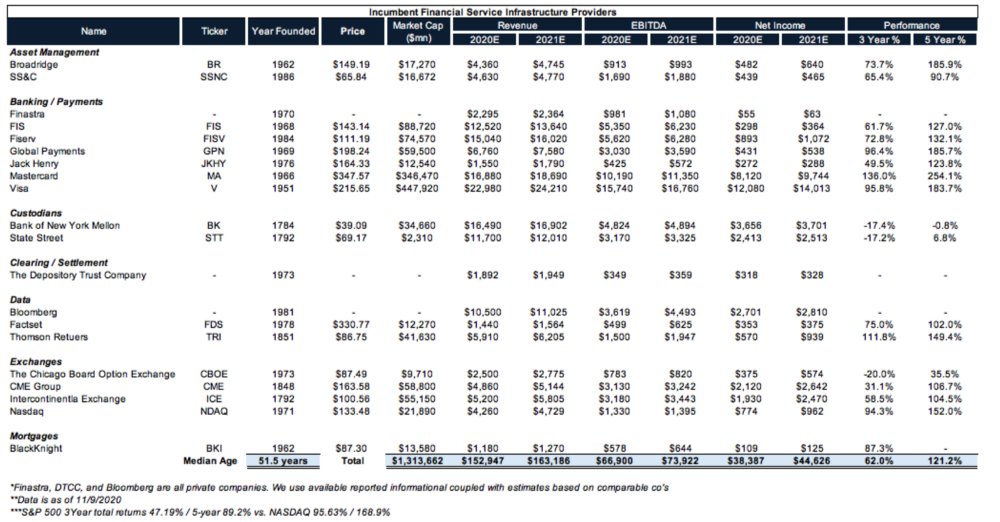






THREAD: Robinhood and other brokerages came under fire last week for restricting trading in certain securities, including $GME and $AMC.
A thread simplifying the underlying mechanics of this drama and explaining why our archaic T+2 settlement system is to blame...
1/ First, if you're unfamiliar with the backdrop to this story, here are the basics.
GameStop (and other "meme stocks") saw a massive price spike last week.
There were fundamental and technical reasons for the rise.
My thread below is a helpful primer.
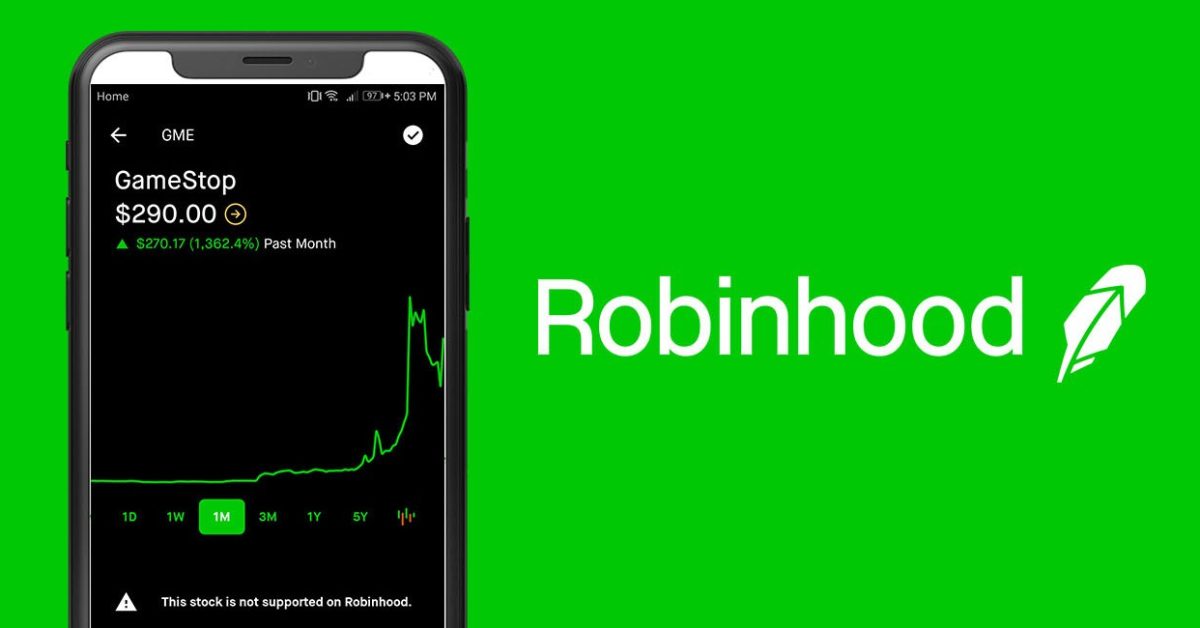
2/ On Thursday, several brokerages, including the popular @RobinhoodApp, halted or restricted trading in many of these stocks.
The public outcry was immediate (and very loud).
Amazingly, it even had @AOC and @TedCruz agreeing on something.
3/ There was speculation suggesting that Robinhood was involved in something nefarious.
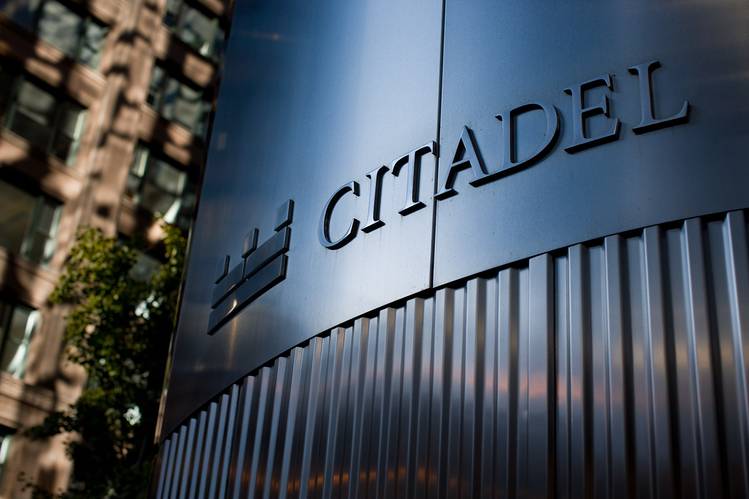
Many pointed to their relationship with Citadel - a buyer of Robinhood order flow and a part-owner of infamous $GME short Melvin Capital - as a potential driver of the trading halts.
4/ But while this story made for headline-grabbing news, the real driver of the trading halts was much more mundane.
It has to do with our financial system's archaic "T+2 settlement" infrastructure.
It can get a bit complex, so let's simplify it here for everyone to understand.
A thread simplifying the underlying mechanics of this drama and explaining why our archaic T+2 settlement system is to blame...
1/ First, if you're unfamiliar with the backdrop to this story, here are the basics.
GameStop (and other "meme stocks") saw a massive price spike last week.
There were fundamental and technical reasons for the rise.
My thread below is a helpful primer.
THREAD: The story of the week in finance is how a group of retail traders at @wallstreetbets, with assists from @ElonMusk and @Chamath, took down the establishment short sellers at GameStop.
— Sahil Bloom (@SahilBloom) January 27, 2021
A thread on the underlying mechanics of the $GME saga... pic.twitter.com/0TP9rst17A
2/ On Thursday, several brokerages, including the popular @RobinhoodApp, halted or restricted trading in many of these stocks.
The public outcry was immediate (and very loud).
Amazingly, it even had @AOC and @TedCruz agreeing on something.
Fully agree. \U0001f447 https://t.co/rW38zfLYGh
— Ted Cruz (@tedcruz) January 28, 2021
3/ There was speculation suggesting that Robinhood was involved in something nefarious.
Many pointed to their relationship with Citadel - a buyer of Robinhood order flow and a part-owner of infamous $GME short Melvin Capital - as a potential driver of the trading halts.
4/ But while this story made for headline-grabbing news, the real driver of the trading halts was much more mundane.
It has to do with our financial system's archaic "T+2 settlement" infrastructure.
It can get a bit complex, so let's simplify it here for everyone to understand.


