“Every time you write a new code, you should do so reluctantly, under duress, because you completely exhausted all your other options.” - Jeff Atwood @codinghorror

Hence the growing popularity of the no-code software.

A quick thread 👇

1/

NO-CODE IS EATING THE WORLD

The concept isn't new (remember Microsoft FrontPage?) but the capabilities that the no-code and low-code tools offer today change the way individuals and businesses approach building digital products.

WHY IT'S INTERESTING? 👇
2/

No-code tools let you build things without writing code. Websites, mobile apps, online stores – all that (and a lot more!) can be built without any prior coding experience.
3/

Even though the “no-code” label is often an oversell (many platforms are "just" low-code and still require some low programming effort), the capabilities offered are game-changing, especially at the first stages of product development.
4/

Key no-code platforms:

•@Shopify: e-commerce
•@canva: design
•@airtable: databases
•@webflow: web development
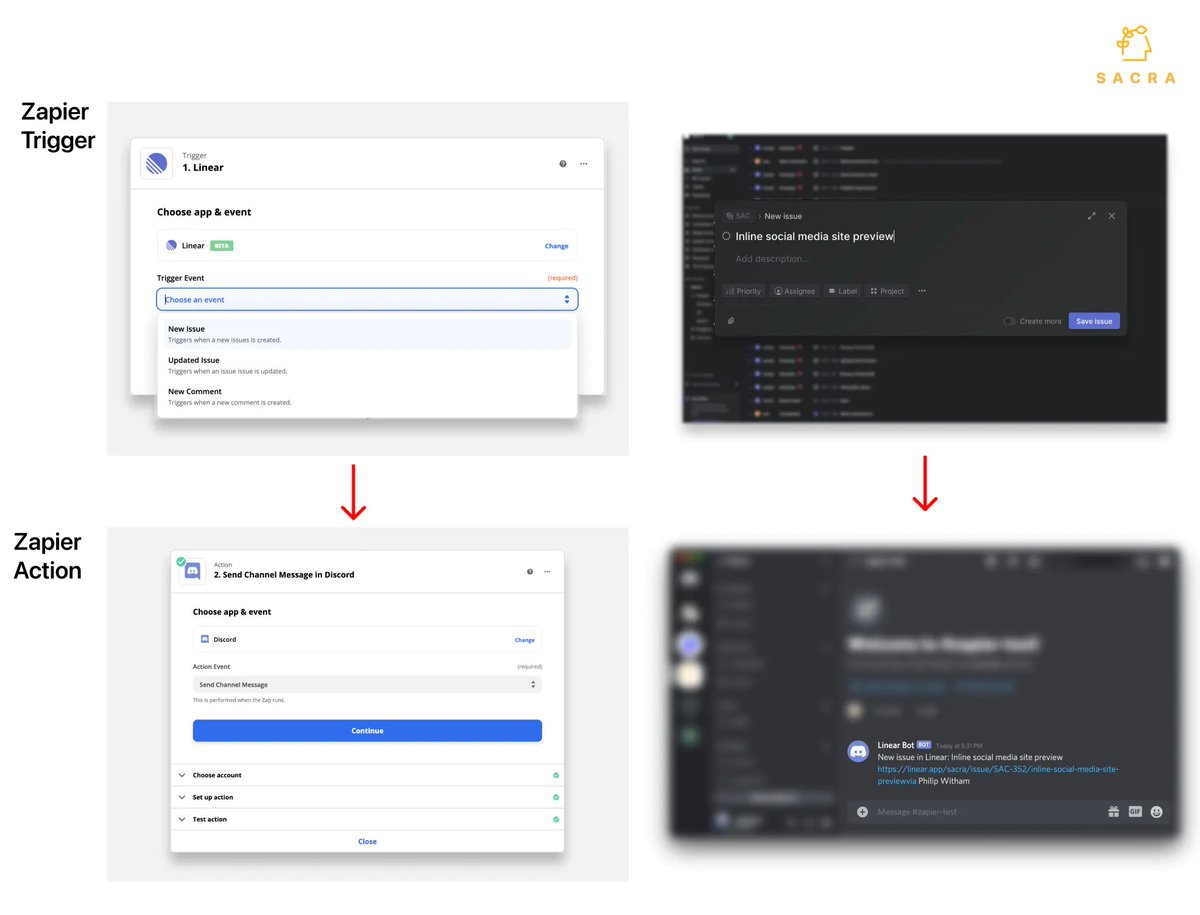
•@zapier: process automation
•@bubble: mobile app development
5/

LOOKING AHEAD

•Gartner states low-code platforms will be responsible for more than 65 percent of all app dev activity by 2024
•Forrester expects the low-code market to represent $21bn in spending by 2022
•No-code market will be valued at $46bn by 2023 ($8bn in 2018)
6/

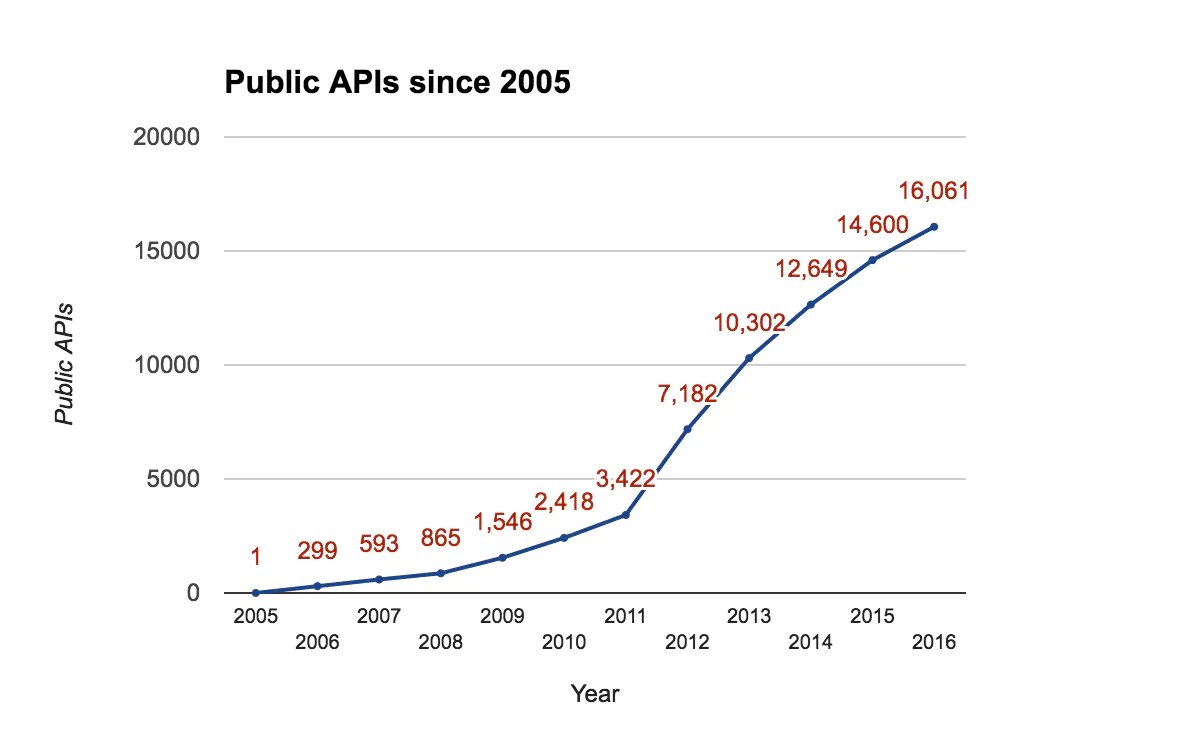
From a development perspective, low-code software should be seen as the next big thing after frameworks and APIs. A productivity hack that allows us to do more with less.
7/

From a business perspective, no-code tools allow business owners to put more effort into what really drives results: business strategy, market traction, community-building, sales and marketing.

The product itself is no longer a roadblock. Or an excuse.
8/

For a deeper analysis of the no-code movement, definitely read this great piece from @alexandre_dewez and @thibault_brnrd:

https://t.co/0DYI1MLmeF

And for more tech updates and news, join our weekly newsletter:
https://t.co/66v5kD4FZ5

More from Startups

There are a *lot* of software shops in the world that would far rather have one more technical dependency than they'd like to pay for one of their 20 engineers to become the company's SPOF expert on the joys of e.g. HTTP file uploads, CSV parsing bugs, PDF generation, etc.


Every year at MicroConf I get surprised-not-surprised by the number of people I meet who are running "Does one thing reasonably well, ranks well for it, pulls down a full-time dev salary" out of a fun side project which obviates a frequent 1~5 engineer-day sprint horizontally.

"Who is the prototypical client here?"

A consulting shop delivering a $X00k engagement for an internal system, a SaaS company doing something custom for a large client or internally facing or deeply non-core to their business, etc.

(I feel like many of these businesses are good answers to the "how would you monetize OSS to make it sustainable?" fashion, since they often wrap a core OSS offering in the assorted infrastructure which makes it easily consumable.)

"But don't the customers get subscription fatigue?"

I think subscription fatigue is far more reported by people who are embarrassed to charge money for software than it is experienced by for-profit businesses, who don't seem to have gotten pay-biweekly-for-services fatigue.

You May Also Like

राम-रावण युद्ध समाप्त हो चुका था। जगत को त्रास देने वाला रावण अपने कुटुम्ब सहित नष्ट हो चुका था।श्रीराम का राज्याभिषेक हुआ और अयोध्या नरेश श्री राम के नेतृत्व में चारों दिशाओं में शन्ति थी।
अंगद को विदा करते समय राम रो पड़े थे ।हनुमान को विदा करने की शक्ति तो राम में थी ही नहीं ।


माता सीता भी हनुमान को पुत्रवत मानती थी। अत: हनुमान अयोध्या में ही रह गए ।राम दिनभर दरबार में, शासन व्यवस्था में व्यस्त रहते थे। संध्या को जब शासकीय कार्यों में छूट मिलती तो गुरु और माताओं का कुशल-मंगल पूछ अपने कक्ष में जाते थे। परंतु हनुमान जी हमेशा उनके पीछे-पीछे ही रहते थे ।


उनकी उपस्थिति में ही सारा परिवार बहुत देर तक जी भर बातें करता ।फिर भरत को ध्यान आया कि भैया-भाभी को भी एकांत मिलना चाहिए ।उर्मिला को देख भी उनके मन में हूक उठती थी कि इस पतिव्रता को भी अपने पति का सानिध्य चाहिए ।

एक दिन भरत ने हनुमान जी से कहा,"हे पवनपुत्र! सीता भाभी को राम भैया के साथ एकांत में रहने का भी अधिकार प्राप्त है ।क्या आपको उनके माथे पर सिन्दूर नहीं दिखता?इसलिए संध्या पश्चात आप राम भैया को कृप्या अकेला छोड़ दिया करें "।
ये सुनकर हनुमान आश्चर्यचकित रह गए और सीता माता के पास गए ।


माता से हनुमान ने पूछा,"माता आप अपने माथे पर सिन्दूर क्यों लगाती हैं।" यह सुनकर सीता माता बोलीं,"स्त्री अपने माथे पर सिन्दूर लगाती है तो उसके पति की आयु में वृद्धि होती है और वह स्वस्थ रहते हैं "। फिर हनुमान जी प्रभु राम के पास गए ।