People who want to switch on growth for their startups or marketing professionals ask me what to read to get their thinking up. Here's a thread of some books and blogs I read
1. Nir Eyal - Hooked: How to build habit-forming products.
Nir writes about the psychology of human behaviour with digital and physical products and shares real-life examples of how you can engage, nudge and encourage your customers to keep using your product
Ryan writes how boring simple advertising is and what growth hackers need to do/take advantage of to be truly unique and to switch things up
Gabriel and Justin focus on channels you can lever to acquire and retain customers. This book is a guide if you have no clue how to approach customer acquisition. It's an inexhaustive list tbh
The OG Seth Godin writes about how to market to potential customers by taking permission. People now know when they're being sold stuff and your marketing tactics are probably boring and not working
Seth writes again about how marketers can craft stories that appeal to different groups of people. Stories are important and people often tell themselves stories before they buy products or in this case, sign up for your startup
https://t.co/AcyDXS4W1d
https://t.co/bKVPiMF6IN
https://t.co/8FVsQoKRCf
https://t.co/KSVxd40uRE
https://t.co/8QdX2TpT82
https://t.co/Zu75T80pBG
Noah writes a lot of actionable advice for growing waitlists, building brands, outreach and partnerships, etc.
https://t.co/G1KZEF3pDQ
https://t.co/fh0oJMBkCK
https://t.co/UGPUAPLB2e
https://t.co/q5CbmDYgPw
Community for growth people put together these growth studies from companies like Stripe, Tinder and AirBnB. Again, the principles matter the most.
https://t.co/itX2ene5N8
https://t.co/v17DxE6Oa2
https://t.co/SCeVi85orW
https://t.co/dCMs5cUb6U
https://t.co/RRZq0cmV0f
https://t.co/vXsoe3ltvP
https://t.co/z6C0YjmSNs
More from Startup


>> How To Start a Lead Gen Agency <<
This step-by-step process will help you sign $5K - $20K clients in NO TIME.
Learn how to:
✅ Find Leads
✅ Book Meetings
✅ Sign Clients
✅ Scale Processes
// 𝐓𝐇𝐑𝐄𝐀𝐃 //

1/ Make sure you understand the lead gen process.
You NEED to know your shit before you pitch ANYTHING.
A few services you can offer to generate leads:
> Cold email
> LinkedIn outreach
> Facebook ads
> SEO
The list goes on.
Just perfect one of them & you’re SOLID.
2/ Find a niche to pitch your services to.
NICHE DOWN.
Use this doc to find an “untapped” niche:
https://t.co/aYptSNsZw6
I’d suggest choosing 1-3 to start with.
& focus ONLY on these.
3/ Find leads for outreach:
Sign up for a free @IcyLeads account at https://t.co/mz2kYnEko1 to find key decision-maker contact emails for outreach.
You can find emails from the list of niches provided above & filter out job titles such as:
> CEO
> Founder
> Marketing
Etc.
4/ Once you have a list of leads to pitch your services to:
It’s time to write your cold email outreach sequences.
Your cold emails should speak DIRECTLY to the prospect you’re reaching out to.
You can find some winning cold email templates
This step-by-step process will help you sign $5K - $20K clients in NO TIME.
Learn how to:
✅ Find Leads
✅ Book Meetings
✅ Sign Clients
✅ Scale Processes
// 𝐓𝐇𝐑𝐄𝐀𝐃 //
1/ Make sure you understand the lead gen process.
You NEED to know your shit before you pitch ANYTHING.
A few services you can offer to generate leads:
> Cold email
> LinkedIn outreach
> Facebook ads
> SEO
The list goes on.
Just perfect one of them & you’re SOLID.
2/ Find a niche to pitch your services to.
NICHE DOWN.
Use this doc to find an “untapped” niche:
https://t.co/aYptSNsZw6
I’d suggest choosing 1-3 to start with.
& focus ONLY on these.
3/ Find leads for outreach:
Sign up for a free @IcyLeads account at https://t.co/mz2kYnEko1 to find key decision-maker contact emails for outreach.
You can find emails from the list of niches provided above & filter out job titles such as:
> CEO
> Founder
> Marketing
Etc.
4/ Once you have a list of leads to pitch your services to:
It’s time to write your cold email outreach sequences.
Your cold emails should speak DIRECTLY to the prospect you’re reaching out to.
You can find some winning cold email templates

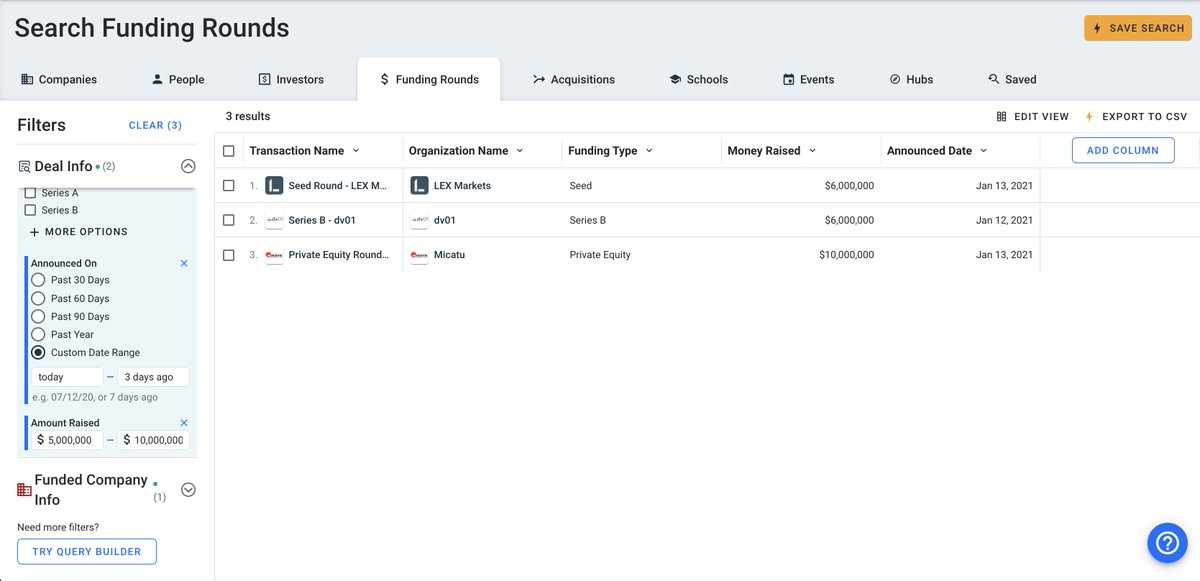

Most people have only just seen the opening scene of the internet.
But behind the curtains there’s pure gold.
Here are 10 of the most useful websites in existence:
https://t.co/YShvPsYfKT
See all of your newsletters in one place and unsubscribe from them with a single click.
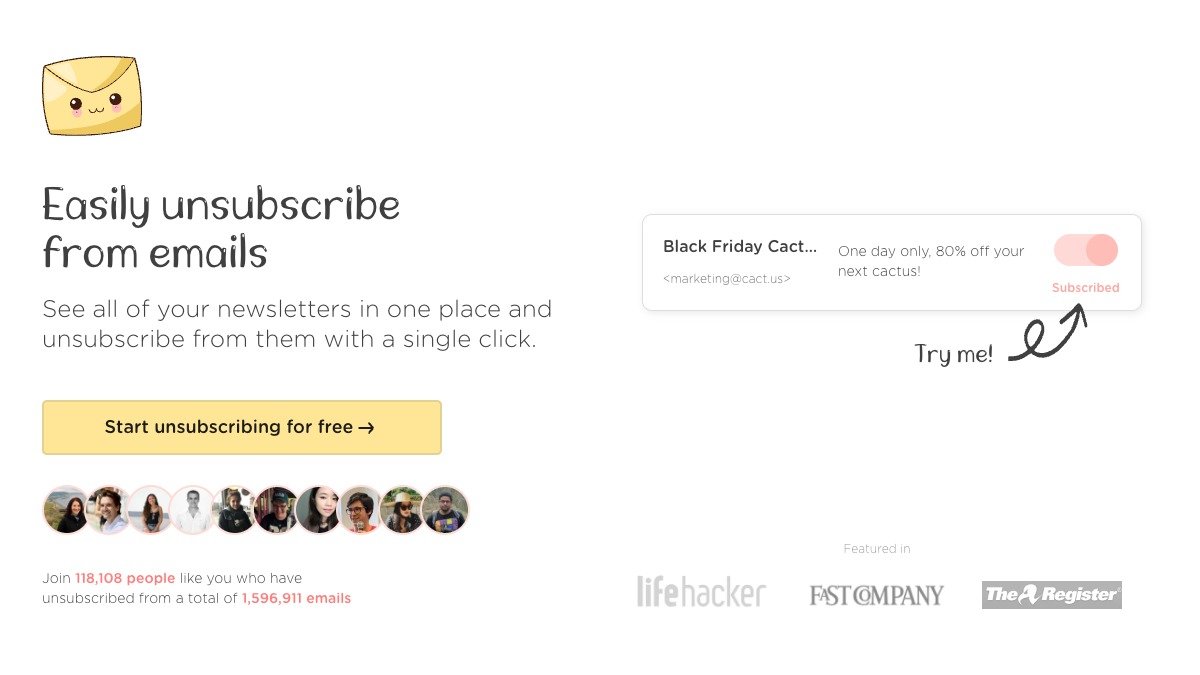
https://t.co/eIoLiGGIHh
Share files privately & secure, without a size limit or storing anything online.
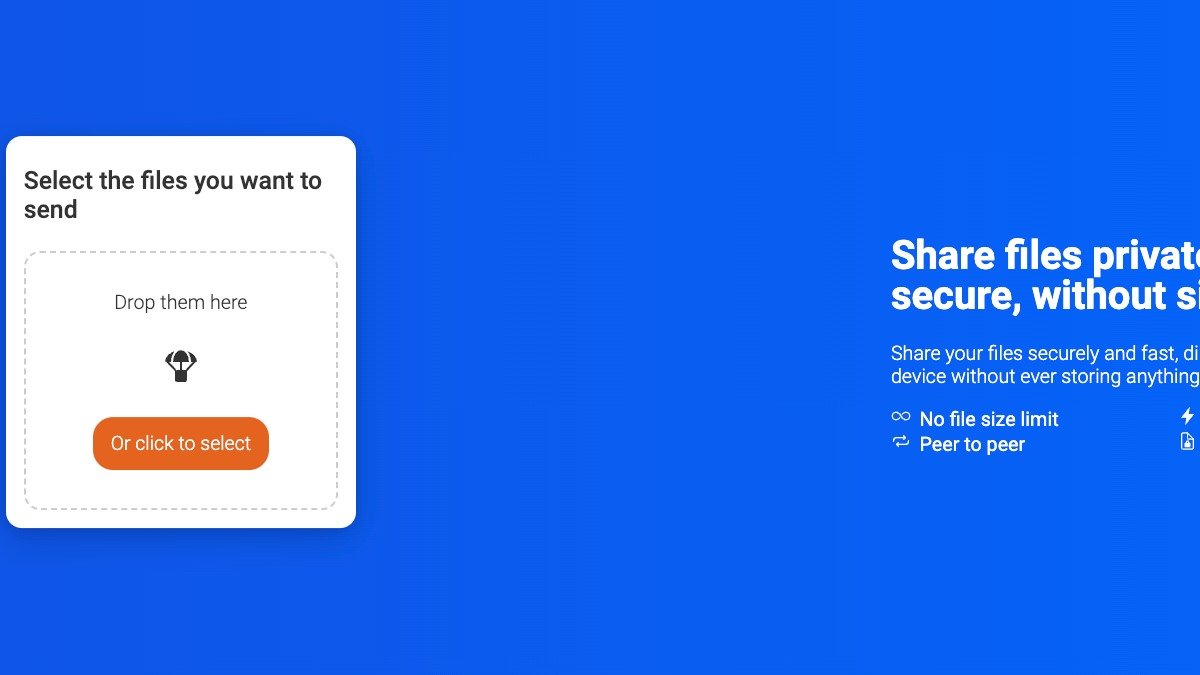
https://t.co/fk467hI0Vu
A fast visual sitemap builder and website planner.
You can build, plan, and visualise your website structure and create content in real-time.
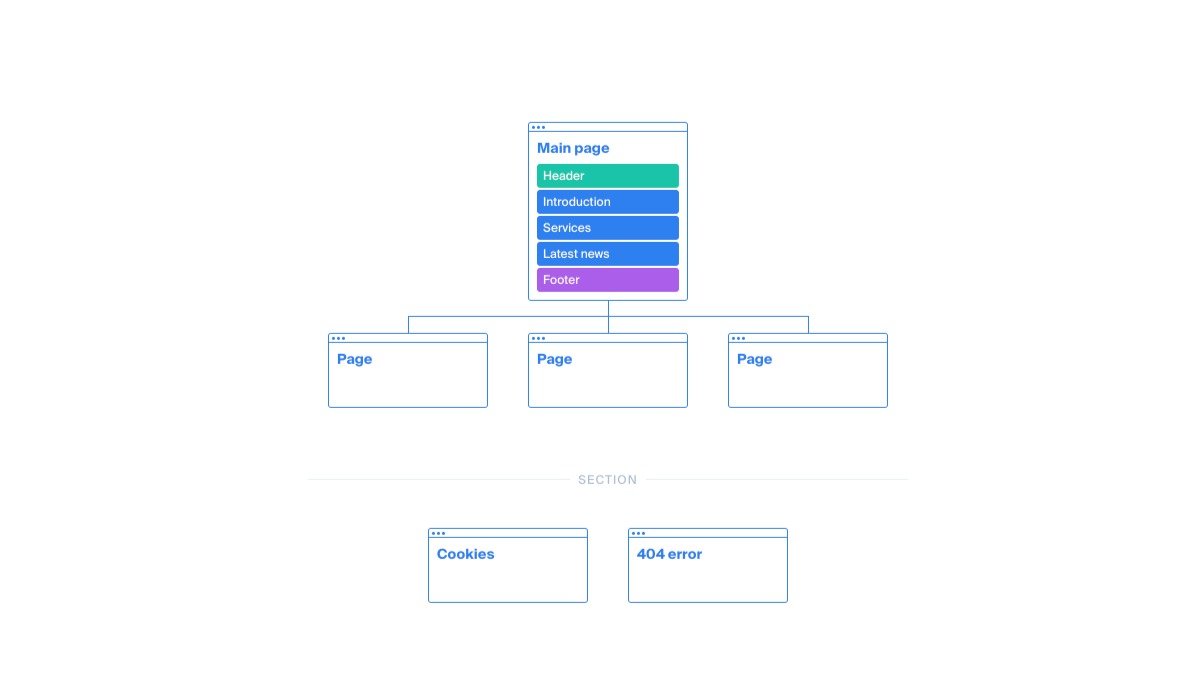
https://t.co/rsJN67IqTI
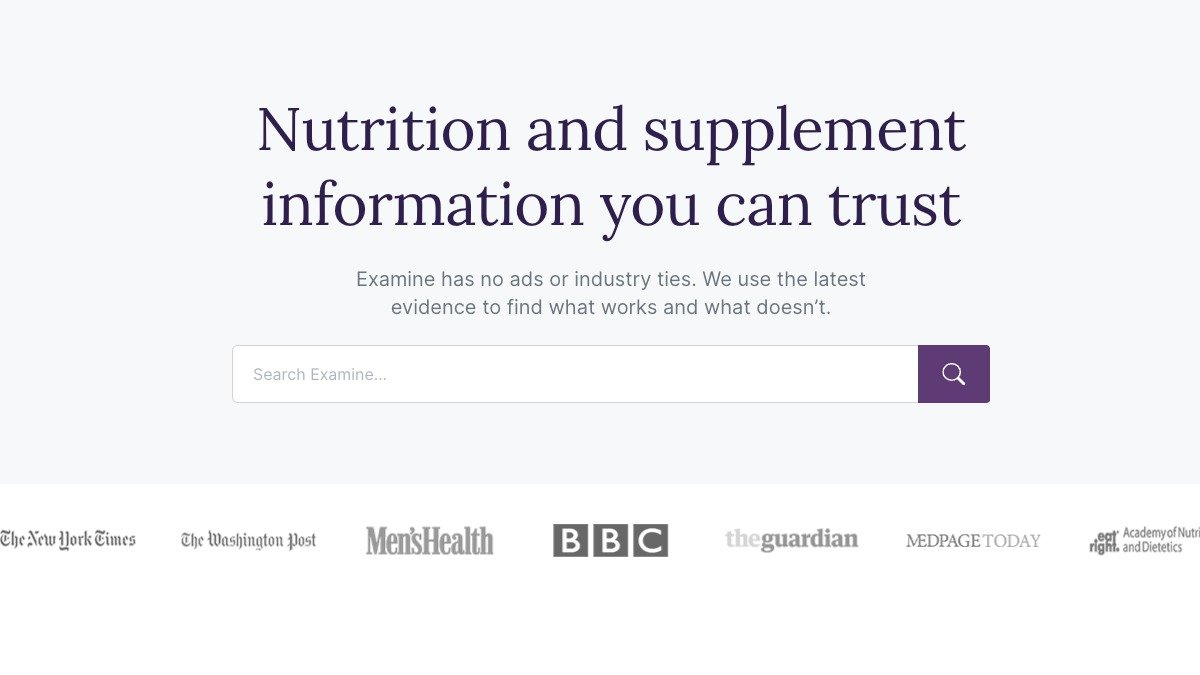
Examine lets you cut through the noise on Nutrition and supplement information.
It’s got zero conflicts of interest: No ads, No industry ties.
But behind the curtains there’s pure gold.
Here are 10 of the most useful websites in existence:
https://t.co/YShvPsYfKT
See all of your newsletters in one place and unsubscribe from them with a single click.
https://t.co/eIoLiGGIHh
Share files privately & secure, without a size limit or storing anything online.
https://t.co/fk467hI0Vu
A fast visual sitemap builder and website planner.
You can build, plan, and visualise your website structure and create content in real-time.
https://t.co/rsJN67IqTI
Examine lets you cut through the noise on Nutrition and supplement information.
It’s got zero conflicts of interest: No ads, No industry ties.

You May Also Like

The entire discussion around Facebook’s disclosures of what happened in 2016 is very frustrating. No exec stopped any investigations, but there were a lot of heated discussions about what to publish and when.
In the spring and summer of 2016, as reported by the Times, activity we traced to GRU was reported to the FBI. This was the standard model of interaction companies used for nation-state attacks against likely US targeted.
In the Spring of 2017, after a deep dive into the Fake News phenomena, the security team wanted to publish an update that covered what we had learned. At this point, we didn’t have any advertising content or the big IRA cluster, but we did know about the GRU model.
This report when through dozens of edits as different equities were represented. I did not have any meetings with Sheryl on the paper, but I can’t speak to whether she was in the loop with my higher-ups.
In the end, the difficult question of attribution was settled by us pointing to the DNI report instead of saying Russia or GRU directly. In my pre-briefs with members of Congress, I made it clear that we believed this action was GRU.
The story doesn\u2019t say you were told not to... it says you did so without approval and they tried to obfuscate what you found. Is that true?
— Sarah Frier (@sarahfrier) November 15, 2018
In the spring and summer of 2016, as reported by the Times, activity we traced to GRU was reported to the FBI. This was the standard model of interaction companies used for nation-state attacks against likely US targeted.
In the Spring of 2017, after a deep dive into the Fake News phenomena, the security team wanted to publish an update that covered what we had learned. At this point, we didn’t have any advertising content or the big IRA cluster, but we did know about the GRU model.
This report when through dozens of edits as different equities were represented. I did not have any meetings with Sheryl on the paper, but I can’t speak to whether she was in the loop with my higher-ups.
In the end, the difficult question of attribution was settled by us pointing to the DNI report instead of saying Russia or GRU directly. In my pre-briefs with members of Congress, I made it clear that we believed this action was GRU.