Is the reason that we keep on bottling semi-finals a mental thing, or is it just us finally encountering good teams in the tournament?
A factual thread looking at each competition we've gotten to the semi-finals of and lost under Ole Gunnar Solskjaer.

More from Sport






Watching this play sent me down a memory hole that gave me goosebumps as well as a pang of guilt. Let me explain. A THREAD!
In 2011, I was hosting the ESPYs. Marshawn’s run was nominated for Best Play, an award that was voted on by fans online. It was considered a front runner if not a lock.
Two days before the show, we're all watching the US/Brazil game in the Women’s World Cup. In the 122 minute Abby Wambach scored a header from a brilliant cross via Megan Rapinoe. I asked ESPN’s estimable producer, the late, great Maura Mandt if we could add it to the nominees.
The best thing about the ESPYs is, unlike other award shows that take themselves too seriously, there is a “fuck it, why not” attitude so Maura just made it happen. Maura was great at making things happen. Want another example?
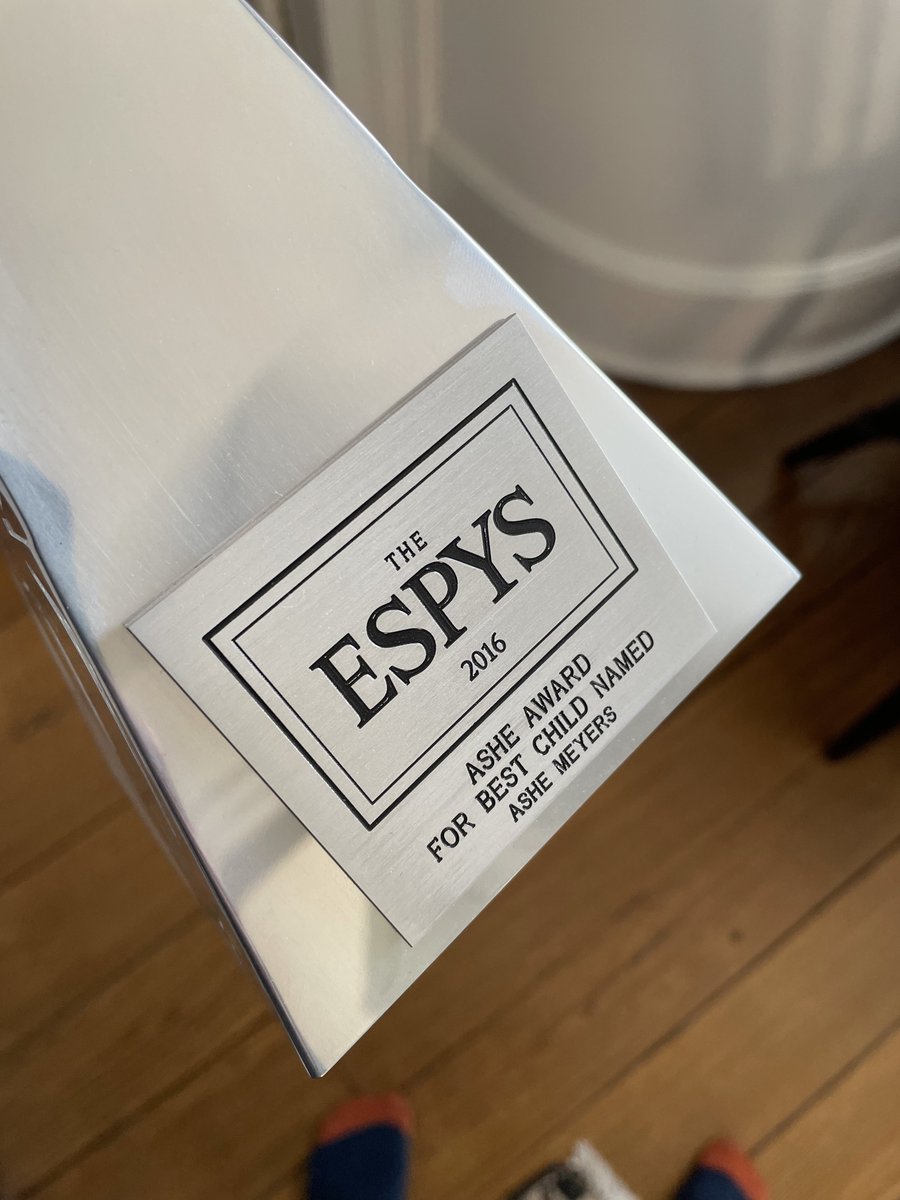
One of the highlights of the ESPYs is the Arthur Ashe Courage Award. When my son Ashe was born Maura gifted him this fake ESPY for BEST CHILD NAMED ASHE. I am confident this is the only ESPY anyone related to me will ever win.
Exactly a decade ago today, Marshawn Lynch caused a Beast Quake.
— Field Yates (@FieldYates) January 8, 2021
One of the most memorable runs in NFL history. pic.twitter.com/VBb8Lc0yGW
In 2011, I was hosting the ESPYs. Marshawn’s run was nominated for Best Play, an award that was voted on by fans online. It was considered a front runner if not a lock.
Two days before the show, we're all watching the US/Brazil game in the Women’s World Cup. In the 122 minute Abby Wambach scored a header from a brilliant cross via Megan Rapinoe. I asked ESPN’s estimable producer, the late, great Maura Mandt if we could add it to the nominees.
The best thing about the ESPYs is, unlike other award shows that take themselves too seriously, there is a “fuck it, why not” attitude so Maura just made it happen. Maura was great at making things happen. Want another example?
One of the highlights of the ESPYs is the Arthur Ashe Courage Award. When my son Ashe was born Maura gifted him this fake ESPY for BEST CHILD NAMED ASHE. I am confident this is the only ESPY anyone related to me will ever win.