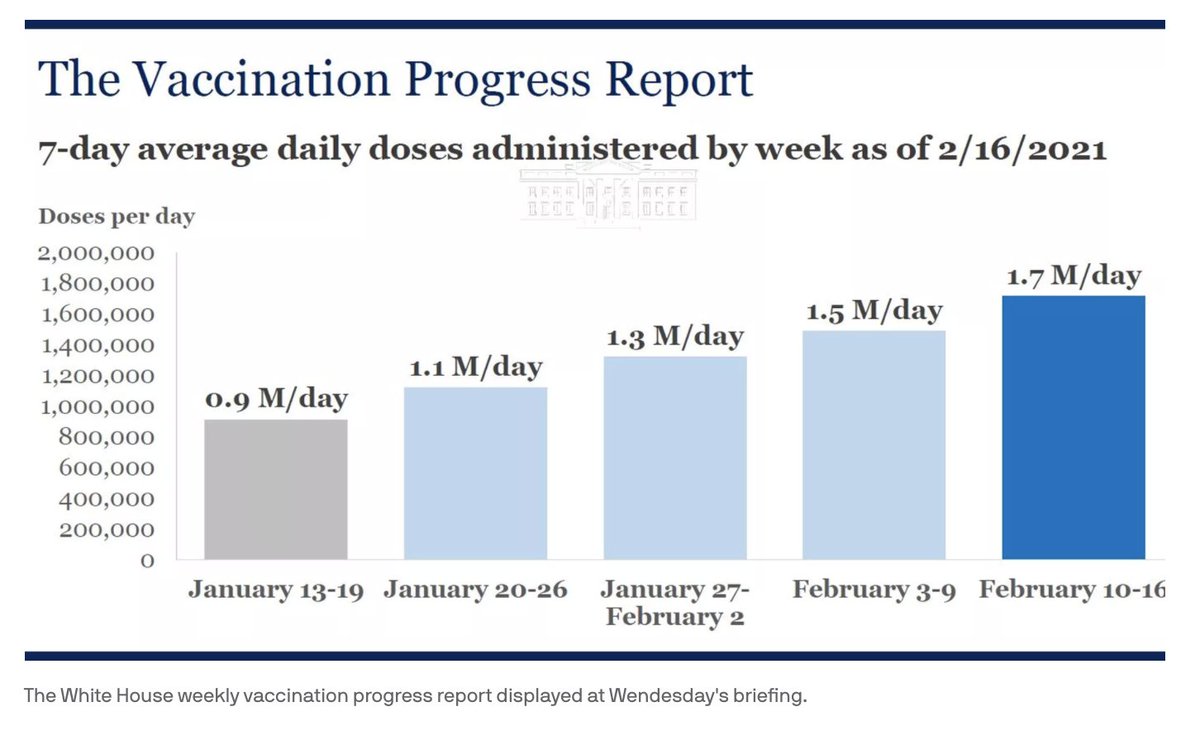
Having spent 2020 telling covid denalists that they were overly optimistic about the pandemic, I now look forward to spending 2021 telling covid maximalists that they are overly pessimistic about the end of the pandemic.
https://t.co/zgrPCnTCeK
https://t.co/T9368fNihk
https://t.co/u4frcQ49Bx
More from Paul Matzko
This is a great question from @HeerJeet and it has very old roots. In my book, I discuss a similar period of anxiety in the 1960s about the possibility of Air Force officers being involved in a coup. Thread.
Given the size of the US military in WW2, afterwards there was a spike in concern that some of these demilitarized veterans would be amenable to radicalization and supportive of insurrection. These fears heightened after the coups in France/Algiers in 1958 and 1961.
This was the peak era of the Cold War, so anti-communist anxiety was layered over top. The Right feared that communist infiltrators in the government would subvert the Republic. The Left feared that anti-communist military officers would launch a preemptive, paranoid coup.
Note as well that the foundation for these fears was rooted in a novel concept that journalist Edward Hunter had recently coined, "brainwashing." The idea was that US POWs held by North Korea had been brainwashed into accepting communism & might act as a fifth column back home.
You can see that particular paranoia in cultural artifacts from the time like "The Manchurian Candidate," novel in 1959 and the hit 1962 movie starring Frank Sinatra and the incomparable Angela Lansbury. Those sneaky commies nearly infiltrated the Oval Office itself, oh no!!
What's the back story about why so many former air force people are coup friendly?
— Jeet Heer (@HeerJeet) January 10, 2021
Given the size of the US military in WW2, afterwards there was a spike in concern that some of these demilitarized veterans would be amenable to radicalization and supportive of insurrection. These fears heightened after the coups in France/Algiers in 1958 and 1961.
This was the peak era of the Cold War, so anti-communist anxiety was layered over top. The Right feared that communist infiltrators in the government would subvert the Republic. The Left feared that anti-communist military officers would launch a preemptive, paranoid coup.
Note as well that the foundation for these fears was rooted in a novel concept that journalist Edward Hunter had recently coined, "brainwashing." The idea was that US POWs held by North Korea had been brainwashed into accepting communism & might act as a fifth column back home.
You can see that particular paranoia in cultural artifacts from the time like "The Manchurian Candidate," novel in 1959 and the hit 1962 movie starring Frank Sinatra and the incomparable Angela Lansbury. Those sneaky commies nearly infiltrated the Oval Office itself, oh no!!
More from Society





Imagine if Christians actually had to live according to their Bibles.
Imagine if Christians actually sacrificed themselves for the good of those they considered their enemies, with no thought of any recompense or reward, but only to honor the essential humanity of all people.
Imagine if Christians sold all their possessions and gave it to the poor.
Imagine if they relentlessly stood up for the widow, the orphan, and the foreigner.
Imagine if they worshipped a God whose response to political power was to reject it.
Or cancelled all debt owed them?
Imagine if the primary orientation of Christians was what others needed, not what they deserved.
Imagine Christians with no interest in protecting what they had.
Imagine Christians who made room for other beliefs, and honored the truths they found there.
Imagine Christians who saved their forgiveness and mercy for others, rather than saving it for themselves.
Whose empathy went first to the abused, not the abuser.
Who didn't see tax as theft; who didn't need to control distribution of public good to the deserving.
"If they start canceling these American presidents, they're gonna come after Bible characters next. Mark my words" -- Fox News "news side" host Bill Hemmer pic.twitter.com/qTPV0NERv8
— Aaron Rupar (@atrupar) February 19, 2021
Imagine if Christians actually sacrificed themselves for the good of those they considered their enemies, with no thought of any recompense or reward, but only to honor the essential humanity of all people.
Imagine if Christians sold all their possessions and gave it to the poor.
Imagine if they relentlessly stood up for the widow, the orphan, and the foreigner.
Imagine if they worshipped a God whose response to political power was to reject it.
Or cancelled all debt owed them?
Imagine if the primary orientation of Christians was what others needed, not what they deserved.
Imagine Christians with no interest in protecting what they had.
Imagine Christians who made room for other beliefs, and honored the truths they found there.
Imagine Christians who saved their forgiveness and mercy for others, rather than saving it for themselves.
Whose empathy went first to the abused, not the abuser.
Who didn't see tax as theft; who didn't need to control distribution of public good to the deserving.