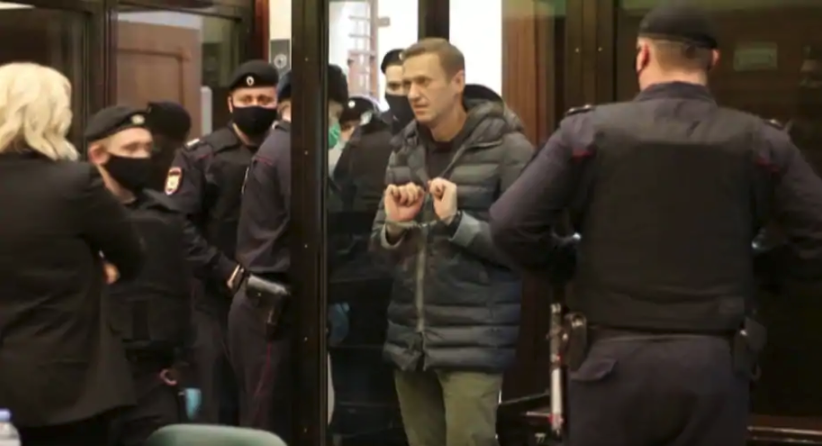
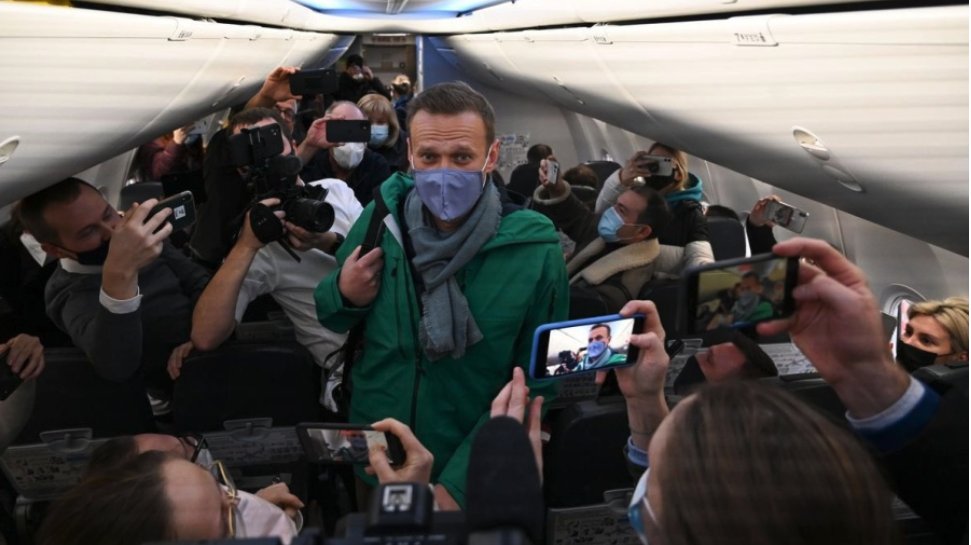
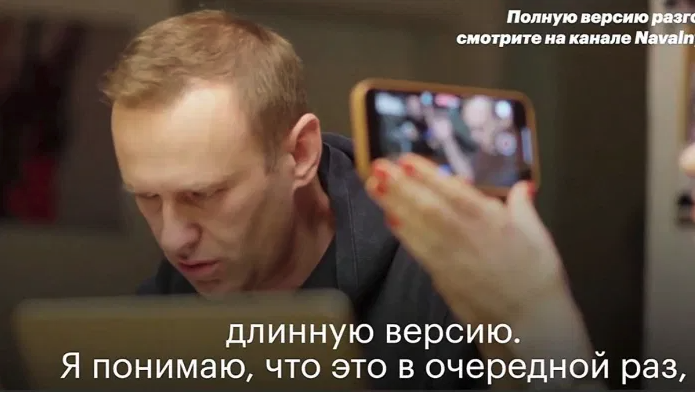
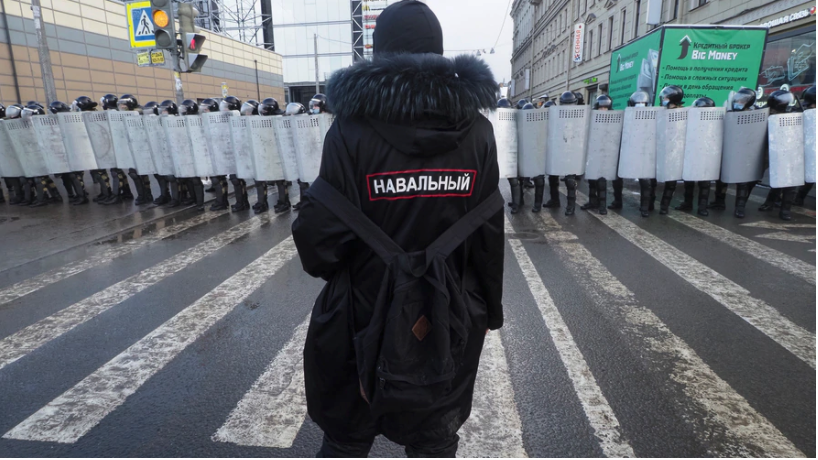
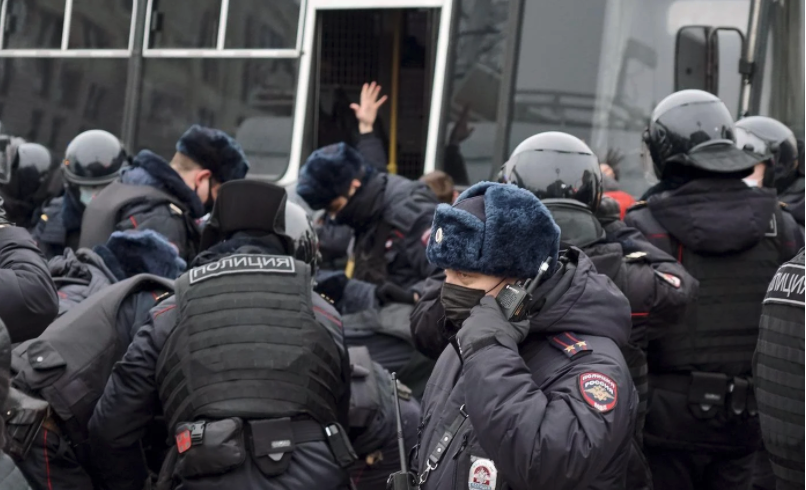
THREAD: A few quick thoughts on #Navalny and why the Kremlin opted for such a harsh sentence. 1/10

More from Society


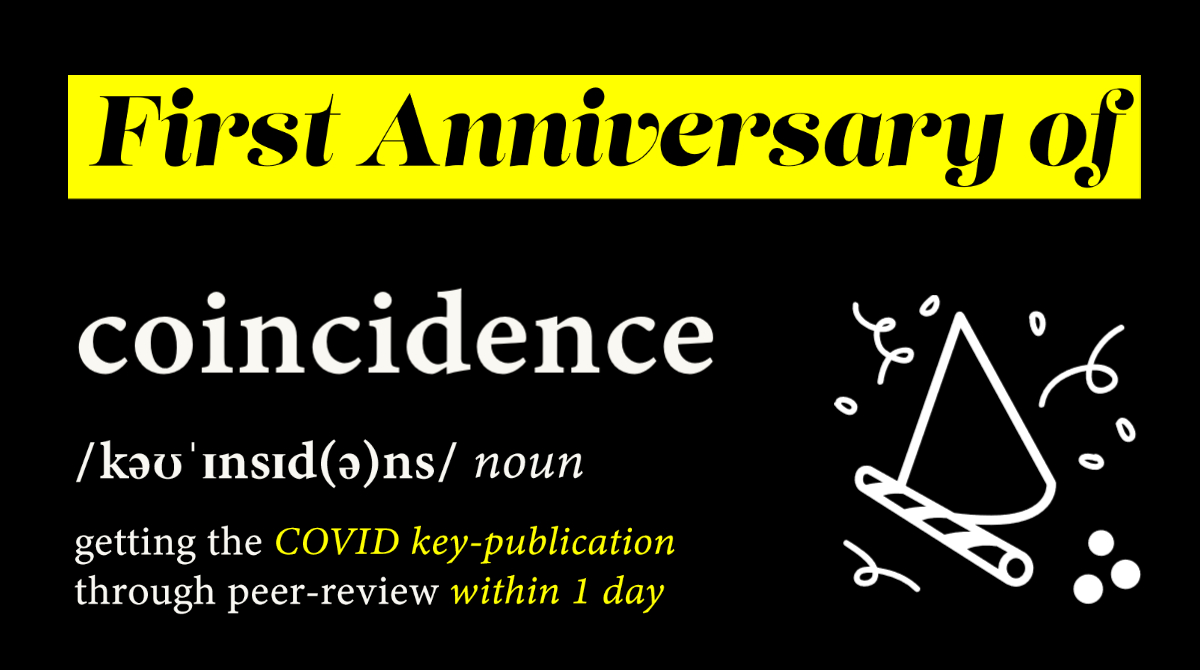
1/ One year of destroyed economies, social isolation & deep social splits calls for an anniversary ⬇️thread ⬇️ to celebrate the RT-qPCR manuscript by Christian Drosten (@c_drosten) & Victor Corman (@vmcorman), submitted on 21st Jan 2020 to @Eurosurveillanc. #UnbiasedScience
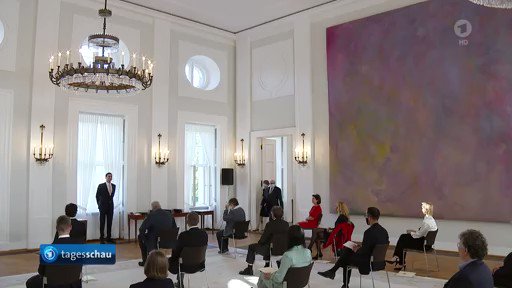
2/ Before this very publication, virologists were neither treated like superstars, nor were they considered icons or half-gods. In 2009, Drosten almost succeeded in installing the false premise virology could supersede holistic medical sciences as discussed in this thread.
3/ Drosten is a virologist. He neither has any background in epidemiology, nor has he ever worked in the civil service. He also doesn’t have a background in public health. Yet he and his colleagues affect our daily lives to the level of whom to meet up or how to flush the toilet.

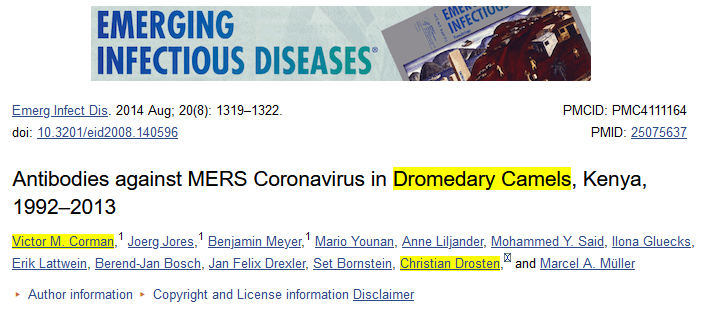
4/ Before January 2020, Drosten and Corman were common virologists at Charité Berlin, whenever they were not involved in economic implications (https://t.co/UTDwG8U7Du). Other than that, they looked at coronaviruses in dromedary calves in the Middle East or Africa. 😍 #cute
5/ Finally in Jan 2020, the published paper laid the theoretical grounds for the current pandemic, the RT-qPCR mass testing-religion, for which he was awarded his second German Federal Cross of Merit (he received the first one in 2005 for developing the SARS-CoV PCR test).
2/ Before this very publication, virologists were neither treated like superstars, nor were they considered icons or half-gods. In 2009, Drosten almost succeeded in installing the false premise virology could supersede holistic medical sciences as discussed in this thread.
3/ Drosten is a virologist. He neither has any background in epidemiology, nor has he ever worked in the civil service. He also doesn’t have a background in public health. Yet he and his colleagues affect our daily lives to the level of whom to meet up or how to flush the toilet.
4/ Before January 2020, Drosten and Corman were common virologists at Charité Berlin, whenever they were not involved in economic implications (https://t.co/UTDwG8U7Du). Other than that, they looked at coronaviruses in dromedary calves in the Middle East or Africa. 😍 #cute
5/ Finally in Jan 2020, the published paper laid the theoretical grounds for the current pandemic, the RT-qPCR mass testing-religion, for which he was awarded his second German Federal Cross of Merit (he received the first one in 2005 for developing the SARS-CoV PCR test).


You May Also Like


1/“What would need to be true for you to….X”
Why is this the most powerful question you can ask when attempting to reach an agreement with another human being or organization?
A thread, co-written by @deanmbrody:
2/ First, “X” could be lots of things. Examples: What would need to be true for you to
- “Feel it's in our best interest for me to be CMO"
- “Feel that we’re in a good place as a company”
- “Feel that we’re on the same page”
- “Feel that we both got what we wanted from this deal
3/ Normally, we aren’t that direct. Example from startup/VC land:
Founders leave VC meetings thinking that every VC will invest, but they rarely do.
Worse over, the founders don’t know what they need to do in order to be fundable.
4/ So why should you ask the magic Q?
To get clarity.
You want to know where you stand, and what it takes to get what you want in a way that also gets them what they want.
It also holds them (mentally) accountable once the thing they need becomes true.
5/ Staying in the context of soliciting investors, the question is “what would need to be true for you to want to invest (or partner with us on this journey, etc)?”
Multiple responses to this question are likely to deliver a positive result.
Why is this the most powerful question you can ask when attempting to reach an agreement with another human being or organization?
A thread, co-written by @deanmbrody:
Next level tactic when closing a sale, candidate, or investment:
— Erik Torenberg (@eriktorenberg) February 27, 2018
Ask: \u201cWhat needs to be true for you to be all in?\u201d
You'll usually get an explicit answer that you might not get otherwise. It also holds them accountable once the thing they need becomes true.
2/ First, “X” could be lots of things. Examples: What would need to be true for you to
- “Feel it's in our best interest for me to be CMO"
- “Feel that we’re in a good place as a company”
- “Feel that we’re on the same page”
- “Feel that we both got what we wanted from this deal
3/ Normally, we aren’t that direct. Example from startup/VC land:
Founders leave VC meetings thinking that every VC will invest, but they rarely do.
Worse over, the founders don’t know what they need to do in order to be fundable.
4/ So why should you ask the magic Q?
To get clarity.
You want to know where you stand, and what it takes to get what you want in a way that also gets them what they want.
It also holds them (mentally) accountable once the thing they need becomes true.
5/ Staying in the context of soliciting investors, the question is “what would need to be true for you to want to invest (or partner with us on this journey, etc)?”
Multiple responses to this question are likely to deliver a positive result.

Neo-nazi group #PatriotFront held a photo op in #Chicago last weekend & is currently marching around #DC so it's as good time as any to compile a list of their identified members for folks to watch for
Who are these chuds?
Patriot Front broke away from white nationalist org Vanguard America following #unitetheright in #charlottesville after James Alex Fields was seen with a VA shield before driving his car into a crowd, murdering Heather Heyer & injuring dozens of others
Syed Robbie Javid a.k.a. Sayed Robbie Javid or Robbie Javid of Alexandria,
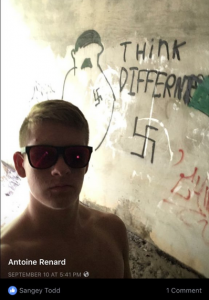
Antoine Bernard Renard (a.k.a. “Charlemagne MD” on Discord) from Rockville, MD.
https://t.co/ykEjdZFDi6
Brandon Troy Higgs, 25, from Reisterstown,
Who are these chuds?
Patriot Front broke away from white nationalist org Vanguard America following #unitetheright in #charlottesville after James Alex Fields was seen with a VA shield before driving his car into a crowd, murdering Heather Heyer & injuring dozens of others
Syed Robbie Javid a.k.a. Sayed Robbie Javid or Robbie Javid of Alexandria,
Happy Monday everyone :-) Let's ring in September by reacquainting ourselves with Virginia neo-Nazi and NSC Dixie affiliate Sayed "Robbie" Javid, now known by "Reform the States". Robbie is an explicitly genocidal neo-Nazi, so lets get to know him a bit better!
— Garfield but Anti-Fascist (@AntifaGarfield) August 31, 2020
CW on this thread pic.twitter.com/3gzxrIo9HD
Antoine Bernard Renard (a.k.a. “Charlemagne MD” on Discord) from Rockville, MD.
https://t.co/ykEjdZFDi6
Brandon Troy Higgs, 25, from Reisterstown,