
If you’ll indulge, a bit of a thread on the 10th anniversary of the Sunday Tribune closing. This morning 10 years ago I was sitting in the Spar on Talbot Street with @pjcunningham1 as we planned a three-week trip to the States. 1/?

More from Society


Sandbank Danger, A Thread

Controversy Has Been Caused By The Digging Of A Narrow Channel By A Resort On A Sandbank Near K. Hinmafushi.

Hinmafushi Council President Shan Ibrahim Stated To Sun That The Resort, Which Dug The Trench Creating A River On The Sandbank, Did Not Have Ownership Over The Sandbank.
Officials From The Island Of Hinmafushi Had Traveled To The Sandbank To Stop The Process Of Digging The Trench When They Became Aware Of It, Said Shan.
Officials Were Now Redepositing The Sand Removed From The Sandbank.
Controversy Has Been Caused By The Digging Of A Narrow Channel By A Resort On A Sandbank Near K. Hinmafushi.
Hinmafushi Council President Shan Ibrahim Stated To Sun That The Resort, Which Dug The Trench Creating A River On The Sandbank, Did Not Have Ownership Over The Sandbank.
Officials From The Island Of Hinmafushi Had Traveled To The Sandbank To Stop The Process Of Digging The Trench When They Became Aware Of It, Said Shan.
Officials Were Now Redepositing The Sand Removed From The Sandbank.
— Ahmed Aznil (@AhmedAznil) January 21, 2021





You May Also Like


The YouTube algorithm that I helped build in 2011 still recommends the flat earth theory by the *hundreds of millions*. This investigation by @RawStory shows some of the real-life consequences of this badly designed AI.
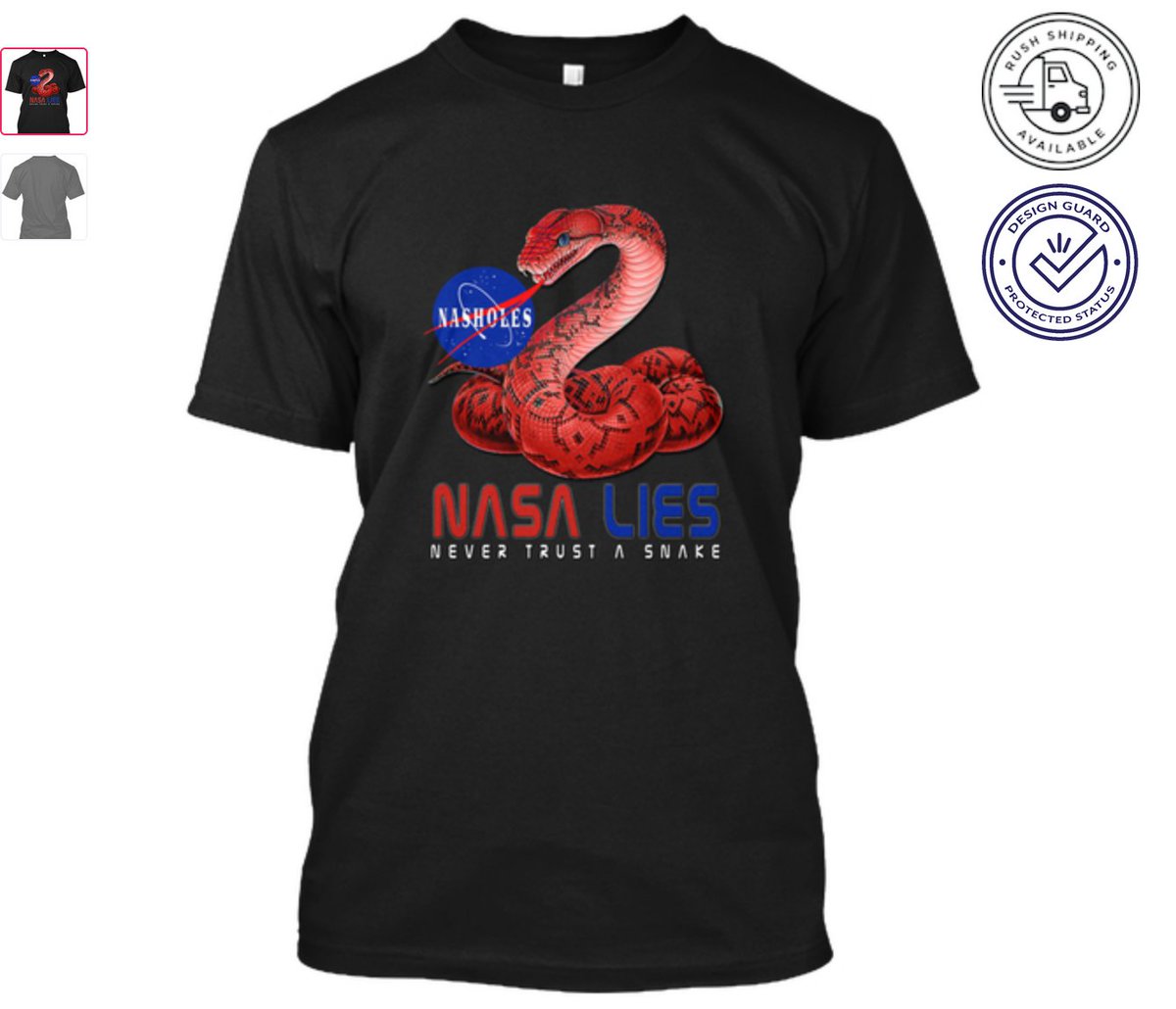
This spring at SxSW, @SusanWojcicki promised "Wikipedia snippets" on debated videos. But they didn't put them on flat earth videos, and instead @YouTube is promoting merchandising such as "NASA lies - Never Trust a Snake". 2/
A few example of flat earth videos that were promoted by YouTube #today:
https://t.co/TumQiX2tlj 3/
https://t.co/uAORIJ5BYX 4/
https://t.co/yOGZ0pLfHG 5/
Flat Earth conference attendees explain how they have been brainwashed by YouTube and Infowarshttps://t.co/gqZwGXPOoc
— Raw Story (@RawStory) November 18, 2018
This spring at SxSW, @SusanWojcicki promised "Wikipedia snippets" on debated videos. But they didn't put them on flat earth videos, and instead @YouTube is promoting merchandising such as "NASA lies - Never Trust a Snake". 2/
A few example of flat earth videos that were promoted by YouTube #today:
https://t.co/TumQiX2tlj 3/
https://t.co/uAORIJ5BYX 4/
https://t.co/yOGZ0pLfHG 5/


Recently, the @CNIL issued a decision regarding the GDPR compliance of an unknown French adtech company named "Vectaury". It may seem like small fry, but the decision has potential wide-ranging impacts for Google, the IAB framework, and today's adtech. It's thread time! 👇
It's all in French, but if you're up for it you can read:
• Their blog post (lacks the most interesting details): https://t.co/PHkDcOT1hy
• Their high-level legal decision: https://t.co/hwpiEvjodt
• The full notification: https://t.co/QQB7rfynha
I've read it so you needn't!
Vectaury was collecting geolocation data in order to create profiles (eg. people who often go to this or that type of shop) so as to power ad targeting. They operate through embedded SDKs and ad bidding, making them invisible to users.
The @CNIL notes that profiling based off of geolocation presents particular risks since it reveals people's movements and habits. As risky, the processing requires consent — this will be the heart of their assessment.
Interesting point: they justify the decision in part because of how many people COULD be targeted in this way (rather than how many have — though they note that too). Because it's on a phone, and many have phones, it is considered large-scale processing no matter what.
It's all in French, but if you're up for it you can read:
• Their blog post (lacks the most interesting details): https://t.co/PHkDcOT1hy
• Their high-level legal decision: https://t.co/hwpiEvjodt
• The full notification: https://t.co/QQB7rfynha
I've read it so you needn't!
Vectaury was collecting geolocation data in order to create profiles (eg. people who often go to this or that type of shop) so as to power ad targeting. They operate through embedded SDKs and ad bidding, making them invisible to users.
The @CNIL notes that profiling based off of geolocation presents particular risks since it reveals people's movements and habits. As risky, the processing requires consent — this will be the heart of their assessment.
Interesting point: they justify the decision in part because of how many people COULD be targeted in this way (rather than how many have — though they note that too). Because it's on a phone, and many have phones, it is considered large-scale processing no matter what.