NOTE:

If you see papers/media that show very low sensitivity for rapid Ag tests (i.e. 30%-60% sensitivity) the report is most likely making a common mistake:

Comparing a test meant to detect viable virus to a test that can detect minuscule amounts of RNA is a mistake.

1/x

PCR RNA stays around long after live virus is cleared

So if you see a paper that shows very low sensitivity, ask:

"Are they comparing rapid antigen tests to "anytime" PCR RNA positivity? (Especially studies asking about sensitivity among asymptomatics)

2/x
To interpret this, you should know that only 25%-40% of the time someone is PCR positive are they infectious w live virus.

So... even a test that is 100% sensitive for live virus should only show a 25%-40% sensitivity against PCR among asymptomatic people.

3/x
(For various more epidemiologically complicated reasons having to do with the growth or decay rate of the epidemic, the sensitivity range is actually more like 30% - 60%... but that's for another tweet sometime)...

But to interpret studies of rapid antigen tests...
4/x
Simply put... If you see reports of rapid antigen tests "only" 30% - 60% sensitivity in asymptomatics (vs PCR) - you should think:

"Great! That could well be an exceptional test with sensitivity as high ~905-100% sensitive for likely contagious virus - and its rapid!"

5/x
This is too important to allow yourself to be misguided.

So, unfortunately here, don't always believe scientific papers

You have to ask "Why is the test being done?"

If it is to detect asymptomatic contagious people, then know that comparing vs. PCR is misleading.

6/6
Also, PLEASE don't look only at Ct values against Rapid Ag tests. Need a way to understand what each Ct represents. Some platforms run ~8 Cts lower than CDC / WHO assays. This means that every platform needs to be considered individually. Can Not just say "Ct < 30" = "live virus"
We are finding that whole platforms consistently run low. TaqPath it seems runs low for instance.

So in that case, a Ct of 23 may be more like a Ct of 29/30. This was the case in Liverpool and I believe recently a JCM paper looking at BinaxNOW among asymptomatics in Utah.
Also this: https://t.co/KgmLcvVlS5

More from Society

global health policy in 2020 has centered around NPI's (non-pharmaceutical interventions) like distancing, masks, school closures

these have been sold as a way to stop infection as though this were science.

this was never true and that fact was known and knowable.

let's look.


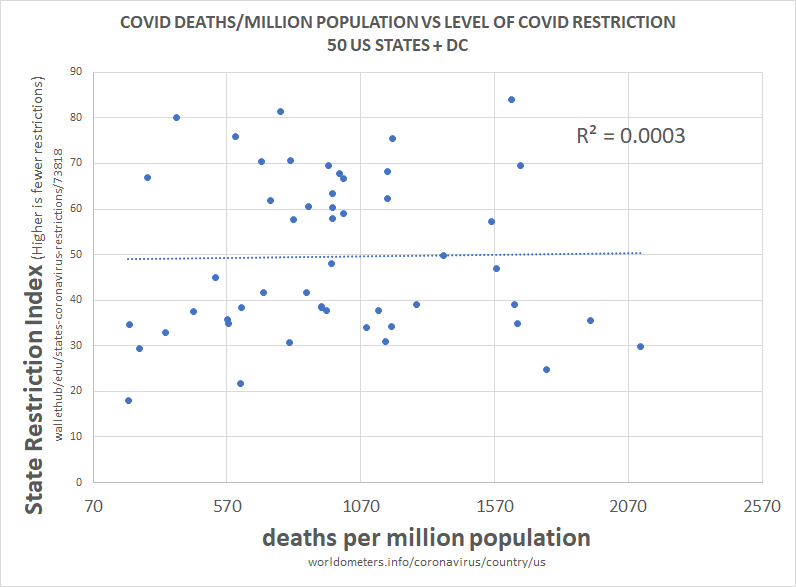
above is the plot of social restriction and NPI vs total death per million. there is 0 R2. this means that the variables play no role in explaining one another.

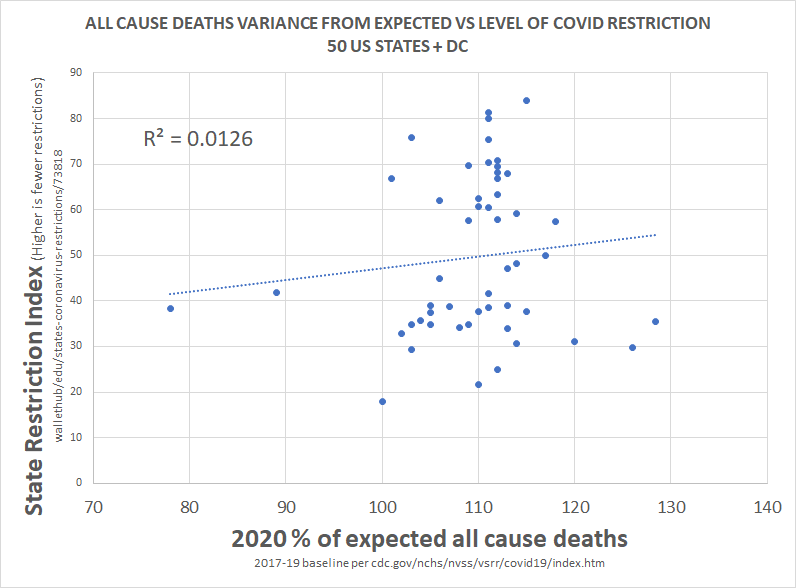
we can see this same relationship between NPI and all cause deaths.

this is devastating to the case for NPI.


clearly, correlation is not proof of causality, but a total lack of correlation IS proof that there was no material causality.

barring massive and implausible coincidence, it's essentially impossible to cause something and not correlate to it, especially 51 times.

this would seem to pose some very serious questions for those claiming that lockdowns work, those basing policy upon them, and those claiming this is the side of science.

there is no science here nor any data. this is the febrile imaginings of discredited modelers.

this has been clear and obvious from all over the world since the beginning and had been proven so clearly by may that it's hard to imagine anyone who is actually conversant with the data still believing in these responses.

everyone got the same R

You May Also Like

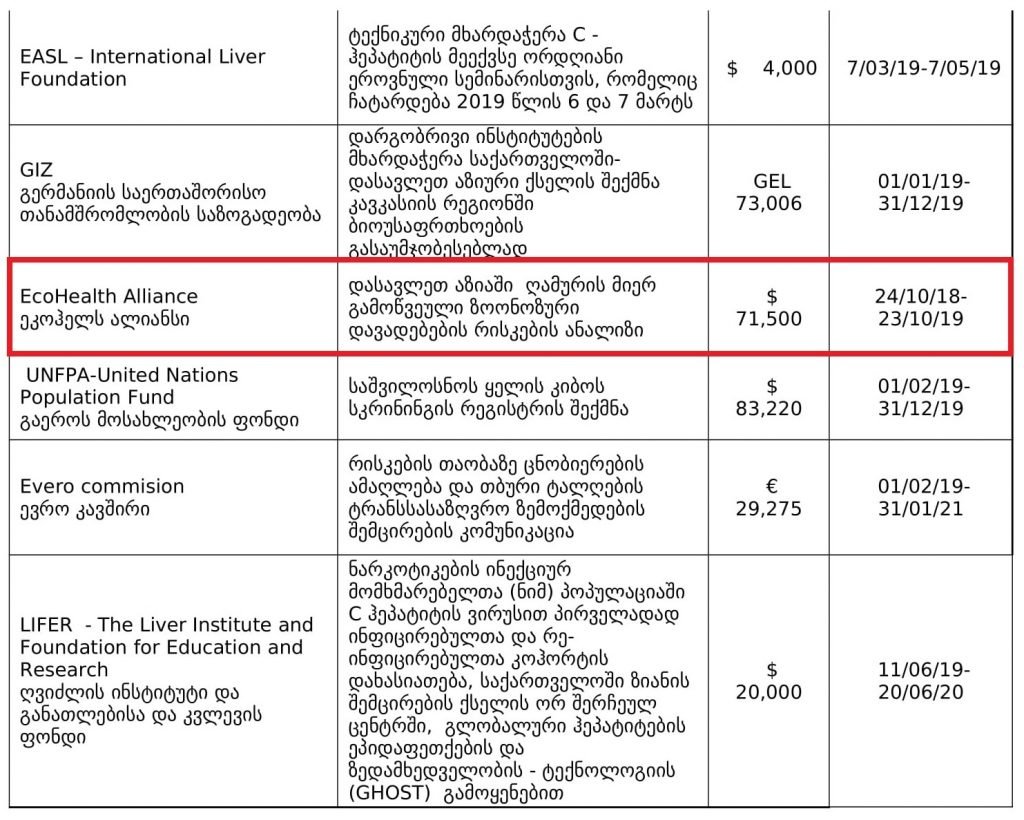
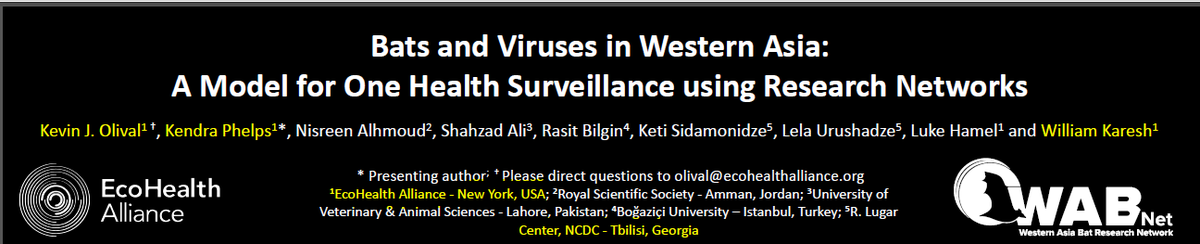
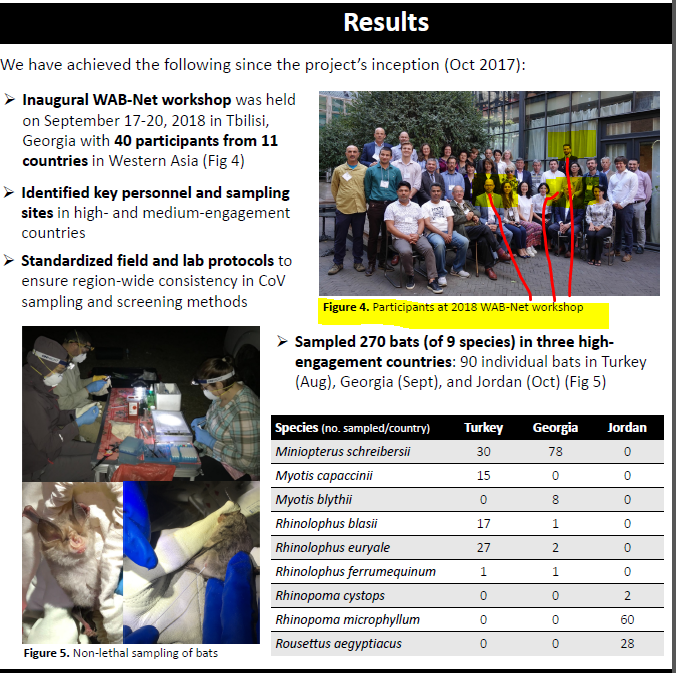
1. Project 1742 (EcoHealth/DTRA)
Risks of bat-borne zoonotic diseases in Western Asia

Duration: 24/10/2018-23 /10/2019

Funding: $71,500
@dgaytandzhieva
https://t.co/680CdD8uug


2. Bat Virus Database
Access to the database is limited only to those scientists participating in our ‘Bats and Coronaviruses’ project
Our intention is to eventually open up this database to the larger scientific community
https://t.co/mPn7b9HM48


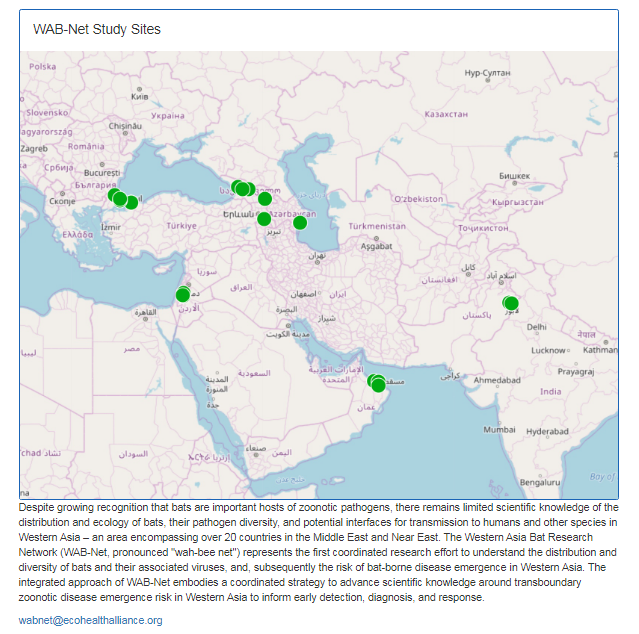
3. EcoHealth Alliance & DTRA Asking for Trouble
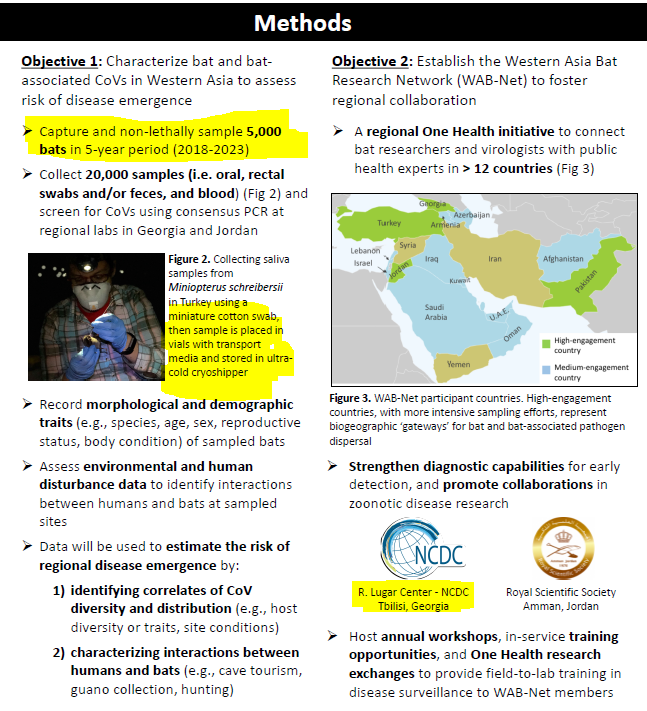
One Health research project focused on characterizing bat diversity, bat coronavirus diversity and the risk of bat-borne zoonotic disease emergence in the region.
https://t.co/u6aUeWBGEN


4. Phelps, Olival, Epstein, Karesh - EcoHealth/DTRA


5, Methods and Expected Outcomes
(Unexpected Outcome = New Coronavirus Pandemic)