Many people are stressed by social media, especially Twitter.
Here is what I do to keep my sanity:
More from Social media


✨📱 iOS 12.1 📱✨
🗓 Release date: October 30, 2018
📝 New Emojis: 158
https://t.co/bx8XjhiCiB
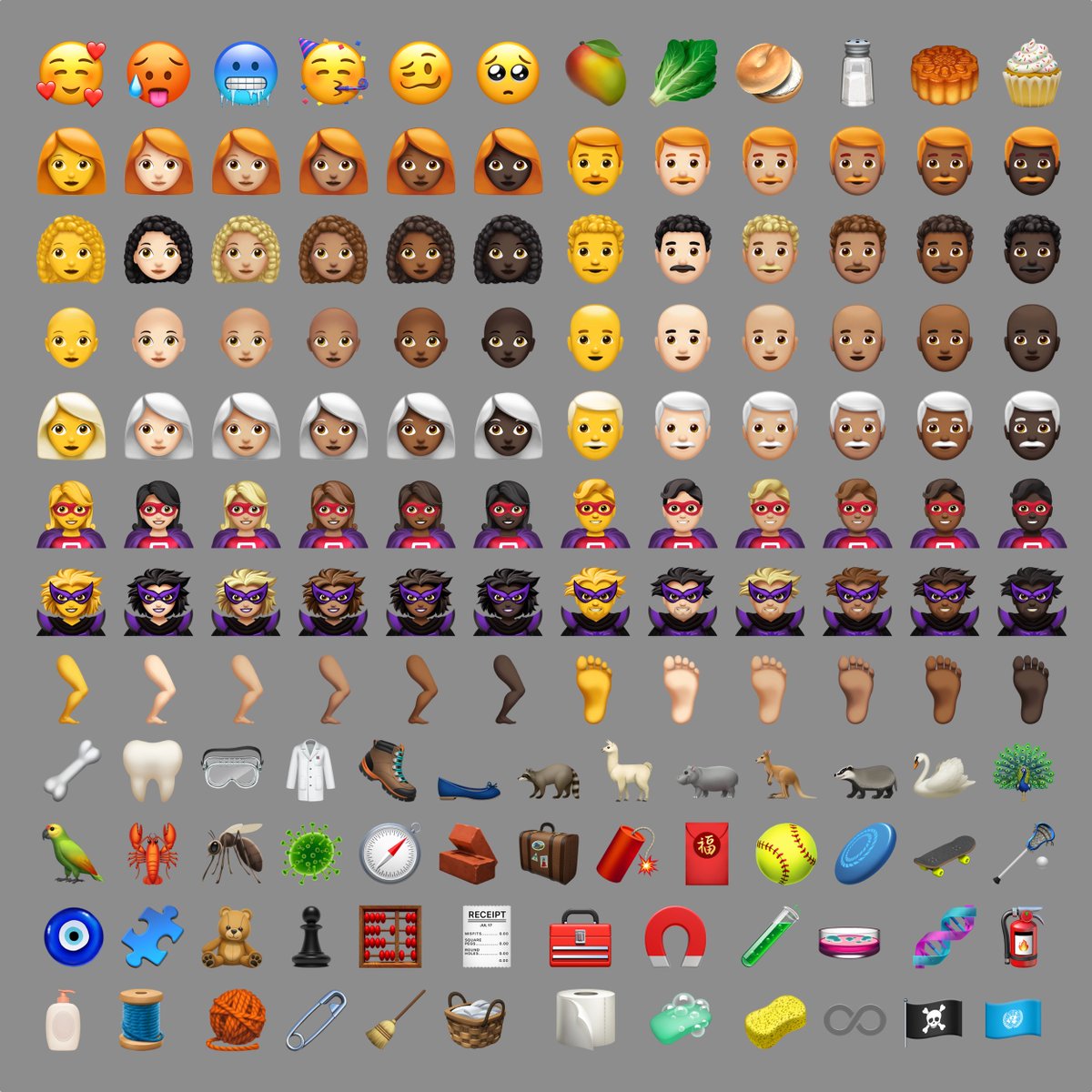
New in iOS 12.1: 🥰 Smiling Face With 3 Hearts https://t.co/6eajdvueip

New in iOS 12.1: 🥵 Hot Face https://t.co/jhTv1elltB
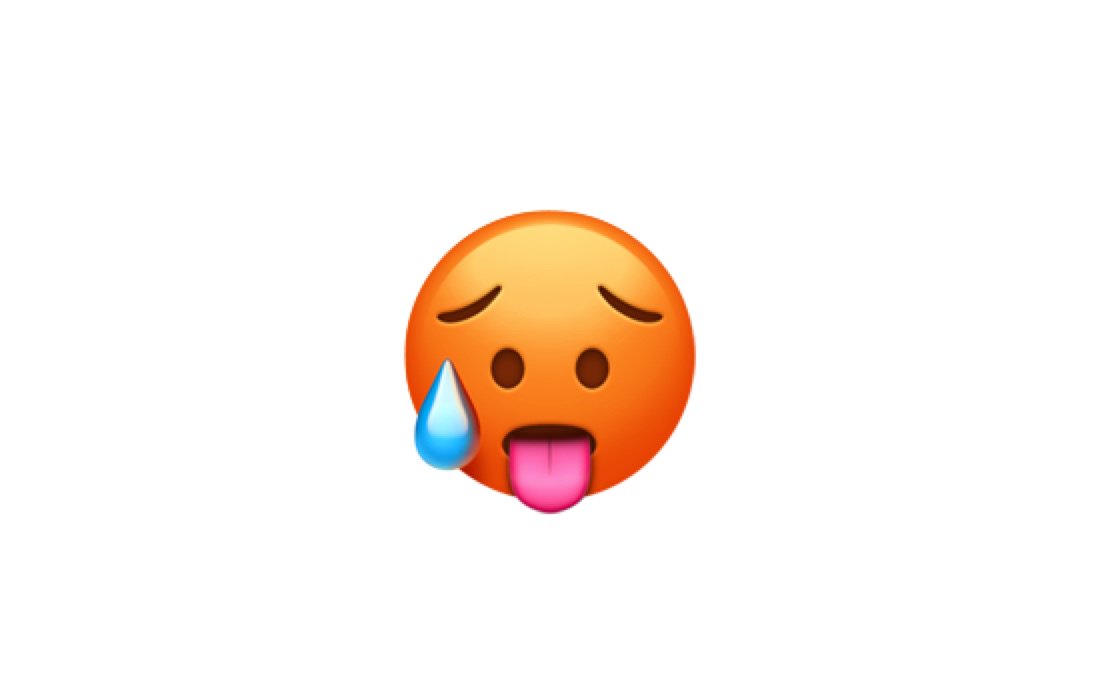
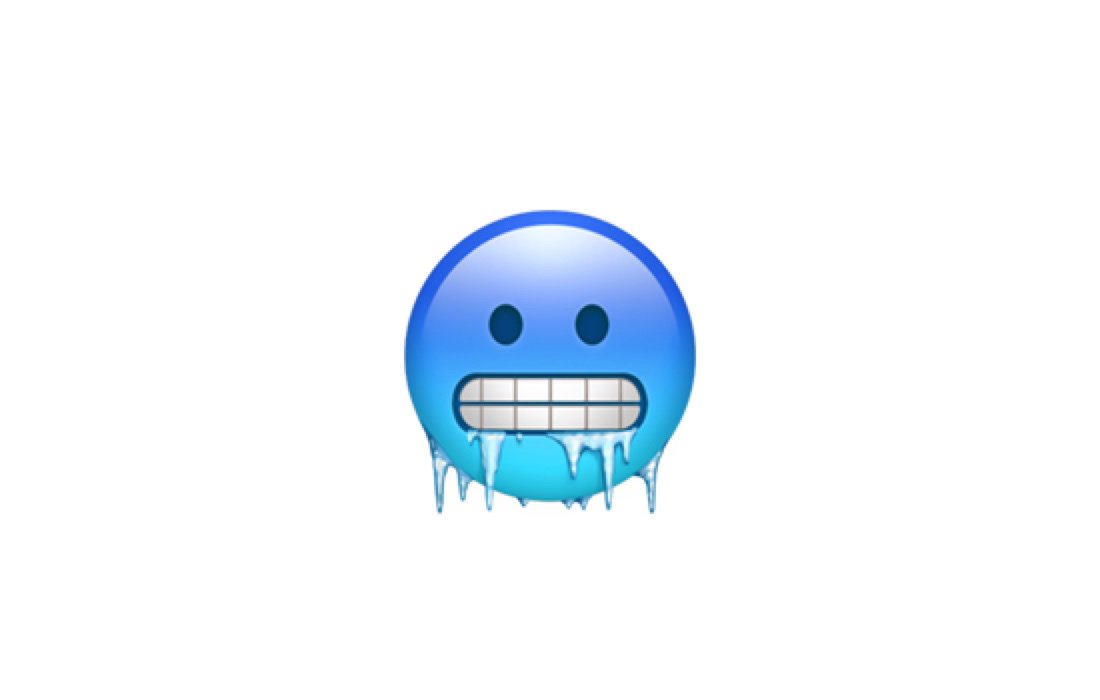
New in iOS 12.1: 🥶 Cold Face https://t.co/EIjyl6yZrF
New in iOS 12.1: 🥳 Partying Face https://t.co/p8FDNEQ3LJ

🗓 Release date: October 30, 2018
📝 New Emojis: 158
https://t.co/bx8XjhiCiB
New in iOS 12.1: 🥰 Smiling Face With 3 Hearts https://t.co/6eajdvueip
New in iOS 12.1: 🥵 Hot Face https://t.co/jhTv1elltB
New in iOS 12.1: 🥶 Cold Face https://t.co/EIjyl6yZrF
New in iOS 12.1: 🥳 Partying Face https://t.co/p8FDNEQ3LJ

Enter the thread if you dare. 😈
We’re counting down 13 of the best ways to Halloween on Snapchat. First up – matching Lens costumes for you and your pet.
https://t.co/J0Zn7CfM1q

Tis the season to slay some ghouls. Grab some friends and dive in to Zombie Rescue Squad from @PikPokGames. How long can you survive?
https://t.co/FC9dvafUiV

Is it even Halloween if you're not FREAKED OUT? Scare yourself silly with a Dead of Night S1 rewatch.
https://t.co/LtoE7yHgaG

Be careful! Things aren’t always what they seem. Our Lenses start off cute, but are filled with spooky surprises!
https://t.co/xq45JlYeQ7

Craving candy early? Our new stickers were made to satisfy your sweet tooth.

We’re counting down 13 of the best ways to Halloween on Snapchat. First up – matching Lens costumes for you and your pet.
https://t.co/J0Zn7CfM1q
Tis the season to slay some ghouls. Grab some friends and dive in to Zombie Rescue Squad from @PikPokGames. How long can you survive?
https://t.co/FC9dvafUiV
Is it even Halloween if you're not FREAKED OUT? Scare yourself silly with a Dead of Night S1 rewatch.
https://t.co/LtoE7yHgaG
Be careful! Things aren’t always what they seem. Our Lenses start off cute, but are filled with spooky surprises!
https://t.co/xq45JlYeQ7
Craving candy early? Our new stickers were made to satisfy your sweet tooth.

So let's check in on "Newsguard," one of the Orwellian groups (e.g., The Atlantic Council) that totally reliable sites like @voxdotcom and @axios use to decide what is "Unreliable" and "fight disinformation."
One example:
OK, so "The Daily Wire" and "https://t.co/oEa89coNak" are unreliable. Fair enough, maybe they are (I don't use either one of them).
So let's look into one of our new official arbiters of "reliability," Newsguard!
What's their advisory board look like?
https://t.co/5N8op70VE1
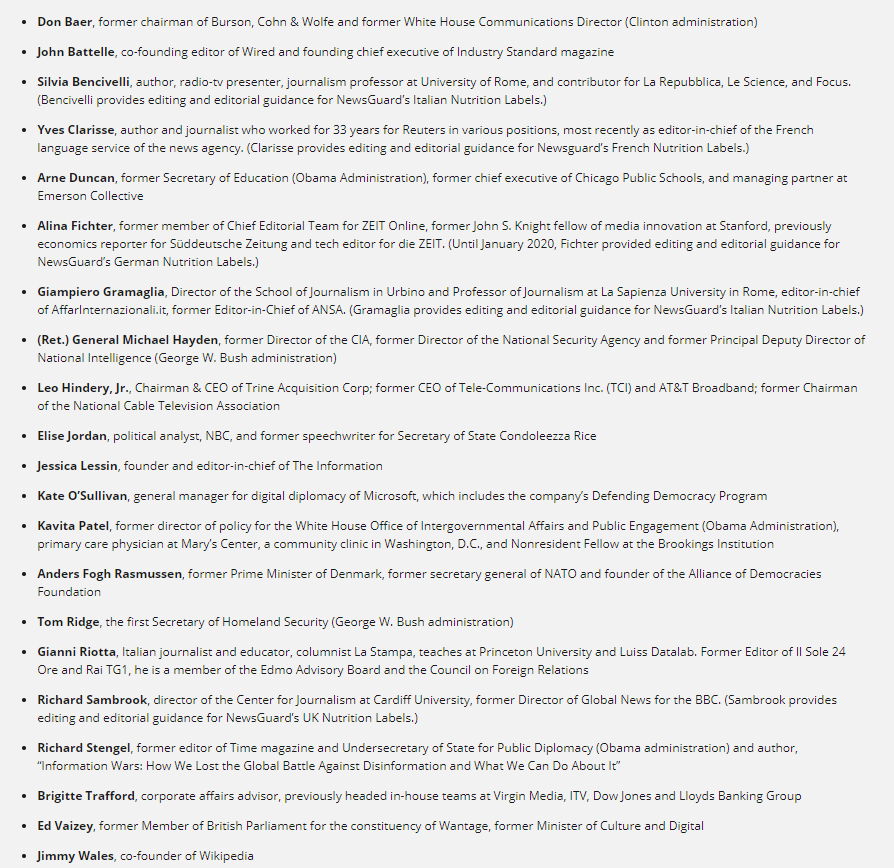
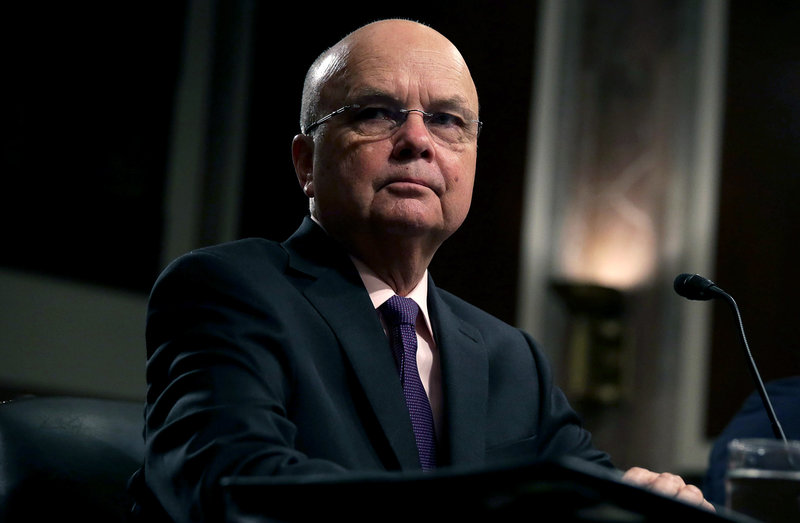
OK, so maybe a few names jumped out at you immediately, like, oh I don't know, (Ret.) General Michael Hayden, former Director of the CIA AND former Director of the National Security Agency in the run-up to the Iraq War in 2003! Google him, he's famous!
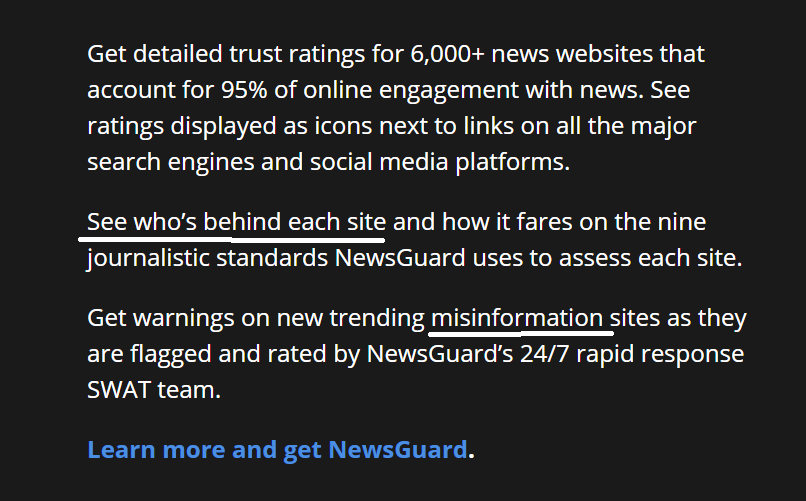
Newsguard is all about "seeing who's behind each site," (like how Michael Hayden is behind Newsguard?)
All they want to do is fight "misinformation." That's laudable, right?
Also, Newsguard has a "24/7 rapid response SWAT TEAM!!"
So cool!
https://t.co/EDN3UXvBR9
Ok, I'm not a journalist or a former CIA director, so I have no idea what's true or not unless someone tells me, so hey, Columbia Journalism Review - what do you think of Newsguard Advisory Board Member Michael Hayden?
One example:
OK, so "The Daily Wire" and "https://t.co/oEa89coNak" are unreliable. Fair enough, maybe they are (I don't use either one of them).
So let's look into one of our new official arbiters of "reliability," Newsguard!
What's their advisory board look like?
https://t.co/5N8op70VE1
OK, so maybe a few names jumped out at you immediately, like, oh I don't know, (Ret.) General Michael Hayden, former Director of the CIA AND former Director of the National Security Agency in the run-up to the Iraq War in 2003! Google him, he's famous!
Newsguard is all about "seeing who's behind each site," (like how Michael Hayden is behind Newsguard?)
All they want to do is fight "misinformation." That's laudable, right?
Also, Newsguard has a "24/7 rapid response SWAT TEAM!!"
So cool!
https://t.co/EDN3UXvBR9
Ok, I'm not a journalist or a former CIA director, so I have no idea what's true or not unless someone tells me, so hey, Columbia Journalism Review - what do you think of Newsguard Advisory Board Member Michael Hayden?