
SEQUENT SCIENTIFIC :
++++++++++++++++
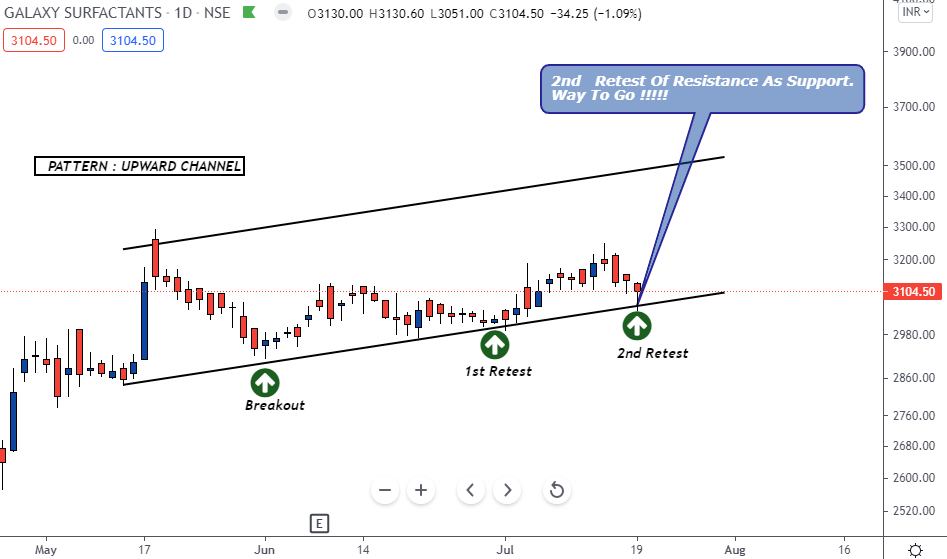
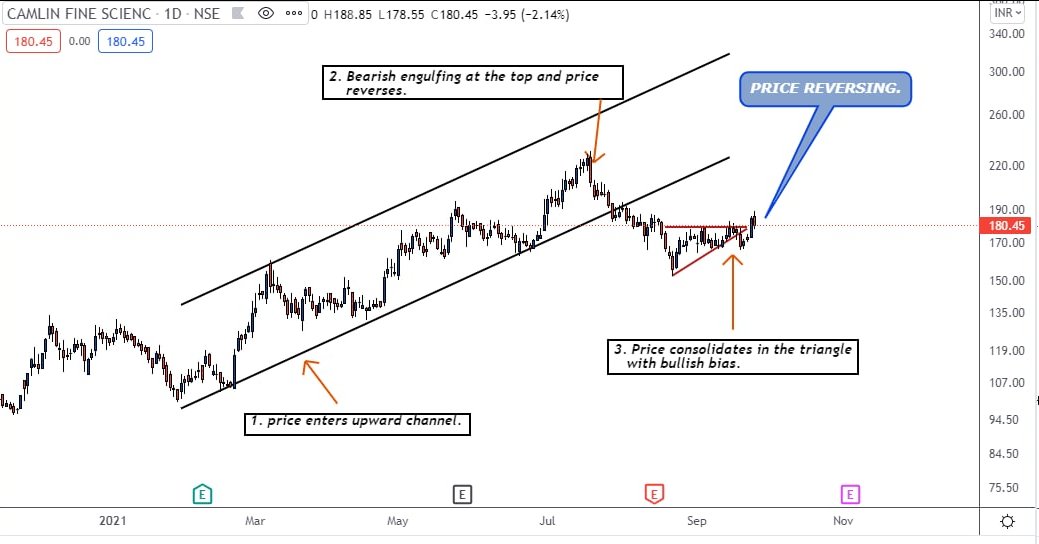
Price moving in a upward channel. Gets halted
by the coflunce and moves in a trading range.
Price at key weekly support with narrow spread
and falling volumes.
Upside of 20 - 30 %
#pricenpedia #stockmarket

More from priceNpedia



More from Sequent




Cause everyone wanted to buy it at 300+ and no one wants to buy it at 200
Market is short sighted and loves to buy high and sell low
Sequent is a long gestation stock, it won't deliver it's real earnings until FY23-25
Not suitable investment for those who want 100% return/yr
https://t.co/7ytUeSd7gg
Market is short sighted and loves to buy high and sell low
Sequent is a long gestation stock, it won't deliver it's real earnings until FY23-25
Not suitable investment for those who want 100% return/yr
@itsTarH hey Tariq, any idea why is Sequent falling?
— Vivek (@pa_stock) September 27, 2021
https://t.co/7ytUeSd7gg
Don't expect the earnings to go anywhere till FY23.
— Tar \u26a1 (@itsTarH) August 10, 2021
Real growth will only come post FY24.
I expect the stock to either correct or stay muted till then. https://t.co/lUQfzxojTO




You May Also Like











I just finished Eric Adler's The Battle of the Classics, and wanted to say something about Joel Christiansen's review linked below. I am not sure what motivates the review (I speculate a bit below), but it gives a very misleading impression of the book. 1/x
The meat of the criticism is that the history Adler gives is insufficiently critical. Adler describes a few figures who had a great influence on how the modern US university was formed. It's certainly critical: it focuses on the social Darwinism of these figures. 2/x
Other insinuations and suggestions in the review seem wildly off the mark, distorted, or inappropriate-- for example, that the book is clickbaity (it is scholarly) or conservative (hardly) or connected to the events at the Capitol (give me a break). 3/x
The core question: in what sense is classics inherently racist? Classics is old. On Adler's account, it begins in ancient Rome and is revived in the Renaissance. Slavery (Christiansen's primary concern) is also very old. Let's say classics is an education for slaveowners. 4/x
It's worth remembering that literacy itself is elite throughout most of this history. Literacy is, then, also the education of slaveowners. We can honor oral and musical traditions without denying that literacy is, generally, good. 5/x
As someone\u2019s who\u2019s read the book, this review strikes me as tremendously unfair. It mostly faults Adler for not writing the book the reviewer wishes he had! https://t.co/pqpt5Ziivj
— Teresa M. Bejan (@tmbejan) January 12, 2021
The meat of the criticism is that the history Adler gives is insufficiently critical. Adler describes a few figures who had a great influence on how the modern US university was formed. It's certainly critical: it focuses on the social Darwinism of these figures. 2/x
Other insinuations and suggestions in the review seem wildly off the mark, distorted, or inappropriate-- for example, that the book is clickbaity (it is scholarly) or conservative (hardly) or connected to the events at the Capitol (give me a break). 3/x
The core question: in what sense is classics inherently racist? Classics is old. On Adler's account, it begins in ancient Rome and is revived in the Renaissance. Slavery (Christiansen's primary concern) is also very old. Let's say classics is an education for slaveowners. 4/x
It's worth remembering that literacy itself is elite throughout most of this history. Literacy is, then, also the education of slaveowners. We can honor oral and musical traditions without denying that literacy is, generally, good. 5/x