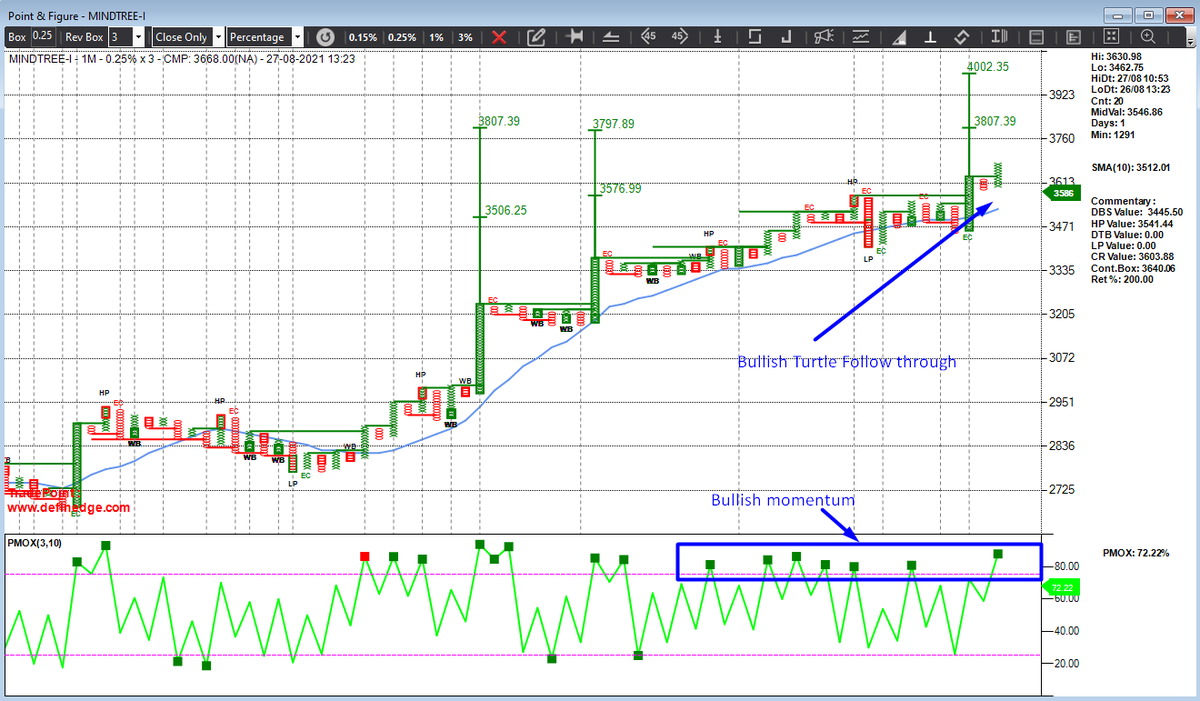
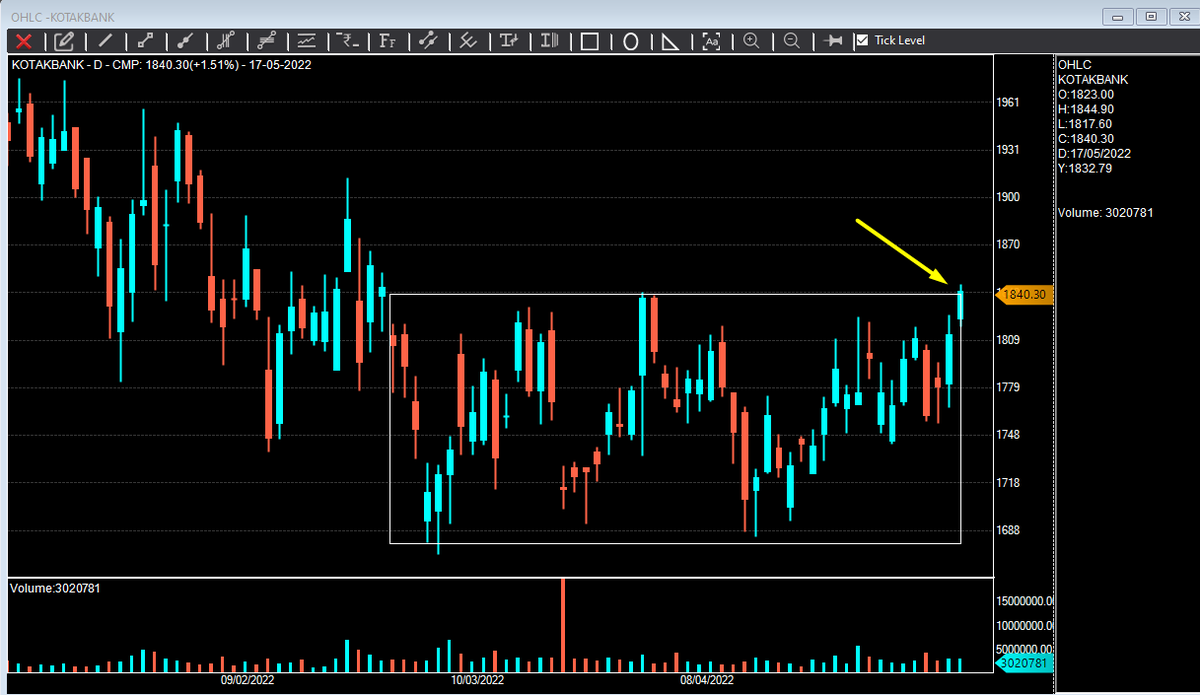
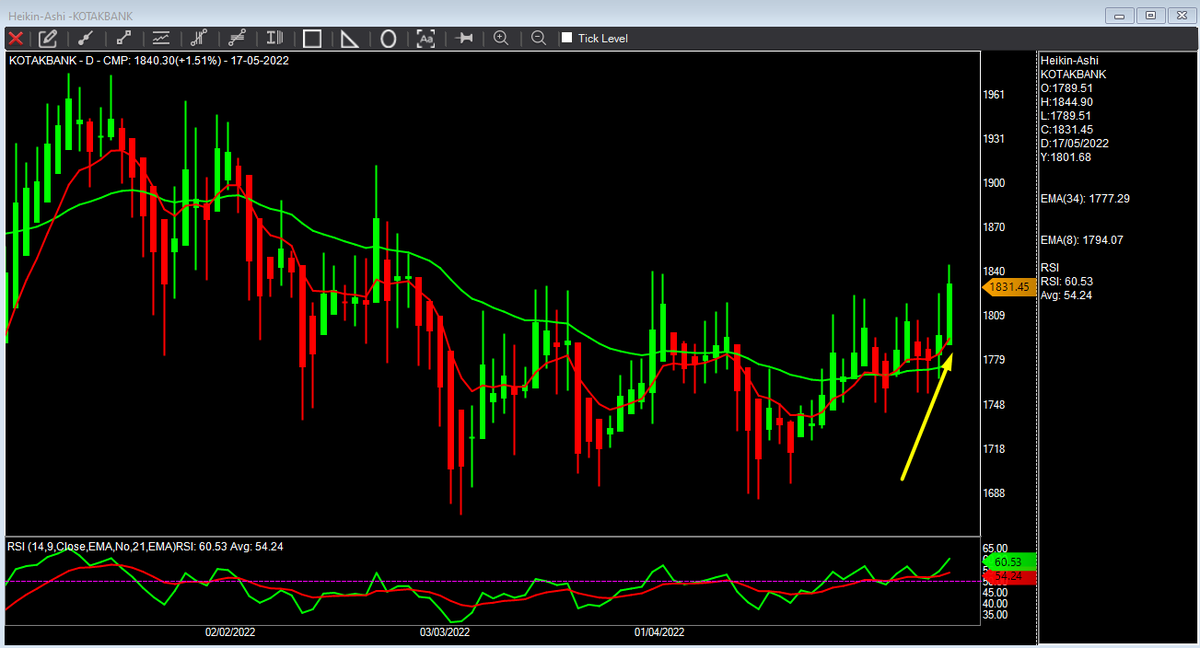
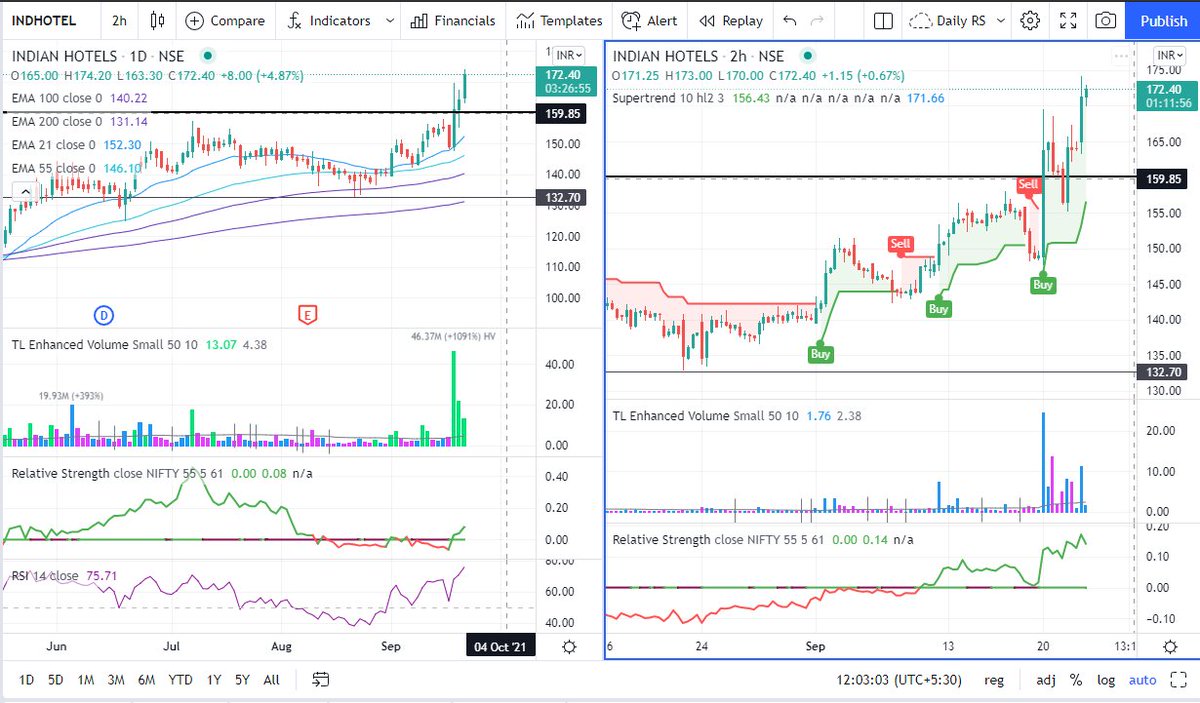
* Multicolumn BO
* Bullish Broadening
* 100% pole
* Turtle BO
#WatchList for tomorrow - in case Nifty is bullish, I will be interested in the following stocks for long trades. They are relatively stronger in Nifty50 Index pic.twitter.com/9ZKlJWJaBE
— DTBhat (@dtbhat) March 15, 2022
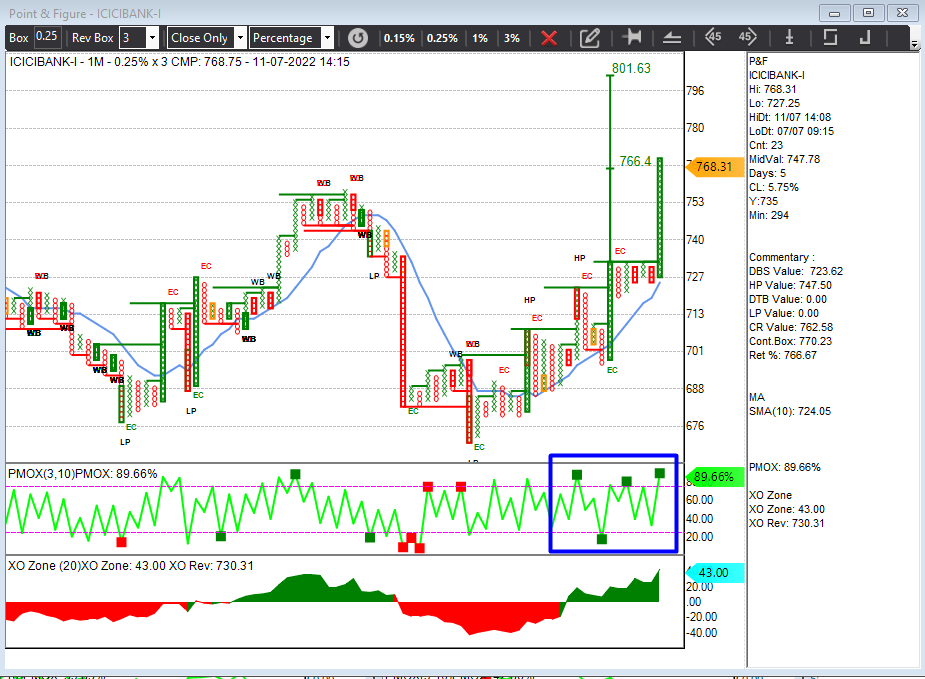
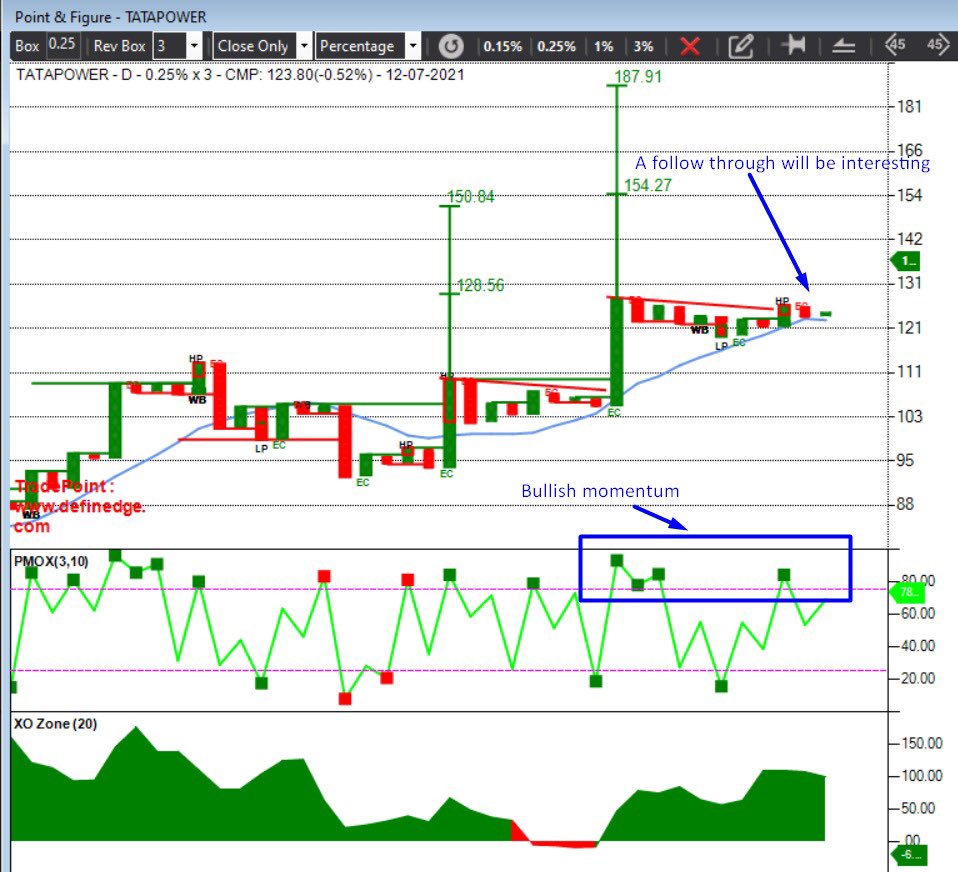
#ICICIBANK chart is interesting.
— DTBhat (@dtbhat) July 10, 2022
On Renko charts - probable multi brick breakout on higher box size (3%) above 774 (on closing basis)
On P&F charts (3% boxsize) a probable triple top buy above 774
On shorter TF closing above 774 gives a close above 45 degree TL https://t.co/2xq4xumRgz pic.twitter.com/mULPwYdkv7
Happy Monday everyone :-) Let's ring in September by reacquainting ourselves with Virginia neo-Nazi and NSC Dixie affiliate Sayed "Robbie" Javid, now known by "Reform the States". Robbie is an explicitly genocidal neo-Nazi, so lets get to know him a bit better!
— Garfield but Anti-Fascist (@AntifaGarfield) August 31, 2020
CW on this thread pic.twitter.com/3gzxrIo9HD